Reptiles · Rhynchocephalia · Sphenodontidae
Tuatara
Sphenodon punctatus
The species is abundant and widely distributed; it faces no significant short-term risk. See full glossary
It is the only living survivor of the order Rhynchocephalia, a lineage that split from lizards and snakes some 250 million years ago.
Weight
500 g – 1 kg
Size
45 cm – 80 cm
Lifespan
60 years
Diet
Carnivore
Feeds mainly on other animals.
Activity
Nocturnal
Active mainly at night.
Social structure
Solitary
Lives and hunts alone, joining others only to breed.
Sighting difficulty
Easy
Estimated population
More than 100,000 animals spread across some thirty rat-free islets off New Zealand; the largest concentration is on Stephens Island.
Fun facts
- The sex of the hatchlings depends on the nest's incubation temperature.
- It has the longest breeding cycle known in any reptile: it lays only once every 4 years on average.
- It may live up to 100 years by some estimates.
- anatomíaIt has a third eye (a parietal eye) on top of its head, sensitive to light though it forms no image.
- fisiologíaIt has one of the slowest metabolisms known in any reptile and stays active at body temperatures lower than most lizards and snakes can manage.
Life cycle & biology
- Skeleton type
- Vertebrate - internal bony skeleton (reptile, the only surviving member of its order)
- Habitat & environment
- Cold rocky coastal islands of New Zealand, with low vegetation tolerant of wind and salt
- Birth weight
- The hatchling weighs 1.2-1.3 times the egg's original mass (it takes up moisture during incubation); no precise figure in grams found
- Size at birth
- The sources consulted give no precise size on hatching beyond the mass relative to the egg
- Sexual maturity
- 10-20 years (some sources give 13-14 years for females)
- Gestation / incubation
- 11-16 months (12-15 months in other sources); development halts over the winter
- Litter / clutch size
- 5 to 18 eggs per clutch, on average once every 4 years — the longest breeding cycle known in any reptile
- Lifespan in captivity
- Individuals documented at over 90 years; the best known, 'Henry', was more than 110 years old and still breeding
Sources consulted: AnAge (genomics.senescence.info); Animal Diversity Web; ScienceDirect Topics; A-Z Animals; Animalia.bio; iNature Species ID Guide; PMC (transcriptome study)
Where to find it
See its range on the interactive mapBest time: All year round, at dusk, on the New Zealand islets where it survives; it is most active on mild, damp nights.
Related species
Other species in the catalogue with the most in common with Tuatara — same habitat, park, country, tags or family.
Little Penguin
Eudyptula minor
Common Diving-Petrel
Pelecanoides urinatrix
 Least Concern
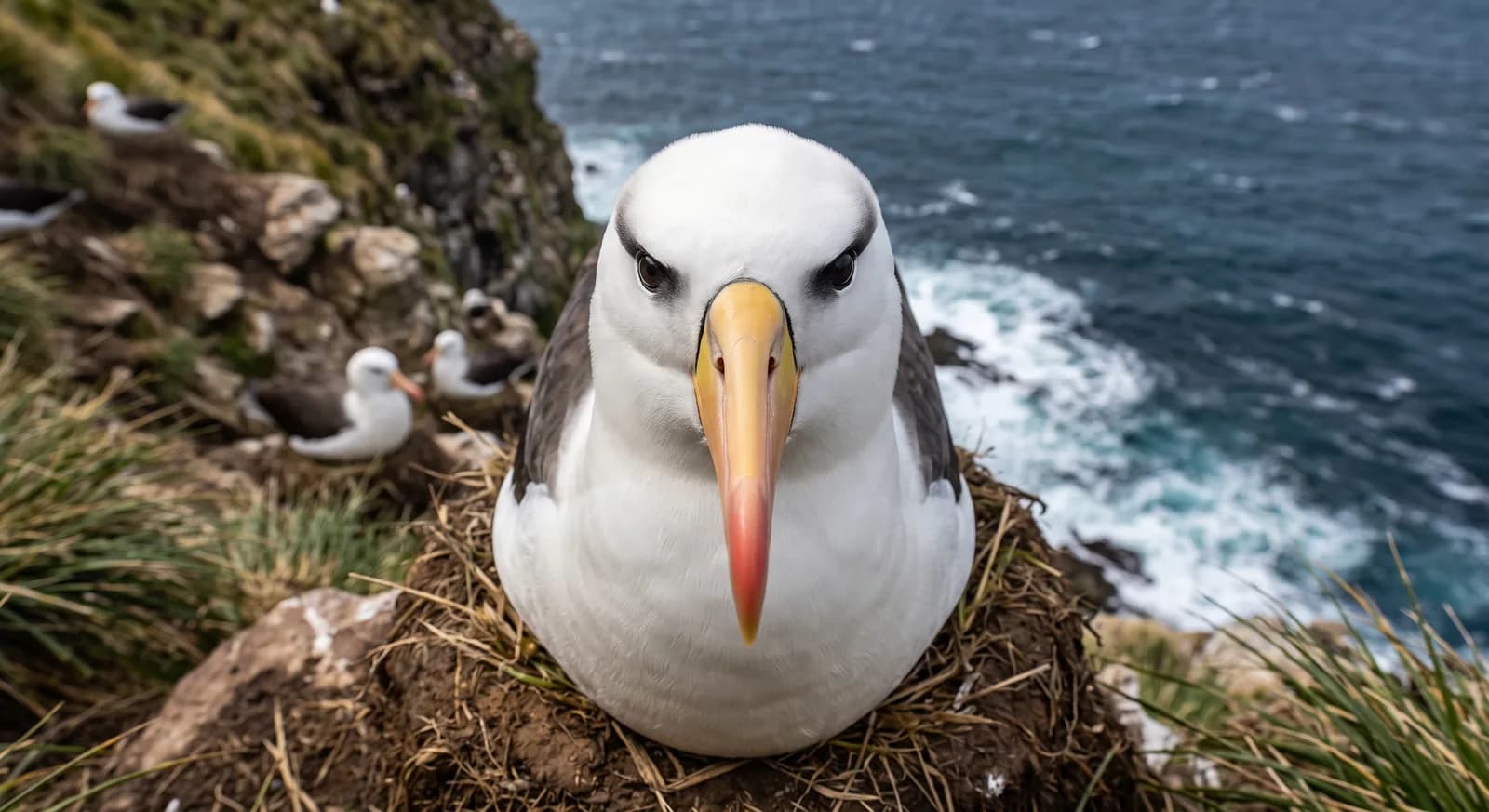
Black-browed Albatross
Thalassarche melanophris
 Critically Endangered
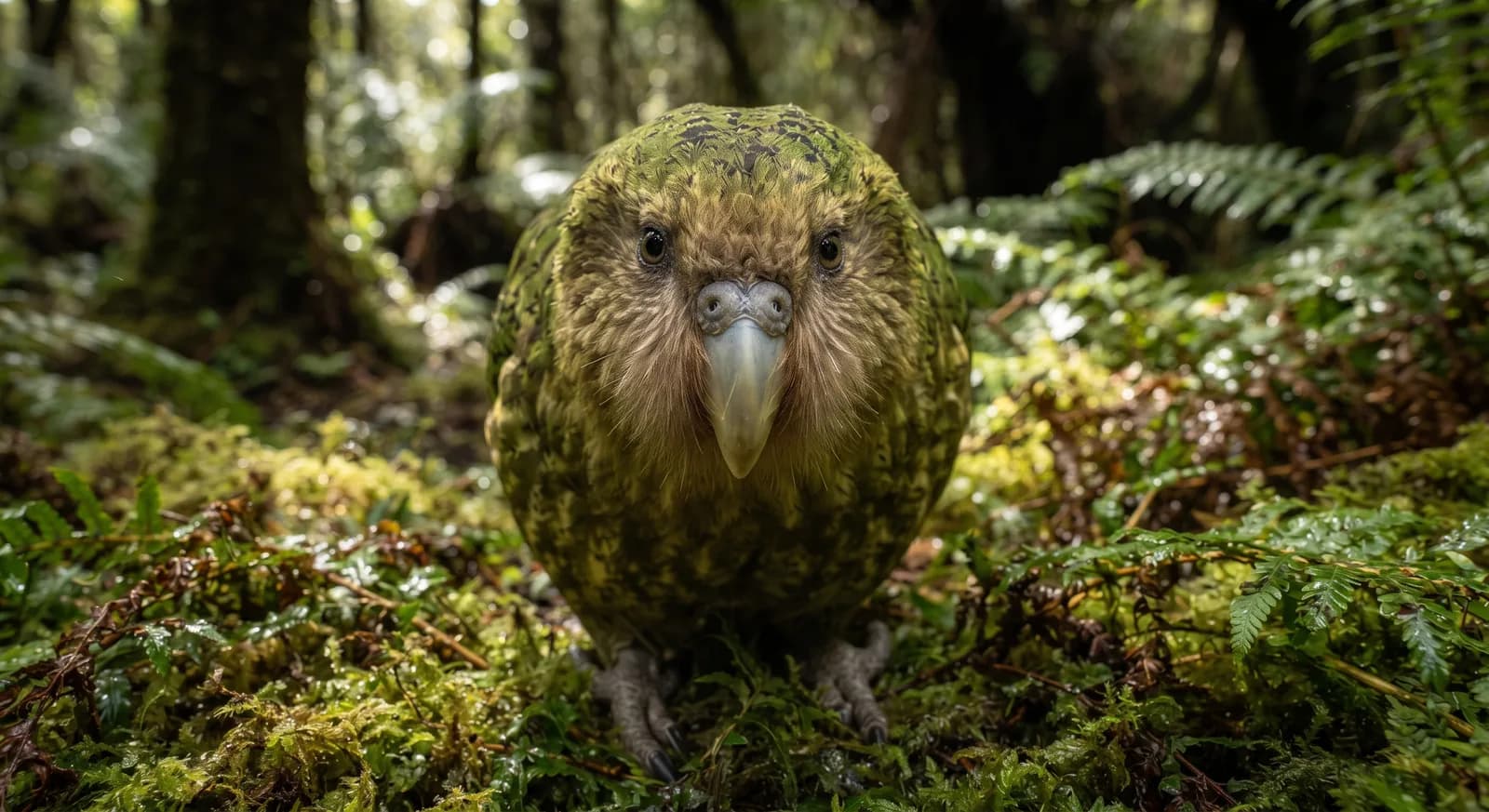
Kakapo
Strigops habroptilus
Brahminy Blindsnake
Indotyphlops braminus
Common House Gecko
Hemidactylus frenatus
Keep exploring
Based on what we already know about tuatara.
Comments
Share an experience, a fun fact or a tip for seeing the tuatara.
Be the first to comment.