One of the 26 snakes on WAnimals
Reptiles · Squamata · Typhlopidae
Brahminy Blindsnake
Indotyphlops braminus
The species is abundant and widely distributed; it faces no significant short-term risk. See full glossary
Indotyphlops braminus is a snake of the family Typhlopidae. Although native to Africa and Asia, it has been introduced to the Americas and Australia. It is a small, blind, burrowing snake, often mistaken for an earthworm. It is the only unisexual snake species known so far, and reproduces by parthenogenesis. No subspecies are recognised.
Size
5 cm – 17 cm
Lifespan
8 years
Diet
Insectivore
Feeds mainly on insects and other invertebrates.
Activity
Nocturnal
Active mainly at night.
Social structure
Solitary
Lives and hunts alone, joining others only to breed.
Sighting difficulty
Easy
Fun facts
- The entire species is female: it reproduces by obligate parthenogenesis, and each female produces clones of herself with no need of a male. No male has ever been found.
- That mode of reproduction has made it the most widespread snake in the world: a single one arriving in the soil of a flowerpot is enough to found a whole population.
- It is so small and unobtrusive that many people mistake it for an earthworm, and it turns up frequently in pots and gardens in warm regions on five continents without anyone noticing it.
Life cycle & biology
- Skeleton type
- Vertebrate - internal bony skeleton (reptile)
- Habitat & environment
- Soil, leaf litter, flowerpots and gardens in warm regions worldwide
- Sexual maturity
- 12 months
- Gestation / incubation
- 40 days of incubation
- Litter / clutch size
- 5 eggs
Sources consulted: https://es.wikipedia.org/wiki/Indotyphlops_braminus
Where to find it
See its range on the interactive mapRelated species
Other species in the catalogue with the most in common with Brahminy Blindsnake — same habitat, park, country, tags or family.
Eurasian Blind Snake
Typhlops vermicularis
Mexican Mouse Opossum
Marmosa mexicana
Brown Antechinus
Antechinus stuartii
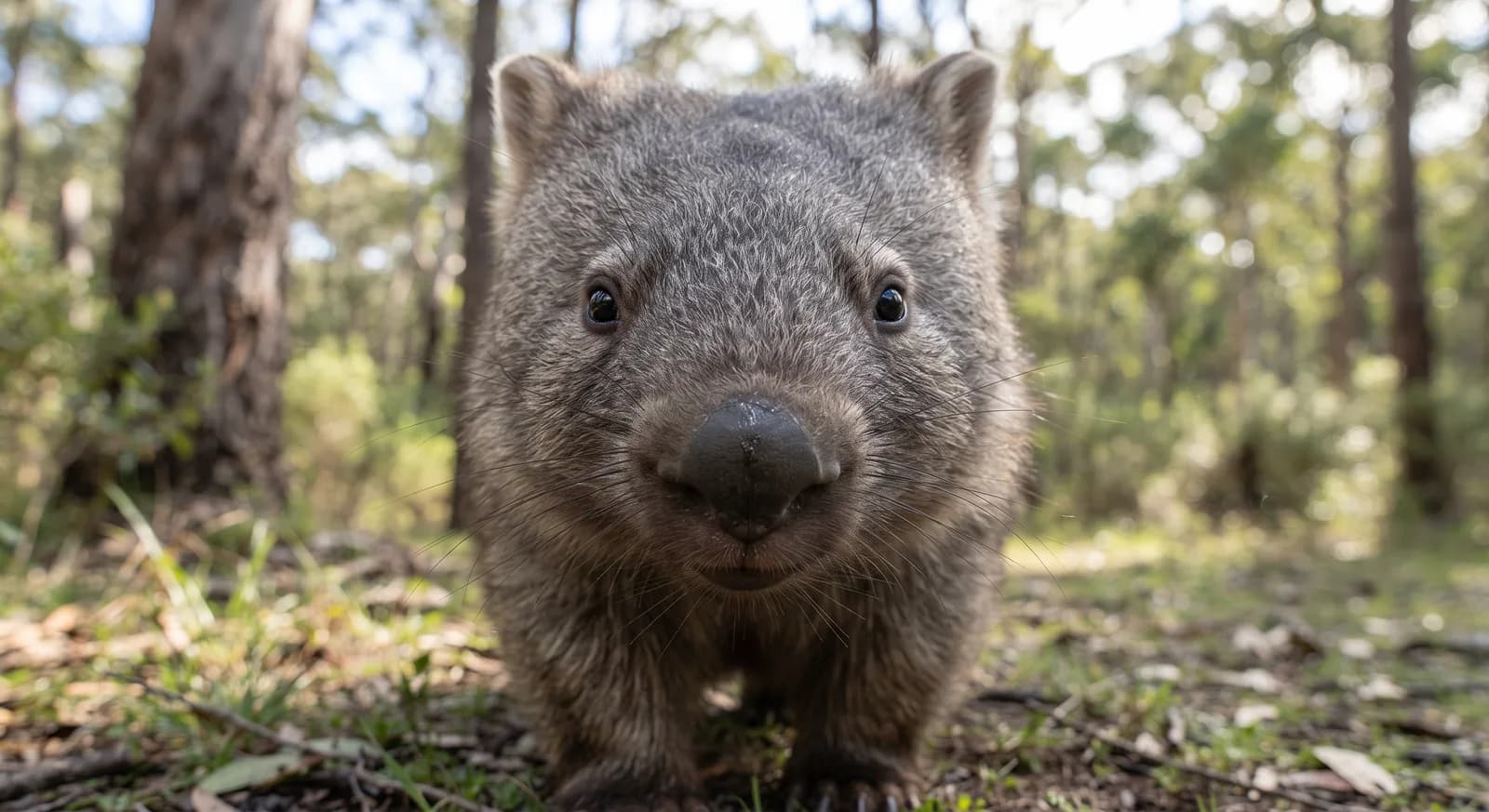 Least Concern
Bare-nosed Wombat
Vombatus ursinus
 Least Concern
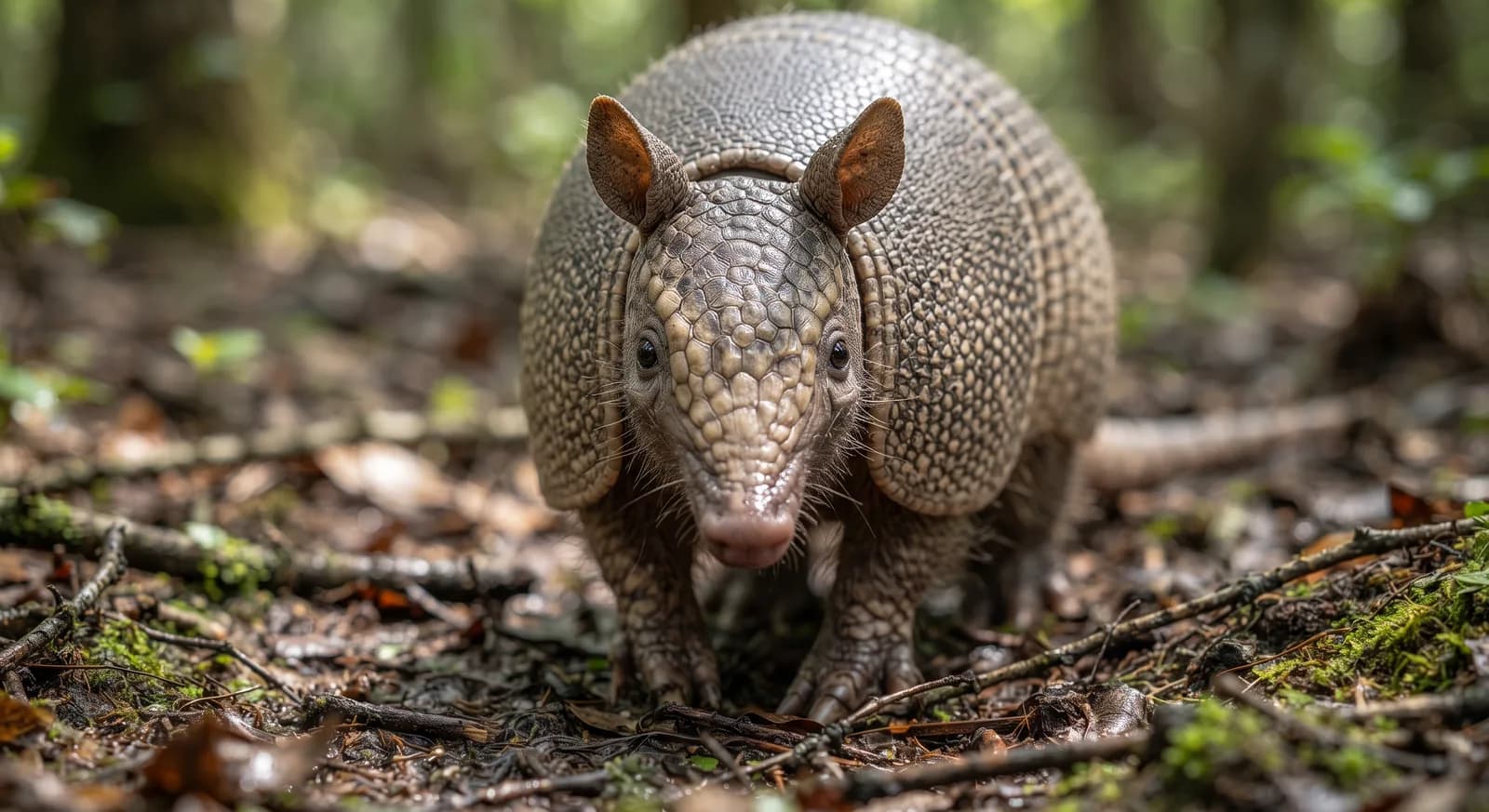
Nine-banded Armadillo
Dasypus novemcinctus
Greater Long-Nosed Armadillo
Dasypus kappleri
Keep exploring
Based on what we already know about brahminy blindsnake.
Comments
Share an experience, a fun fact or a tip for seeing the brahminy blindsnake.
Be the first to comment.