One of the 26 snakes on WAnimals
Reptiles · Squamata · Typhlopidae
Eurasian Blind Snake
Typhlops vermicularis
The species is abundant and widely distributed; it faces no significant short-term risk. See full glossary
The Eurasian blind snake is the only blind snake on the continent and one of the smallest snakes in Europe. It lives underground, its eyes reduced to two dark dots beneath the scales, and it feeds on ants and termites, above all on their larvae and pupae. It goes entirely unnoticed and is often mistaken for an earthworm.
Size
20 cm – 38 cm
Lifespan
10 years
Diet
Insectivore
Feeds mainly on insects and other invertebrates.
Activity
Nocturnal
Active mainly at night.
Social structure
Solitary
Lives and hunts alone, joining others only to breed.
Sighting difficulty
Easy
Fun facts
- It is the only blind snake in Europe and one of the smallest snakes on the continent: it lives underground, its eyes reduced to two spots beneath the scales, and it can only tell light from dark.
- It goes into anthills and feeds on larvae and pupae without the ants attacking it, protected by smooth, tightly packed scales and probably by secretions that mask its scent.
- Its body is of uniform thickness with a tail as blunt as its head, which means it is regularly mistaken for a large earthworm.
Life cycle & biology
- Skeleton type
- Vertebrate - internal bony skeleton (reptile)
- Habitat & environment
- Loose soils, stony slopes and dry scrub of the Balkans, Turkey and the Near East
- Sexual maturity
- 2 years
- Gestation / incubation
- 45 days of incubation
- Litter / clutch size
- 6 eggs
Sources consulted: https://www.iucnredlist.org/ | https://animaldiversity.org/ | https://es.wikipedia.org/
Where to find it
See its range on the interactive mapWhere to watch it
Parques y spots de buceo donde se ha documentado esta especie — se muestran 10 de 19 documentados.
Related species
Other species in the catalogue with the most in common with Eurasian Blind Snake — same habitat, park, country, tags or family.
Brahminy Blindsnake
Indotyphlops braminus
Common Pipistrelle
Pipistrellus pipistrellus
 Least Concern
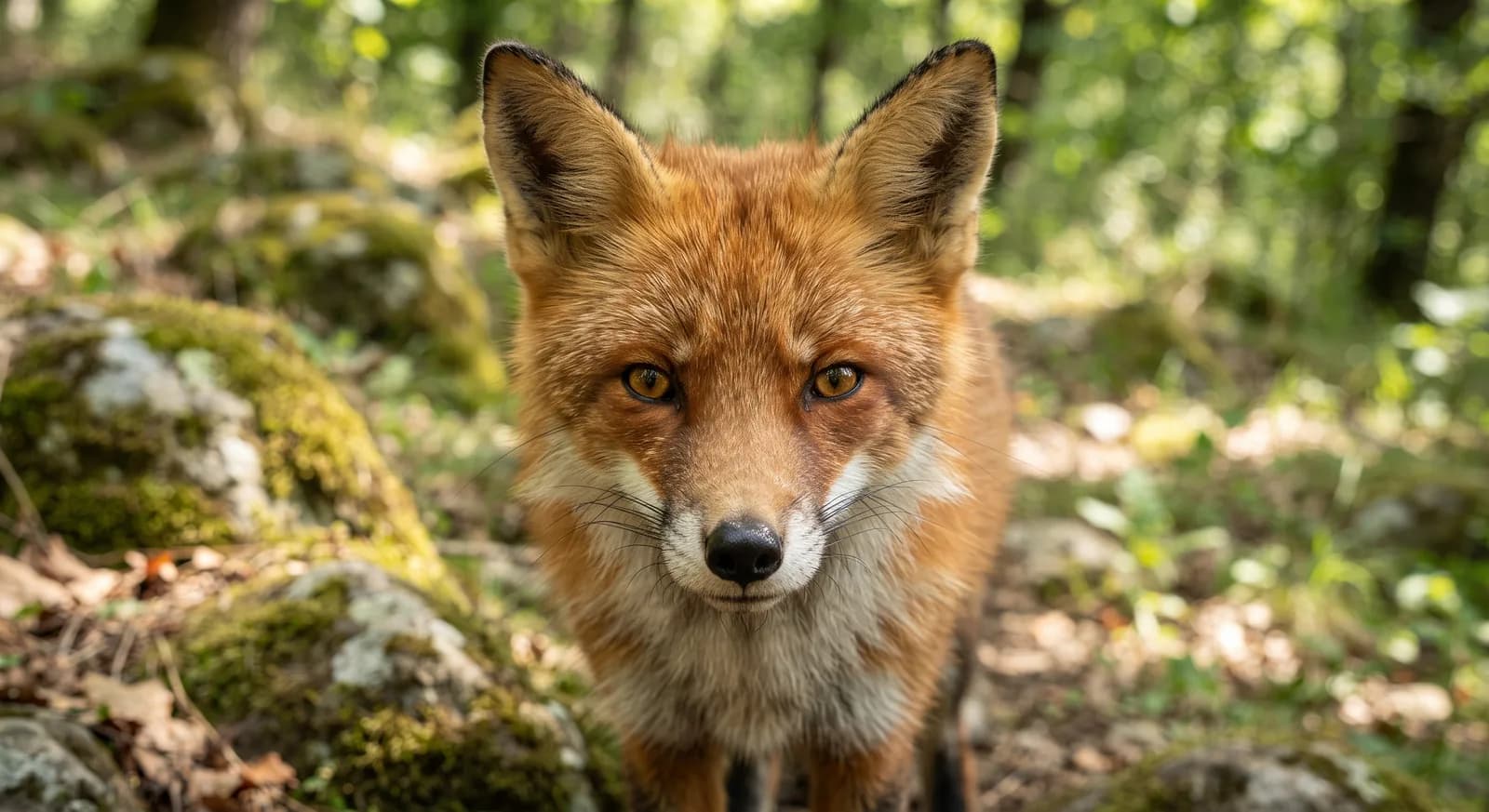
Red Fox
Vulpes vulpes
Sand Lizard
Lacerta agilis
Common Wall Lizard
Podarcis muralis
Nose-horned Viper
Vipera ammodytes
Keep exploring
Based on what we already know about eurasian blind snake.
Comments
Share an experience, a fun fact or a tip for seeing the eurasian blind snake.
Be the first to comment.