One of the 12 vipers on WAnimals
Reptiles · Squamata · Viperidae
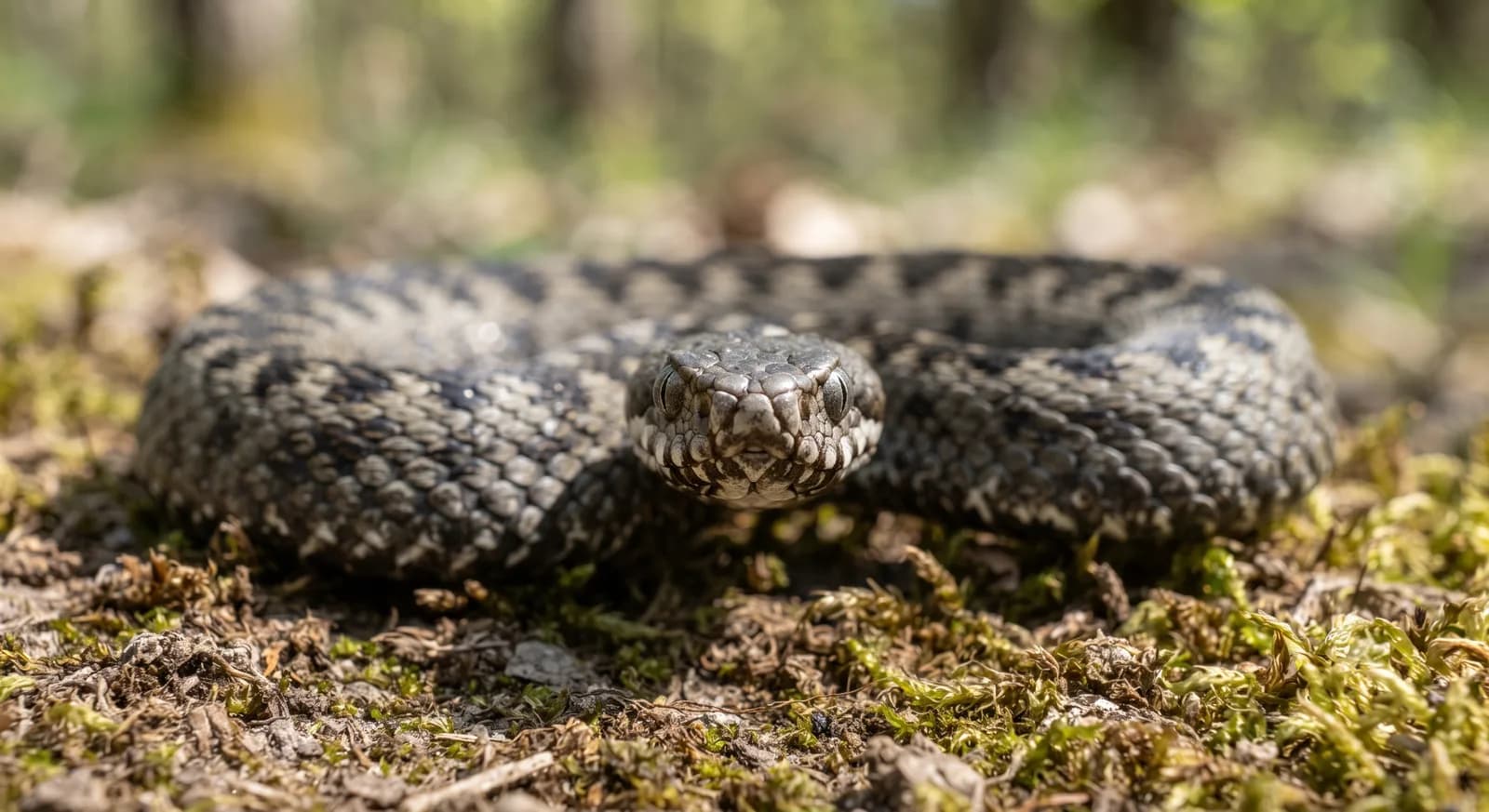
Nose-horned Viper
Vipera ammodytes
The species is abundant and widely distributed; it faces no significant short-term risk. See full glossary
The nose-horned viper, sand viper or long-nosed viper is a species of snake of the family Viperidae. It is found in northern Italy, in the Balkans and in places in the Middle East. It is considered the most dangerous of the venomous vipers of Europe, given its size, long fangs and highly toxic venom. Its scientific name comes from the Greek ammos, "sand", and dutes, "digger", which is not the best description for an animal that in fact prefers to live among rocks. Five subspecies are currently recognised.
Weight
220 g on average
Size
50 cm – 95 cm
Lifespan
22 years
Diet
Carnivore
Feeds mainly on other animals.
Activity
Crepuscular
Active above all at dawn and dusk.
Social structure
Solitary
Lives and hunts alone, joining others only to breed.
Sighting difficulty
Easy
Fun facts
- It is the most venomous snake in Europe, with a venom considerably more potent than that of the asp viper or Seoane's viper, although its shy nature means serious bites are uncommon.
- The horn on its snout is soft and flexible, formed of scales over a fleshy base, and its function is still unclear: it appears to be neither defensive nor sensory.
- Its venom has been used in biomedical research for decades, and compounds isolated from it have contributed to the development of anticoagulant drugs.
Life cycle & biology
- Skeleton type
- Vertebrate - internal bony skeleton (reptile)
- Habitat & environment
- Sunny stony slopes, scrub and warm rocky outcrops of the Balkans and Asia Minor
- Sexual maturity
- 4 years
- Gestation / incubation
- 4 months of gestation
- Litter / clutch size
- 8 live young
Sources consulted: https://es.wikipedia.org/wiki/Vipera_ammodytes
Where to find it
See its range on the interactive mapWhere to watch it
Parques y spots de buceo donde se ha documentado esta especie — se muestran 10 de 50 documentados.
Related species
Other species in the catalogue with the most in common with Nose-horned Viper — same habitat, park, country, tags or family.
 Least Concern
Adder
Vipera berus
Asp Viper
Vipera aspis
Phoorsa
Echis carinatus
Least Weasel
Mustela nivalis
Eurasian Woodcock
Scolopax rusticola
Common Buzzard
Buteo buteo
Keep exploring
Based on what we already know about nose-horned viper.
Comments
Share an experience, a fun fact or a tip for seeing the nose-horned viper.
Be the first to comment.