Bouvet Island
Reckoned the most remote and inaccessible island in the world, more than 1,700 km from any other inhabited land
Area
49 km²
Declared in
1971
Region
Subantarctic (South Atlantic)
Climate
Templado, Polar / frío, Montañoso
Best time
June to August
Highlight
Reckoned the most remote and inaccessible island in the world, more than 1,700 km from any other inhabited land
Declared a Norwegian nature reserve in 1971, Bouvet Island is routinely reckoned the most remote island on the planet, lying more than 1,700 km from the nearest coast (mainland Antarctica) and a similar distance from any inhabited land, almost entirely covered by an ice cap over an ancient volcano. Its extreme isolation and the almost permanently hostile weather — fog, violent swell and a complete absence of natural harbours — mean that only a handful of scientific expeditions have ever managed to land successfully, making it one of the least visited and least studied territories on the planet.
Location
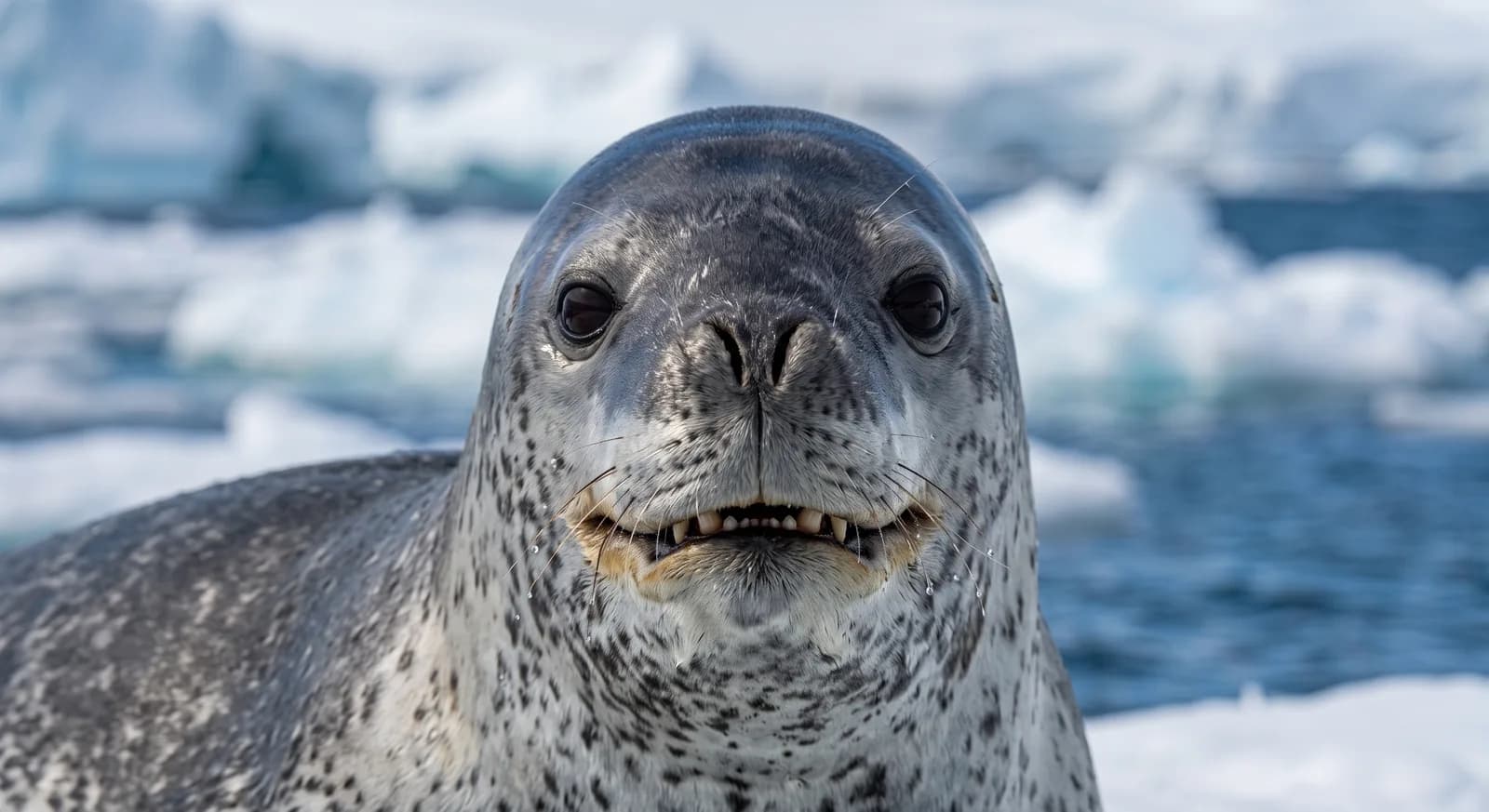
See on the interactive map6 species documented in Bouvet Island
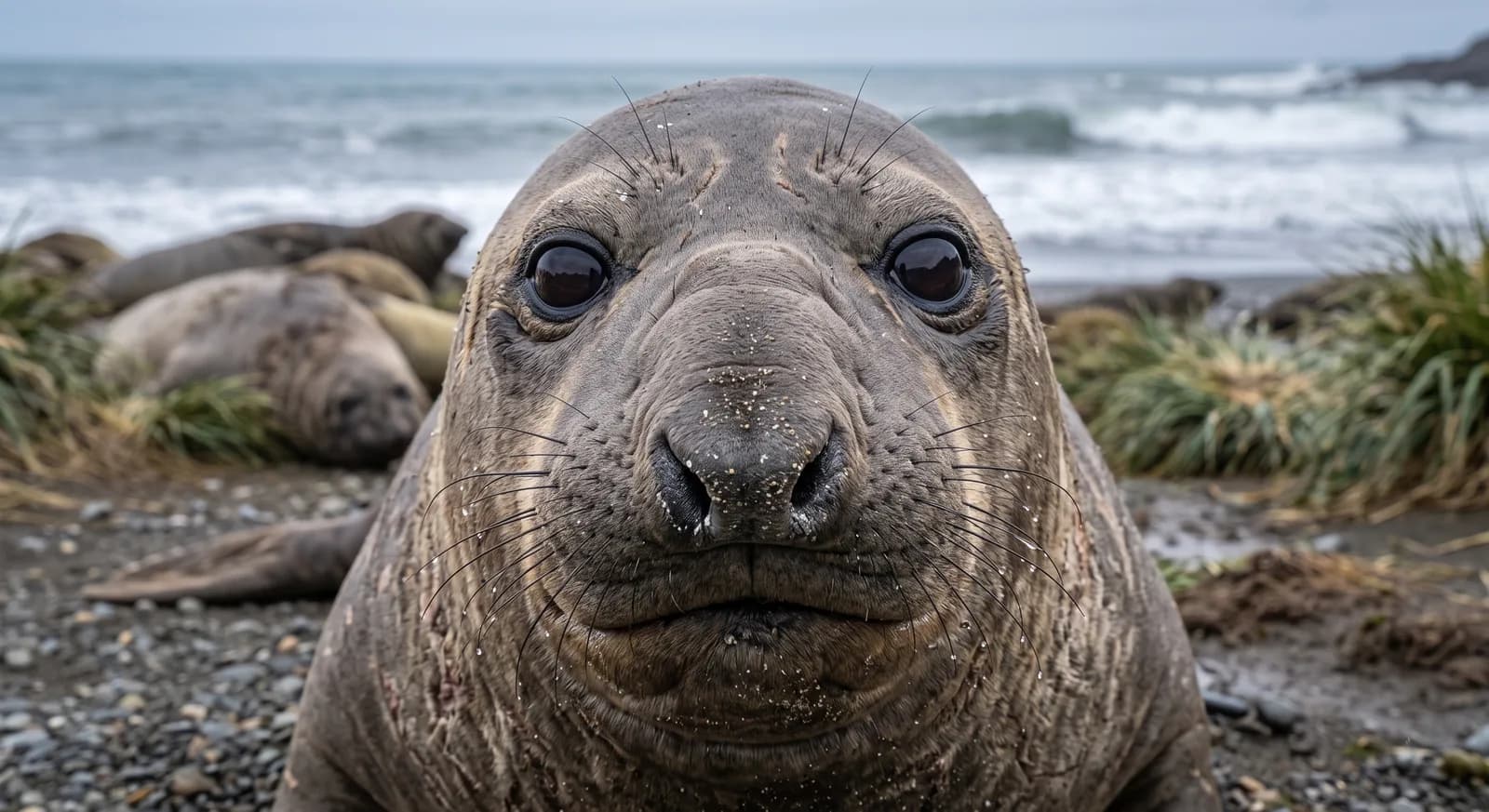
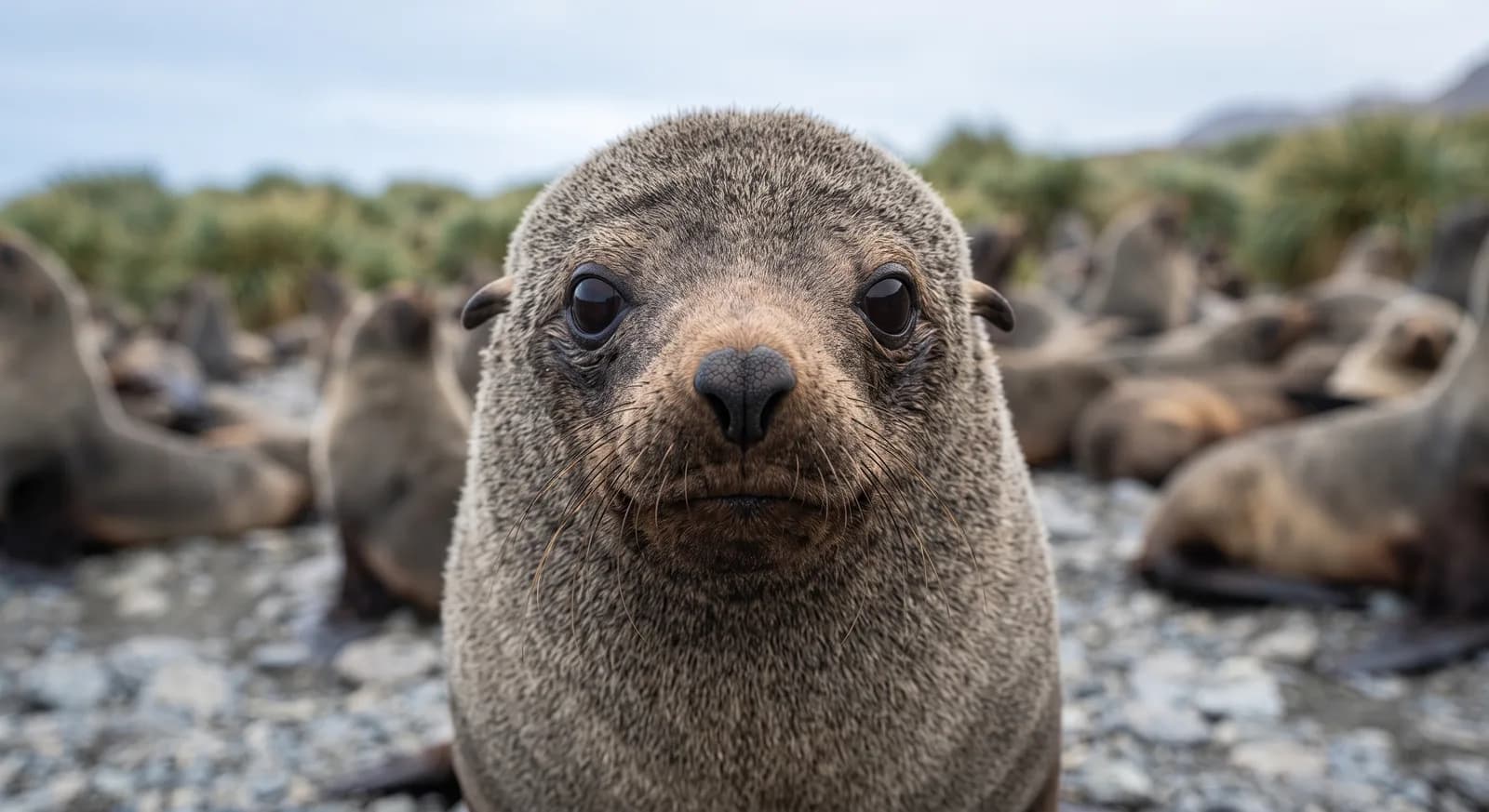
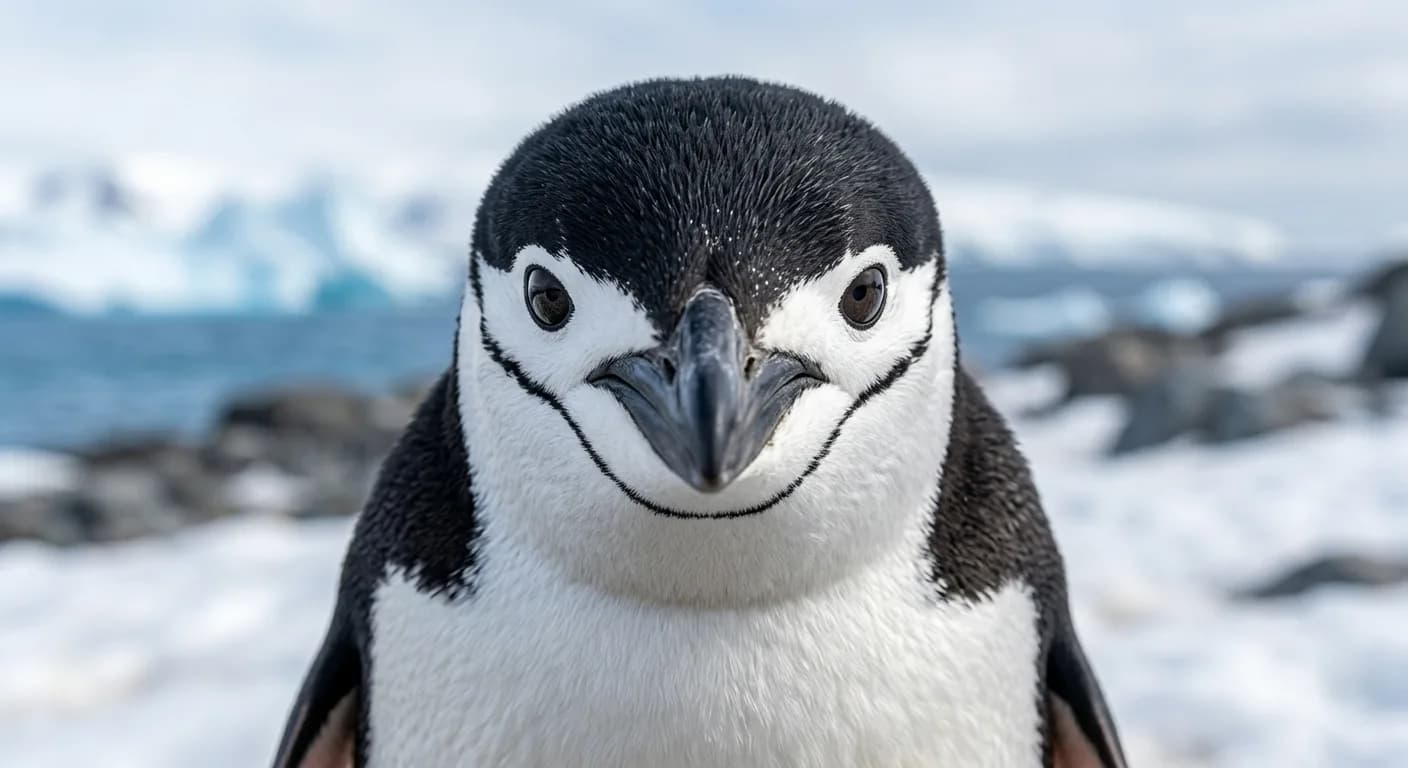
At conservation risk:Elefante marino del sur,Lobo fino antártico,Pingüino macaroni
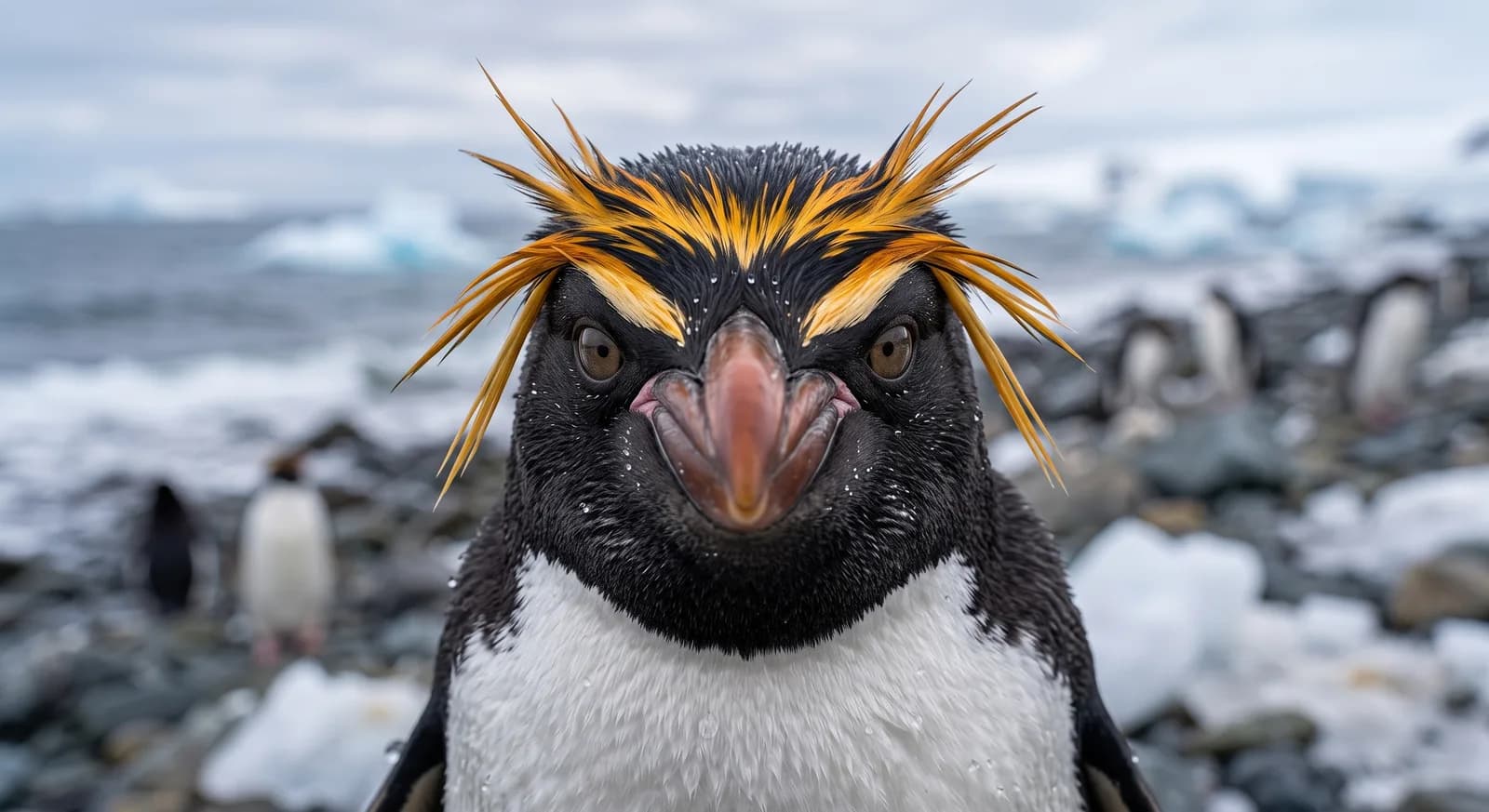
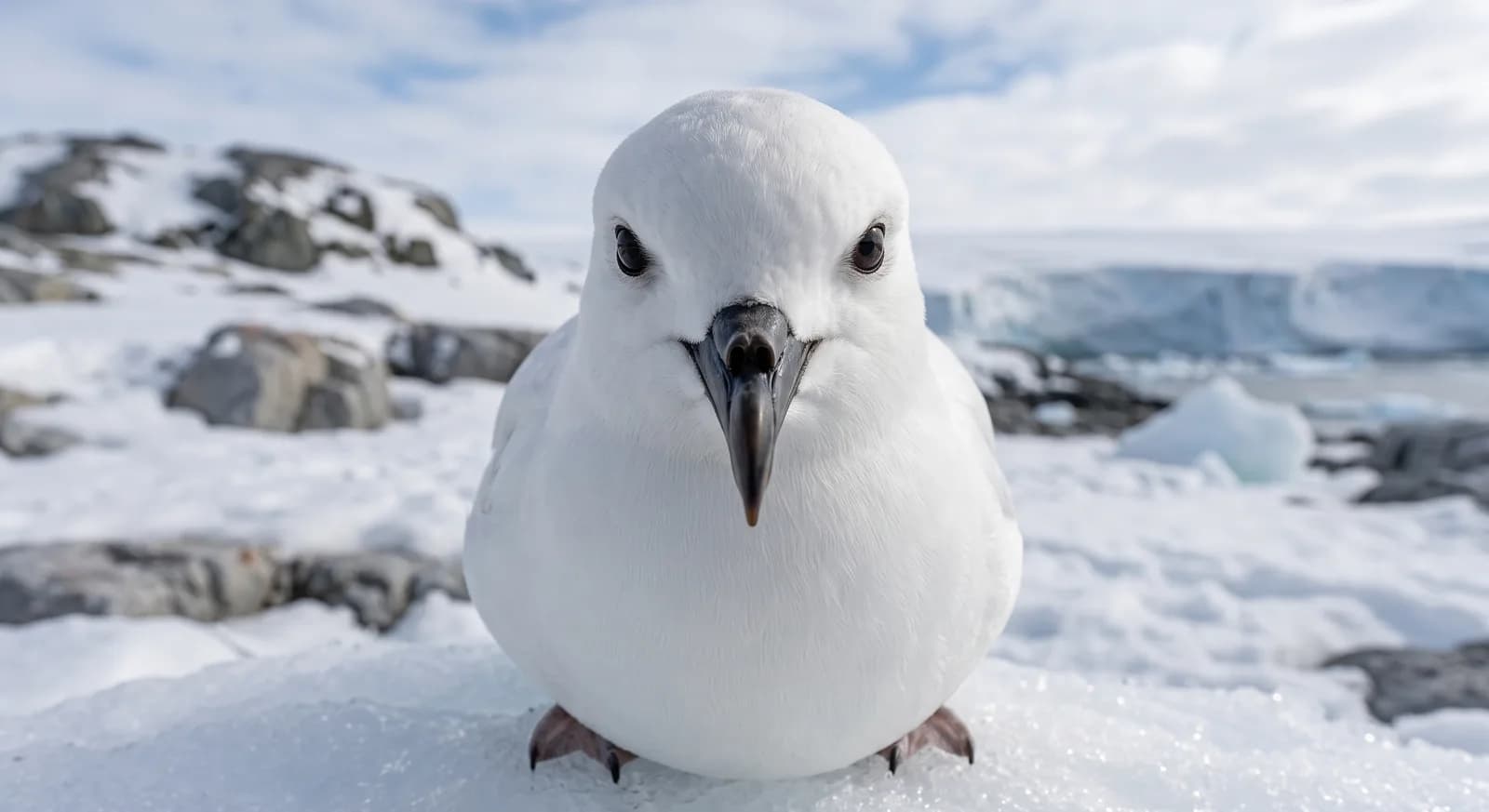
Flora and ecosystems
Ecosystems found in Norway, where Bouvet Island lies.
Experiences in this park
Similar parks
Which other parks are like this one?
Peter I Island
Norway
Crabeater Seal · Antarctic Petrel
Junio a agosto
View parkMismo país: Norway
Fiordos del Oeste de Noruega
Norway
Harbor Seal · Harbor Porpoise
Junio a agosto
View parkMismo país: Norway
Keep exploring
Based on what we already know about Bouvet Island.
Your rating
How many stars would you give Bouvet Island?
Comments
Share your experience visiting Bouvet Island, or a tip for other travellers.
Be the first to comment.