 Least Concern
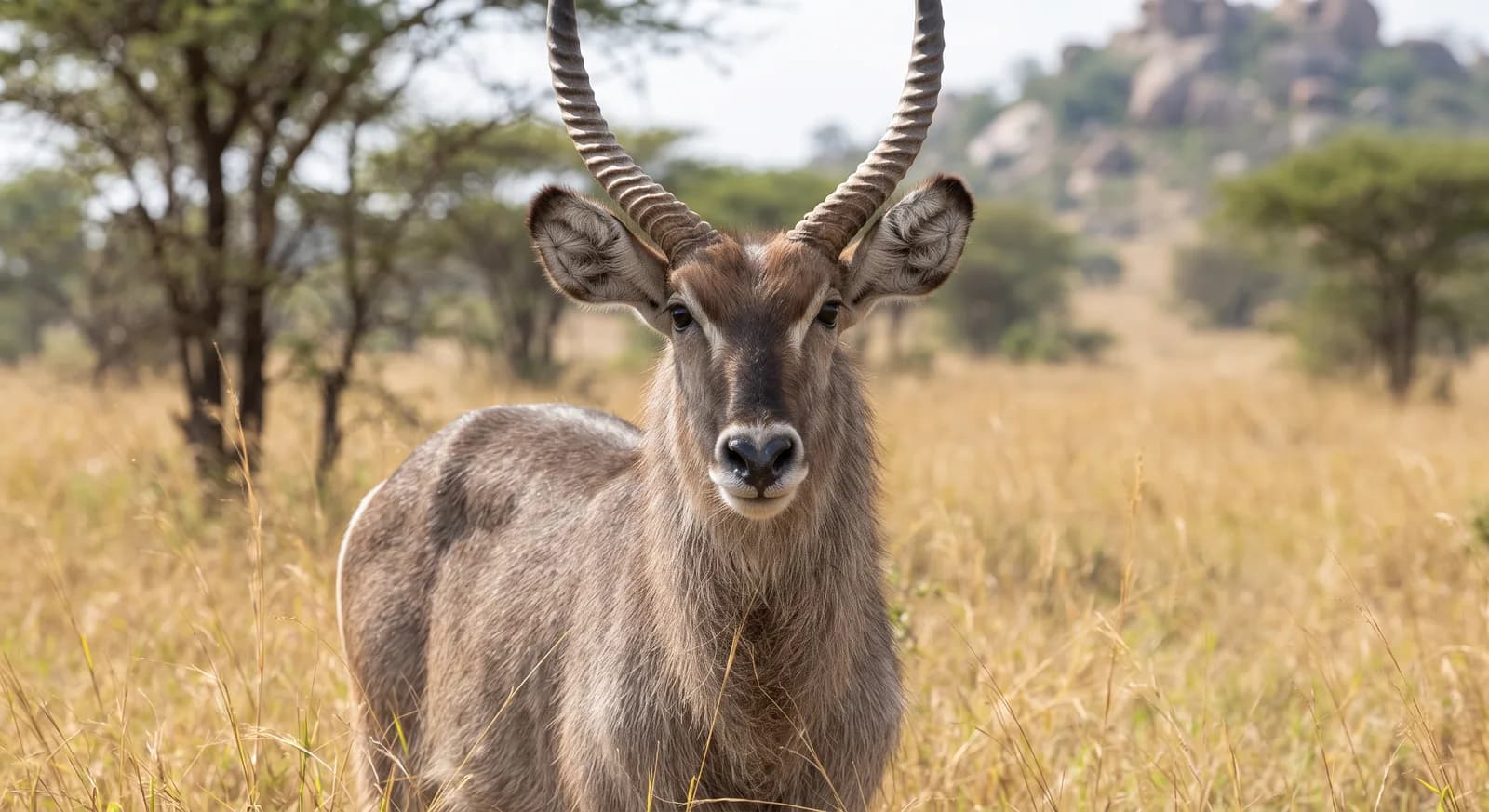
Waterbuck
Kobus ellipsiprymnus
The largest protected savannah in central Africa, on the List in Danger since 1997 after losing much of its wildlife.
Area
17,400 km²
Designated in
1979
Region
Central Africa
Sudanian savannah between Chad and the Bongo massif
Manovo-Gounda St Floris National Park was established in 1979 in the prefecture of Bamingui-Bangoran, in the north of the Central African Republic, beside the Chadian border, and protects some 17,400 km². UNESCO inscribed it on the World Heritage List in 1988 under criteria (ix) and (x).
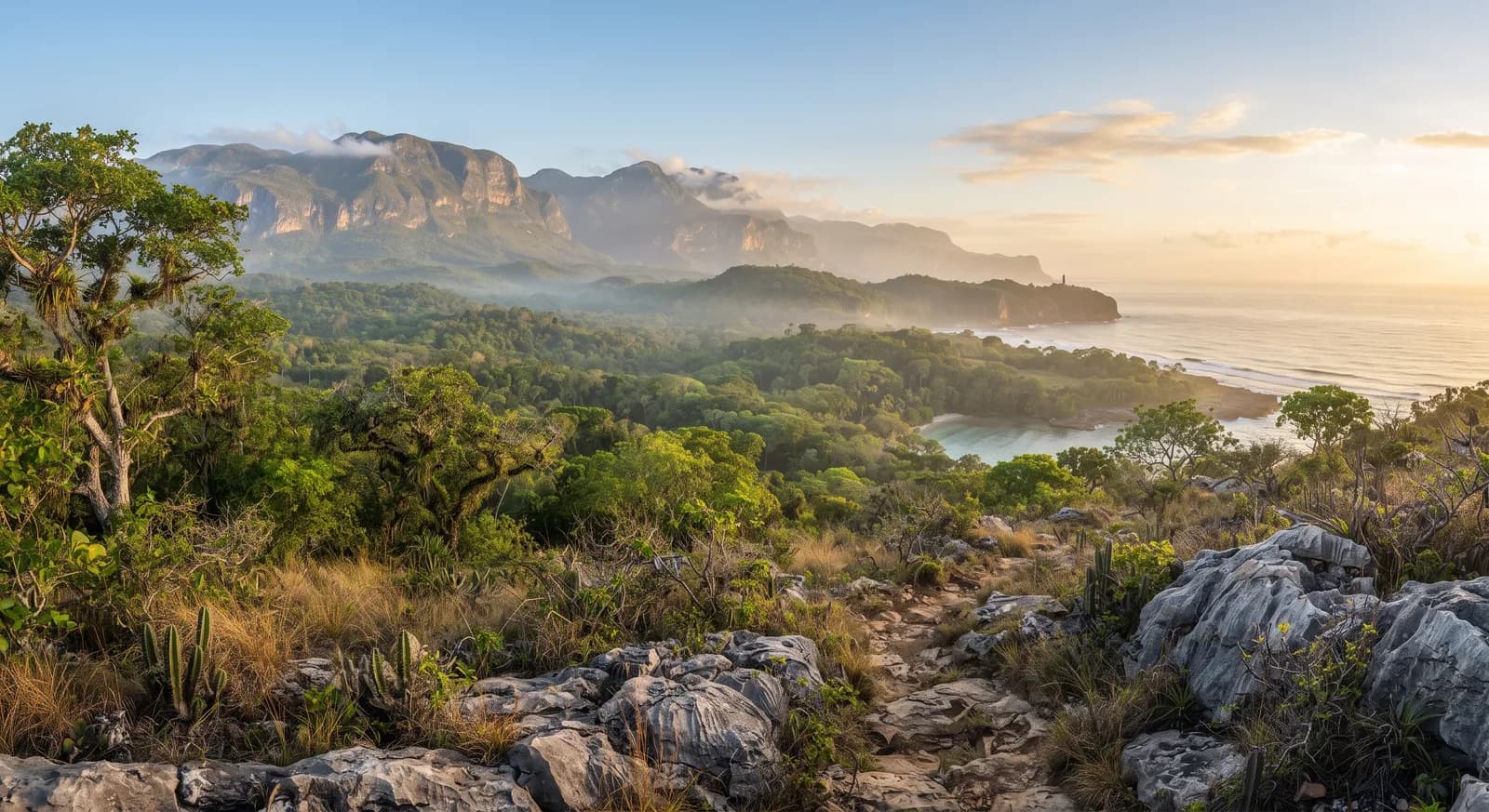
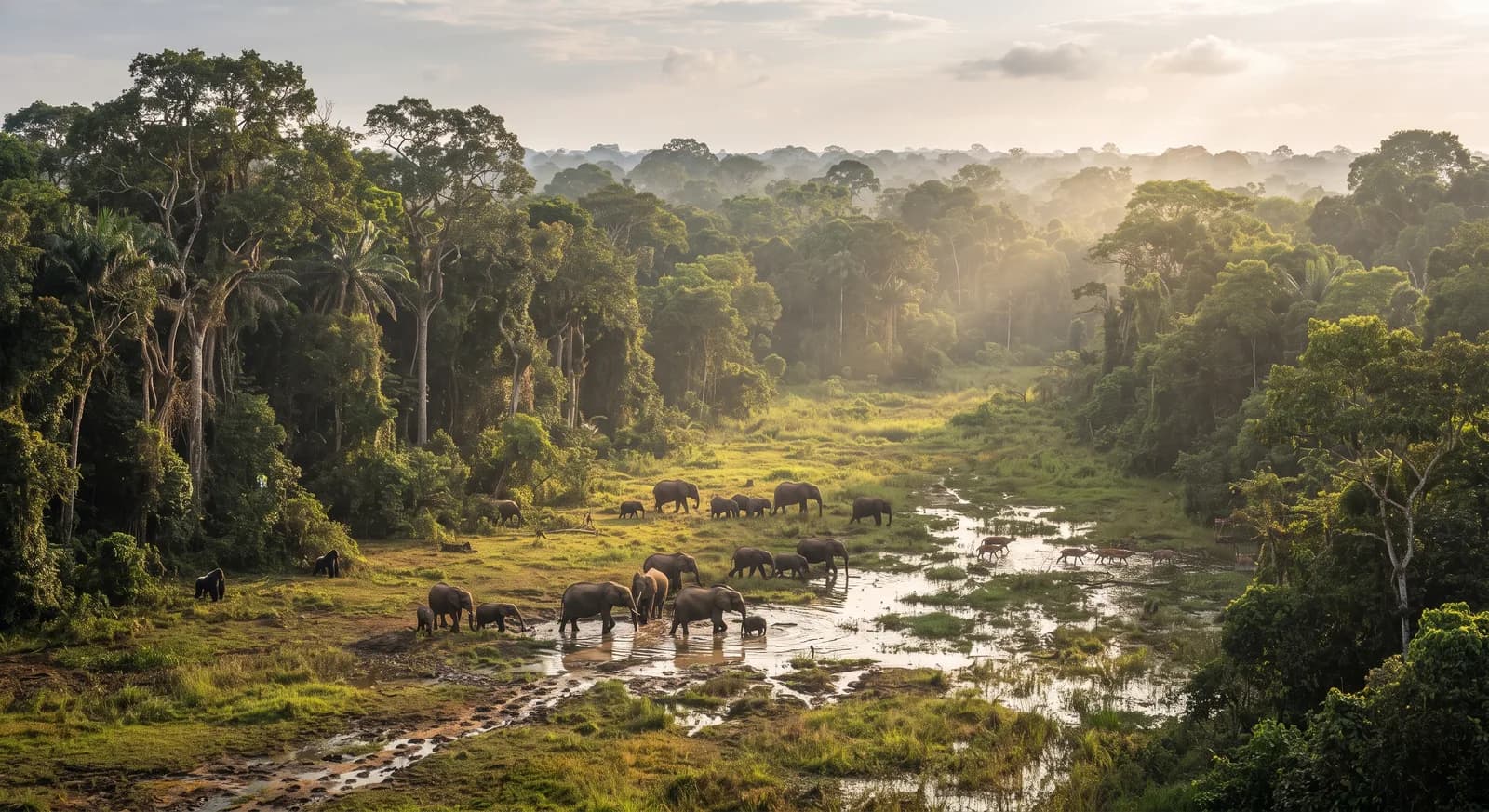
It is the largest park in the savannahs of central Africa and spans a complete gradient from the floodplains of the north, in the Chad basin, to the plateaux and the Bongo massif to the south, with wooded savannah, dry forest and gallery forest. It held important populations of elephant, hippopotamus, topi, red-fronted gazelle and western black rhinoceros.
Its situation since then has been dire. The property was placed on the List of World Heritage in Danger in 1997, after security deteriorated in the north of the country, with illegal grazing and poaching carried out by heavily armed hunters who wiped out as much as 80% of the park's wildlife. The murder of four members of staff in early 1997 halted all development projects and tourism. The western black rhinoceros, once present in the country, was declared extinct in 2011. The park's infrastructure is destroyed and the area remains unsafe.
Threatened:
Ecosystems found in the Central African Republic, where Manovo-Gounda St Floris lies.
Which other parks are like this one?
Same country: Central African Republic
Same country: Central African Republic
Same type of protected area: National Park
Based on what we already know about this park.
Share your experience visiting Manovo-Gounda St Floris, or a tip for other travellers.
Be the first to comment.
Climate
Tropical
Same type of protected area: National Park
 Central African Republic
 Cuba