Skip to content
WAnimals
  • Map
  • Species
  • Parks
  • Diving
Log inCreate account
WAnimals

The guide for travellers and animal lovers: discover, plan and share your wild adventures around the world.

Discover wildlife

  • Species
  • Ecosystems
  • Glossary
  • Tags

Explore places

  • Map
  • Countries
  • Parks
  • Diving

Plan experiences

  • Guides

Learn

  • Blog

Resources

  • About us
  • How we build our profiles
  • Help centre
  • Contact
  • Install the app

Follow us

Account

  • Log in
  • Create account

© 2026 WAnimals. All rights reserved.

Terms of servicePrivacyCookiesLegal notice
MapSpeciesParksDiving
  1. Home
  2. Species
  3. Fiji Tree Frog

One of the 47 frogs on WAnimals

Amphibians · Anura · Ceratobatrachidae

Fiji Tree Frog

Platymantis vitiensis

Near Threatened

It could become threatened in the near future if current threats go unchecked.

Spotted something wrong?

The Fiji tree frog is one of only two amphibians native to the archipelago, having reached those remote Pacific islands millions of years ago. It has no tadpole stage: the eggs, laid on plants, hatch directly into fully formed froglets, an adaptation essential on islands without permanent watercourses.

Size

4 cm – 6 cm

Life expectancy

8 years

Diet

Insectivore

Feeds mainly on insects and other invertebrates.

Activity

Nocturnal

Active mainly at night.

Social structure

Solitary

Lives and hunts alone, joining others only to breed.

RainforestIslands
1countries2parks

Fun facts

  • It is one of only two amphibians native to Fiji: on oceanic islands as remote as these, with salt water in between, the arrival of an amphibian is an exceptional event, because its permeable skin cannot tolerate the sea.
  • It has no tadpole stage: the eggs are laid among damp leaf litter and hatch into fully formed froglets, which lets it breed with no need for pools or streams.
  • The mongooses, rats and cane toads introduced to Fiji are its main threats, along with the logging of native forest.

Life cycle and biology

Skeleton type
Vertebrate - internal bony skeleton (amphibian)
Habitat and environment
Leaf litter and understorey of rainforest on the islands of Fiji
Sexual maturity
18 months
Gestation / incubation
Direct development in the egg, with no tadpole stage
Litter / clutch size
30 eggs

Sources consulted: IUCN Red List · Animal Diversity Web · Wikipedia (es)

Where to find it

Loading map…

The pins mark the parks where its presence is documented.

Where to see it

Parks and dive sites where this species has been documented.

Related species

Other species in the catalogue with the most in common with Fiji Tree Frog — same habitat, park, country, tags or family.

Shares a park
Shares a park
Shares a park
Related to
Related to
Related to

Keep exploring

Based on what we already know about fiji tree frog.
Share an experience, a fun fact or a tip for seeing the fiji tree frog.
See full glossary
This page in other languages: Español · Deutsch · Français · Português · Italiano
See its range on the interactive map→
BoumaFiji
Sigatoka Sand DunesFiji
Least Concern

Pacific Boa

Candoia carinata

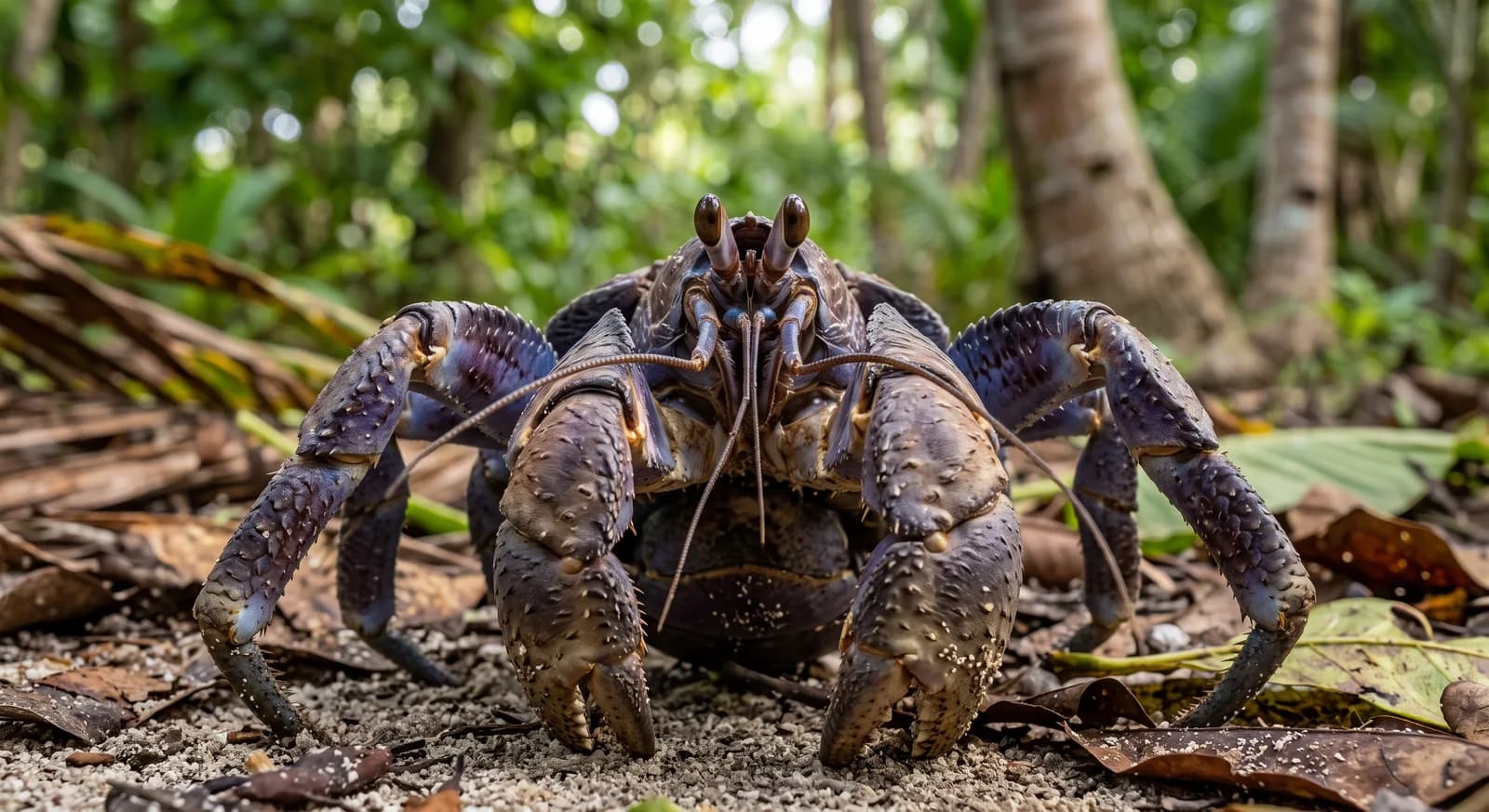
Coconut CrabVulnerable

Coconut Crab

Birgus latro

Endangered

Lau Banded Iguana

Brachylophus fasciatus

Least Concern

Brahminy Blindsnake

Indotyphlops braminus

Least Concern

Common House Gecko

Hemidactylus frenatus

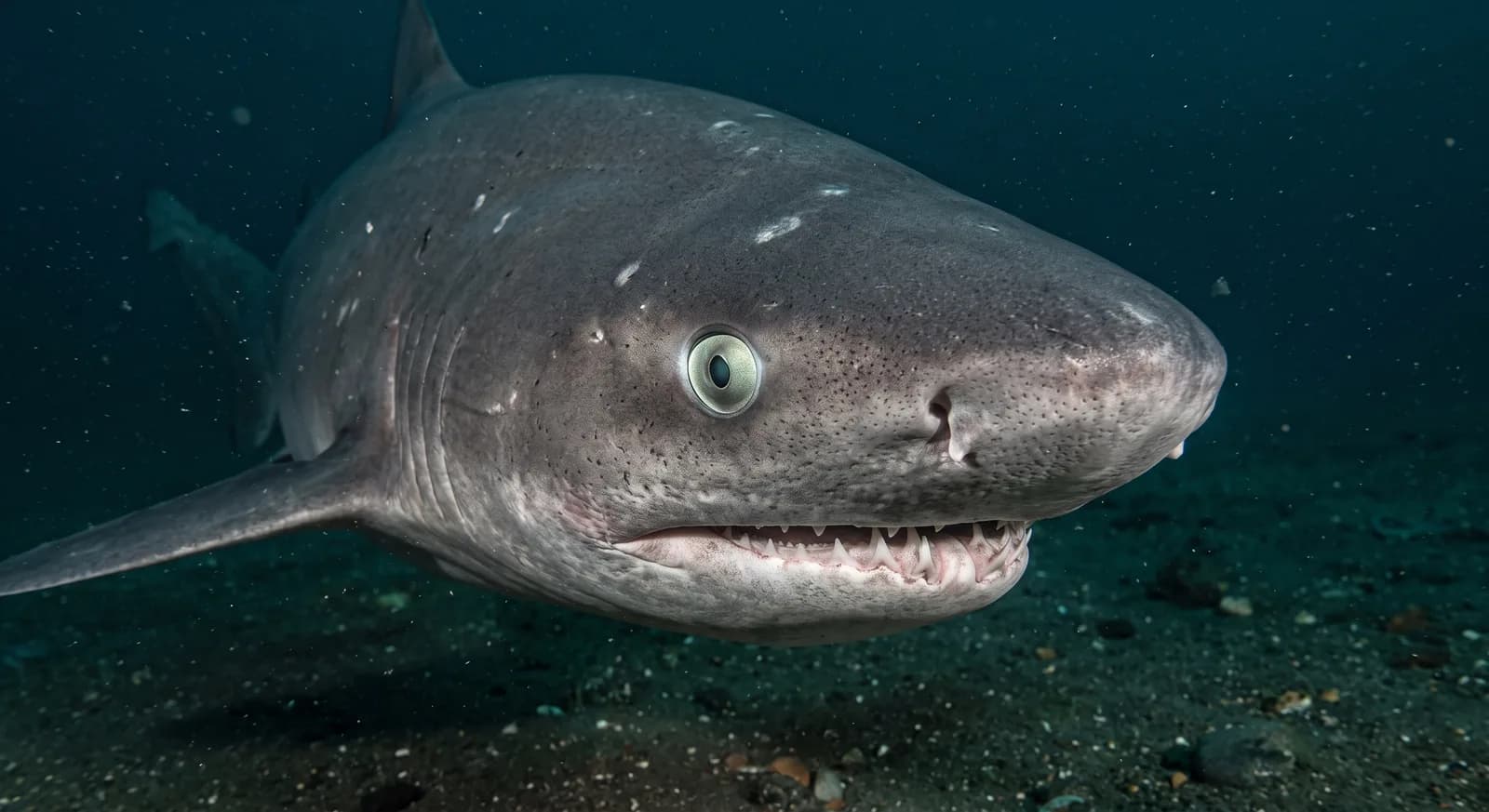
Bluntnose Sixgill SharkNear Threatened

Bluntnose Sixgill Shark

Hexanchus griseus

CountriesFiji
ParksBoumaFiji
TagsInsectivore
Insectivore
Nocturnal
Solitary
Near Threatened
Amphibian
Rainforest
Islands
Fiji