Skip to content
WAnimals
  • Map
  • Species
  • Parks
  • Diving
Log inCreate account
WAnimals

The guide for travellers and animal lovers: discover, plan and share your wild adventures around the world.

Discover wildlife

  • Species
  • Ecosystems
  • Glossary
  • Tags

Explore places

  • Map
  • Countries
  • Parks
  • Diving

Plan experiences

  • Guides

Learn

  • Blog

Resources

  • Help centre
  • Contact
  • Install the app

Follow us

Account

  • Log in
  • Create account

© 2026 WAnimals. All rights reserved.

About usHow we build our profilesTerms of servicePrivacyLegal notice
MapSpeciesParksDiving
  1. Home
  2. Species
  3. Franciscana

Mammals · Artiodactyla · Pontoporiidae

Franciscana

Pontoporia blainvillei

Vulnerable

At high risk of extinction in the wild over the medium term.

Spotted something wrong?

It rivals Hector's dolphin for the title of smallest dolphin in the world and, though it belongs to the river dolphin group, it is the only one of them that lives entirely in coastal sea water.

Weight

23 kg – 50 kg

Size

1.3 m – 1.8 m

Life expectancy

15 years

Diet

Carnivore

Feeds mainly on other animals.

Activity

Diurnal

Active mainly during the day.

Social structure

Solitary

Lives and hunts alone, joining others only to breed.

Sighting difficulty

Moderate

Ocean
3countries6parks4dive sites

Fun facts

  • It is a contender for the title of smallest dolphin in the world.
  • It is the only "river dolphin" that lives entirely in coastal sea water.
  • It is monogamous, which is uncommon among cetaceans.

Life cycle and biology

Skeleton type
Vertebrate - internal bony skeleton (marine mammal)
Habitat and environment
Shallow coastal waters of the south-western Atlantic, from southern Brazil to northern Argentina, the Río de la Plata estuary included
Birth weight
Roughly 63-70 cm long at birth (full-term foetus)
Size at birth
63 - 70 cm long at birth
Sexual maturity
Female: ~3 years (~137-146 cm) | Male: ~2.9-3.5 years
Gestation / incubation
10.5-11.2 months
Litter / clutch size
1 young a season, breeding every year

Sources consulted: ResearchGate (male reproductive biology study); Dolphins World; ScienceDirect (Argentina reproductive aspects study); Cambridge Core (age growth study); NOAA Repository (age growth southeastern Brazil study)

Where to find it

Best time: All year round in shallow coastal waters of southern Brazil, Uruguay and Argentina, although it is very unobtrusive and hard to watch.

Loading map…

The pins mark the parks and dive sites where its presence is documented.

Where to see it

Parks and dive sites where this species has been documented.

Related species

Other species in the catalogue with the most in common with Franciscana — same habitat, park, country, tags or family.

Shares a park
Shares a park
Shares a park
Shares a park
Shares a park
Shares a park

How to help

The franciscana is classified as vulnerable. Organisations such as the IUCN, WWF and the Wildlife Conservation Society work specifically on its conservation and that of its habitat; looking into their programmes is a good starting point if you want to get involved.

It's documented in 4 protected areas — one reason why protecting these places matters for its conservation.

Keep exploring

Based on what we already know about franciscana.

Comments

Share an experience, a fun fact or a tip for seeing the franciscana.

Be the first to comment.
See full glossary
This page in other languages: Español · Deutsch · Français · Português · Italiano
See its range on the interactive map→
Campos del TuyuArgentina
Península ValdésArgentina
Restinga de JurubatibaBrazil
SuperaguiBrazil
Cabo PolonioUruguay
Santa TeresaUruguay
Ilha GrandeBrazil
Arraial do CaboBrazil
Puerto Madryn (Valdés Peninsula)Argentina
Ilha do MelBrazil
Vulnerable

Bluefish

Pomatomus saltatrix

Vulnerable

Atlantic Goliath Grouper

Epinephelus itajara

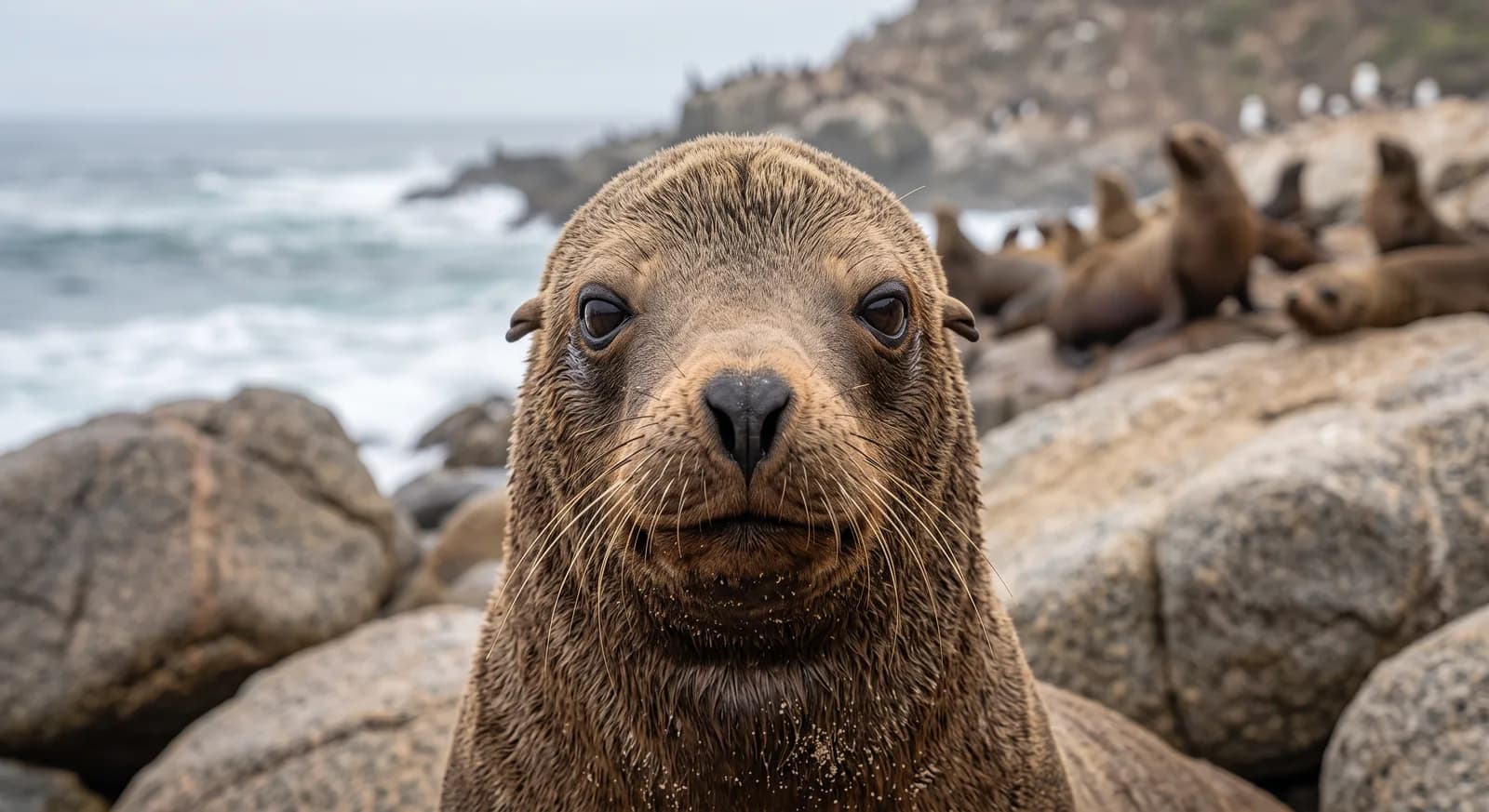
South American Sea LionLeast Concern

South American Sea Lion

Otaria flavescens

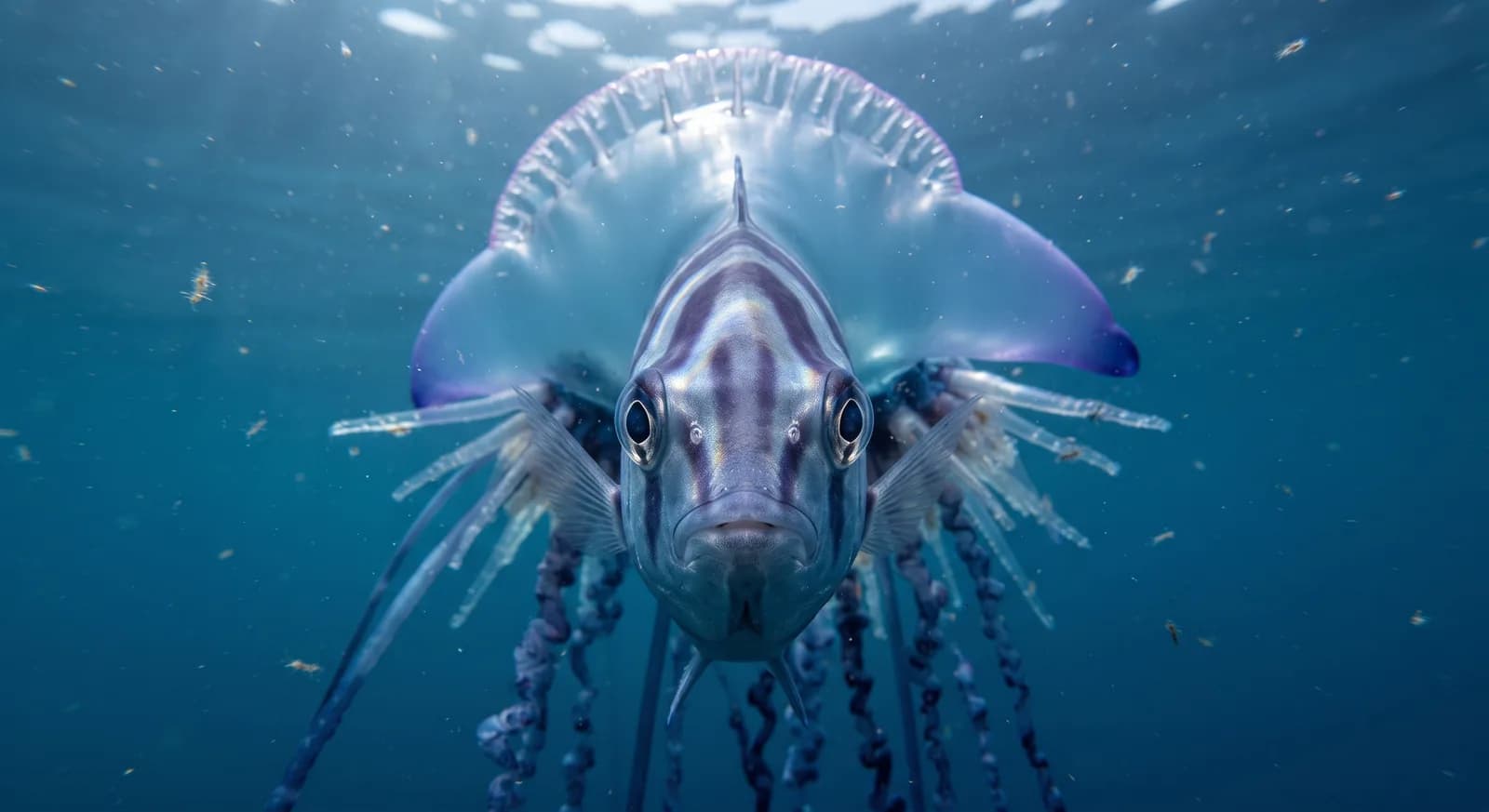
Man-of-war FishLeast Concern

Man-of-war Fish

Nomeus gronovii

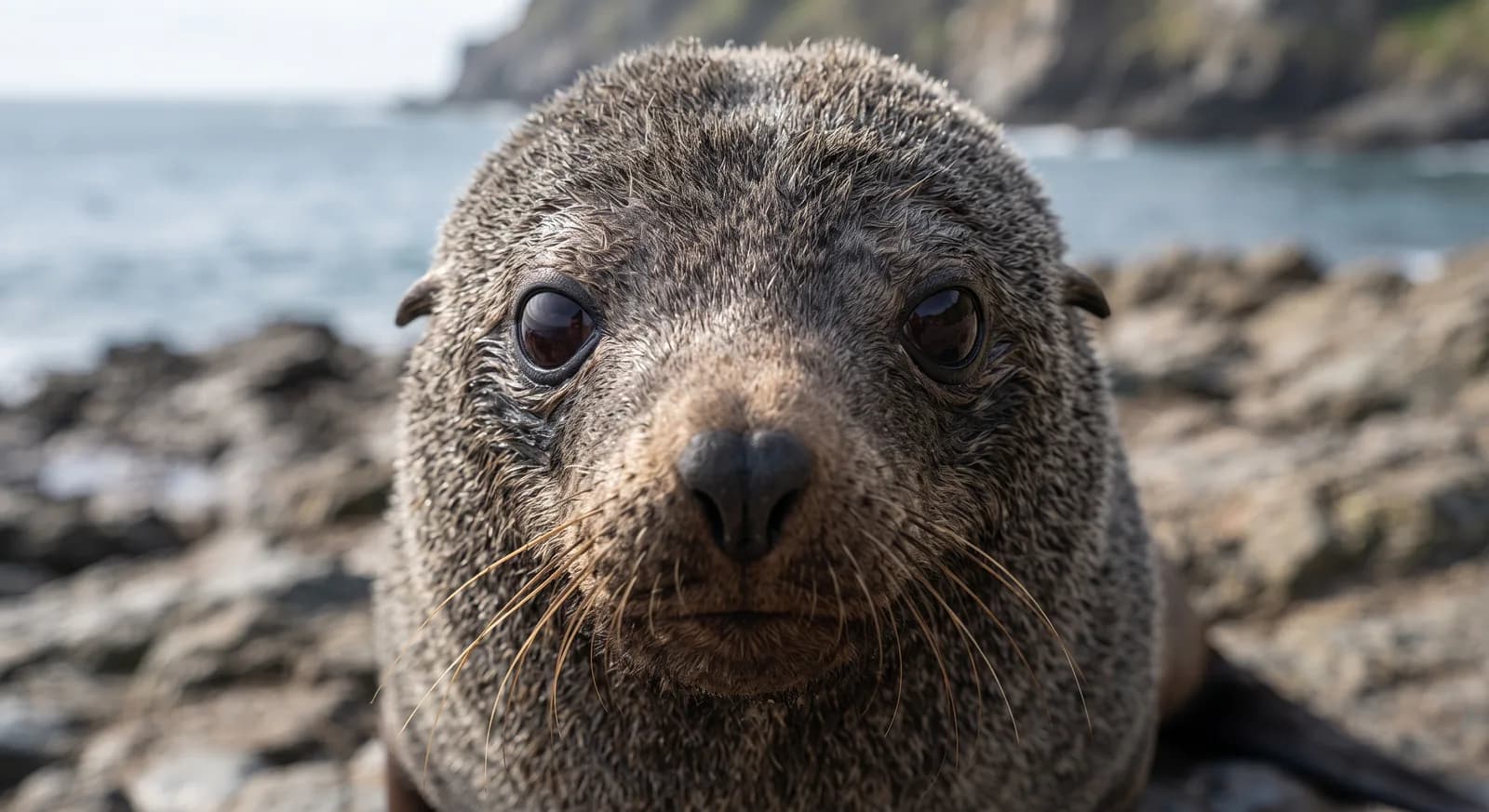
South American Fur SealLeast Concern

South American Fur Seal

Arctocephalus australis

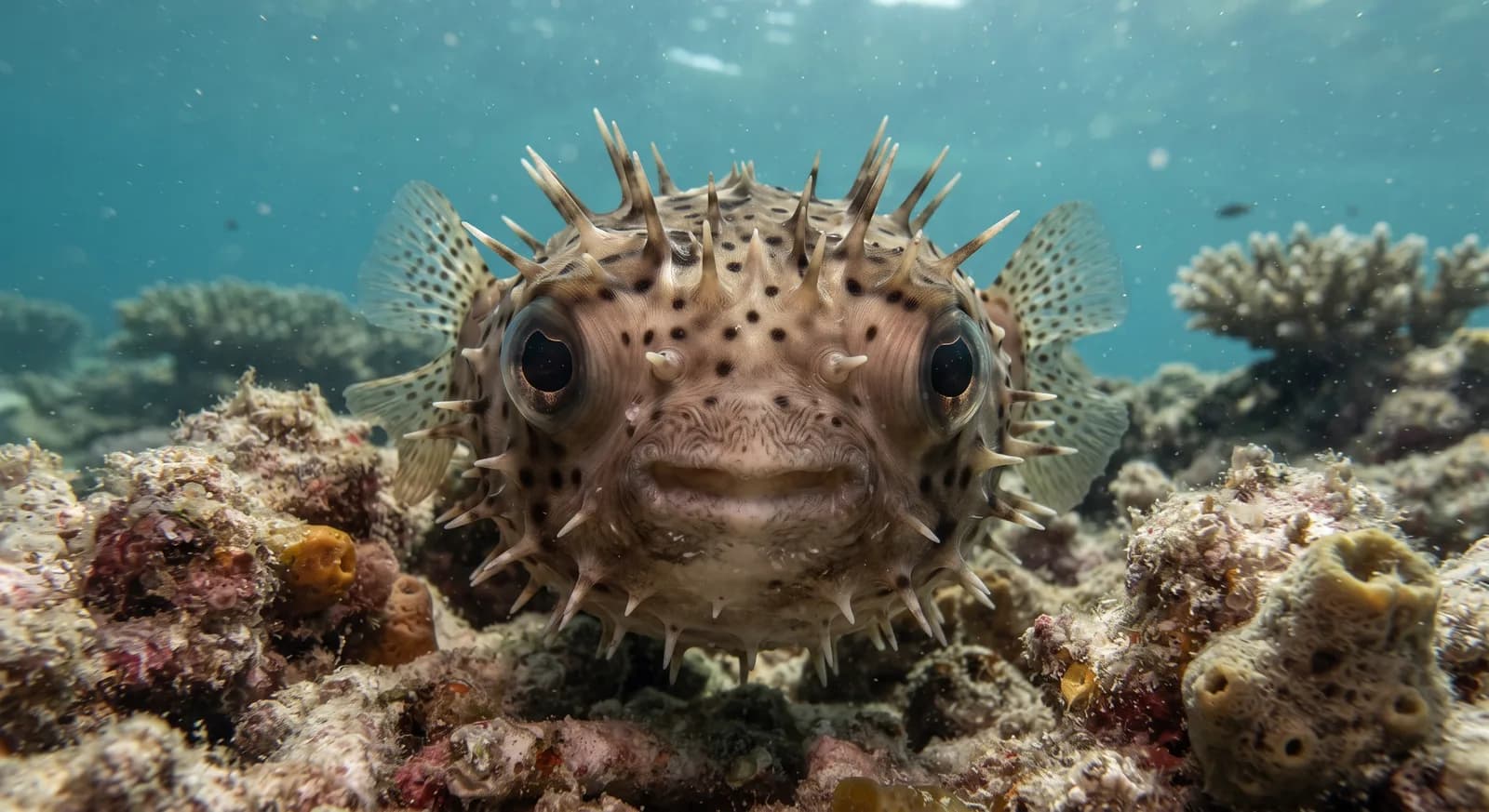
Spot-fin PorcupinefishLeast Concern

Spot-fin Porcupinefish

Diodon hystrix

CountriesBrazil
ParksCampos del TuyuArgentina
TagsCarnivore
Carnivore
Diurnal
Solitary
Vulnerable
Ocean
Mammal
Brazil
Argentina
Uruguay