Skip to content
WAnimals
  • Map
  • Species
  • Parks
  • Diving
Log inCreate account
WAnimals

The guide for travellers and animal lovers: discover, plan and share your wild adventures around the world.

Discover wildlife

  • Species
  • Ecosystems
  • Glossary
  • Tags

Explore places

  • Map
  • Countries
  • Parks
  • Diving

Plan experiences

  • Guides

Learn

  • Blog

Resources

  • About us
  • How we build our profiles
  • Help centre
  • Contact
  • Install the app

Follow us

Account

  • Log in
  • Create account

© 2026 WAnimals. All rights reserved.

Terms of servicePrivacyCookiesLegal notice
MapSpeciesParksDiving
  1. Man-of-war Fish
Man-of-war Fish (Nomeus gronovii)

Bony fish · Perciformes · Nomeidae

Man-of-war Fish

Nomeus gronovii

Least Concern

The species is abundant and widely distributed; it faces no significant short-term risk.

Spotted something wrong?

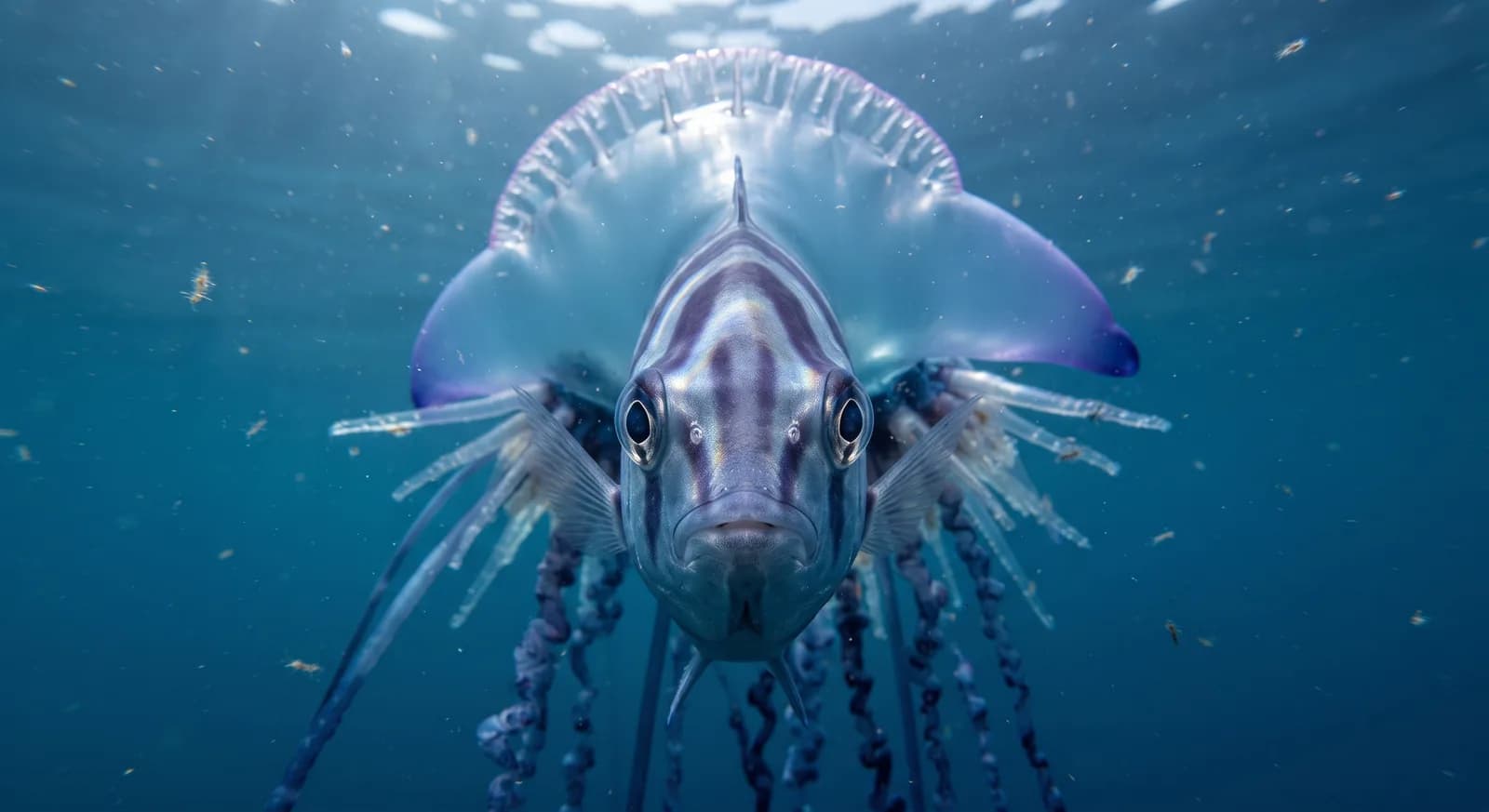
Nomeus gronovii is a fish of the family Nomeidae. It is the only member of the genus Nomeus. It is native to the Atlantic, Pacific and Indian oceans, where the adults are generally found at depths of 200 to 1,000 m. It is notable for its ability to live within the deadly tentacles of a siphonophore, Physalia physalis, on whose tentacles and gonads it feeds. The fish is striped with blackish-blue markings covering its body, and the caudal fin is extremely forked. It can reach a length of 39 cm. It is of minor importance to commercial fisheries. This species is the only known member of its genus. Nomeus gronovii is very scarce in the Caribbean Sea. It is very rare to see one, since it lives very deep in the sea.

Size

15 cm – 39 cm

Diet

Carnivore

Feeds mainly on other animals.
Activity

Diurnal

Active mainly during the day.

Social structure

Solitary

Lives and hunts alone, joining others only to breed.

Ocean
141countries82parks411dive sites

AI-generated images: illustrations, not photographs.

Fun facts

  • It tolerates doses of Portuguese man o' war venom that would be lethal to other fish of its size, though it is not immune: it moves carefully among the tentacles and can die if it becomes entangled.
  • It devours its host's tentacles, so the relationship is more parasitic than symbiotic.
  • The juveniles shelter among the shorter and more dangerous tentacles, and the adults stay beneath the float.
  • It lives among the tentacles of the Portuguese man o' war, and it does not merely shelter there: it eats its tentacles and its gonads.
  • Its resistance to the venom is around ten times greater than that of other fish, and it has at least one antigen against the toxin, but it is not immune: it actively avoids the large tentacles, the dactylozooids.
  • And it does not manage this with mucus, as the clownfish does with its anemone, but by dodging them. It has 41 vertebrae, an extremely high count that gives it extraordinary flexibility, and it swims mostly with its pectoral fins, something typical of fish specialised in manoeuvring in tight spaces.
  • Each man o' war can carry five to ten adults, with numerous juveniles around it.
  • It changes its way of life completely as it grows: the juvenile is pelagic, showy and lives at the surface, while the adult moves to live near the bottom, at great depth, with a far more subdued greyish appearance.

Life cycle and biology

Skeleton type
Vertebrate - internal bony skeleton (fish)
Habitat and environment
Surface waters of the open sea, associated with floating siphonophores

Sources consulted: Wikipedia (es): Nomeus gronovii

Where to find it

Loading map…

Where to see it

Parks and dive sites where this species has been documented — showing 20 of 493.

Related species

Other species in the catalogue with the most in common with Man-of-war Fish — same habitat, park, country, tags or family.

Shares a park
Shares a park
Shares a park
Shares a park
Shares a park
Shares a park

Keep exploring

Based on what we already know about man-of-war fish.

Share an experience, a fun fact or a tip for seeing the man-of-war fish.
Home
Species
See full glossary
This page in other languages: Español · Deutsch · Français · Português · Italiano

The pins mark the parks and dive sites where its presence is documented.

See its range on the interactive map→
Doñana National ParkSpain
KomodoIndonesia
TeideSpain
CalanquesFrance
Cinque TerreItaly
Alonissos and the Northern SporadesGreece
Sian Ka'anMexico
Bacalar ChicoBelize
GuánicaPuerto Rico
JaraguaDominican Republic
Blue Hole DahabEgypt
Ras Mohammed National ParkEgypt
Thistlegorm wreckEgypt
Elphinstone ReefEgypt
Brothers Islands (El Akhawein)Egypt
Sha'ab Rumi (Cousteau)Sudan
Eilat Coral ReserveIsrael
Musandam PeninsulaOman
Daymaniyat IslandsOman
Great Blue HoleBelize
See all 82 parks
See all 411 dive sites
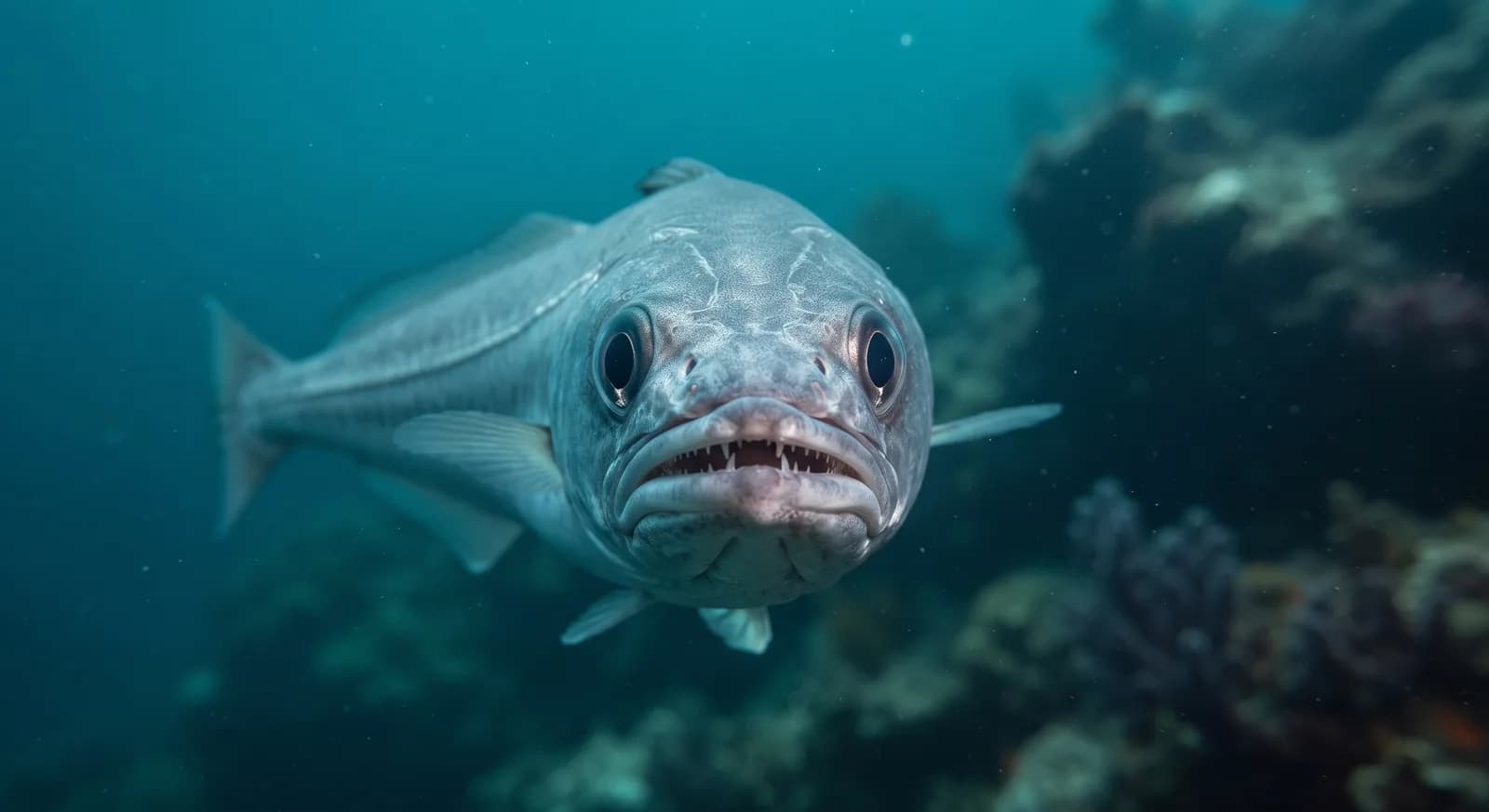
Green MorayLeast Concern

Green Moray

Gymnothorax funebris

Mediterranean MorayLeast Concern

Mediterranean Moray

Muraena helena

European HakeLeast Concern

European Hake

Merluccius merluccius

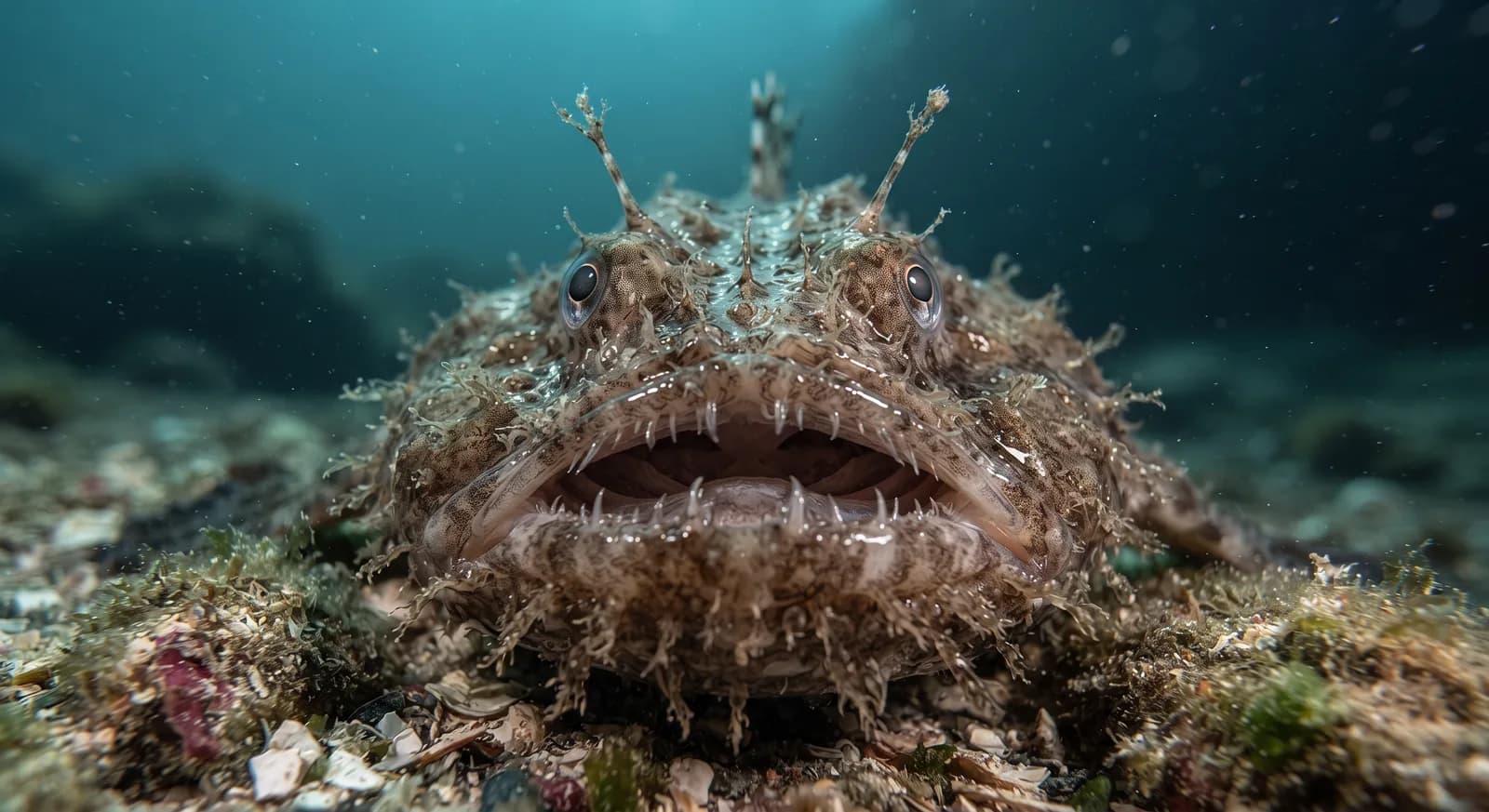
AnglerLeast Concern

Angler

Lophius piscatorius

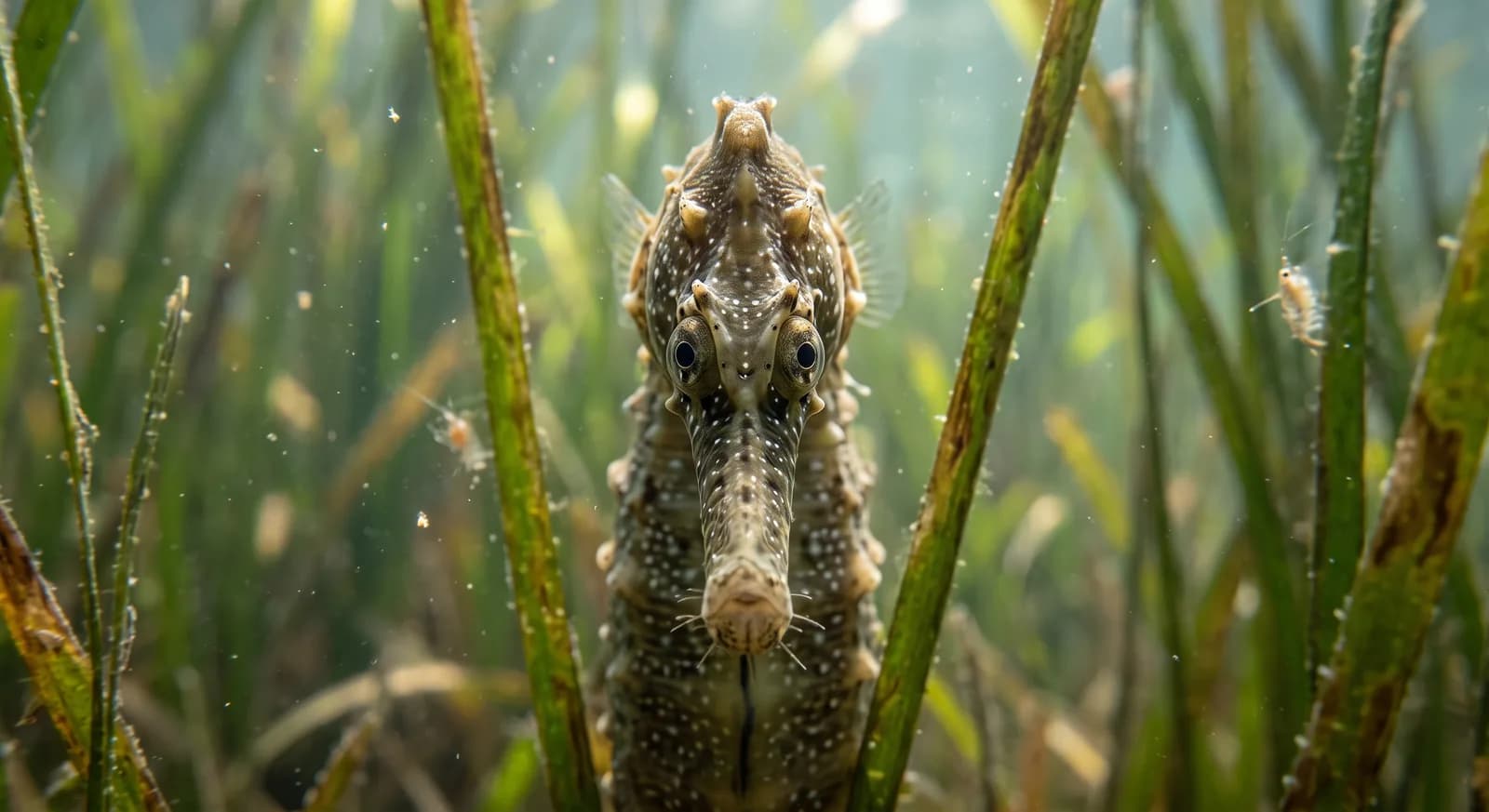
Greater PipefishLeast Concern

Greater Pipefish

Syngnathus acus

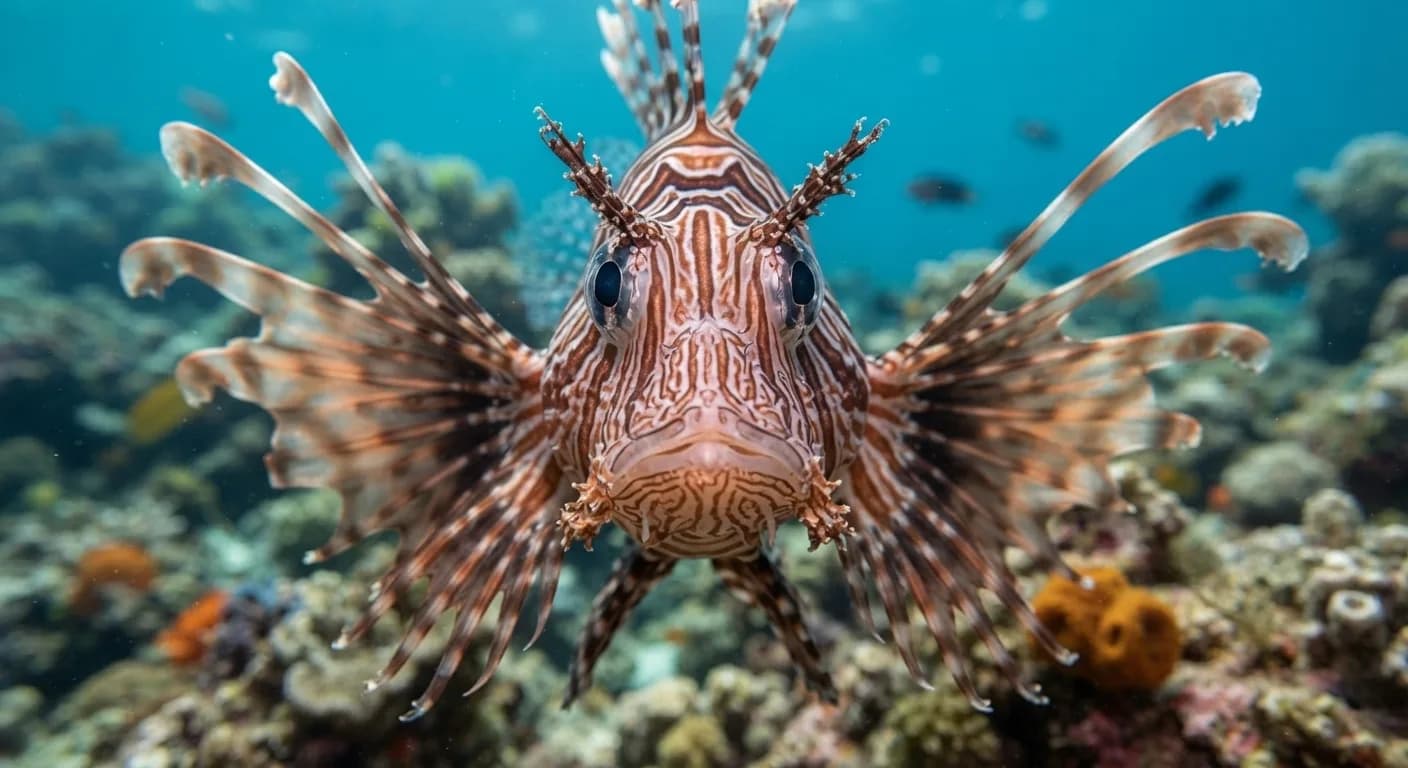
Red LionfishLeast Concern

Red Lionfish

Pterois volitans

CountriesIndonesia
ParksDoñana National ParkSpain
TagsCarnivore
Carnivore
Diurnal
Solitary
Fish
Ocean

Africa39

North America32

Asia29

Oceania20

Europe12

South America9

Indonesia
Egypt
Spain
Philippines
Italy
Australia
Algeria
Angola
Benin
Cabo Verde
Cameroon
Comoros
Côte d’Ivoire
Democratic Republic of the Congo
Djibouti
Egypt
Equatorial Guinea
Eritrea
Gabon
Gambia
Ghana
Guinea
Guinea-Bissau
Kenya
Liberia
Libya
Madagascar
Mauritania
Mauritius
Mayotte
Morocco
Mozambique
Nigeria
Republic of the Congo
Réunion
São Tomé and Príncipe
Senegal
Seychelles
Sierra Leone
Somalia
South Africa
Sudan
Tanzania
Togo
Tunisia
Anguilla
Antigua and Barbuda
Aruba
Bahamas
Barbados
Belize
Bermuda
British Virgin Islands
Cayman Islands
Costa Rica
Cuba
Curaçao
Dominica
Dominican Republic
El Salvador
Grenada
Guadeloupe
Guatemala
Haiti
Honduras
Jamaica
Martinique
Mexico
Nicaragua
Panama
Puerto Rico
Saint Kitts and Nevis
Saint Lucia
Saint Vincent and the Grenadines
Trinidad and Tobago
Turks and Caicos Islands
U.S. Virgin Islands
Bahrain
Bangladesh
Brunei
Cambodia
China
India
Indonesia
Iran
Israel
Kuwait
Lebanon
Malaysia
Maldives
Myanmar
Oman
Pakistan
Philippines
Qatar
Saudi Arabia
Singapore
Sri Lanka
Syria
Taiwan
Thailand
Timor-Leste
Türkiye
United Arab Emirates
Vietnam
Yemen
American Samoa
Australia
Cook Islands
Fiji
French Polynesia
Guam
Kiribati
Marshall Islands
Micronesia
Nauru
New Caledonia
Niue
Northern Mariana Islands
Palau
Papua New Guinea
Samoa
Solomon Islands
Tonga
Tuvalu
Vanuatu
Albania
Bosnia and Herzegovina
Croatia
Cyprus
France
Greece
Italy
Malta
Monaco
Montenegro
Slovenia
Spain
Brazil
Chile
Colombia
Ecuador
French Guiana
Guyana
Peru
Suriname
Venezuela