Skip to content
WAnimals
  • Map
  • Species
  • Parks
  • Diving
Log inCreate account
WAnimals

The guide for travellers and animal lovers: discover, plan and share your wild adventures around the world.

Discover wildlife

  • Species
  • Ecosystems
  • Glossary
  • Tags

Explore places

  • Map
  • Countries
  • Parks
  • Diving

Plan experiences

  • Guides

Learn

  • Blog

Resources

  • About us
  • How we build our profiles
  • Help centre
  • Contact
  • Install the app

Follow us

Account

  • Log in
  • Create account

© 2026 WAnimals. All rights reserved.

Terms of servicePrivacyCookiesLegal notice
MapSpeciesParksDiving
  1. Home
  2. Species
  3. Granary Weevil

One of the 2 weevils on WAnimals

Insects · Coleoptera · Curculionidae

Granary Weevil

Sitophilus granarius

Not Evaluated

It has not yet been assessed against the IUCN criteria.

Spotted something wrong?

Sitophilus granarius, the wheat weevil or granary weevil, is an insect with a worldwide distribution and one of the most destructive pests of cereal grains. It causes losses in stored grain with significant falls in yield. The females lay a large number of eggs and the larvae feed inside the grains. It was known for causing what was called miller's disease.

Size

0.3 cm – 0.5 cm

Life expectancy

1 year

Diet

Herbivore

Feeds mainly on plants.

Social structure

Solitary

Lives and hunts alone, joining others only to breed.

Grassland
2same family

Fun facts

  • It cannot fly: its wings are atrophied and it has entirely lost the ability to disperse on its own, so it travels only with grain moved by people.
  • Its remains have been found in Neolithic and ancient Egyptian granaries: it has accompanied agriculture since its beginnings.
  • An infested grain looks intact from the outside until the adult emerges, which makes detecting the infestation in time enormously difficult.
  • It does not fly: its wing cases are fused and its hindwings reduced. It travels solely with the grain we move.
  • The female bores into the grain, lays a single egg inside and seals the hole with a gelatinous plug that hardens at once. The larva and pupa develop entirely inside the grain.
  • That is why an infestation goes unnoticed until the adults bore their way out through the husk, by which time the damage is done.
  • A single pair can leave up to 6,000 descendants in a year.
  • Its continuous respiration creates hot spots in the silo, raising the temperature and adding moisture, which cakes the grain.

Life cycle and biology

Skeleton type
Invertebrate - chitin exoskeleton (insect)
Habitat and environment
Granaries, silos and cereal stores worldwide
Gestation / incubation
The eggs hatch in 8-11 days at 18-20 °C; the full cycle takes 4 to 6 weeks in summer and up to 17-21 weeks in cold conditions
Litter / clutch size
From 150 to 300 eggs, one per grain

Sources consulted: Wikipedia (es): Sitophilus granarius · Bayer Crop Science, ficha Grain weevil · ScienceDirect, Sitophilus granarius · Lucid Keys / EAfrinet, ficha Sitophilus granarius

Related species

Other species in the catalogue with the most in common with Granary Weevil — same habitat, park, country, tags or family.

Same taxonomic family
Related to
Related to
Related to
Related to

Keep exploring

Based on what we already know about granary weevil.
Share an experience, a fun fact or a tip for seeing the granary weevil.
See full glossary
This page in other languages: Español · Deutsch · Français · Português · Italiano
Not Evaluated

Boll Weevil

Anthonomus grandis

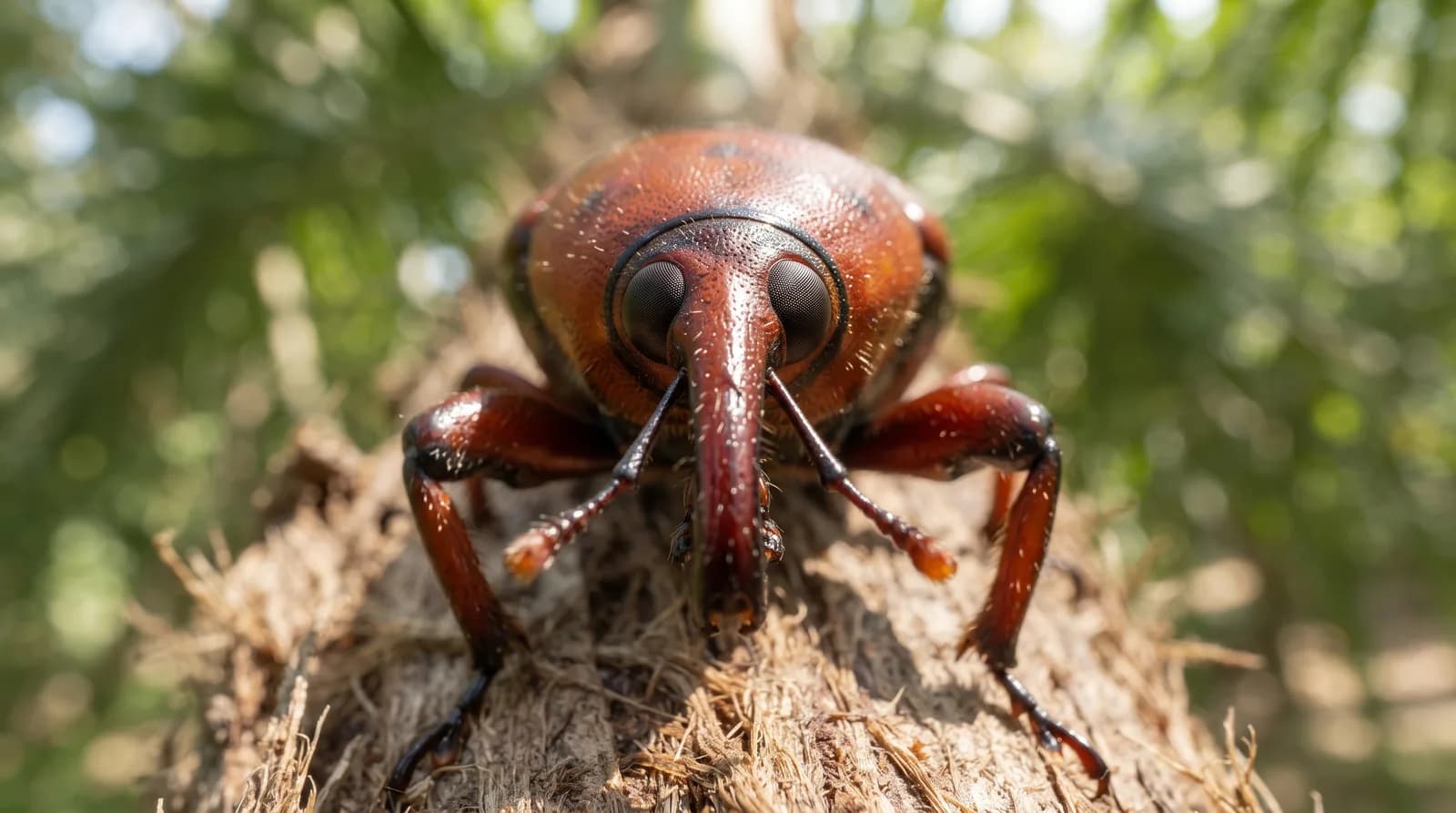
Red Palm WeevilNot Evaluated

Red Palm Weevil

Rhynchophorus ferrugineus

SwallowtailLeast Concern

Swallowtail

Papilio machaon

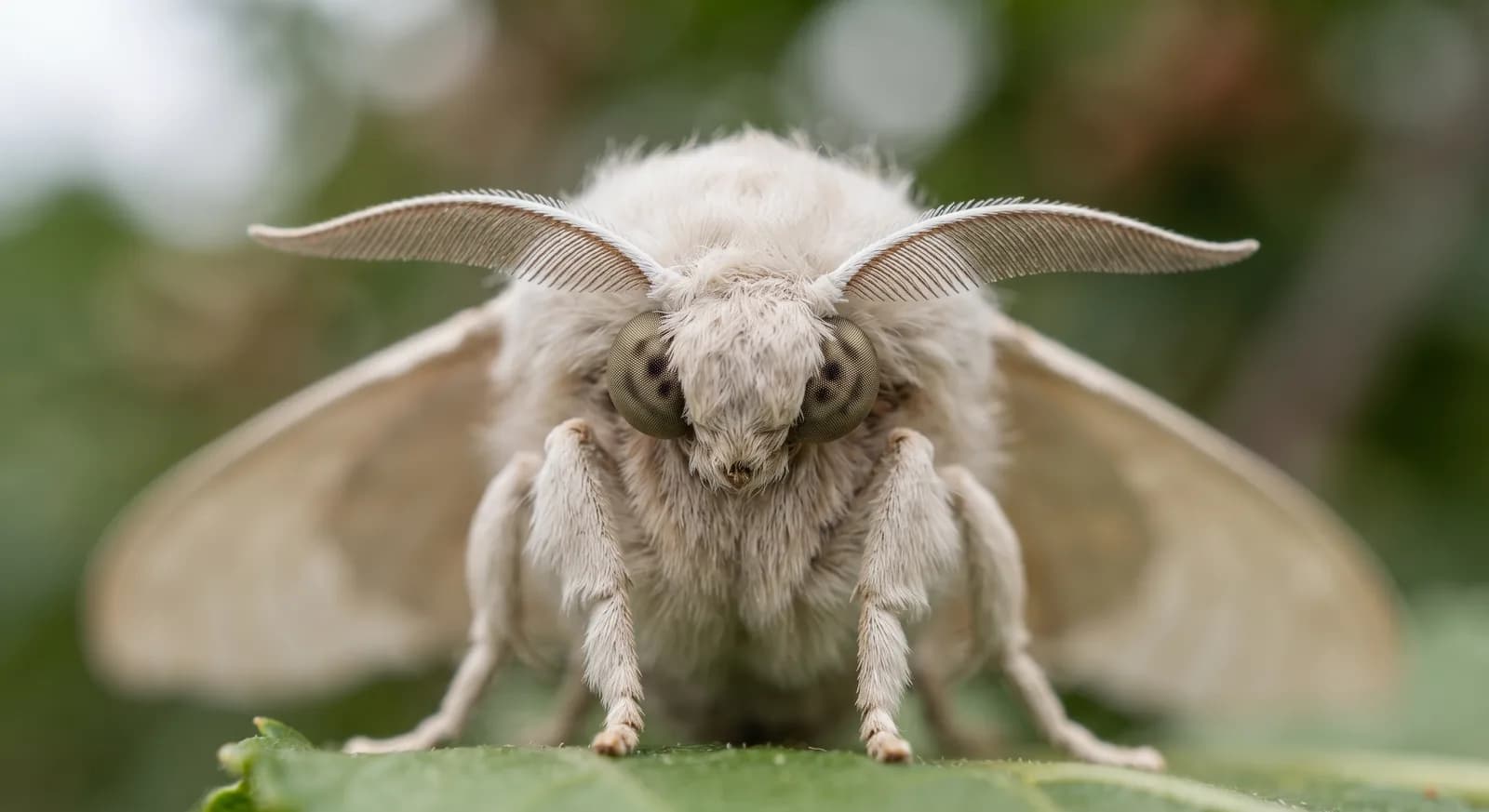
SilkwormNot Evaluated

Silkworm

Bombyx mori

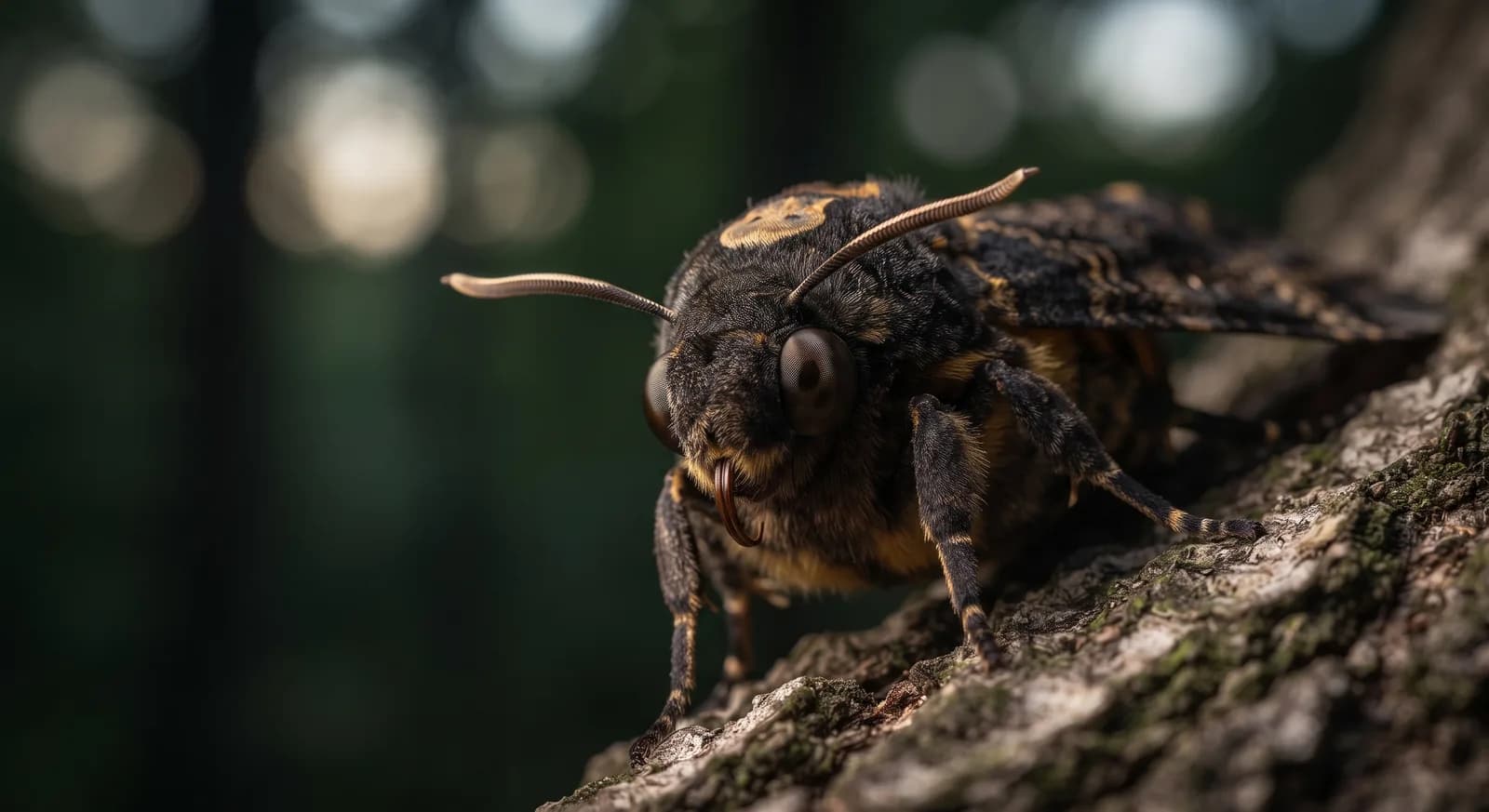
Death's-head Hawk-mothNot Evaluated

Death's-head Hawk-moth

Acherontia atropos

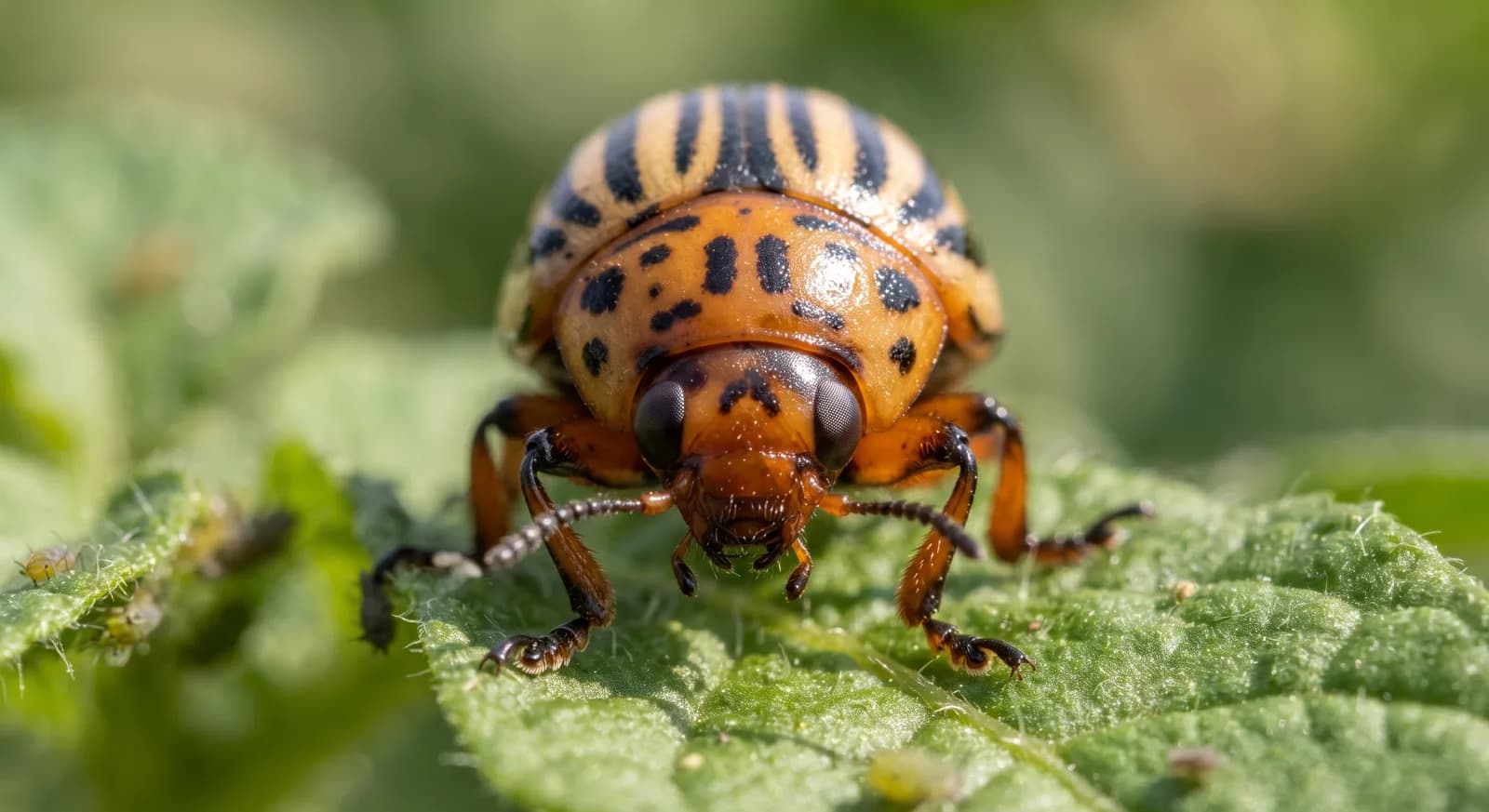
Colorado BeetleNot Evaluated

Colorado Beetle

Leptinotarsa decemlineata

TagsHerbivore
Herbivore
Solitary
Insect
Grassland