Skip to content
WAnimals
  • Map
  • Species
  • Parks
  • Diving
Log inCreate account
WAnimals

The guide for travellers and animal lovers: discover, plan and share your wild adventures around the world.

Discover wildlife

  • Species
  • Ecosystems
  • Glossary
  • Tags

Explore places

  • Map
  • Countries
  • Parks
  • Diving

Plan experiences

  • Guides

Learn

  • Blog

Resources

  • Help centre
  • Contact
  • Install the app

Follow us

Account

  • Log in
  • Create account

© 2026 WAnimals. All rights reserved.

About usHow we build our profilesTerms of servicePrivacyLegal notice
MapSpeciesParksDiving
  1. Home
  2. Species
  3. Hog-nosed Bat

One of the 29 bats on WAnimals

Mammals · Chiroptera · Craseonycteridae

Hog-nosed Bat

Craseonycteris thonglongyai

Near Threatened

It could become threatened in the near future if current threats go unchecked.

Spotted something wrong?

Kitti's hog-nosed bat, also called the bumblebee bat, is one of the smallest mammals in the world: it weighs around two grams and measures some three centimetres. It owes its name to a flattened muzzle with nostrils shaped like a pig's snout. It lives in colonies inside limestone caves and comes out to hunt insects for very short spells, at dusk and at dawn. Its range is tiny and highly fragmented, tied to a handful of karst systems.

Weight

2 g – 2 g

Size

2.9 cm – 3.3 cm

Diet

Insectivore

Feeds mainly on insects and other invertebrates.

Activity

Crepuscular

Active mainly at dawn and dusk.

Social structure

Colony

Lives in large concentrations, often for breeding reasons.

Sighting difficulty

Moderate

Temperate forestFreshwater
2countries

Fun facts

  • GeneralIt is the smallest mammal in the world: 2 grams and a 3 cm body.
  • récordIt is the smallest mammal in the world by body length, at barely 29-33 millimetres and some 2 grams, discovered in caves in Thailand in 1973.
  • It competes with the Etruscan shrew for the title of smallest mammal on the planet: it wins on length, but weighs about the same, some two grams.
  • It was discovered in 1973 by the Thai biologist Kitti Thonglongya, who died before he could describe it; his colleagues published the species and named it after him.

Life cycle and biology

Skeleton type
Vertebrate - internal bony skeleton (mammal)
Habitat and environment
Limestone caves near deciduous forest and bamboo in Thailand and Myanmar
Litter / clutch size
1

Sources consulted: https://www.iucnredlist.org/ | https://animaldiversity.org/ | https://es.wikipedia.org/

Where to find it

Best time: All year round in western Thailand and south-eastern Myanmar, at dusk, near limestone caves; it comes out to hunt for only about thirty minutes at dawn and dusk.

Loading map…

Related species

Other species in the catalogue with the most in common with Hog-nosed Bat — same habitat, park, country, tags or family.

Related to
Related to
Related to
Related to
Related to
Related to

Keep exploring

Based on what we already know about hog-nosed bat.

Comments

Share an experience, a fun fact or a tip for seeing the hog-nosed bat.

Be the first to comment.
See full glossary
This page in other languages: Español · Deutsch · Français · Português · Italiano
See its range on the interactive map→
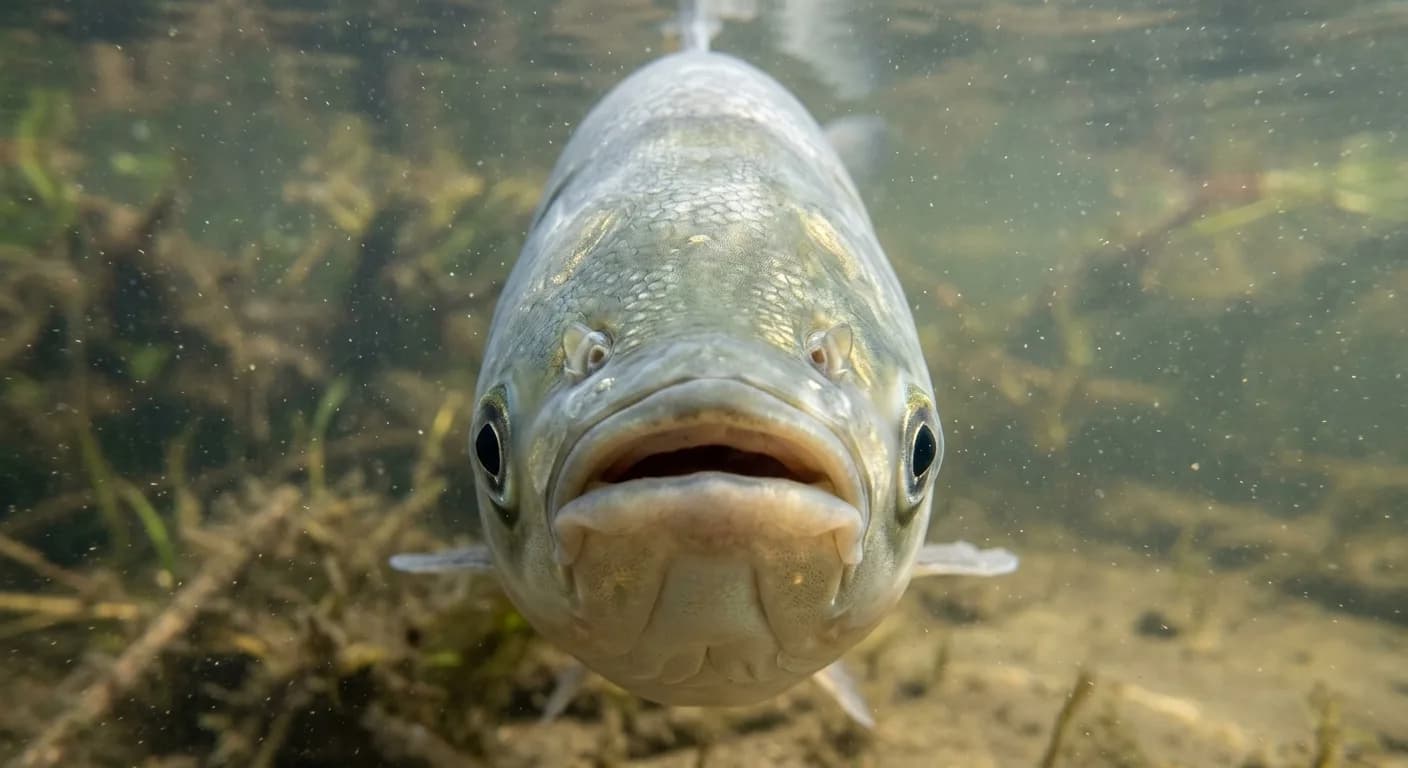
Silver CarpNear Threatened

Silver Carp

Hypophthalmichthys molitrix

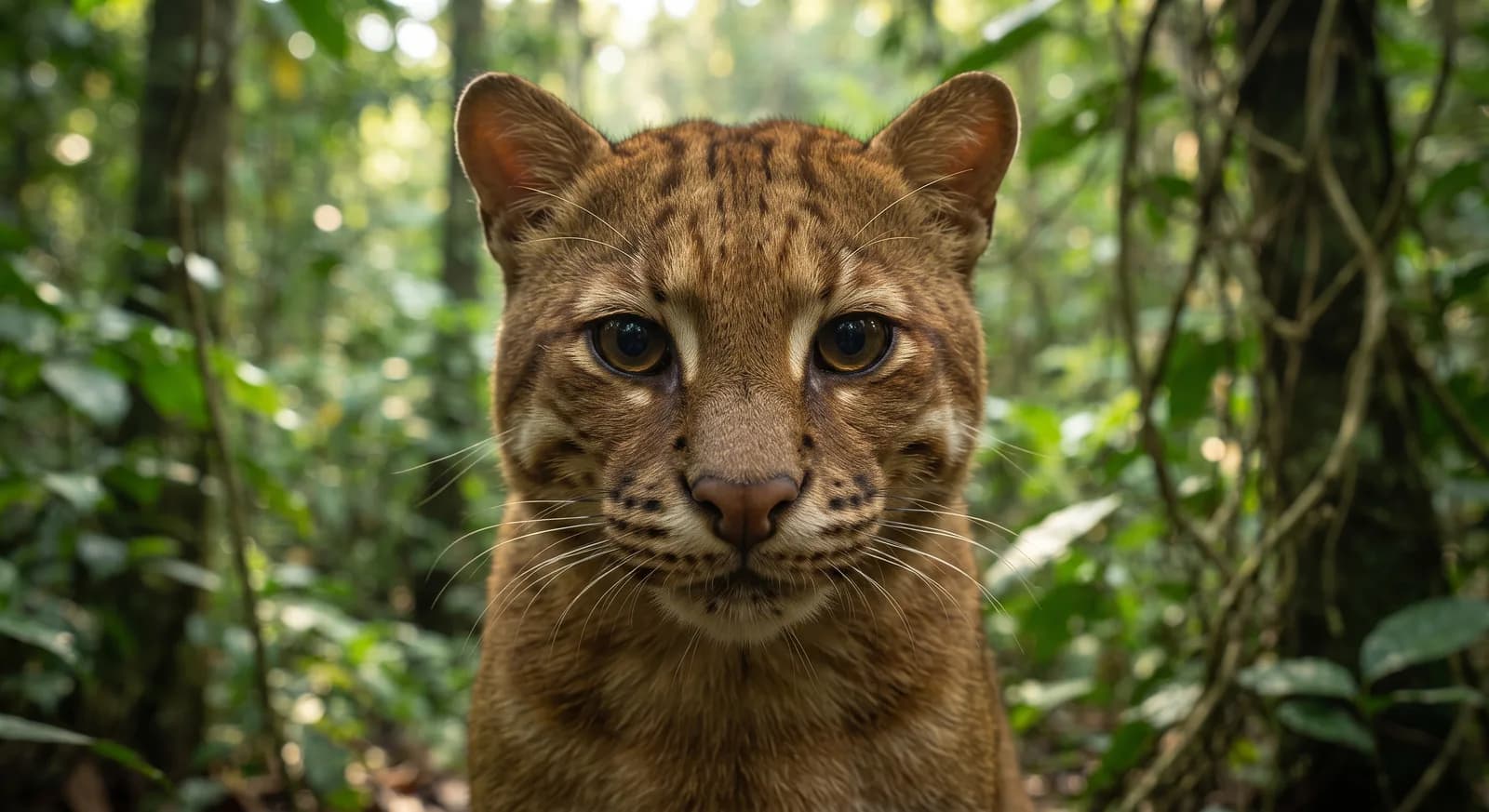
Asian Golden CatNear Threatened

Asian Golden Cat

Catopuma temminckii

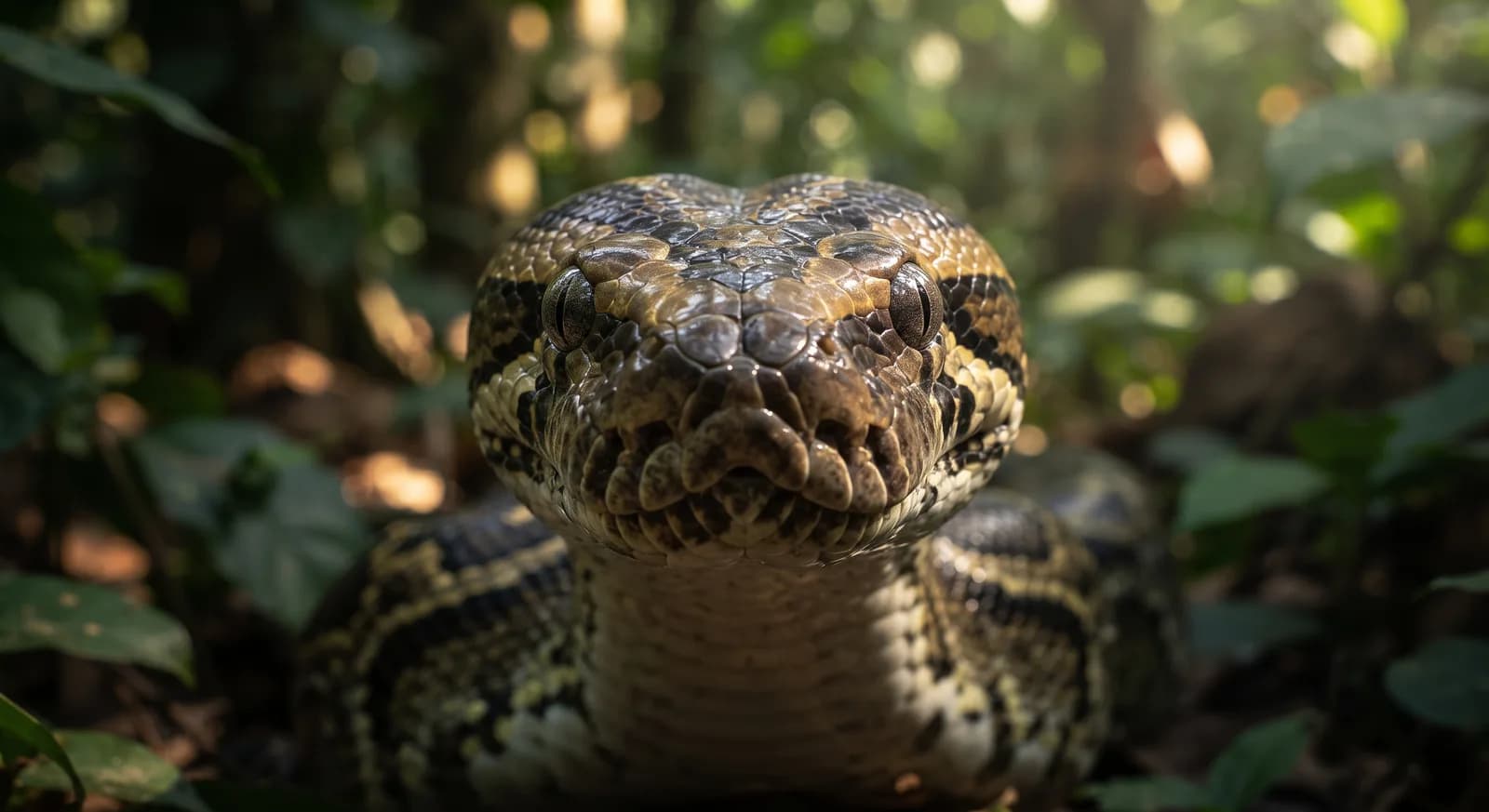
Indian Rock PythonNear Threatened

Indian Rock Python

Python molurus

Near Threatened

Rusty-Spotted Cat

Prionailurus rubiginosus

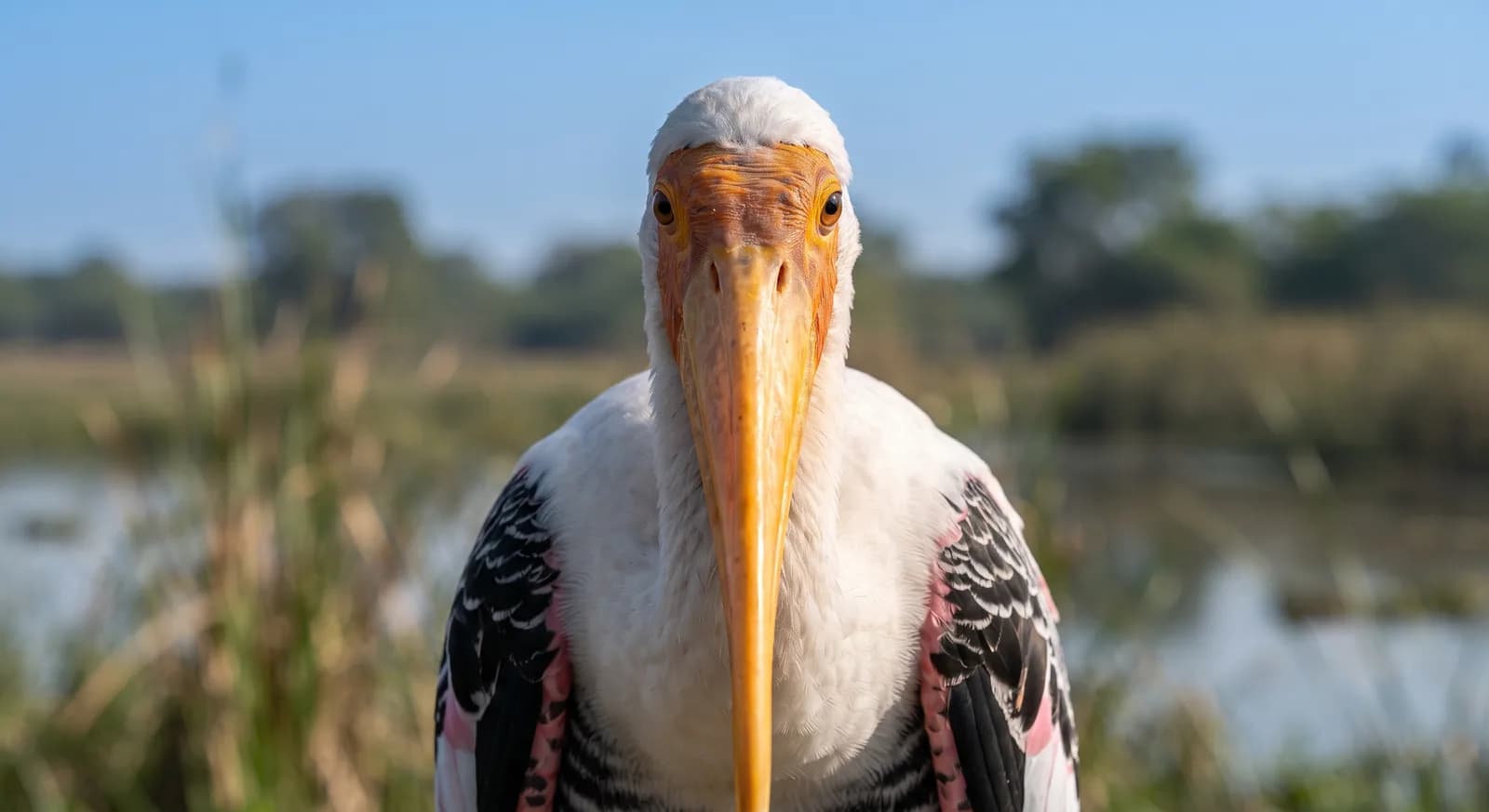
Painted StorkNear Threatened

Painted Stork

Mycteria leucocephala

Assamese MacaqueNear Threatened

Assamese Macaque

Macaca assamensis

CountriesMyanmar
TagsInsectivore
Insectivore
Crepuscular
Colonial
Near Threatened
Temperate forest
Freshwater
Mammal
Myanmar
Thailand