Skip to content
WAnimals
  • Map
  • Species
  • Parks
  • Diving
Log inCreate account
WAnimals

The guide for travellers and animal lovers: discover, plan and share your wild adventures around the world.

Discover wildlife

  • Species
  • Ecosystems
  • Glossary
  • Tags

Explore places

  • Map
  • Countries
  • Parks
  • Diving

Plan experiences

  • Guides

Learn

  • Blog

Resources

  • Help centre
  • Contact
  • Install the app

Follow us

Account

  • Log in
  • Create account

© 2026 WAnimals. All rights reserved.

About usHow we build our profilesTerms of servicePrivacyLegal notice
MapSpeciesParksDiving
  1. Home
  2. Species
  3. Olympic Marmot

One of the 8 marmots on WAnimals

Mammals · Rodentia · Sciuridae

Olympic Marmot

Marmota olympus

Least Concern

The species is abundant and widely distributed; it faces no significant short-term risk.

Spotted something wrong?

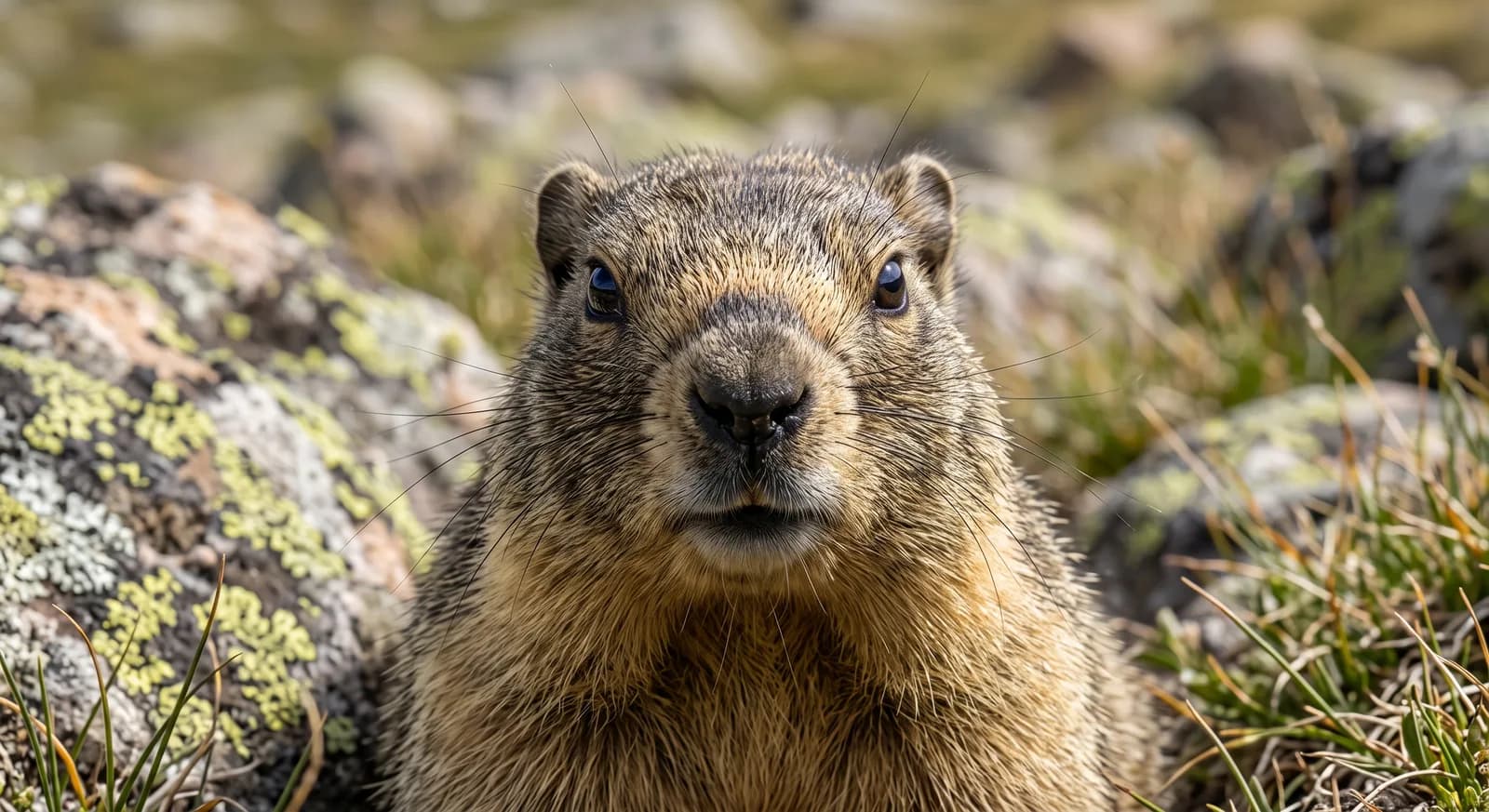
The Olympic marmot is endemic to the high meadows of the Olympic Peninsula, in the north-western United States, and practically its whole population lives inside a single national park. It is one of the most social marmots: the colonies are family groups whose members greet one another by touching noses and play often. It hibernates for more than seven months a year in sealed burrows. Its populations have declined in recent decades, partly through predation by coyotes that have colonised the peninsula.

Weight

3 kg – 11 kg

Size

54 cm – 75 cm

Life expectancy

15 years

Diet

Herbivore

Feeds mainly on plants.

Activity

Diurnal

Active mainly during the day.

Social structure

Colony

Lives in large concentrations, often for breeding reasons.

Sighting difficulty

Easy

MountainGrassland
2countries1parks22same family

Fun facts

  • It is one of the few mammals endemic to a single US state, and practically its whole population lives inside Olympic National Park.
  • It hibernates for more than seven months a year: it emerges in May and returns to the burrow in September, so it spends two thirds of its life asleep underground.

Life cycle and biology

Skeleton type
Vertebrate - internal bony skeleton (mammal)
Habitat and environment
Subalpine and alpine meadows of the Olympic Peninsula, in Washington State
Sexual maturity
3 years
Gestation / incubation
30 days
Litter / clutch size
4

Sources consulted: https://es.wikipedia.org/wiki/Marmota_olympus

Where to find it

Loading map…

The pins mark the parks where its presence is documented.

Where to see it

Parks and dive sites where this species has been documented.

Related species

Other species in the catalogue with the most in common with Olympic Marmot — same habitat, park, country, tags or family.

Same taxonomic family
Shares a park

Keep exploring

Based on what we already know about olympic marmot.

Comments

Share an experience, a fun fact or a tip for seeing the olympic marmot.

Be the first to comment.

See full glossary
This page in other languages: Español · Deutsch · Français · Português · Italiano
See its range on the interactive map→
OlympicUnited States
Least Concern

Woodchuck

Marmota monax

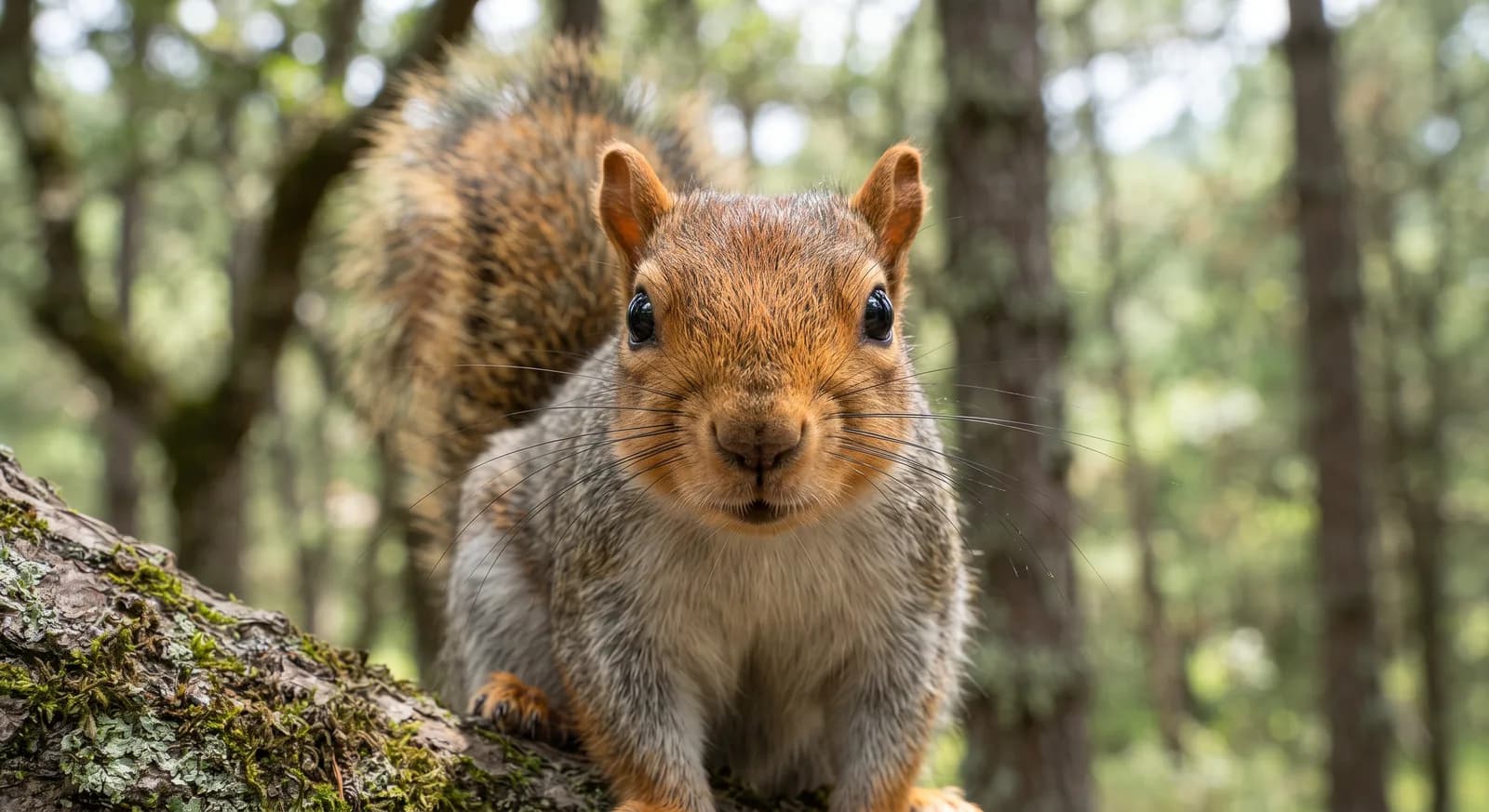
Red-bellied SquirrelLeast Concern

Red-bellied Squirrel

Sciurus aureogaster

Hoary MarmotLeast Concern

Hoary Marmot

Marmota caligata

Black-tailed Prairie DogLeast Concern

Black-tailed Prairie Dog

Cynomys ludovicianus

Yellow-bellied MarmotLeast Concern

Yellow-bellied Marmot

Marmota flaviventris

Least Concern

Mountain Goat

Oreamnos americanus

CountriesUnited States
ParksOlympicUnited States
TagsHerbivore
Herbivore
Diurnal
Colonial
Mountain
Grassland
Mammal
United States
Canada