Skip to content
WAnimals
  • Map
  • Species
  • Parks
  • Diving
Log inCreate account
WAnimals

The guide for travellers and animal lovers: discover, plan and share your wild adventures around the world.

Discover wildlife

  • Species
  • Ecosystems
  • Glossary
  • Tags

Explore places

  • Map
  • Countries
  • Parks
  • Diving

Plan experiences

  • Guides

Learn

  • Blog

Resources

  • Help centre
  • Contact
  • Install the app

Follow us

Account

  • Log in
  • Create account

© 2026 WAnimals. All rights reserved.

About usHow we build our profilesTerms of servicePrivacyLegal notice
MapSpeciesParksDiving
  1. Home
  2. Species
  3. Scottish Crossbill

One of the 2 crossbills on WAnimals

Birds · Passeriformes · Fringillidae

Scottish Crossbill

Loxia scotica

Least Concern

The species is abundant and widely distributed; it faces no significant short-term risk.

Spotted something wrong?

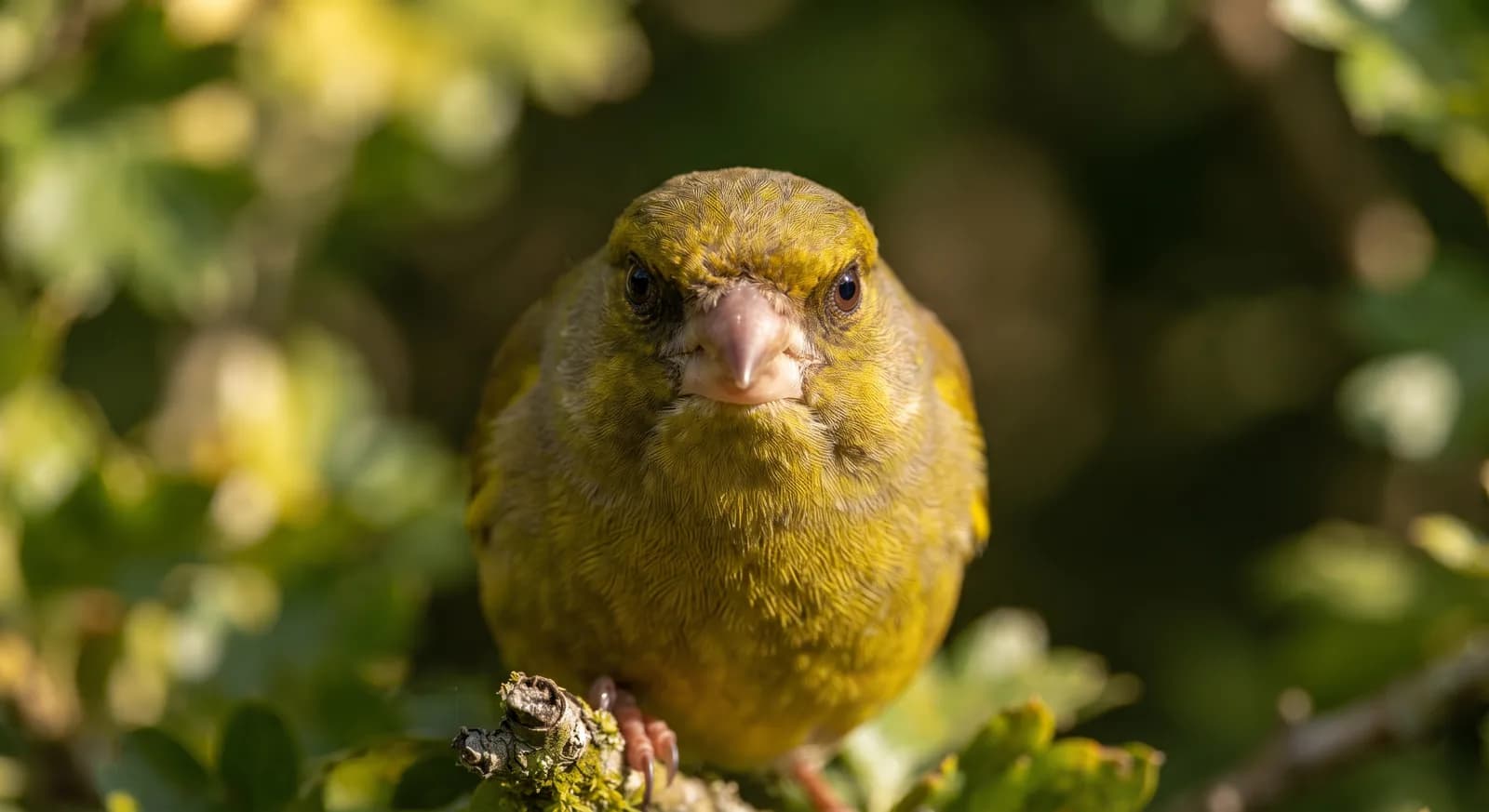
A small finch with mandibles crossed at the tip, an adaptation for prising seeds out of conifer cones. It is practically indistinguishable by eye from the common crossbill and the parrot crossbill, with which it shares the same woods; its recognition as a species in its own right was based on its song.

Weight

43 g on average

Life expectancy

3 years

Diet

Herbivore

Feeds mainly on plants.

Activity

Diurnal

Active mainly during the day.

Sighting difficulty

Easy

Estimated population

4,100-11,400 breeding pairs, all in the United Kingdom

Temperate forest
1countries2parks13same family

Fun facts

  • It is the only bird species endemic to the United Kingdom.
  • Its status as a species in its own right was confirmed in August 2006 on the basis of its distinctive song: it is one of very few cases in which voice has been the decisive argument for separating a species.
  • The Scottish Gaelic name for the crossbill is Cam-ghob, which means "crooked bill".
  • It is the only bird species endemic to Great Britain and the only land vertebrate found nowhere else in the United Kingdom. Its status as a species in its own right was confirmed in 2006 on the basis of its distinctive call.

Life cycle and biology

Skeleton type
Vertebrate - internal bony skeleton (bird)
Habitat and environment
Endemic to the Caledonian forests of Scotland, where it occupies the conifer stands. The first global estimate of its population was made over 3,506 km² of conifer forest in northern Scotland
Size at birth
An altricial chick with down, which leaves the nest at 20-22 days; its bill does not cross until about ten days later, so it goes on depending on its parents
Sexual maturity
1 year
Gestation / incubation
12-14 days of incubation, by the female alone, fed by the male
Litter / clutch size
3-4 eggs, with recorded clutches of 2 to 6; the size depends on the pine cone crop

Sources consulted: IUCN Red List; EUNIS - Agencia Europea de Medio Ambiente; Informe Art. 12 de la Directiva Aves; Summers y Buckland 2010, Bird Conservation International (Cambridge University Press); British Ornithologists Union; Hartert 1904

Where to find it

Best time: All year round in the Caledonian forests of Scotland

Loading map…

The pins mark the parks where its presence is documented.

Where to see it

Parks and dive sites where this species has been documented.

Related species

Other species in the catalogue with the most in common with Scottish Crossbill — same habitat, park, country, tags or family.

Same taxonomic family

Keep exploring

Based on what we already know about scottish crossbill.

Comments

Share an experience, a fun fact or a tip for seeing the scottish crossbill.

Be the first to comment.

See full glossary
This page in other languages: Español · Deutsch · Français · Português · Italiano
See its range on the interactive map→
CairngormsUnited Kingdom
Loch Lomond and The TrossachsUnited Kingdom
Least Concern

Eurasian Siskin

Spinus spinus

European GreenfinchLeast Concern

European Greenfinch

Chloris chloris

Least Concern

Common Chaffinch

Fringilla coelebs

Least Concern

Eurasian Bullfinch

Pyrrhula pyrrhula

Least Concern

European Goldfinch

Carduelis carduelis

Least Concern

Red Crossbill

Loxia curvirostra

CountriesUnited Kingdom
ParksCairngormsUnited Kingdom
TagsHerbivore
Herbivore
Diurnal
Bird
Temperate forest
United Kingdom