Skip to content
WAnimals
  • Map
  • Species
  • Parks
  • Diving
Log inCreate account
WAnimals

The guide for travellers and animal lovers: discover, plan and share your wild adventures around the world.

Discover wildlife

  • Species
  • Ecosystems
  • Glossary
  • Tags

Explore places

  • Map
  • Countries
  • Parks
  • Diving

Plan experiences

  • Guides

Learn

  • Blog

Resources

  • Help centre
  • Contact
  • Install the app

Follow us

Account

  • Log in
  • Create account

© 2026 WAnimals. All rights reserved.

About usHow we build our profilesTerms of servicePrivacyLegal notice
MapSpeciesParksDiving
  1. Home
  2. Species
  3. Eurasian Siskin

Birds · Passeriformes · Fringillidae

Eurasian Siskin

Spinus spinus

Least Concern

The species is abundant and widely distributed; it faces no significant short-term risk.

Spotted something wrong?

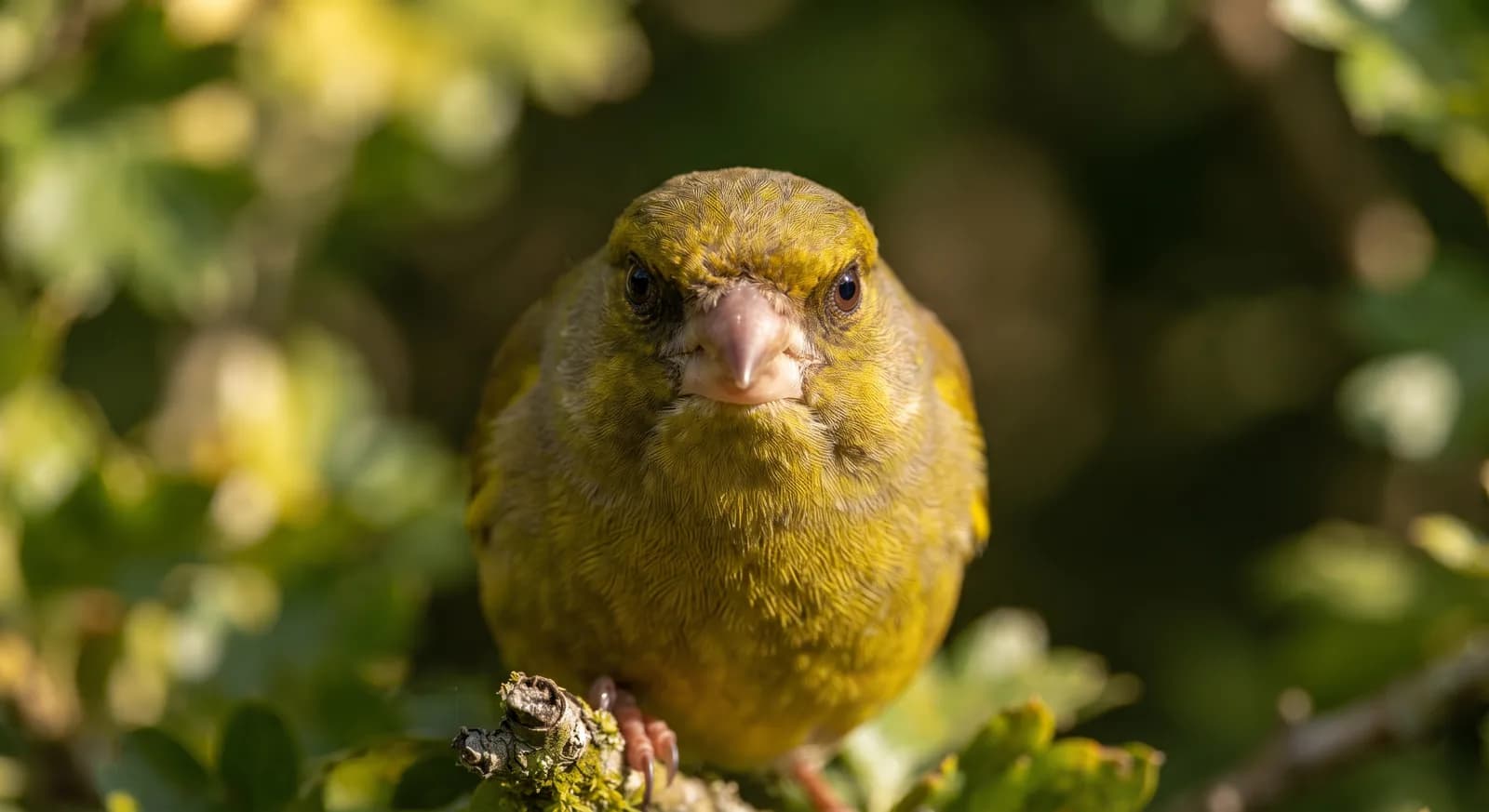
A small finch with heavily streaked yellowish-green plumage, two conspicuous yellow wing bars and a fine conical bill. The male wears a black crown and bib; the female is duller and lacks them. It moves about in flocks, often hanging upside down from slender twigs.

Weight

13 g on average

Size

11 cm – 13 cm

Life expectancy

4 years

Diet

Herbivore

Feeds mainly on plants.

Activity

Diurnal

Active mainly during the day.

Sighting difficulty

Easy

Estimated population

Between 13.7 and 25.8 million mature individuals in Europe, with a stable trend

Temperate forestMountain
45countries226parks13same family

Fun facts

  • If the conifer seed crop is generous it may start laying in late winter; if it is poor, it delays laying until May and produces a single brood.
  • The chicks are fed by the male alone for the first seven days, and by both parents the following week.
  • Its resident populations in Spain are very small: it is essentially a winter visitor, with irregular irruptions from year to year.

Life cycle and biology

Skeleton type
Vertebrate - internal bony skeleton (bird)
Habitat and environment
As a breeder, mountain woodland, above all conifers. In winter it moves in flocks through alder groves and other riverside woodland, and mixes with other finches across farmland, stubble and open country
Sexual maturity
12 months
Gestation / incubation
11 - 14 days
Litter / clutch size
3-5 very pale blue eggs with ochre, pink, reddish or purple spots, in a cup-shaped nest of lichen, moss and wool placed high in conifer branches. It may have two broods

Sources consulted: SEO/BirdLife (ficha jilguero lúgano y III Atlas); IUCN Red List; Asturnatura

Where to find it

Best time: From October to March, when the wintering contingents arrive; in some winters with very large irruptions

Loading map…

Where to see it

Parks and dive sites where this species has been documented — showing 10 of 226.

Related species

Other species in the catalogue with the most in common with Eurasian Siskin — same habitat, park, country, tags or family.

Same taxonomic family

Keep exploring

Based on what we already know about eurasian siskin.

Comments

Share an experience, a fun fact or a tip for seeing the eurasian siskin.

Be the first to comment.

See full glossary
This page in other languages: Español · Deutsch · Français · Português · Italiano

The pins mark the parks where its presence is documented.

See its range on the interactive map→
Doñana National ParkSpain
SarekSweden
PadjelantaSweden
JotunheimenNorway
HardangerviddaNorway
Pallas-YllastunturiFinland
Urho KekkonenFinland
Lake DistrictUnited Kingdom
CairngormsUnited Kingdom
Snowdonia (Eryri)United Kingdom
See all 226 parks
Least Concern

Scottish Crossbill

Loxia scotica

European GreenfinchLeast Concern

European Greenfinch

Chloris chloris

Least Concern

Common Chaffinch

Fringilla coelebs

Least Concern

Eurasian Bullfinch

Pyrrhula pyrrhula

Least Concern

European Goldfinch

Carduelis carduelis

Least Concern

European Serin

Serinus serinus

CountriesSpain
ParksDoñana National ParkSpain
TagsHerbivore
Herbivore
Diurnal
Bird
Temperate forest
Mountain

Europe40

Asia5

Spain
Poland
Finland
Sweden
United Kingdom
Norway
Albania
Andorra
Austria
Belarus
Belgium
Bosnia and Herzegovina
Bulgaria
Croatia
Czechia
Denmark
Estonia
Finland
France
Germany
Greece
Hungary
Ireland
Italy
Kosovo
Latvia
Liechtenstein
Lithuania
Luxembourg
Moldova
Montenegro
Netherlands
North Macedonia
Norway
Poland
Portugal
Romania
San Marino
Serbia
Slovakia
Slovenia
Spain
Sweden
Switzerland
Ukraine
United Kingdom
Armenia
Azerbaijan
Georgia
Russia
Türkiye