Skip to content
WAnimals
  • Map
  • Species
  • Parks
  • Diving
Log inCreate account
WAnimals

The guide for travellers and animal lovers: discover, plan and share your wild adventures around the world.

Discover wildlife

  • Species
  • Ecosystems
  • Glossary
  • Tags

Explore places

  • Map
  • Countries
  • Parks
  • Diving

Plan experiences

  • Guides

Learn

  • Blog

Resources

  • Help centre
  • Contact
  • Install the app

Follow us

Account

  • Log in
  • Create account

© 2026 WAnimals. All rights reserved.

About usHow we build our profilesTerms of servicePrivacyLegal notice
MapSpeciesParksDiving
  1. Home
  2. Species
  3. Spotted Wobbegong

One of the 26 sharks on WAnimals

Cartilaginous fish · Orectolobiformes · Orectolobidae

Spotted Wobbegong

Orectolobus maculatus

Least Concern

The species is abundant and widely distributed; it faces no significant short-term risk.

Spotted something wrong?

The spotted wobbegong is a completely flattened bottom-dwelling shark, with a marbled pattern and branched fleshy fringes around the mouth that mimic seaweed. It lies motionless on the bottom, indistinguishable from the substrate, and sucks in the fish that come close to the fringes, taking them for vegetation.

Weight

10 kg – 40 kg

Size

1 m – 3.2 m

Life expectancy

30 years

Diet

Carnivore

Feeds mainly on other animals.

Activity

Nocturnal

Active mainly at night.

Social structure

Solitary

Lives and hunts alone, joining others only to breed.

Sighting difficulty

Easy

Ocean
1countries11parks10dive sites

Fun facts

  • Its branched fringes around the mouth mimic seaweed and act as a lure: fish come in to pick among them and the shark sucks them in without needing to move.
  • Its camouflage is so good that divers tread on it without seeing it, and practically every recorded bite is down to that: it is a placid animal reacting to being stood on.
  • It can swallow prey of disproportionately large size: wobbegongs have been documented downing other sharks almost as large as themselves.

Life cycle and biology

Skeleton type
Vertebrate - cartilaginous skeleton (fish)
Habitat and environment
Rocky bottoms, reefs and weed beds of southern Australia, down to 100 metres
Sexual maturity
5 years
Gestation / incubation
12 months of gestation
Litter / clutch size
30 live young

Sources consulted: https://www.iucnredlist.org/ | https://animaldiversity.org/ | https://es.wikipedia.org/

Where to find it

Loading map…

The pins mark the parks and dive sites where its presence is documented.

Where to see it

Parks and dive sites where this species has been documented — showing 20 of 21.

Related species

Other species in the catalogue with the most in common with Spotted Wobbegong — same habitat, park, country, tags or family.

Shares a park
Shares a park
Shares a park
Shares a park
Shares a park
Shares a park

Keep exploring

Based on what we already know about spotted wobbegong.

Comments

Share an experience, a fun fact or a tip for seeing the spotted wobbegong.

Be the first to comment.
See full glossary
This page in other languages: Español · Deutsch · Français · Português · Italiano
See its range on the interactive map→
Great Barrier ReefAustralia
FreycinetAustralia
NingalooAustralia
Shark BayAustralia
Royal National ParkAustralia
Ku-ring-gai ChaseAustralia
Cape RangeAustralia
BoodereeAustralia
South BrunyAustralia
Maria IslandAustralia
Julian Rocks (Byron Bay)Australia
Wolf RockAustralia
Rottnest IslandAustralia
Montague IslandAustralia
Port Phillip Bay (leafy seadragon)Australia
EsperanceAustralia
Solitary IslandsAustralia
Cook Island (Fingal Head)Australia
Lord Howe IslandAustralia
Fish Rock Cave (South West Rocks)Australia
See all 11 parks
Least Concern

Cobia

Rachycentron canadum

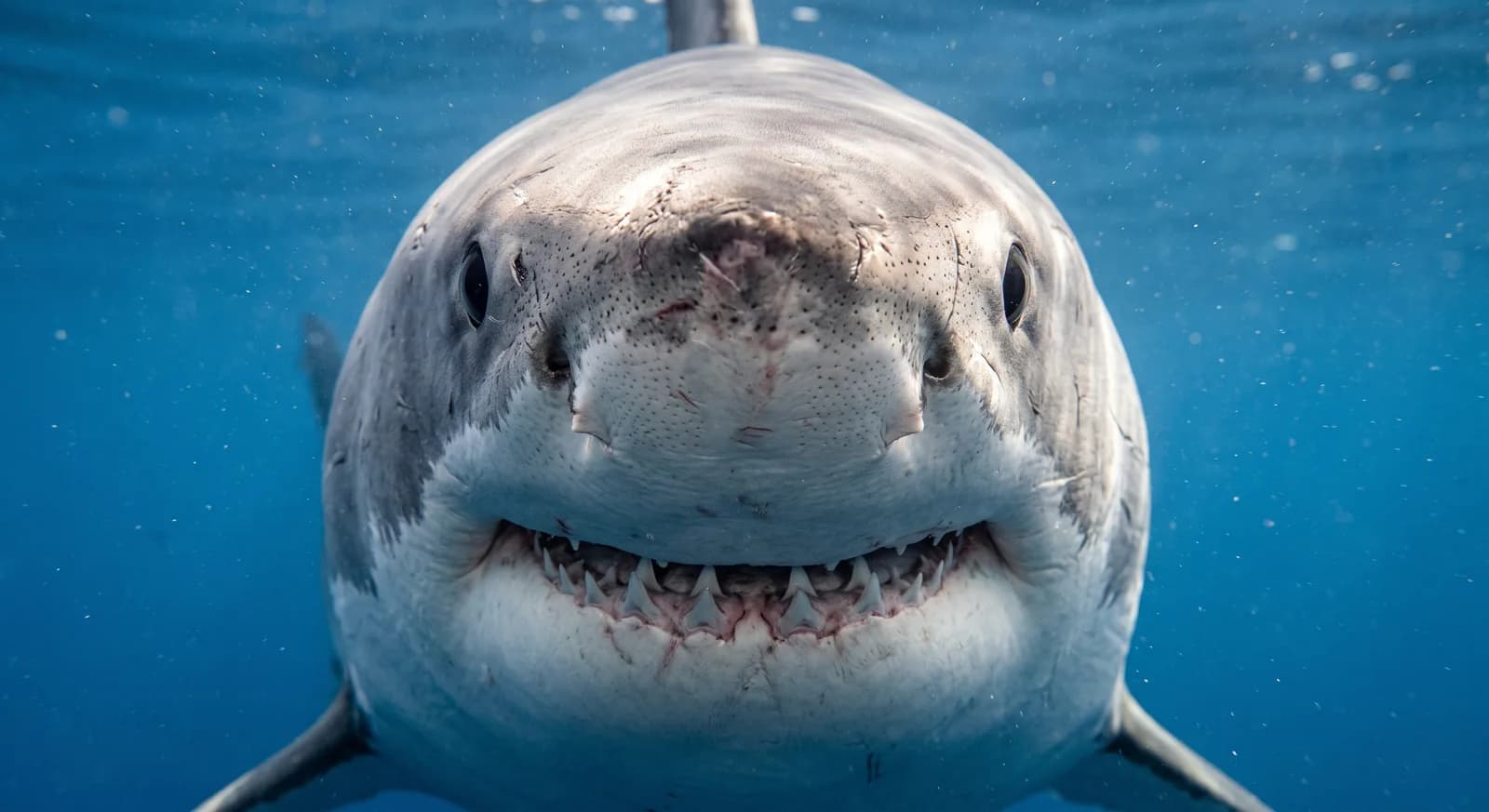
Great White SharkVulnerable

Great White Shark

Carcharodon carcharias

Vulnerable

Blacktip Reef Shark

Carcharhinus melanopterus

Least Concern

Greater Amberjack

Seriola dumerili

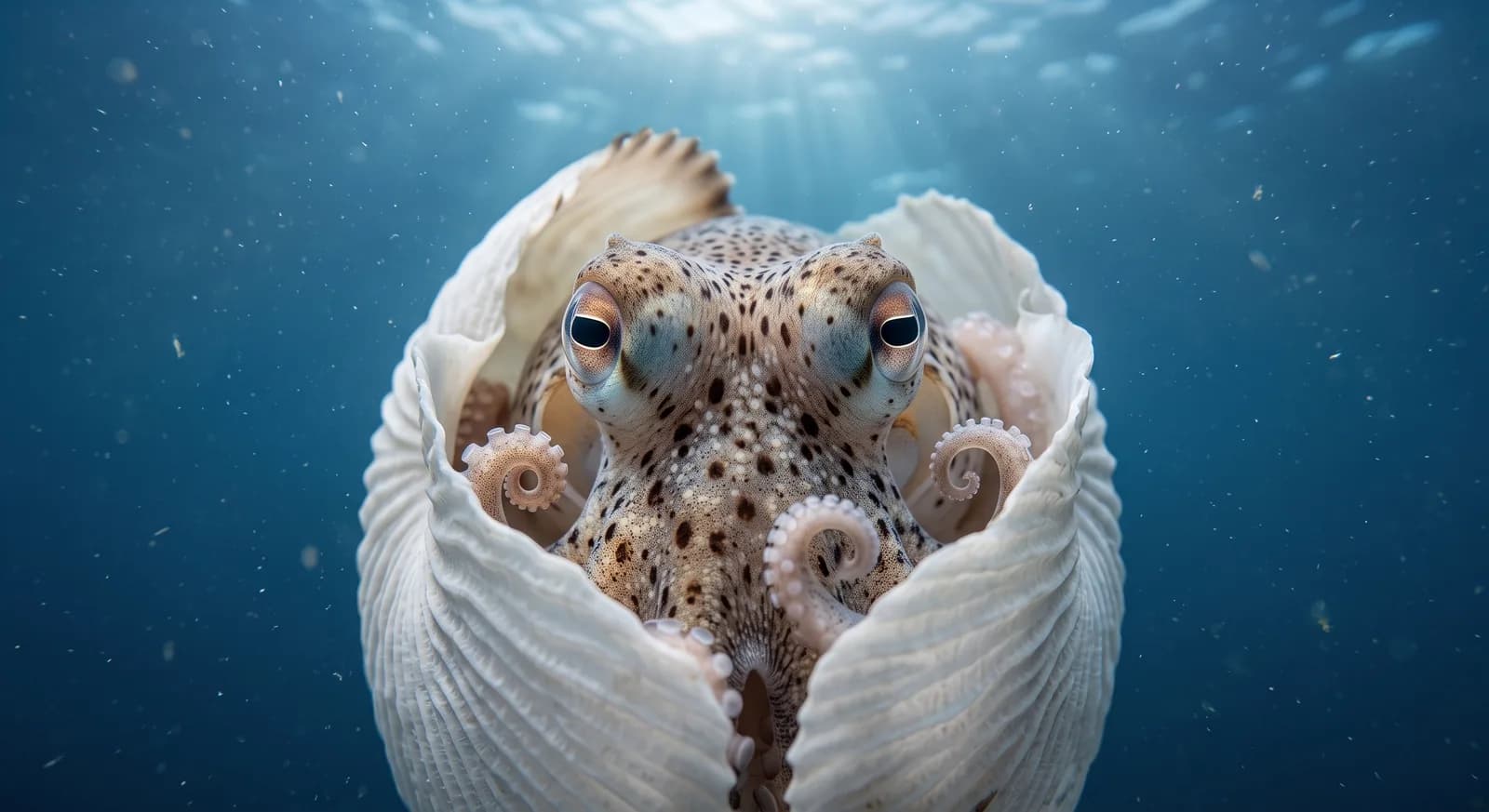
Greater ArgonautLeast Concern

Greater Argonaut

Argonauta argo

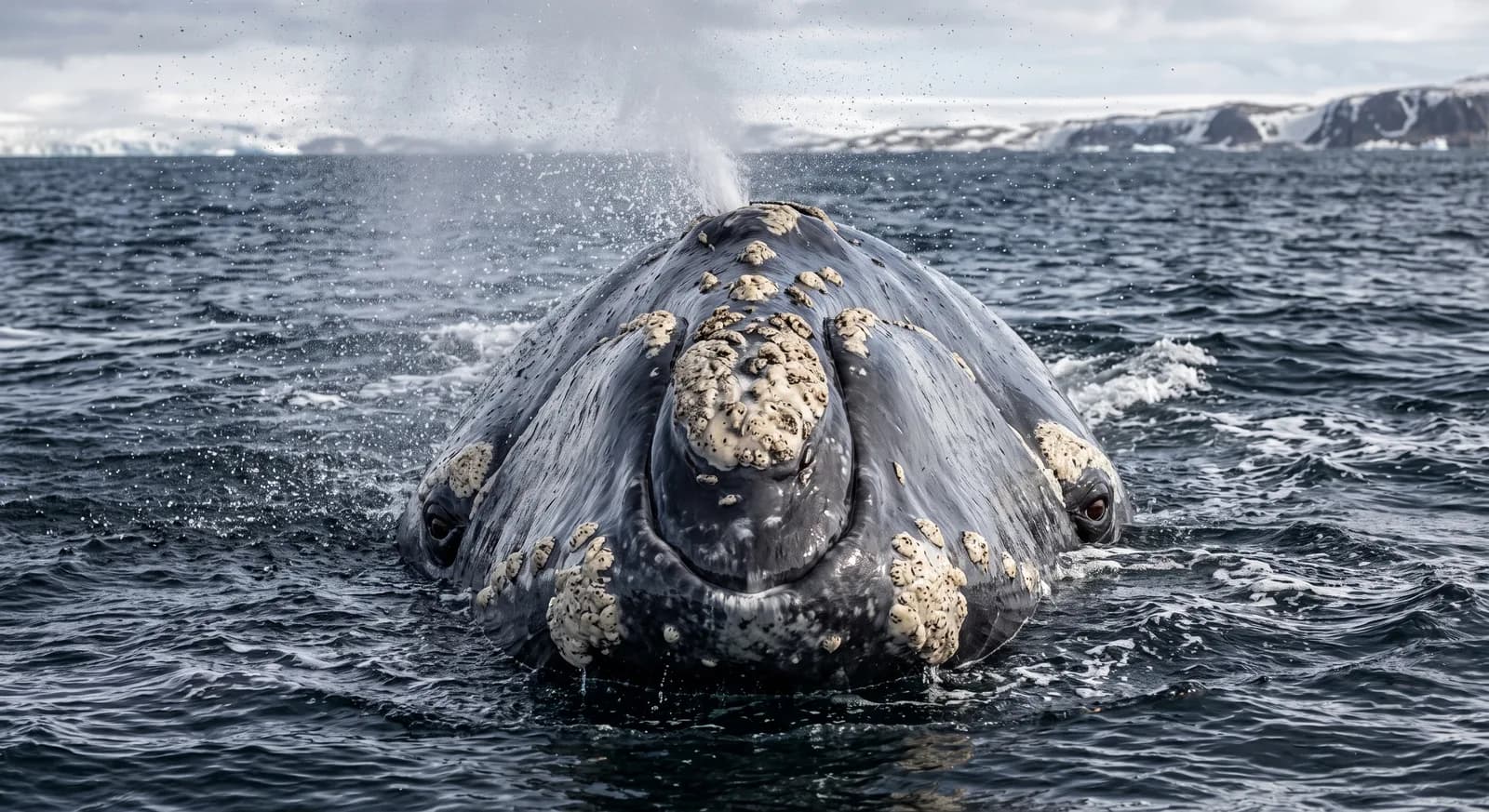
Southern Right WhaleLeast Concern

Southern Right Whale

Eubalaena australis

CountriesAustralia
ParksGreat Barrier ReefAustralia
TagsCarnivore
Carnivore
Nocturnal
Solitary
Fish
Ocean
Australia