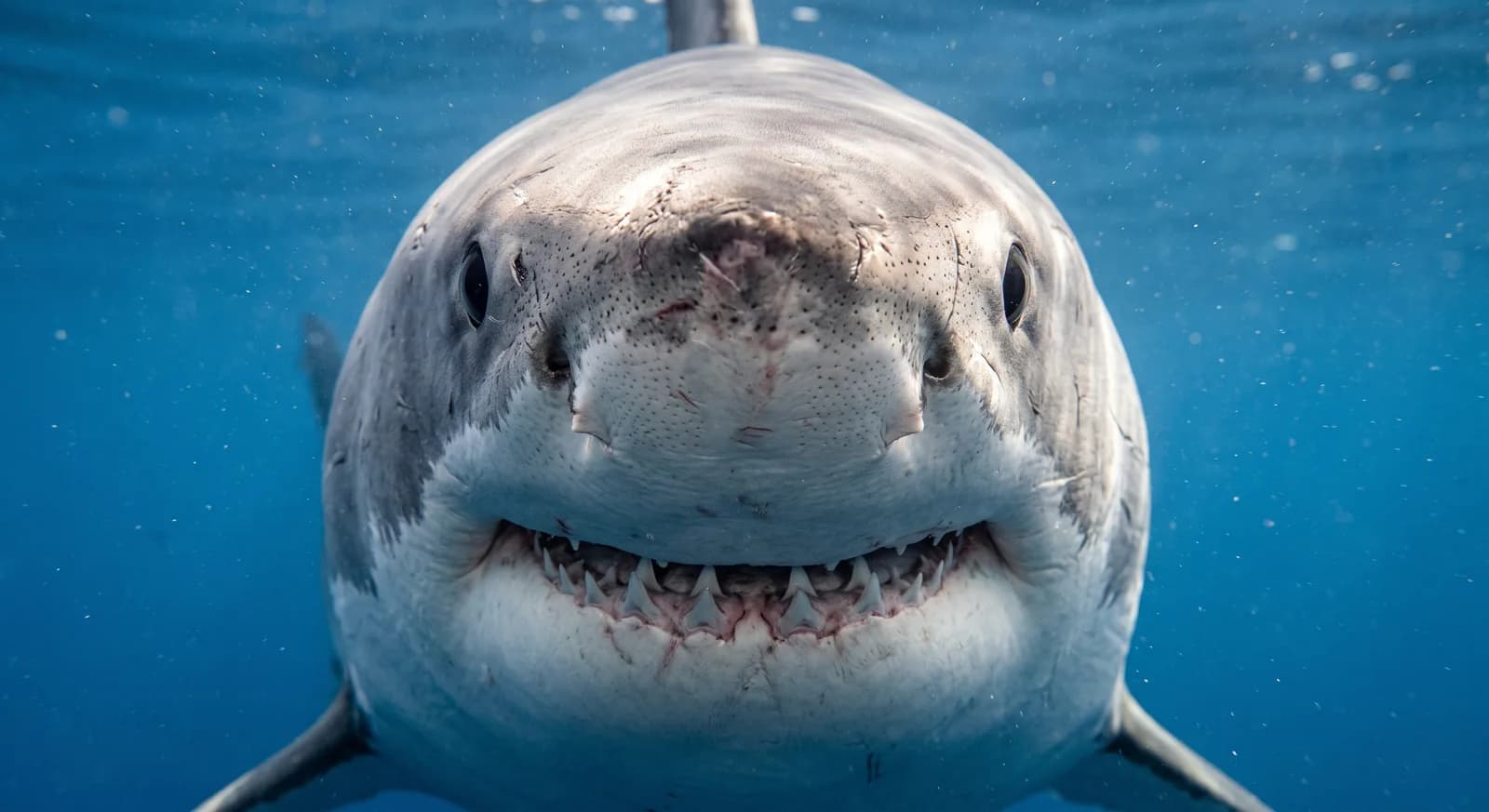
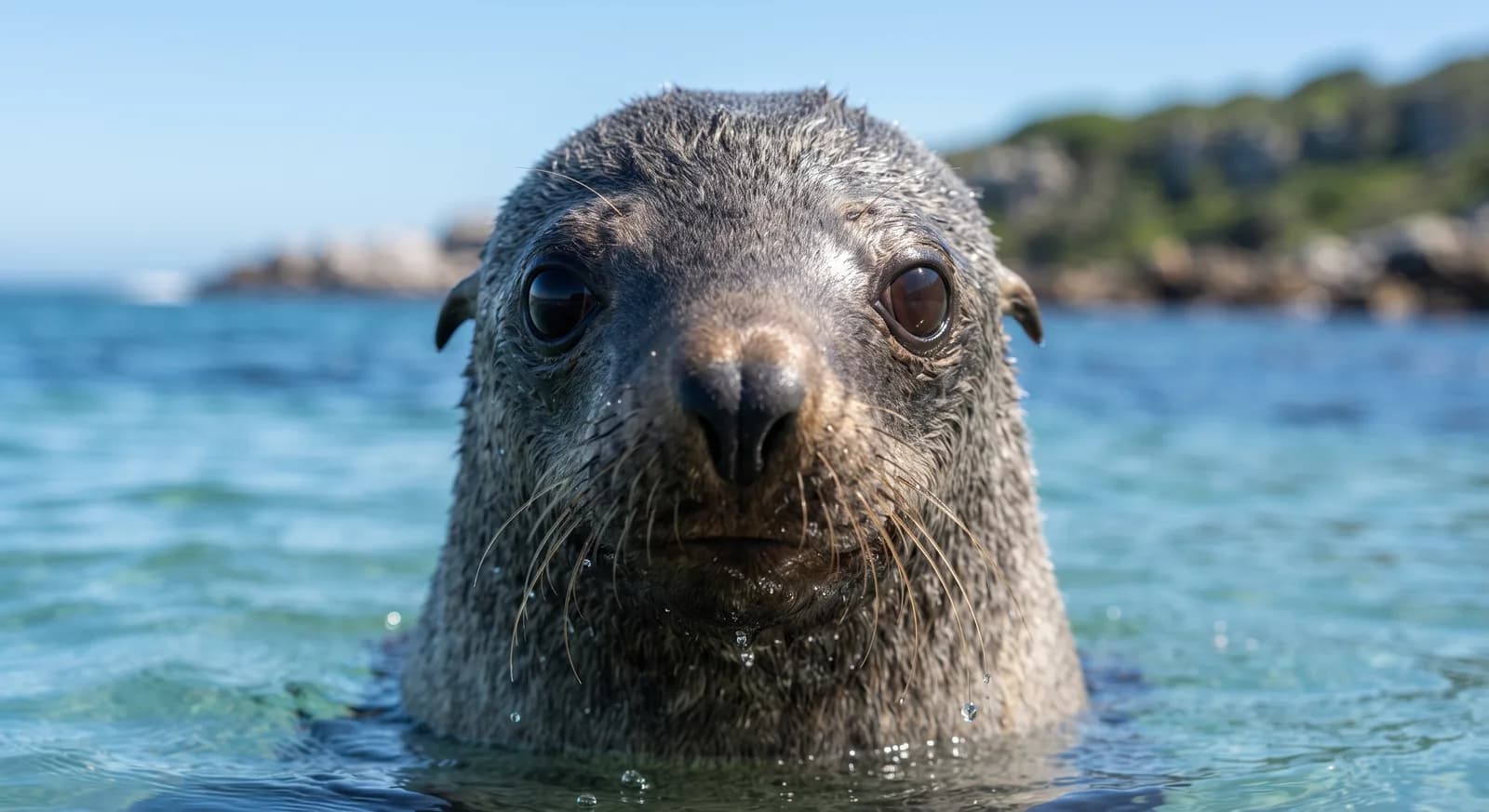
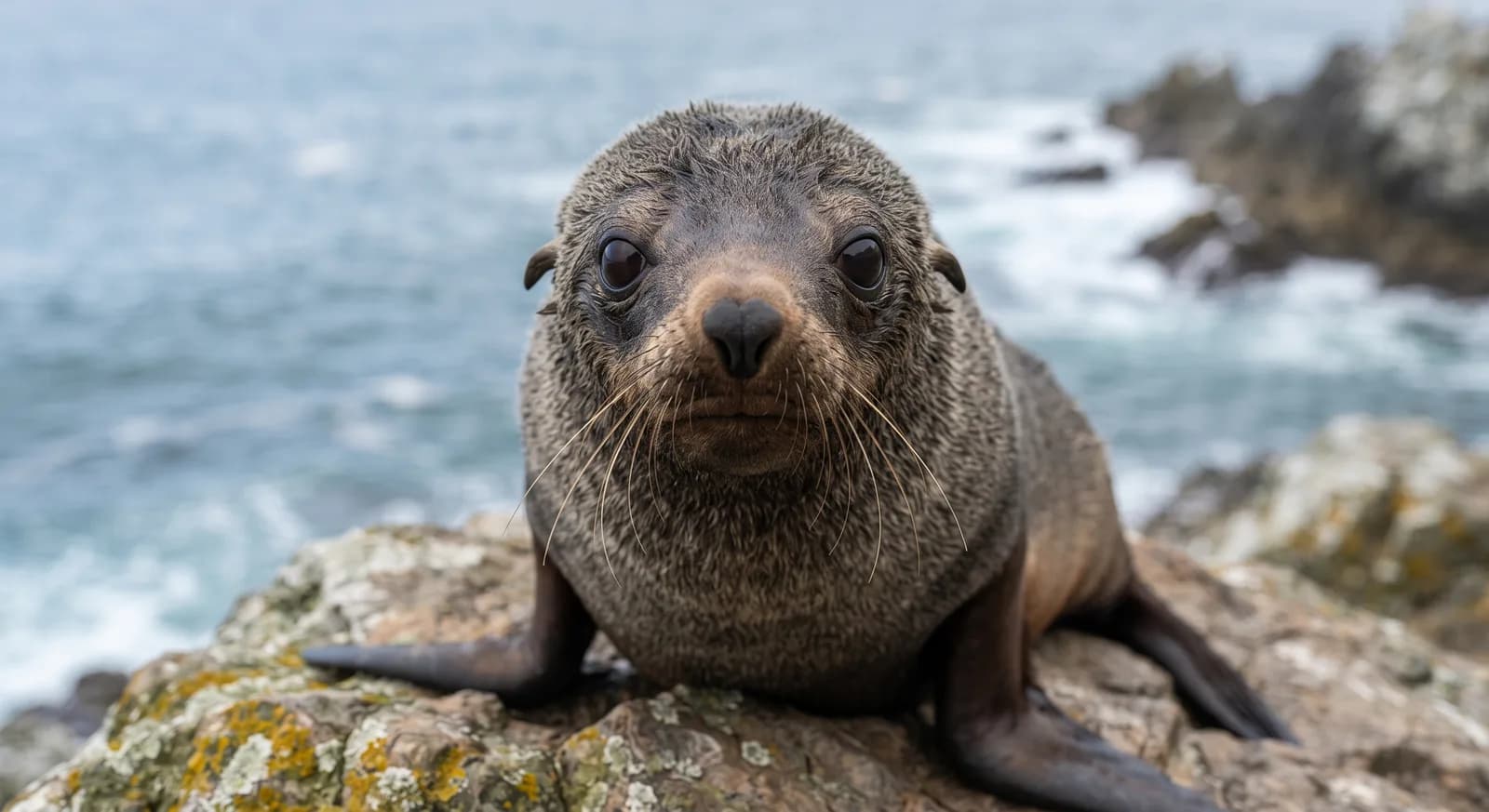
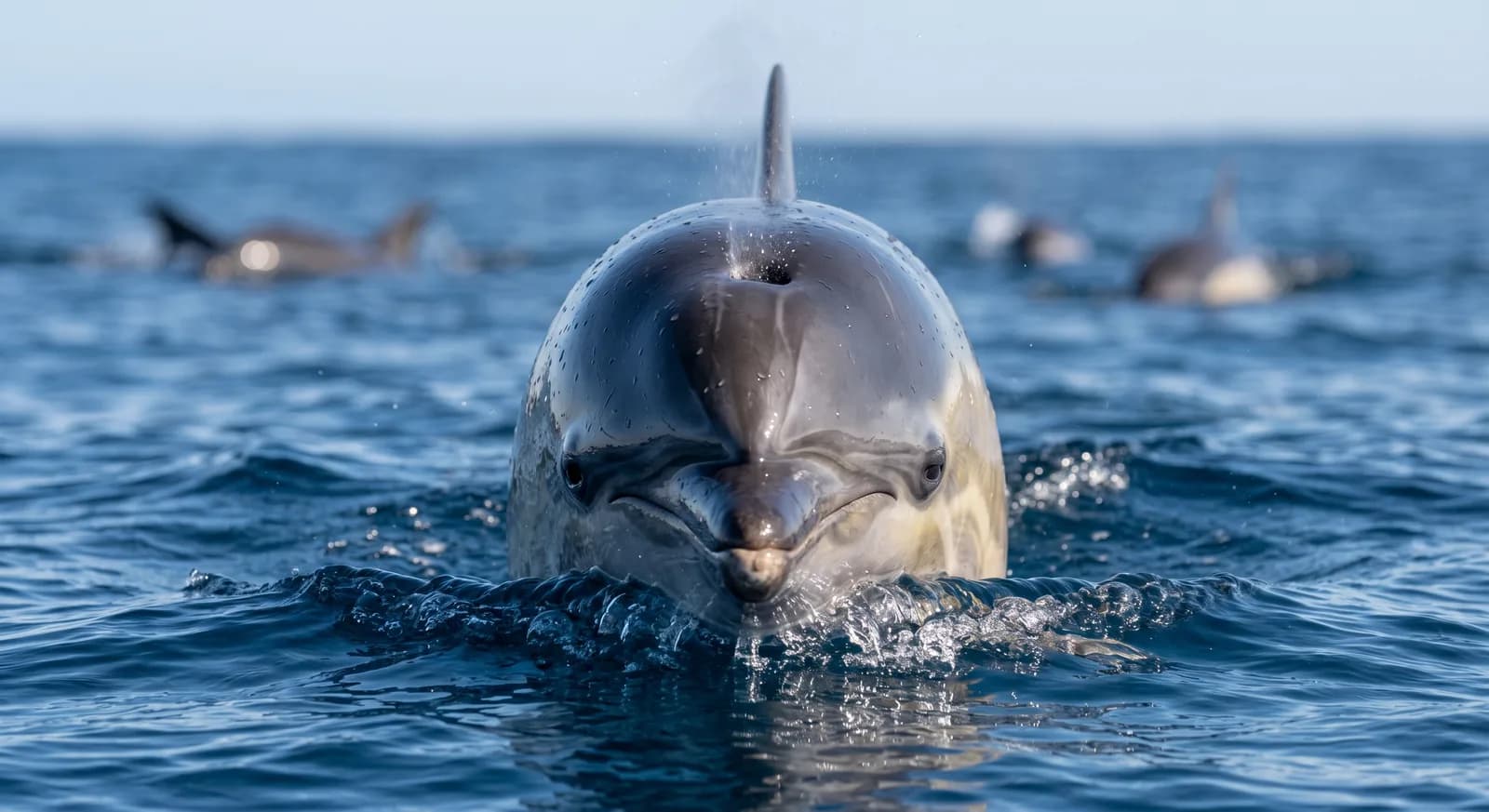
One of the 7 whales on WAnimals
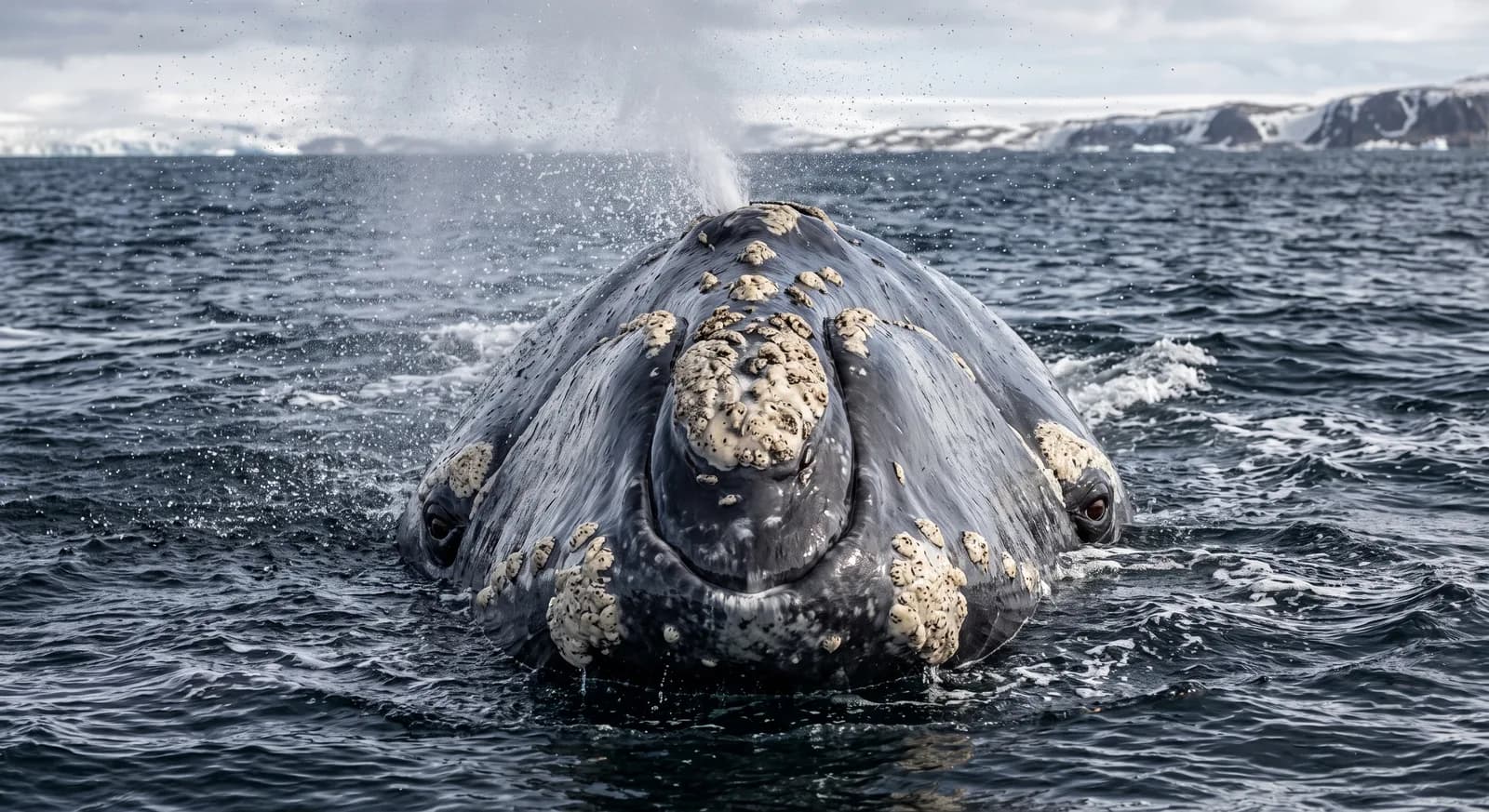
Mammals · Artiodactyla · Balaenidae
Eubalaena australis
The species is abundant and widely distributed; it faces no significant short-term risk.
Every individual carries a unique pattern of callosities — patches of thickened skin colonised by crustaceans — on its head, which work like a fingerprint.
Weight
up to 45 t
Size
up to 18 m
Life expectancy
60 years
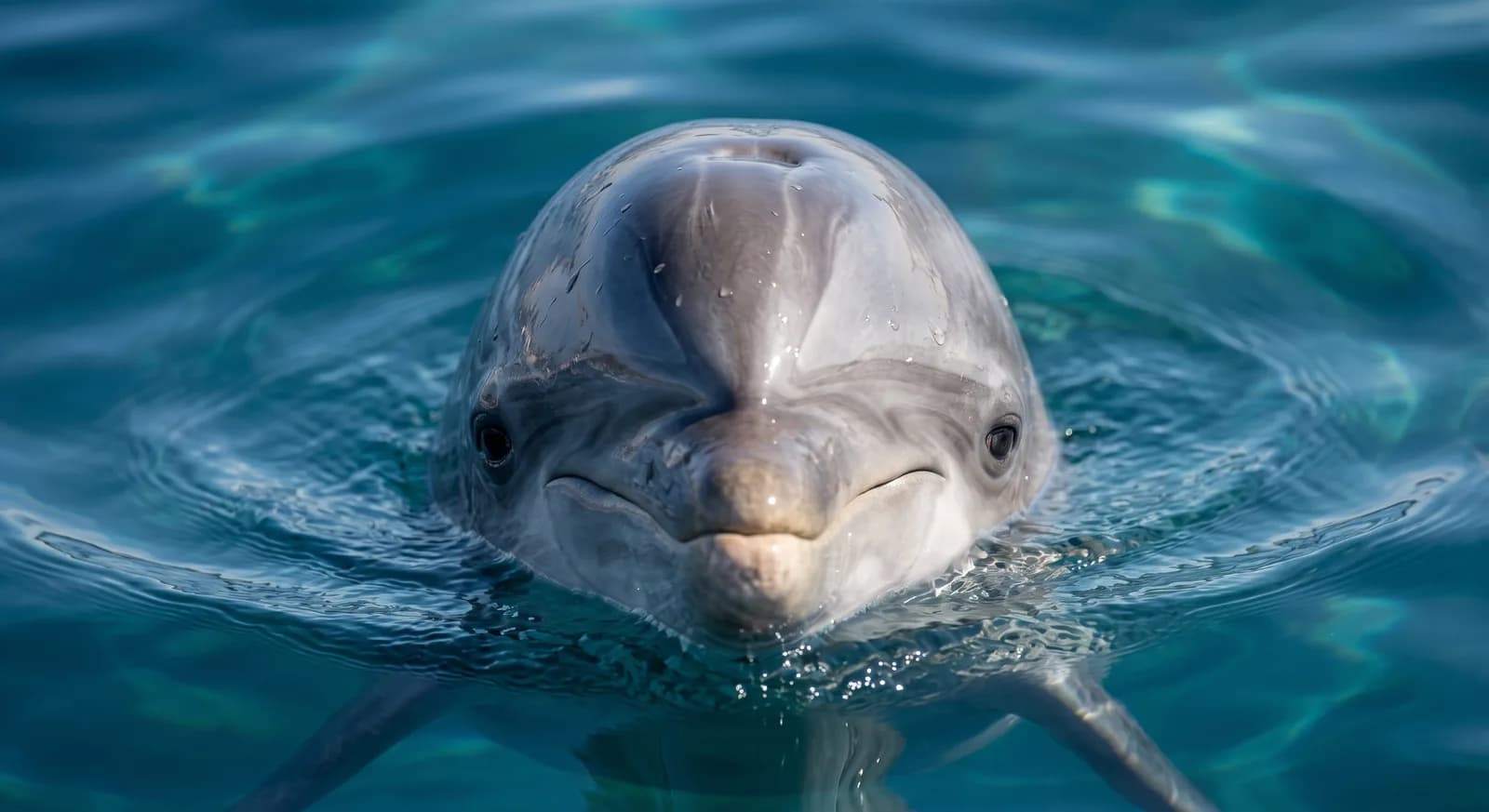
Diet
Carnivore
Feeds mainly on other animals.
Activity
Irregular activity
Active at irregular times, by day or night depending on circumstances.
Social structure
Solitary
Lives and hunts alone, joining others only to breed.
Estimated population
More than 15,000 animals, clearly recovering since the end of commercial whaling.
AI-generated images: illustrations, not photographs.
Sources consulted: Animal Diversity Web · Antarctic and Southern Ocean Coalition · Wikipedia (Southern right whale) · PMC (fetal growth energetic cost study) · ResearchGate (seasonality gestation study)
Best time: From June to November at Península Valdés (Argentina), Hermanus (South Africa) and southern Australia, when it comes inshore to calve and raise its young.
Parks and dive sites where this species has been documented — showing 18 of 24.
Other species in the catalogue with the most in common with Southern Right Whale — same habitat, park, country, tags or family.
Based on what we already know about southern right whale.
The pins mark the parks and dive sites where its presence is documented.