Bony fish · Gadiformes · Phycidae
Squirrel Hake
Urophycis chuss
The species is abundant and widely distributed; it faces no significant short-term risk. See full glossary
The red hake of the north-western Atlantic, a relative of the cods, with an elongated body of reddish brown. It lives over soft bottoms and hunts crustaceans, squid and small fish by night. Its pelvic fins are reduced to two long sensory filaments.
Size
30 cm – 65 cm
Diet
Carnivore
Feeds mainly on other animals.
Activity
Nocturnal
Active mainly at night.
Social structure
Solitary
Lives and hunts alone, joining others only to breed.
Sighting difficulty
Easy
Fun facts
- Its pelvic fins have turned into two tactile filaments it trails over the bottom like a blind person's canes to locate buried prey.
- The juveniles shelter inside the mantle cavity of the sea scallop Placopecten magellanicus, a curious case of association between a fish and a mollusc.
- The juveniles live inside living scallops. They slip into the mantle cavity of the Atlantic sea scallop and spend their first months there, protected from predators.
- Its pelvic fins are reduced to two long, sensitive filaments that it trails along the bottom and uses to locate prey by touch, not for swimming.
- It is fast-growing and short-lived compared with other gadids, which makes its population respond quickly to fishing.
- It is caught mainly as bycatch alongside other bottom-dwelling species of the north-west Atlantic.
Life cycle & biology
- Skeleton type
- Vertebrate - internal bony skeleton (fish)
- Habitat & environment
- Soft bottoms of the north-western Atlantic, between 30 and 600 m
Sources consulted: FishBase (Froese & Pauly, eds.); Lista Roja de la UICN; NOAA Fisheries; Steimle et al., Essential Fish Habitat Source Documents
Related species
Other species in the catalogue with the most in common with Squirrel Hake — same habitat, park, country, tags or family.
Horn Shark
Heterodontus francisci
 Least Concern
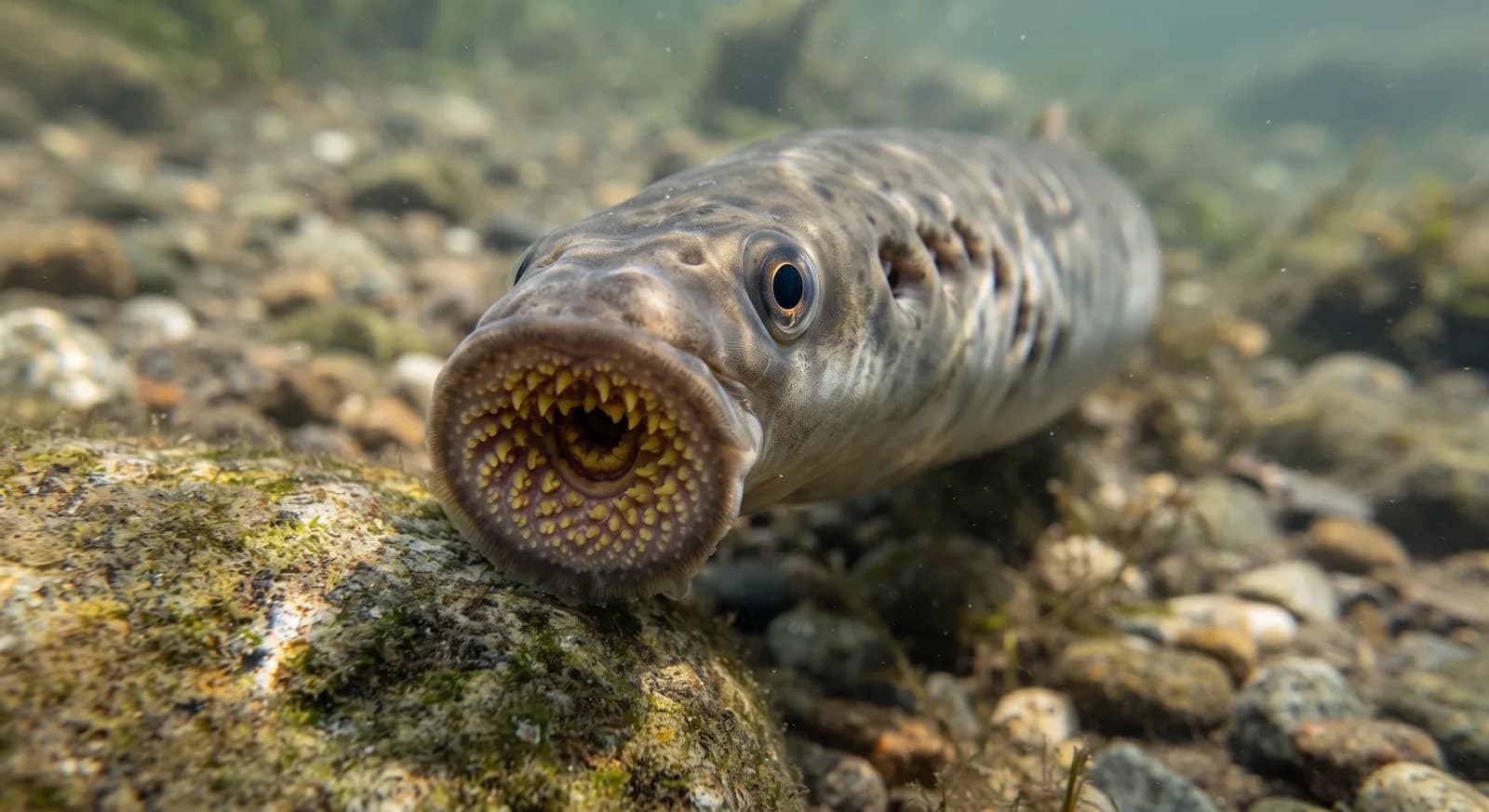
Sea Lamprey
Petromyzon marinus
Hagfish
Myxine glutinosa
 Least Concern
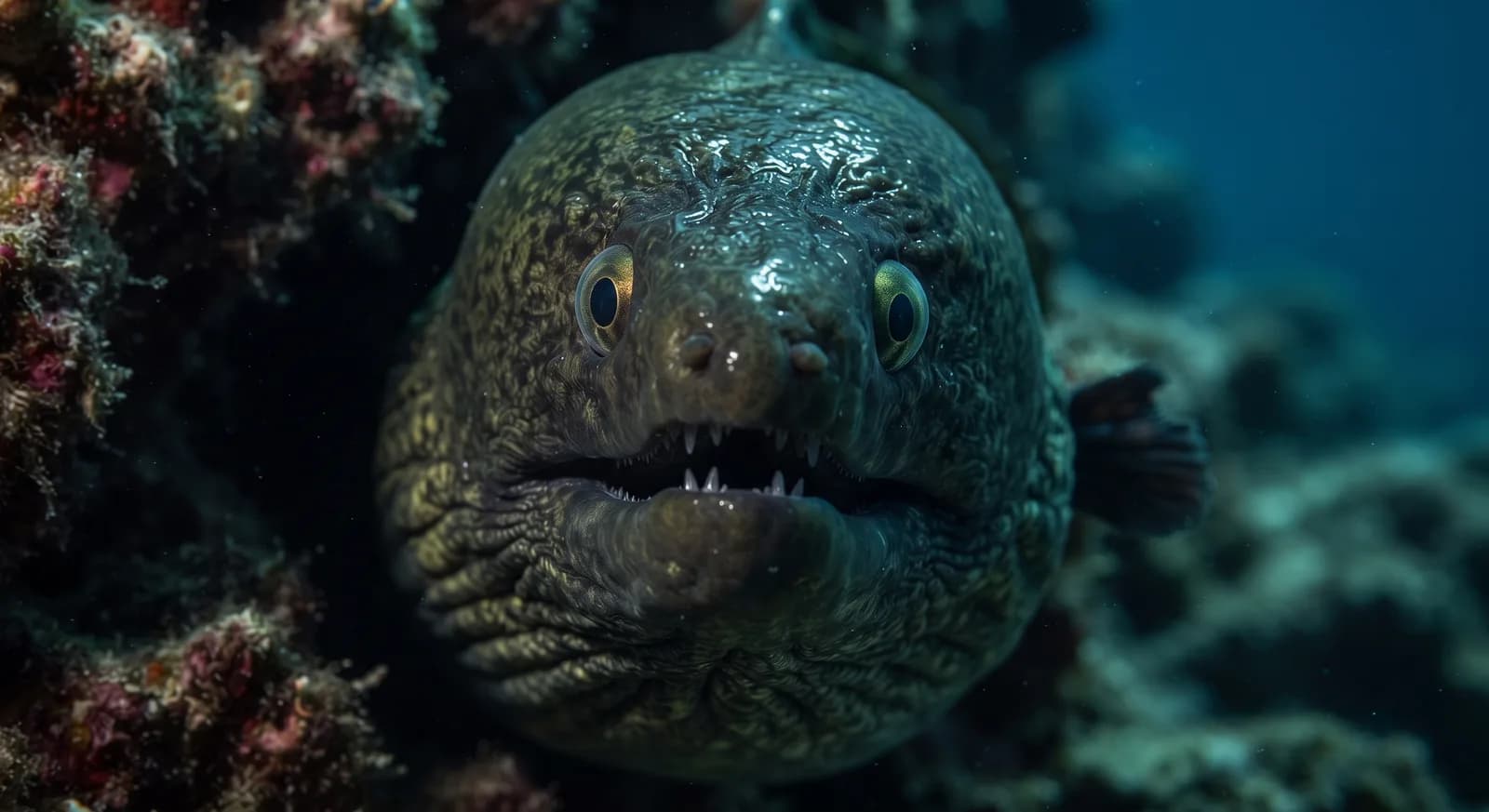
Green Moray
Gymnothorax funebris
 Least Concern
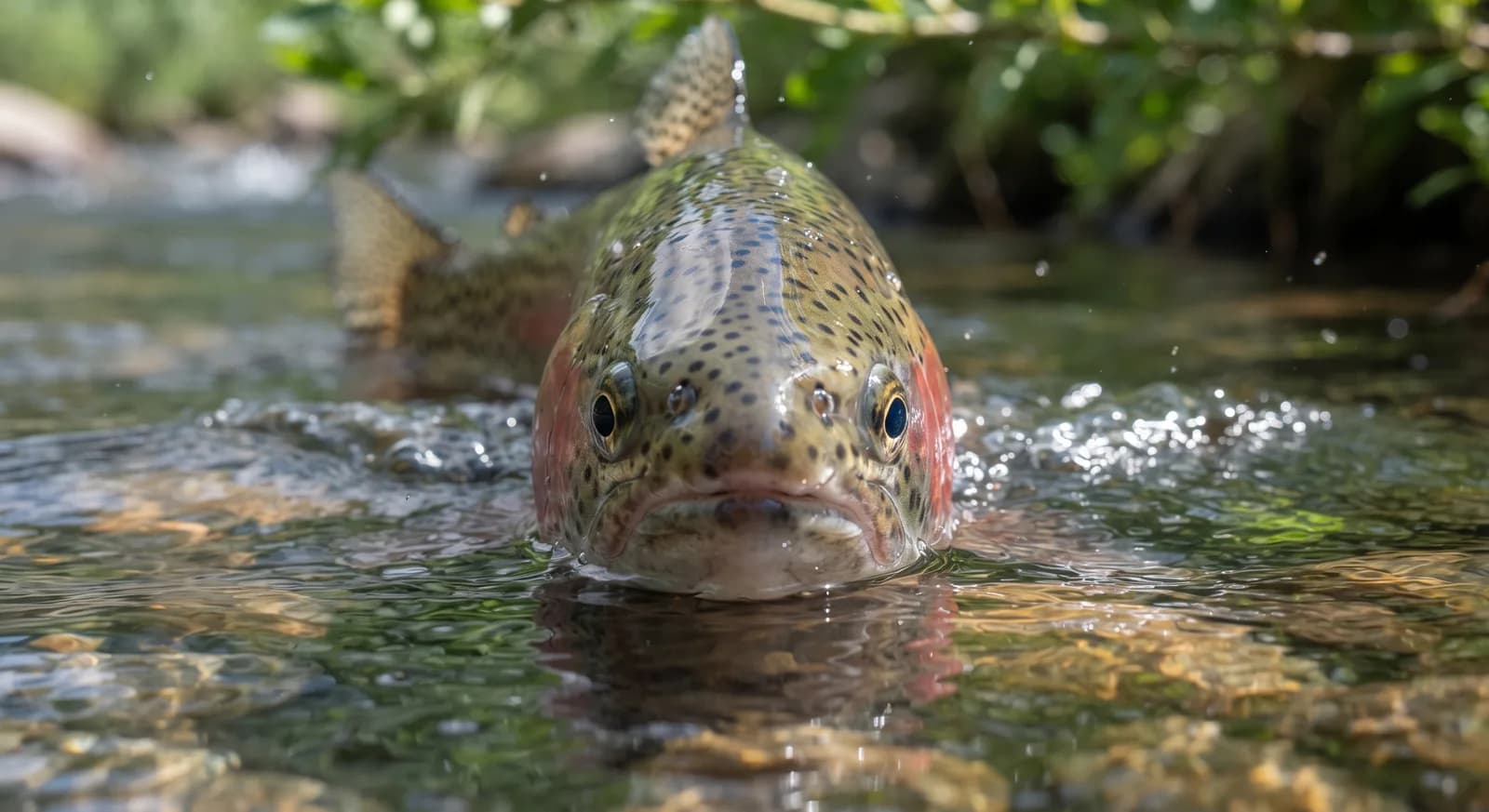
Rainbow Trout
Oncorhynchus mykiss
Blackbar Soldierfish
Myripristis jacobus
Keep exploring
Based on what we already know about squirrel hake.
Comments
Share an experience, a fun fact or a tip for seeing the squirrel hake.
Be the first to comment.