Bony fish · Cyprinodontiformes · Cyprinodontidae
Devil's Hole Pupfish
Cyprinodon diabolis
It faces an extremely high risk of imminent extinction in the wild. See full glossary
The Devils Hole pupfish is a fish of the family Cyprinodontidae, in the order Cyprinodontiformes, endemic to Devils Hole, a small aquifer in the state of Nevada. According to the IUCN Red List it is a critically endangered species, with a population of some 30 individuals.
Size
up to 3.4 cm
Lifespan
1 years
Diet
Omnivore
Combines animal and plant food depending on availability.
Activity
Diurnal
Active mainly during the day.
Sighting difficulty
Very hard
Fun facts
- The entire species lives in a single pool: it has one of the smallest ranges of any vertebrate in the world.
- It has no pelvic fins, a feature that sets it apart from the other pupfish of the genus Cyprinodon.
- It breeds all year round thanks to the cave's constant temperature, peaking in spring and autumn.
- Individuals live only 10 to 14 months.
Life cycle & biology
- Skeleton type
- Vertebrate - internal bony skeleton (bony fish)
- Habitat & environment
- A single pool in a limestone cave, Devils Hole, in Ash Meadows, Nevada; the entire population feeds and spawns on a submerged shelf of about 20 m², at a constant 33-34 °C
- Size at birth
- About 6.5 mm
- Sexual maturity
- Between 8 and 10 weeks old
- Gestation / incubation
- The eggs hatch in about seven days
Sources consulted: https://es.wikipedia.org/wiki/Cyprinodon_diabolis
Where to watch it
Parks and dive sites where this species has been documented.
Related species
Other species in the catalogue with the most in common with Devil's Hole Pupfish — same habitat, park, country, tags or family.
Common Kingsnake
Lampropeltis getula
Greater Roadrunner
Geococcyx californianus
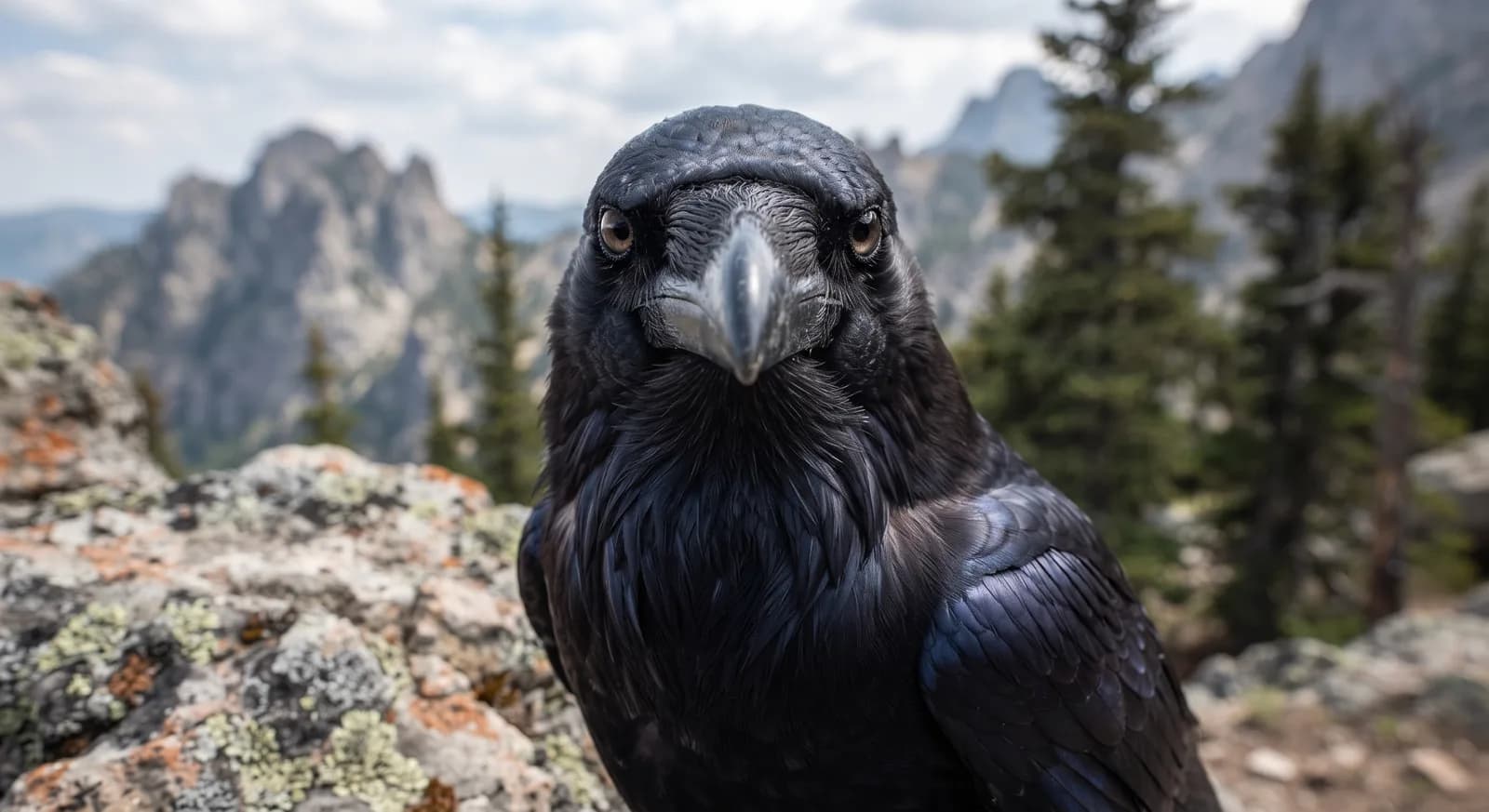 Least Concern
Common Raven
Corvus corax
Northern Mockingbird
Mimus polyglottos
Gila Woodpecker
Melanerpes uropygialis
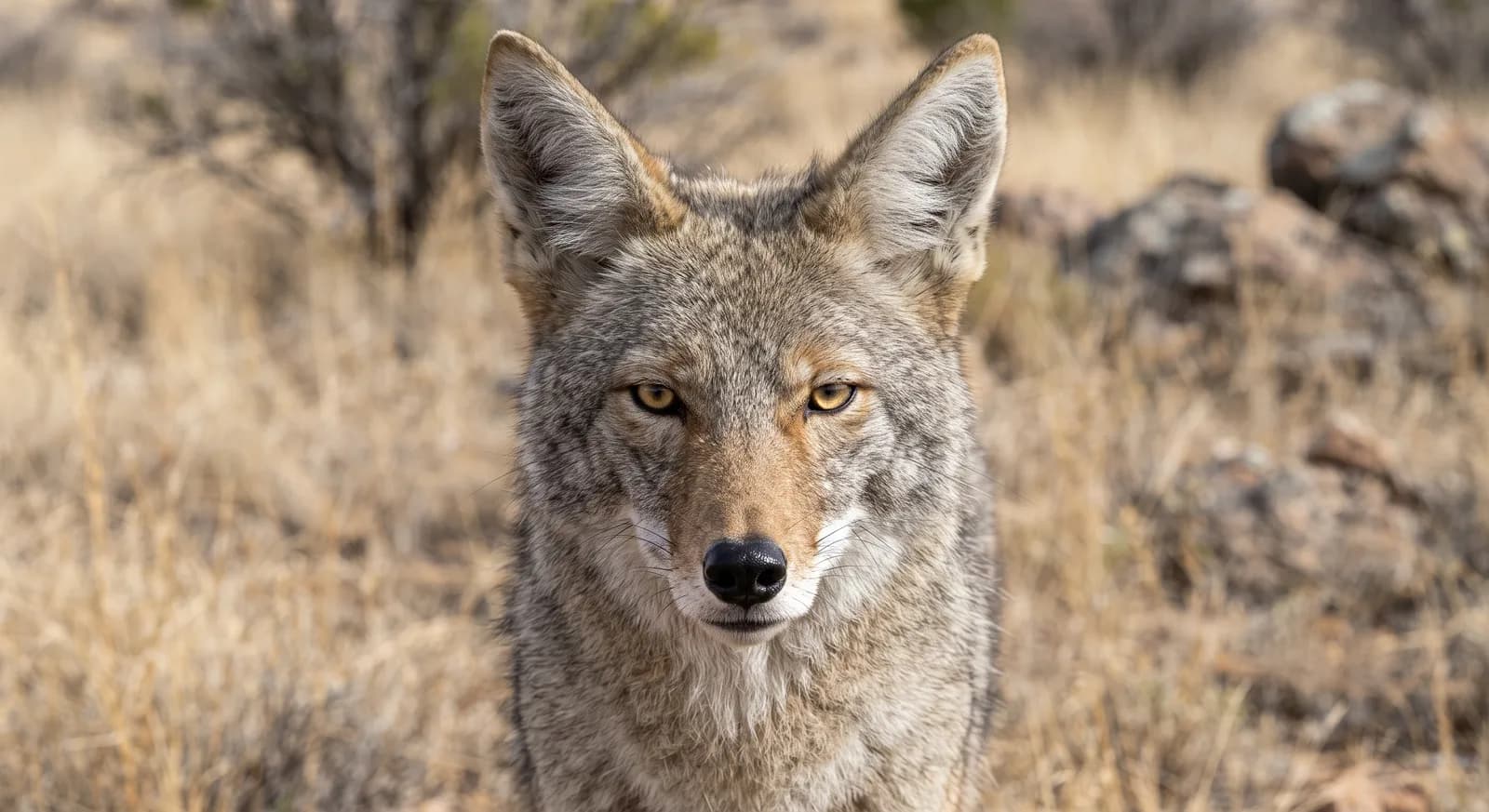 Least Concern
Coyote
Canis latrans
How to help
The devil's hole pupfish is classified as critically endangered. Organizations such as UICN, WWF y Wildlife Conservation Society work specifically on its conservation and that of its habitat; looking into their programs is a good starting point if you want to get involved.
It's documented in 1 real protected area — part of why protecting these places matters for its conservation.
Keep exploring
Based on what we already know about devil's hole pupfish.
Comments
Share an experience, a fun fact or a tip for seeing the devil's hole pupfish.
Be the first to comment.