Birds · Passeriformes · Mimidae
Northern Mockingbird
Mimus polyglottos
The species is abundant and widely distributed; it faces no significant short-term risk. See full glossary
The northern mockingbird, known in Spanish as cenzontle común or sinsonte norteño, is a species of passerine bird of the family Mimidae native to North America, Central America and the Caribbean. Adults are grey on the upperparts, with pale yellow eyes and a slightly curved black bill. The tail is dark with white edges, and the legs are long and black. The wings show fine white lines, and in flight reveal white patches on the wings and two white lengthwise stripes on the tail. They are known for imitating the sounds of other animals.
Weight
40 g – 58 g
Size
21 cm – 26 cm
Lifespan
20 years
Diet
Omnivore
Combines animal and plant food depending on availability.
Activity
Diurnal
Active mainly during the day.
Social structure
In pairs
Usually lives in pairs, sometimes for life.
Sighting difficulty
Easy
Fun facts
- GeneralIt mimics over 200 different sounds, car alarms and other birds included.
- comunicaciónIt can learn and take up the songs of dozens of other birds, along with man-made sounds, widening its repertoire all its life.
- A male can build up two hundred different imitations over his life, and renews part of the repertoire every season: he takes in other birds, frogs, car alarms and doorbells.
- It recognises people as individuals: in an experiment at the University of Florida, the mockingbirds selectively attacked the particular person who had approached their nest days earlier, ignoring others dressed the same way.
- Unpaired males sing at night as well, and that nocturnal persistence is a common complaint in American residential neighbourhoods in spring.
Life cycle & biology
- Skeleton type
- Vertebrate - internal bony skeleton (bird)
- Habitat & environment
- Gardens, city parks, hedgerows, scrub and field margins of North America and the Caribbean
- Sexual maturity
- 12 months
- Gestation / incubation
- 12 days
- Litter / clutch size
- 4
Sources consulted: https://es.wikipedia.org/wiki/Mimus_polyglottos
Where to find it
See its range on the interactive mapWhere to watch it
Parques y spots de buceo donde se ha documentado esta especie — se muestran 10 de 54 documentados.
Related species
Other species in the catalogue with the most in common with Northern Mockingbird — same habitat, park, country, tags or family.
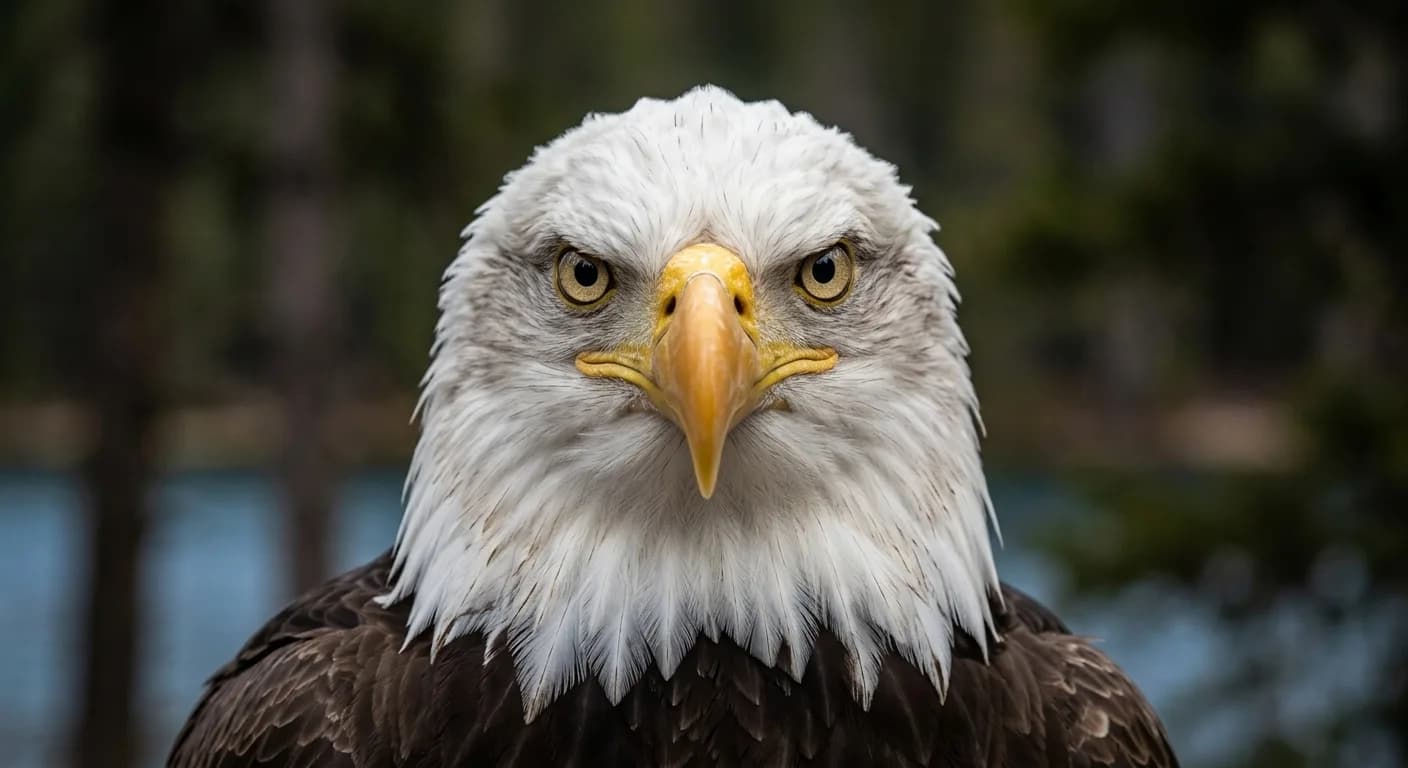 Least Concern
Bald Eagle
Haliaeetus leucocephalus
Wood Duck
Aix sponsa
Wild Turkey
Meleagris gallopavo
Mourning Dove
Zenaida macroura
Greater Roadrunner
Geococcyx californianus
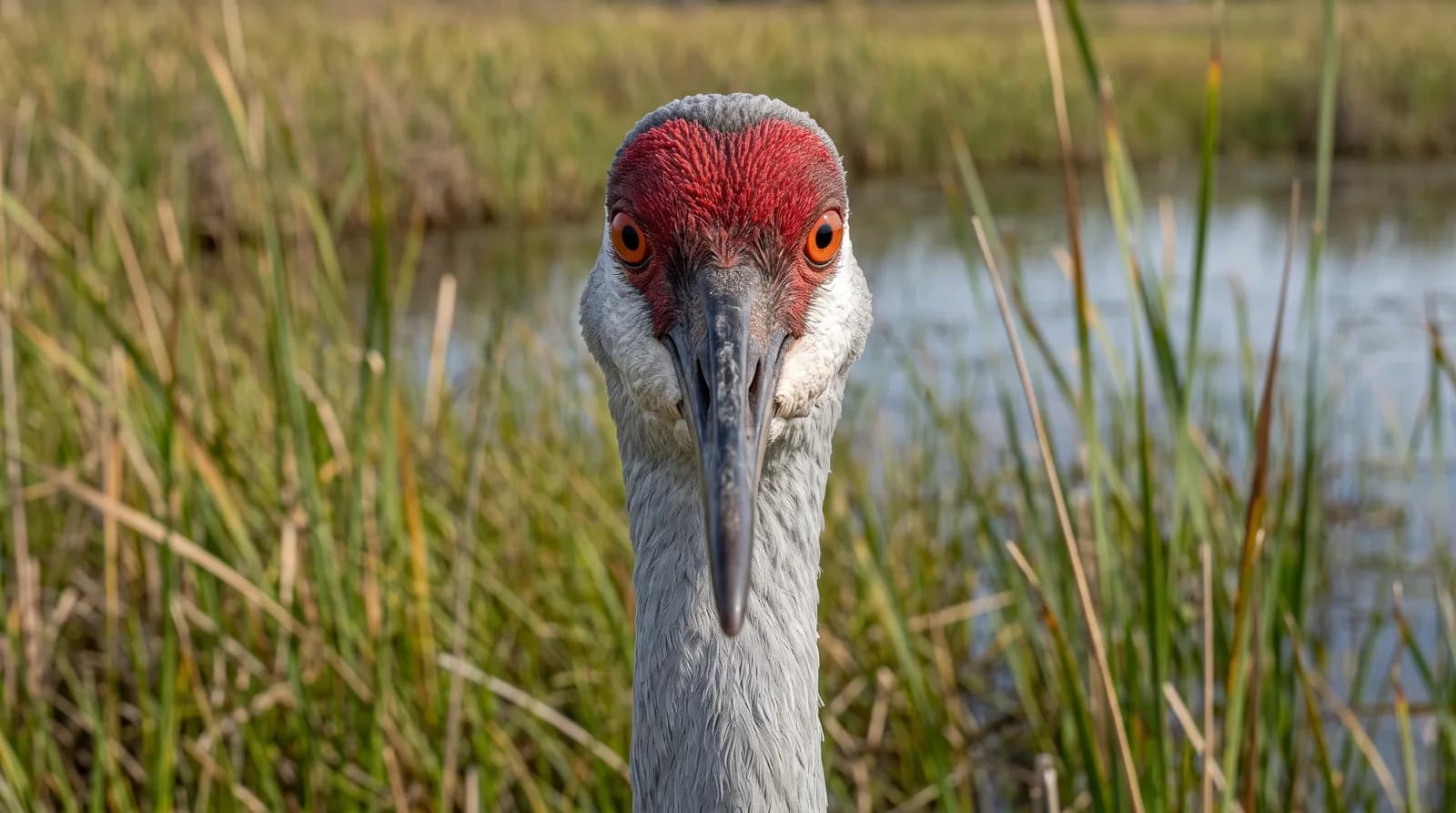 Least Concern
Sandhill Crane
Antigone canadensis
Keep exploring
Based on what we already know about northern mockingbird.
Comments
Share an experience, a fun fact or a tip for seeing the northern mockingbird.
Be the first to comment.