Mammals · Sirenia · Dugongidae
Steller's Sea Cow
Hydrodamalis gigas
No living individual remains anywhere in the world. See full glossary
Steller's sea cow was the largest sirenian known and the only one adapted to cold water. It was described by the German naturalist Georg Wilhelm Steller in 1741, during the Bering expedition to the Commander Islands, where the ship was wrecked. It measured up to nine metres and weighed several tonnes. It fed on kelp while floating at the surface and was unable to submerge completely. The crews of whalers and otter hunters exploited it as a larder of meat and by 1768, barely 27 years after its scientific description, it was extinct.
Weight
4 t – 10 t
Size
7 m – 9 m
Diet
Herbivore
Feeds mainly on plants.
Social structure
Family group
Lives in small family groups with close bonds.
Sighting difficulty
Impossible (extinct)
Fun facts
- It is one of the best-documented extinctions in history: only 27 years passed between its scientific discovery and its disappearance.
- It had no teeth: it ground the kelp between two rough horny plates set in the palate and the jaw.
- It had lost its teeth. In their place it had two horny plates with which it ground up seaweed, and practically nothing else.
- It was the largest sirenian known: up to 9 metres and between 8 and 10 tonnes. A single animal was said to be able to feed 33 men for a month.
- Georg Wilhelm Steller was the only scientist ever to see it alive. He described it in 1741, when he was shipwrecked on Bering Island during Vitus Bering's expedition, and his posthumous account, De bestiis marinis, is almost everything we know of its behaviour.
- It could not submerge: it floated at the surface grazing on seaweed, which made it trivially easy to harpoon from a boat.
- A study of its genome published in 2021 found genetic diversity as low as that of the last mammoths of Wrangel Island, indicating that its decline had begun long before the Europeans arrived.
- Its disappearance may have altered the kelp forests of the North Pacific: it has been suggested that the kelp ecosystem we now regard as natural is in fact the one left behind after losing its great herbivore.
Life cycle & biology
- Skeleton type
- Vertebrate - internal bony skeleton (mammal)
- Habitat & environment
- Cold, shallow waters of the Bering Sea, over kelp forests
Sources consulted: https://www.iucnredlist.org/ | https://animaldiversity.org/ | https://es.wikipedia.org/
Related species
Other species in the catalogue with the most in common with Steller's Sea Cow — same habitat, park, country, tags or family.
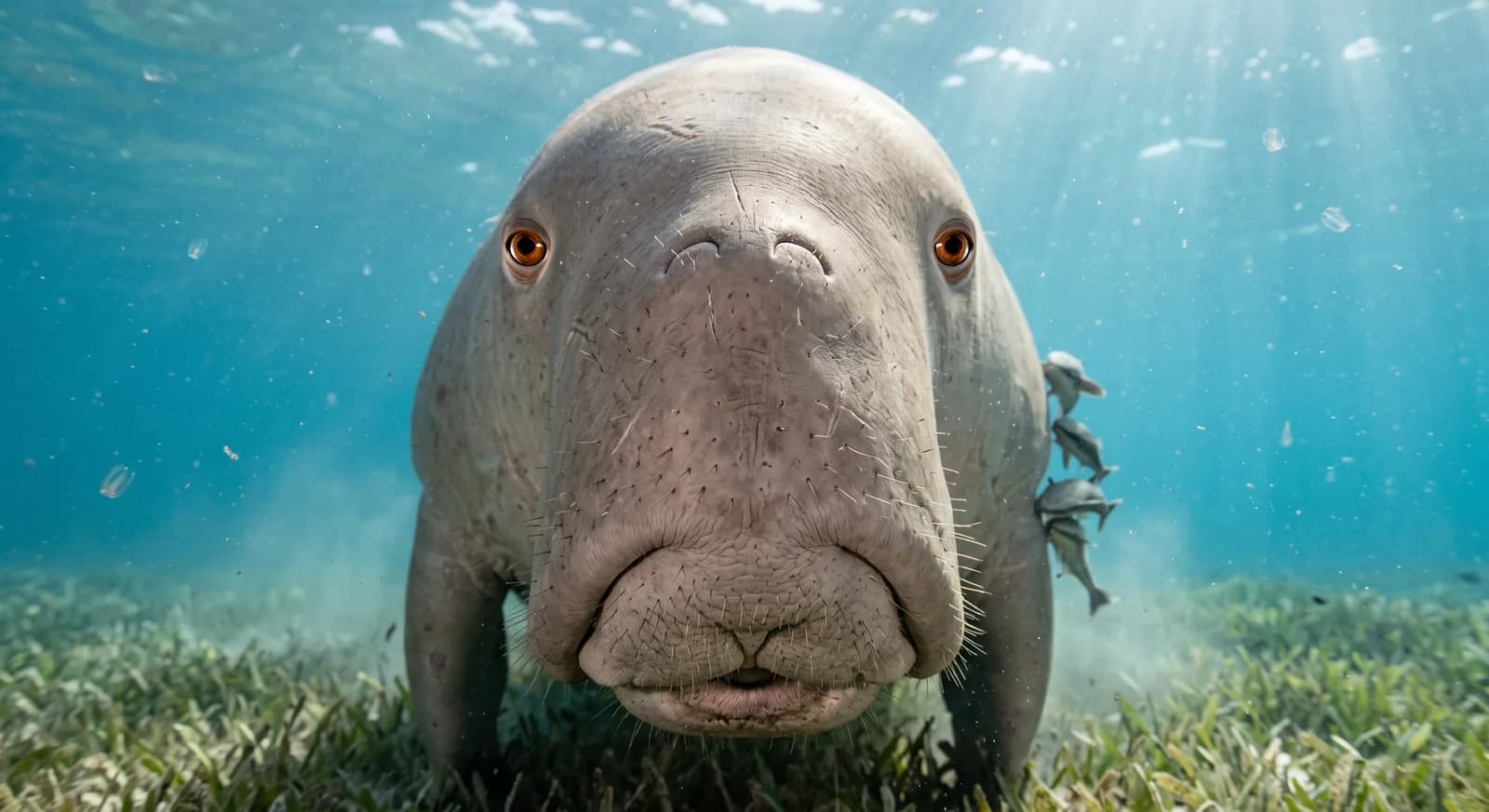 Vulnerable
Dugong
Dugong dugon
Wooly Mammoth
Mammuthus primigenius
Bowhead Whale
Balaena mysticetus
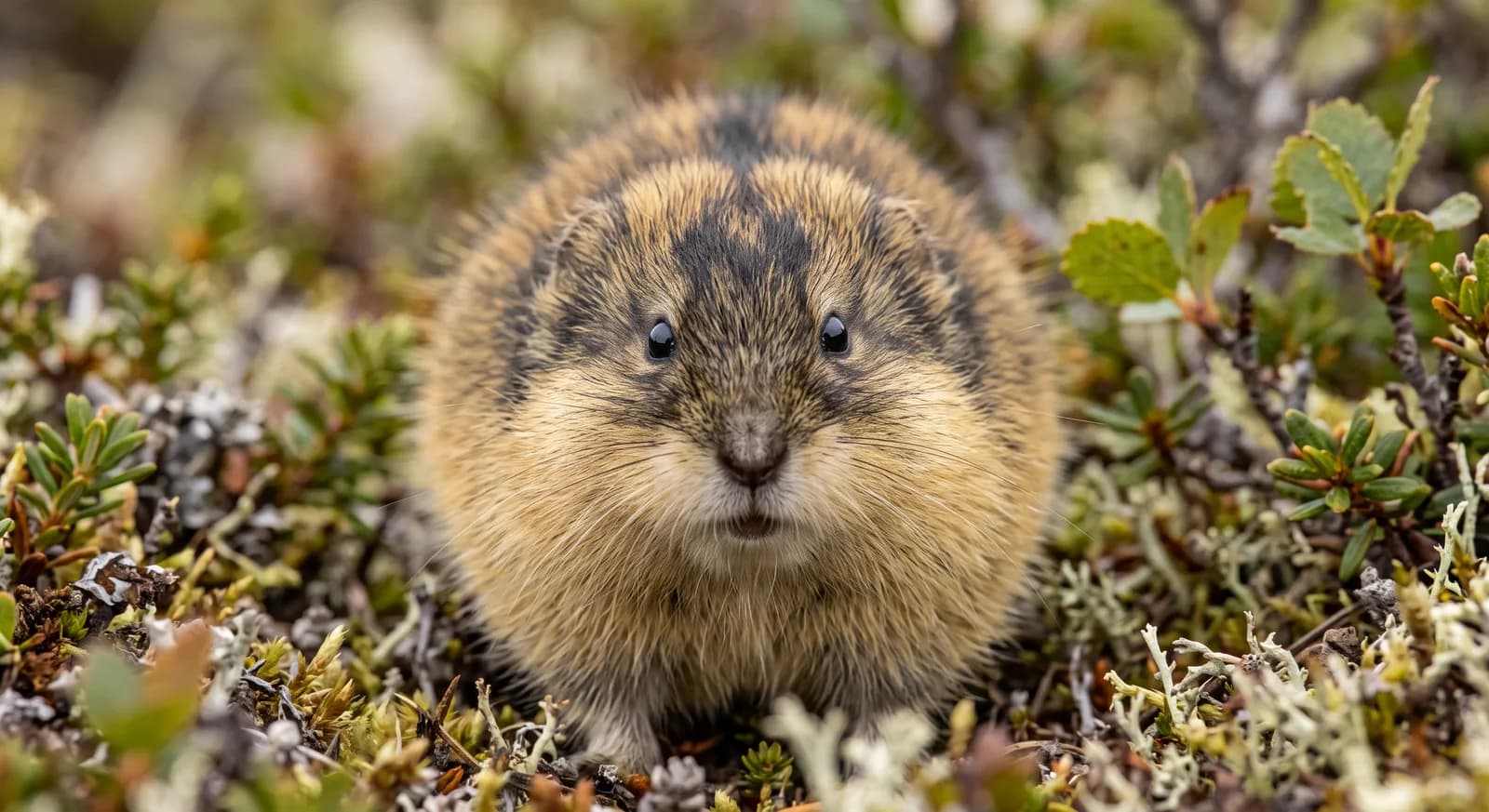 Least Concern
Norway Lemming
Lemmus lemmus
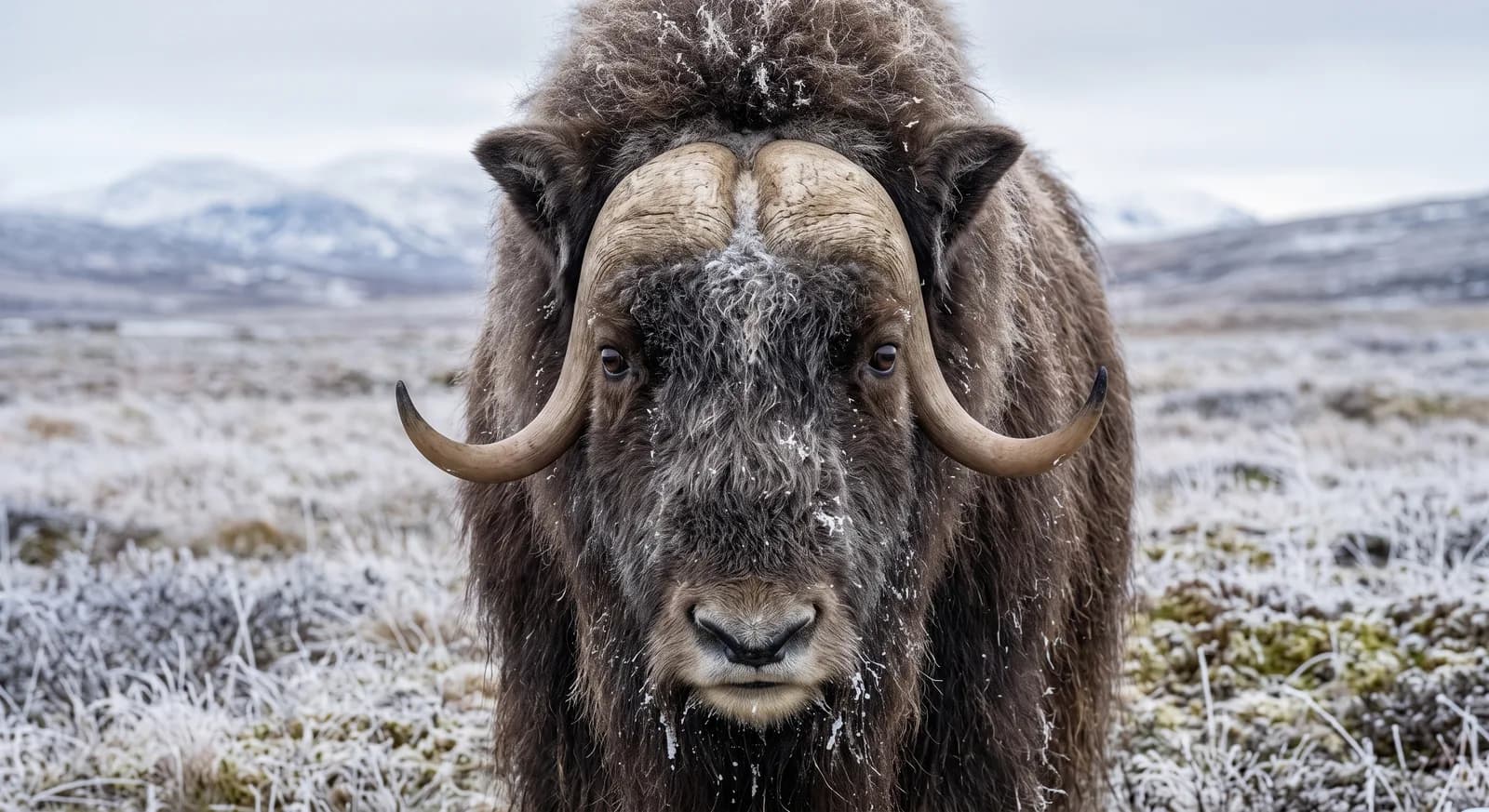 Least Concern
Muskox
Ovibos moschatus
North Pacific Right Whale
Eubalaena japonica
Keep exploring
Based on what we already know about steller's sea cow.
Comments
Share an experience, a fun fact or a tip for seeing the steller's sea cow.
Be the first to comment.