Mammals · Proboscidea · Elephantidae
Wooly Mammoth
Mammuthus primigenius
No living individual remains anywhere in the world. See full glossary
The woolly mammoth, woolly elephant or tundra mammoth is an extinct proboscidean of the elephant family that probably became extinct because of climate change and the loss of its habitat at the end of the Pleistocene. With its covering of long, shaggy hair, it was a species adapted to the extreme climate of the ice age. Mammuthus primigenius was similar in size to the average elephant of today. Many bones and curved tusks, as well as whole frozen bodies, of animals of this mammoth species have been found in Siberia, on the Arctic islands and in North America. The first complete specimen of this animal was discovered in 1806, near the mouth of the Lena river, in Siberia, Russia.
Weight
4 t – 6 t
Size
4 m – 5 m
Lifespan
60 years
Diet
Herbivore
Feeds mainly on plants.
Activity
Diurnal
Active mainly during the day.
Sighting difficulty
Impossible (extinct)
Fun facts
- GeneralIts last populations survived on Wrangel Island until some 4,000 years ago.
- The last population survived on Wrangel Island, in the Russian Arctic, until some 4,000 years ago: it was still alive when the pyramids of Giza had already been built.
- Its tusks, which in males could be more than four metres long, grew in a spiral and often crossed in front of the trunk.
Life cycle & biology
- Skeleton type
- Vertebrate - internal bony skeleton (mammal)
- Habitat & environment
- The mammoth steppe: cold, dry grassland of Eurasia and North America during the Pleistocene
- Gestation / incubation
- 22 months
- Litter / clutch size
- 1
Sources consulted: https://es.wikipedia.org/wiki/Mammuthus_primigenius
Related species
Other species in the catalogue with the most in common with Wooly Mammoth — same habitat, park, country, tags or family.
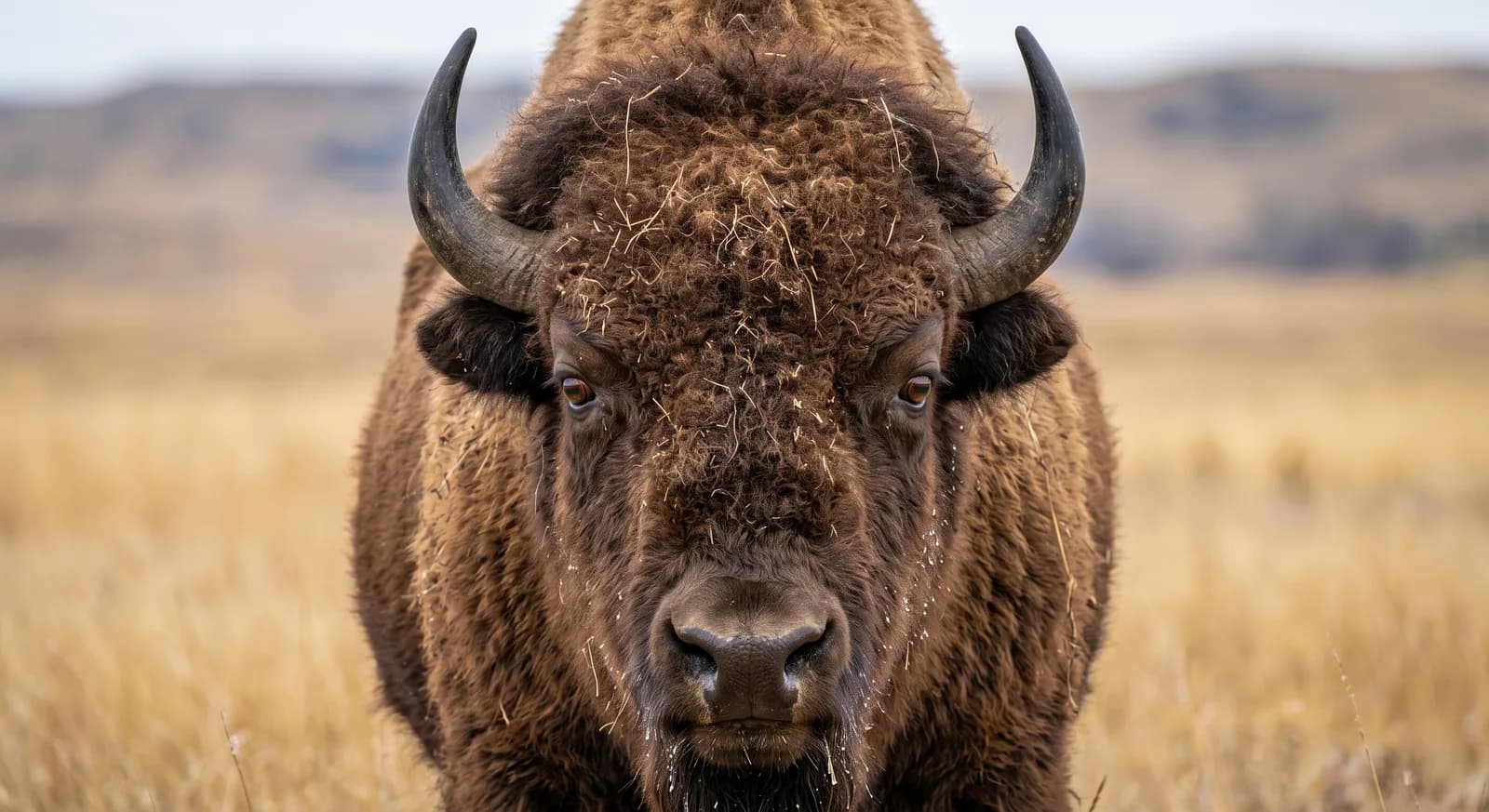 Near Threatened
American Bison
Bison bison
Common Vole
Microtus arvalis
 Least Concern
Black-tailed Prairie Dog
Cynomys ludovicianus
Pallas's Pika
Ochotona pallasii
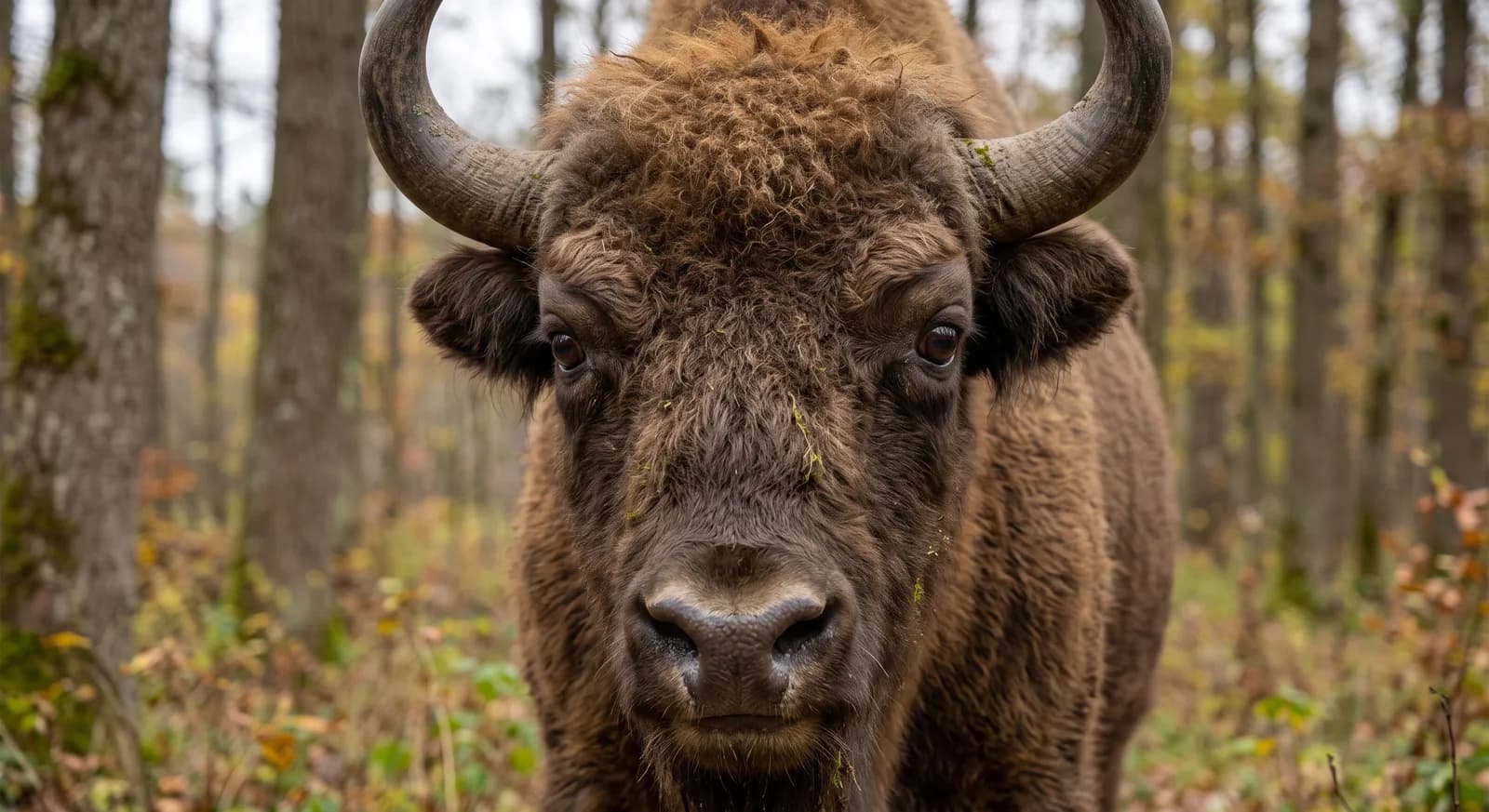 Near Threatened
European Bison
Bison bonasus
Blackbuck
Antilope cervicapra
Keep exploring
Based on what we already know about wooly mammoth.
Comments
Share an experience, a fun fact or a tip for seeing the wooly mammoth.
Be the first to comment.