
Mammals · Rodentia · Sciuridae
Black-tailed Prairie Dog
Cynomys ludovicianus
The species is abundant and widely distributed; it faces no significant short-term risk. See full glossary
It lives in vast cooperative underground 'towns'; the largest colony ever documented stretched across some 65,000 km² with an estimated population of 400 million.
Weight
700 g – 1.6 kg
Size
35.5 cm – 41.5 cm
Lifespan
4 years
Diet
Herbivore
Feeds mainly on plants.
Activity
Diurnal
Active mainly during the day.
Social structure
Colony
Lives in large concentrations, often for breeding reasons.
Sighting difficulty
Easy
Fun facts
- It is a keystone species that many predators depend on, the black-footed ferret among them.
- It feeds on short grasses, roots and seeds.
- It lives in the short, semi-arid grassland of the Great Plains of North America.
Life cycle & biology
- Skeleton type
- Vertebrate - internal bony skeleton (mammal)
- Habitat & environment
- Short, semi-arid grassland of the Great Plains of North America
- Birth weight
- ~15 g at birth, blind and hairless
- Size at birth
- ~15 g at birth
- Sexual maturity
- 2 years
- Gestation / incubation
- 30-38 days (average ~34.6 days)
- Litter / clutch size
- 1 to 8 pups per litter (3-4 on average by the time they emerge from the burrow)
- Lifespan in captivity
- Documented record of up to 15 years
Sources consulted: Animal Diversity Web; AnAge (genomics.senescence.info); Center for Biological Diversity; NHPBS NatureWorks; Smithsonian National Zoo; EDDMapS; Texas Tech NSRL Mammals of Texas; SDZWA Fact Sheet
Where to watch it
Parks and dive sites where this species has been documented.
Related species
Other species in the catalogue with the most in common with Black-tailed Prairie Dog — same habitat, park, country, tags or family.
Woodchuck
Marmota monax
Fox Squirrel
Sciurus niger
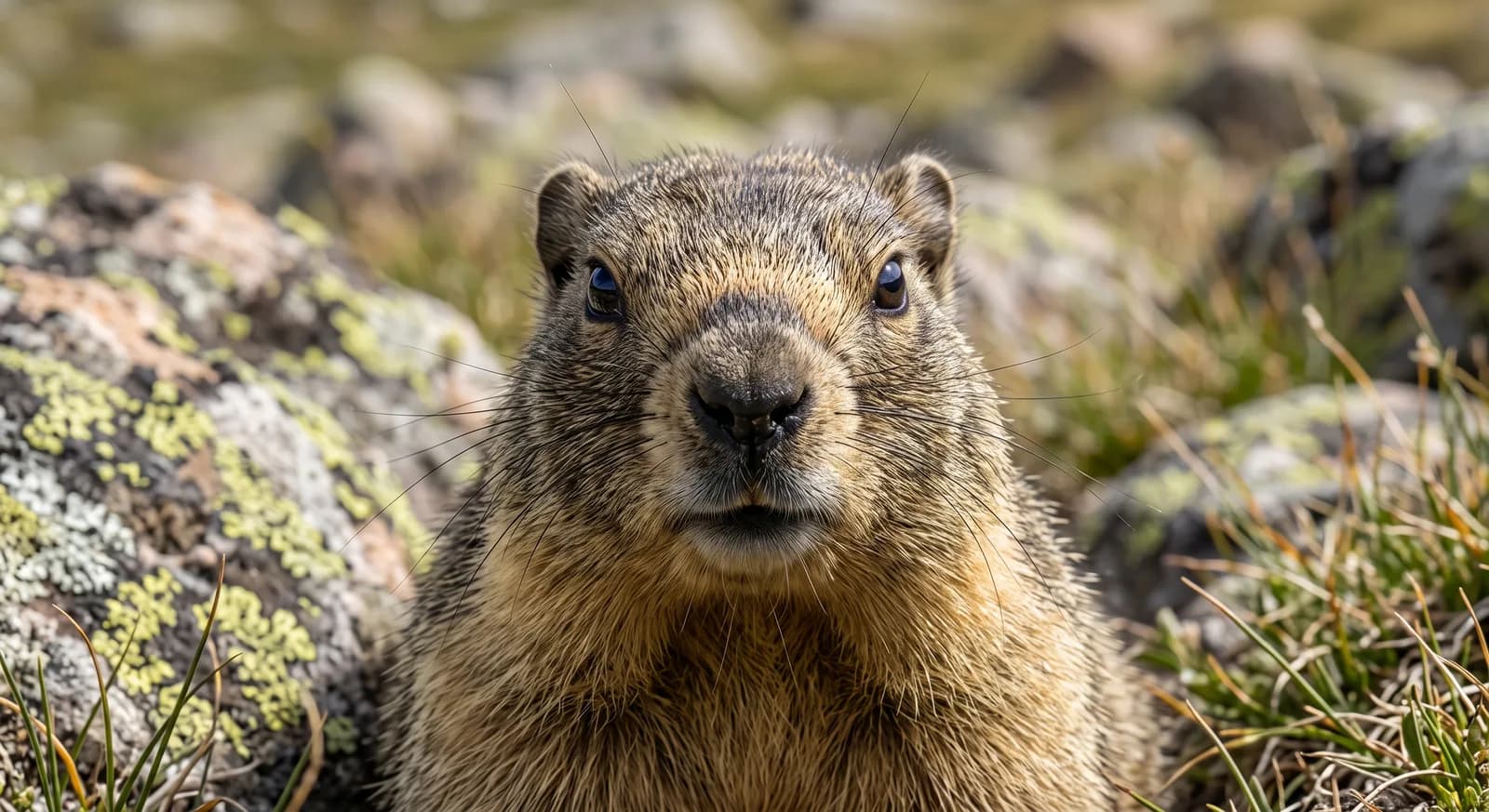
Olympic Marmot
Marmota olympus
 Least Concern
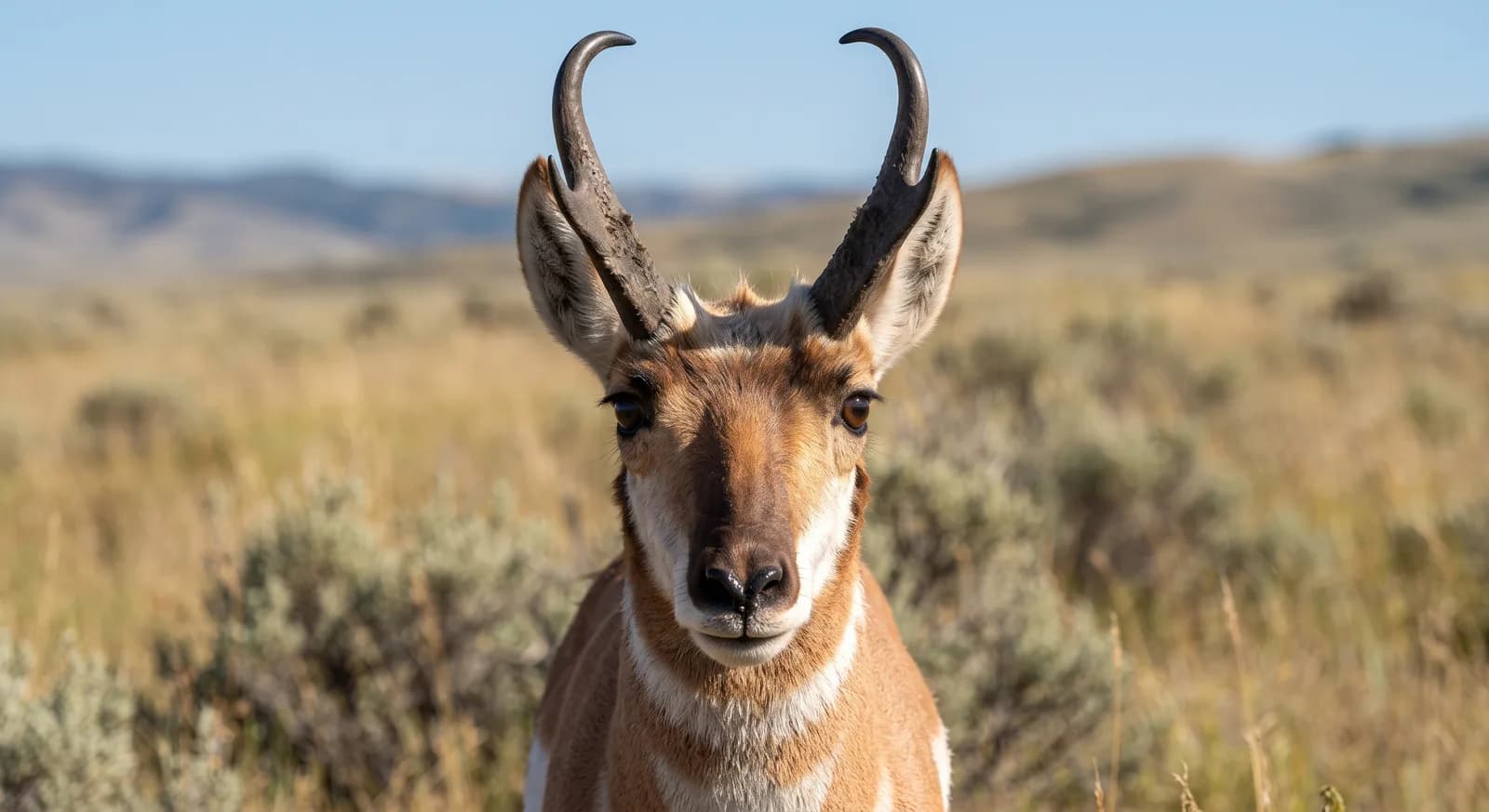
Pronghorn
Antilocapra americana
 Least Concern
Yellow-bellied Marmot
Marmota flaviventris
Hoary Marmot
Marmota caligata
Keep exploring
Based on what we already know about black-tailed prairie dog.
Comments
Share an experience, a fun fact or a tip for seeing the black-tailed prairie dog.
Be the first to comment.