 Vulnerable
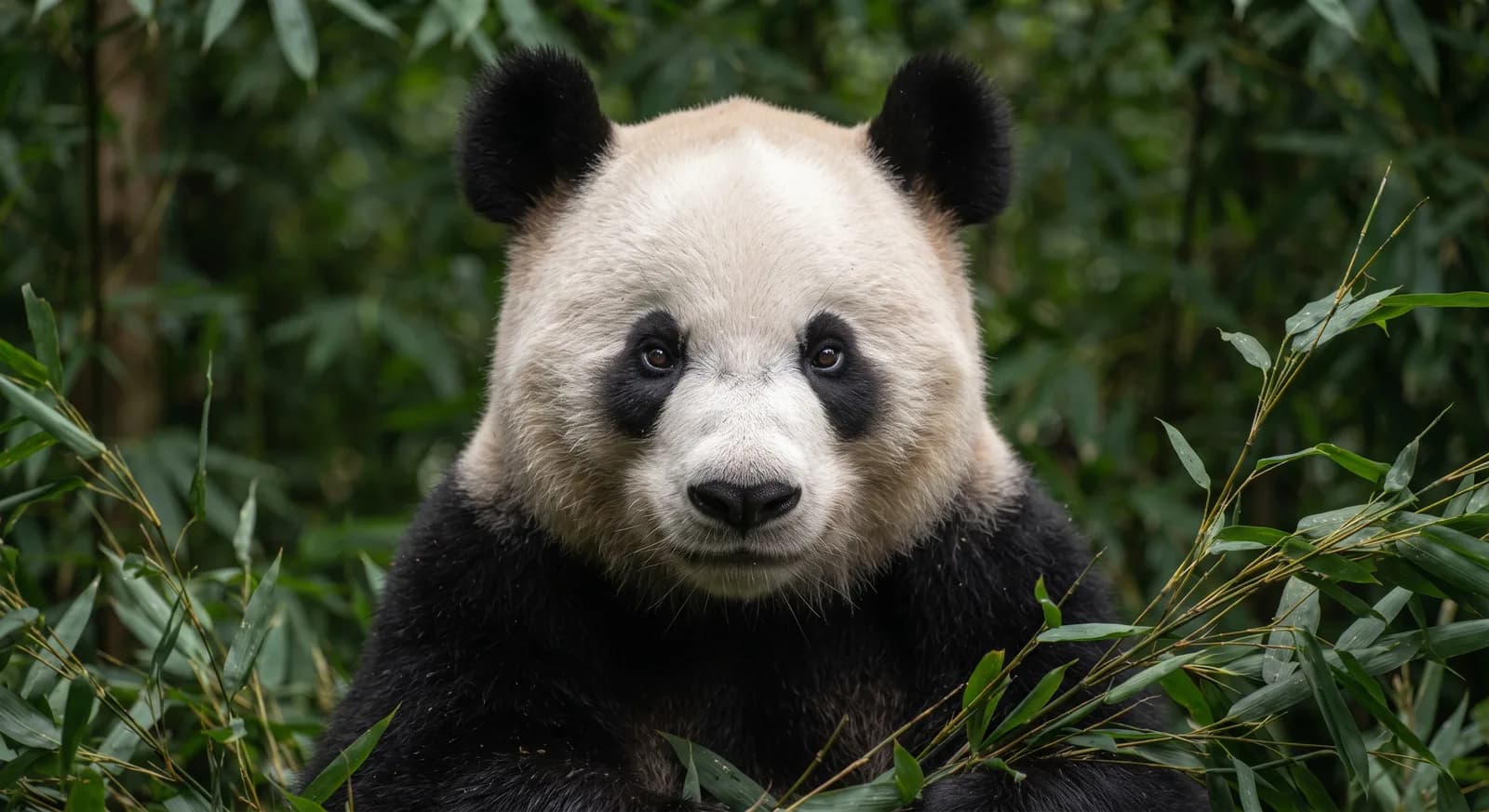
Giant Panda
Ailuropoda melanoleuca
Seven reserves and nine scenic parks in the Qionglai and Jiajin mountains, home to most of the world's wild pandas.
Area
9,245 km²
Designated in
2006
Region
East Asia
Bamboo forest of the Qionglai and Jiajin mountains
The Sichuan Giant Panda Sanctuaries are a serial natural property inscribed on the World Heritage List in 2006 that brings together seven nature reserves and nine scenic parks in the Qionglai and Jiajin mountains, in the south-west of Sichuan province. It is the largest contiguous stretch of giant panda habitat left in the world and holds a very high proportion of the species' wild population, as well as being the principal source of animals for the captive breeding programmes.
The landscape is one of mid-altitude and high mountains, on the step that separates the Sichuan basin from the Tibetan plateau, with an enormous altitudinal gradient and a succession of temperate and subtropical forests beneath whose canopy grow the bamboo species the panda depends on. It is a botanically extraordinary area: it is reckoned one of the richest centres of plant diversity in the world outside the tropics, with between 5,000 and 6,000 plant species, and it was the source of many of the ornamental species now grown in gardens across the planet.
Alongside the giant panda live the red panda, the clouded leopard, the snow leopard at higher altitudes, the Sichuan snub-nosed monkey and numerous pheasants. The Wolong mountains, within the property, have for decades been the principal centre for panda research and breeding, and suffered severe damage in the Wenchuan earthquake of 2008.
Threatened:,
Endemic species of China:
Ecosystems found in China, where Sichuan Giant Panda Sanctuaries lies.
Which other parks are like this one?
Same country: China
Same country: China
Same country: China
Same country: China
Based on what we already know about this park.
Climate
Tropical, Arid / desert, Temperate, Polar / cold, Mountain
Best season
March to May
 China