Skip to content
WAnimals
  • Map
  • Species
  • Parks
  • Diving
Log inCreate account
WAnimals

The guide for travellers and animal lovers: discover, plan and share your wild adventures around the world.

Discover wildlife

  • Species
  • Ecosystems
  • Glossary
  • Tags

Explore places

  • Map
  • Countries
  • Parks
  • Diving

Plan experiences

  • Guides

Learn

  • Blog

Resources

  • About us
  • How we build our profiles
  • Help centre
  • Contact
  • Install the app

Follow us

Account

  • Log in
  • Create account

© 2026 WAnimals. All rights reserved.

Terms of servicePrivacyCookiesLegal notice
MapSpeciesParksDiving
  1. Home
  2. Parks
  3. Ukraine
  4. Synevyr
National ParkUNESCO World Heritage

Synevyr

Russia and Eastern EuropeDesignated in 1989405 km²
Spotted something wrong?

Virgin beech forests up to three hundred years old in the eastern Carpathians, inscribed by UNESCO in 2017.

Area

405 km²

Designated in

1989

Region

Russia and Eastern Europe

Highlight

Never-logged primeval beech forests and Lake Synevyr

Synevyr National Park was established in Zakarpattia province, in south-western Ukraine, and protects some 40,400 hectares of the eastern Carpathians. Its best-known feature is Lake Synevyr, a mountain body of water formed by a landslide that dammed the valley, designated a Ramsar site on 29 July 2004.

Its forest value is of the first order. The park brings together some of the largest beech forests of the eastern Carpathians, outstanding examples of virgin woodland that was never exploited: pure beech stands predominate, with trees up to three hundred years old, alongside mixed stands of beech and spruce. Nine endemic plant species grow here, among them the Carpathian knapweed and buttercup, and the integrity of the area has allowed the faunal composition to remain authentic. The spread of beech to higher altitudes is being studied as an example of an ecological process under way in association with climate change.

On 13 July 2017 the Darvaika, Kvasovets, Strymba and Vilshany sectors of the park were added to the World Heritage List as one of the massifs of the serial property of the ancient and primeval beech forests of Europe. The park is home to brown bear — with a bear rehabilitation sanctuary within its boundaries — wolf, lynx, wild boar, otter, badger and stoat.

Location

Loading map…

Synevyr: 20 documented species

Mammals5Birds1Reptiles2Fish

Flora and ecosystems

Ecosystems found in Ukraine, where Synevyr lies.

Temperate forestWetland

Experiences in this park

Birdwatching

Similar parks

Which other parks are like this one?

Same country: Ukraine

Same country: Ukraine

Same country: Ukraine

Same country: Ukraine

Keep exploring

Based on what we already know about this park.

Share your experience visiting Synevyr, or a tip for other travellers.

Climate

Arid / desert, Temperate, Mountain

Plan your visit

Area
405 km²
See location
7
Insecta5

Threatened:

Ukraine · Russia and Eastern Europe
See on the interactive map→
UNESCO
National Park

Carpathians

Ukraine

Brown bear · Eurasian lynx

See park
National Park

Shatsky

Ukraine

Eurasian Beaver · Otter

See park
UNESCO
Biosphere Reserve

Carpathian Biosphere Reserve

Ukraine

Brown Bear · Wolf

See park
Biosphere Reserve

Askania-Nova

Ukraine

Takhi · saiga

See park
CountryUkraine
This page in other languages: Español · Deutsch · Français · Português · Italiano
More places in Ukraine
Southern Water Vole
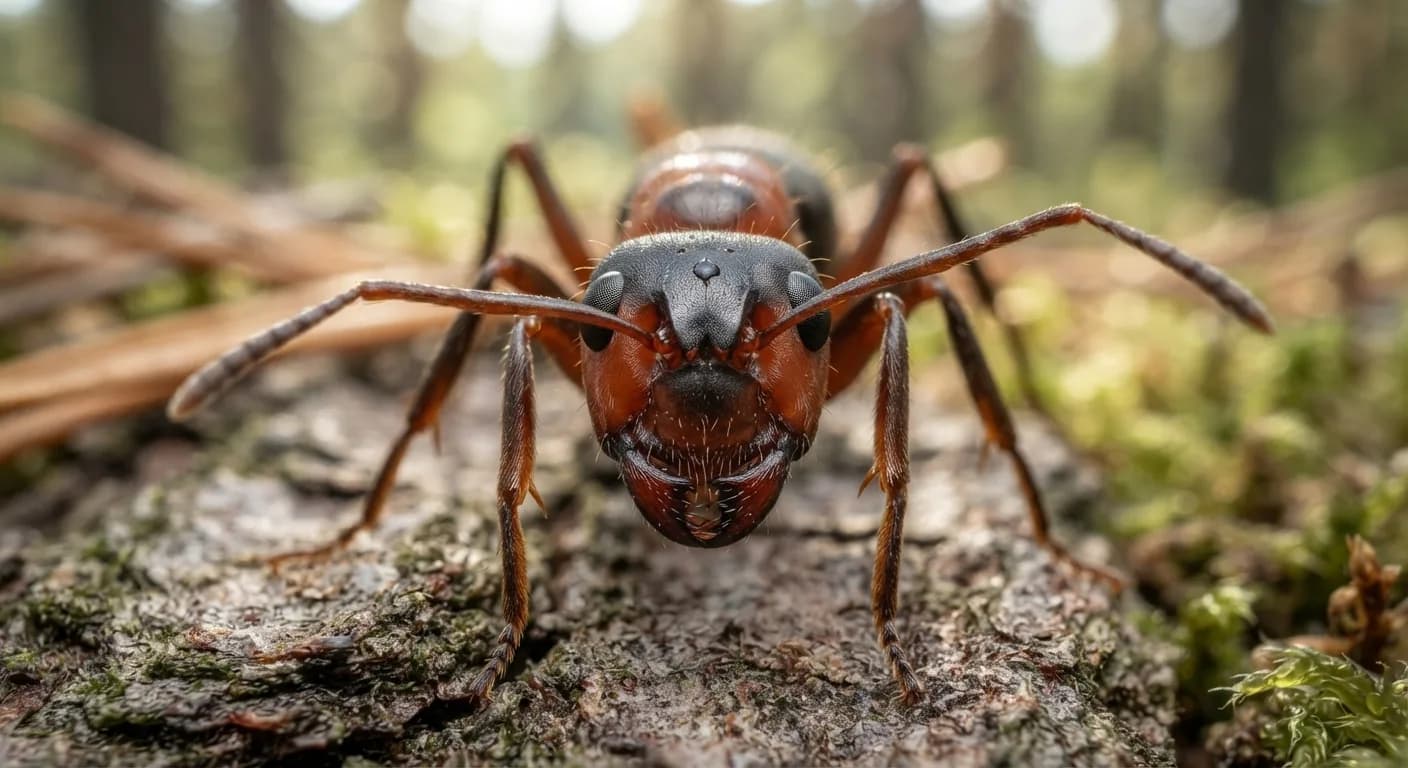
Red Wood AntNear Threatened

Red Wood Ant

Formica rufa

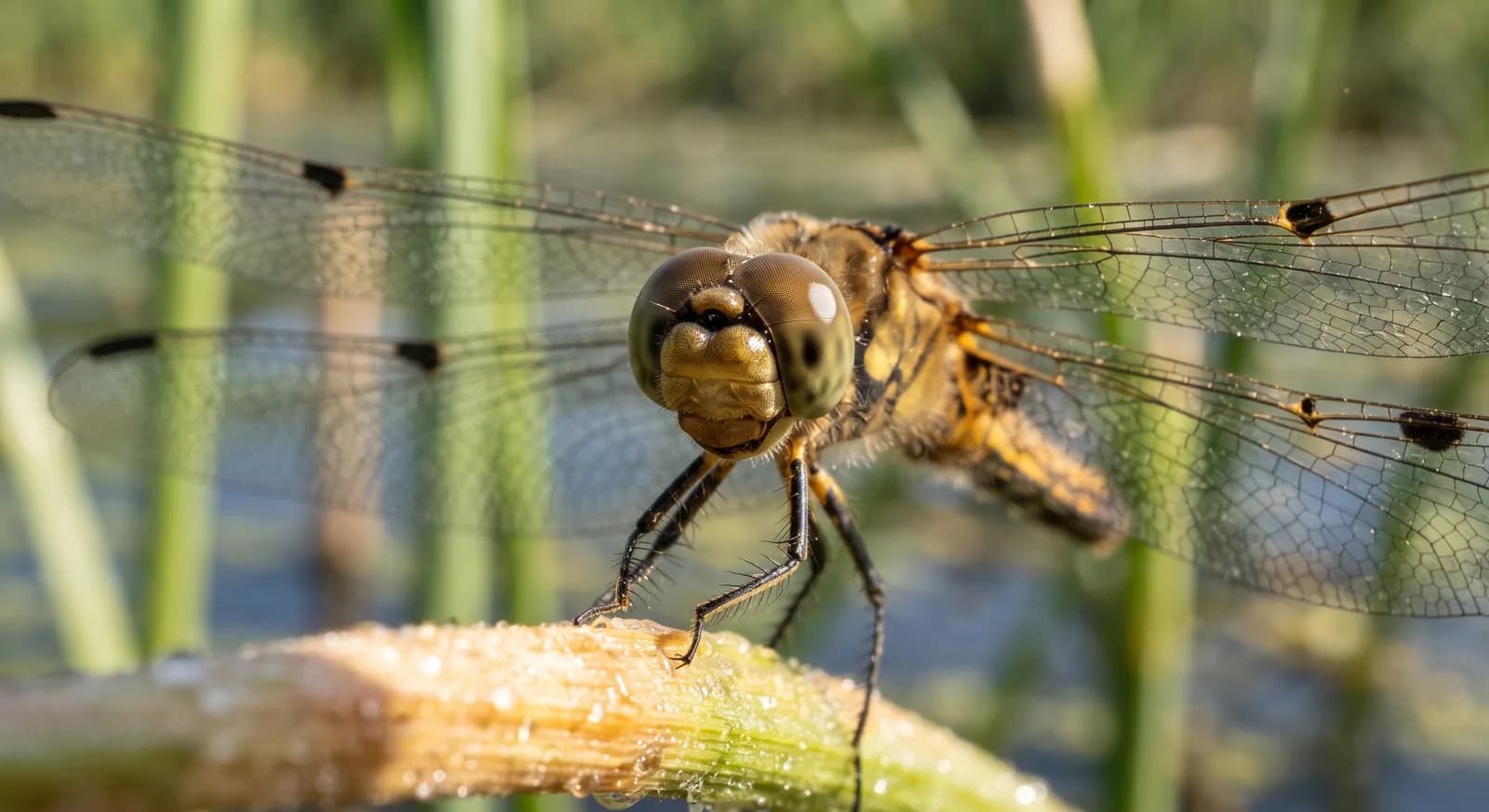
Four-spotted ChaserLeast Concern

Four-spotted Chaser

Libellula quadrimaculata

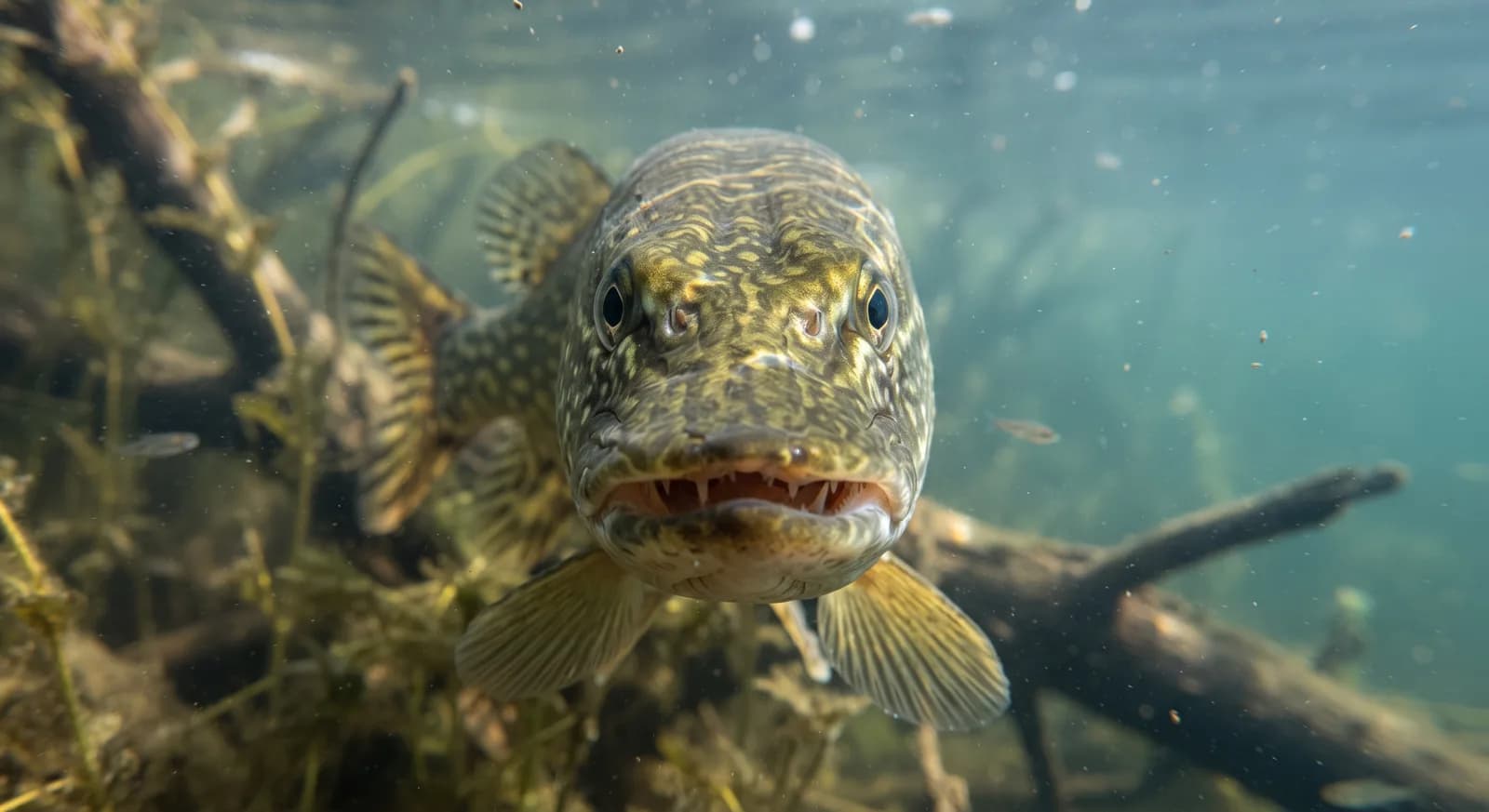
PikeLeast Concern

Pike

Esox lucius

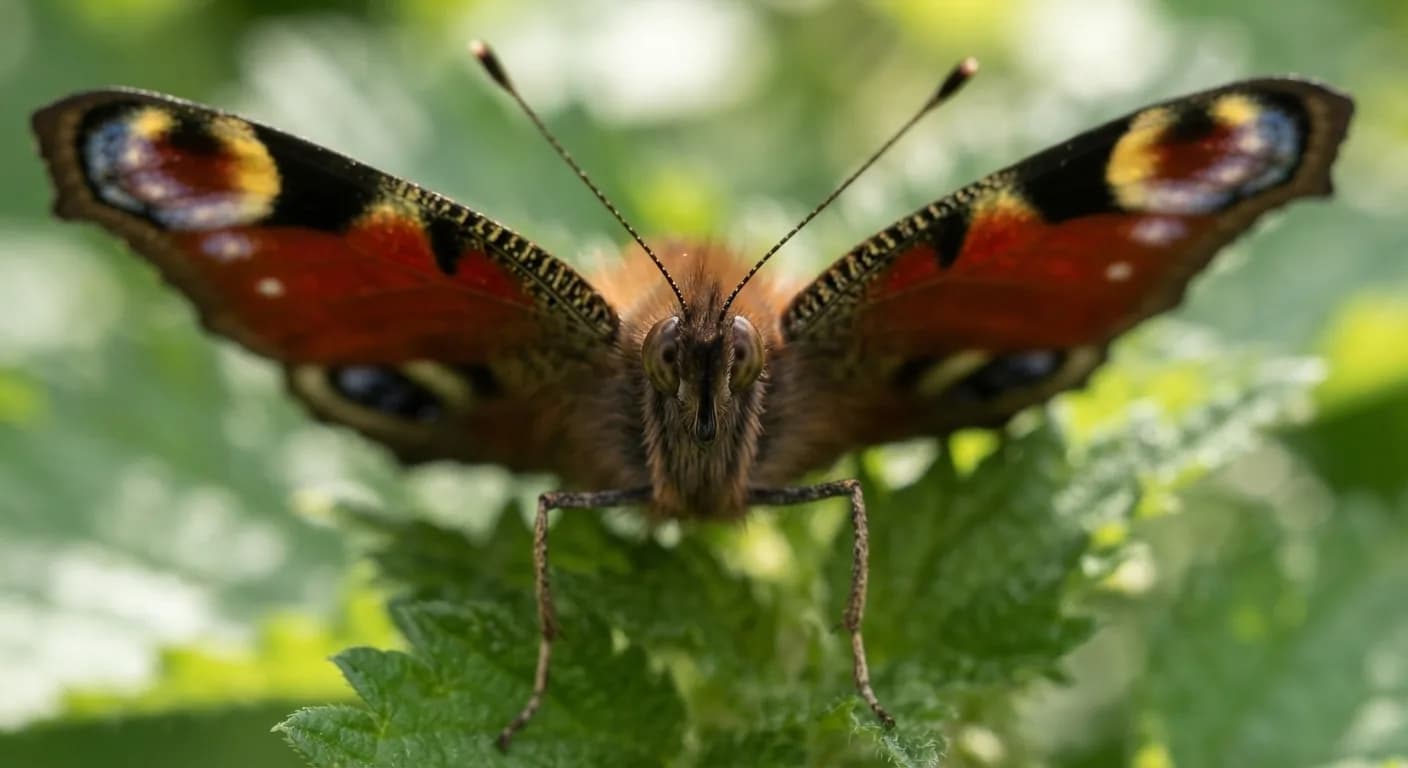
PeacockLeast Concern

Peacock

Aglais io

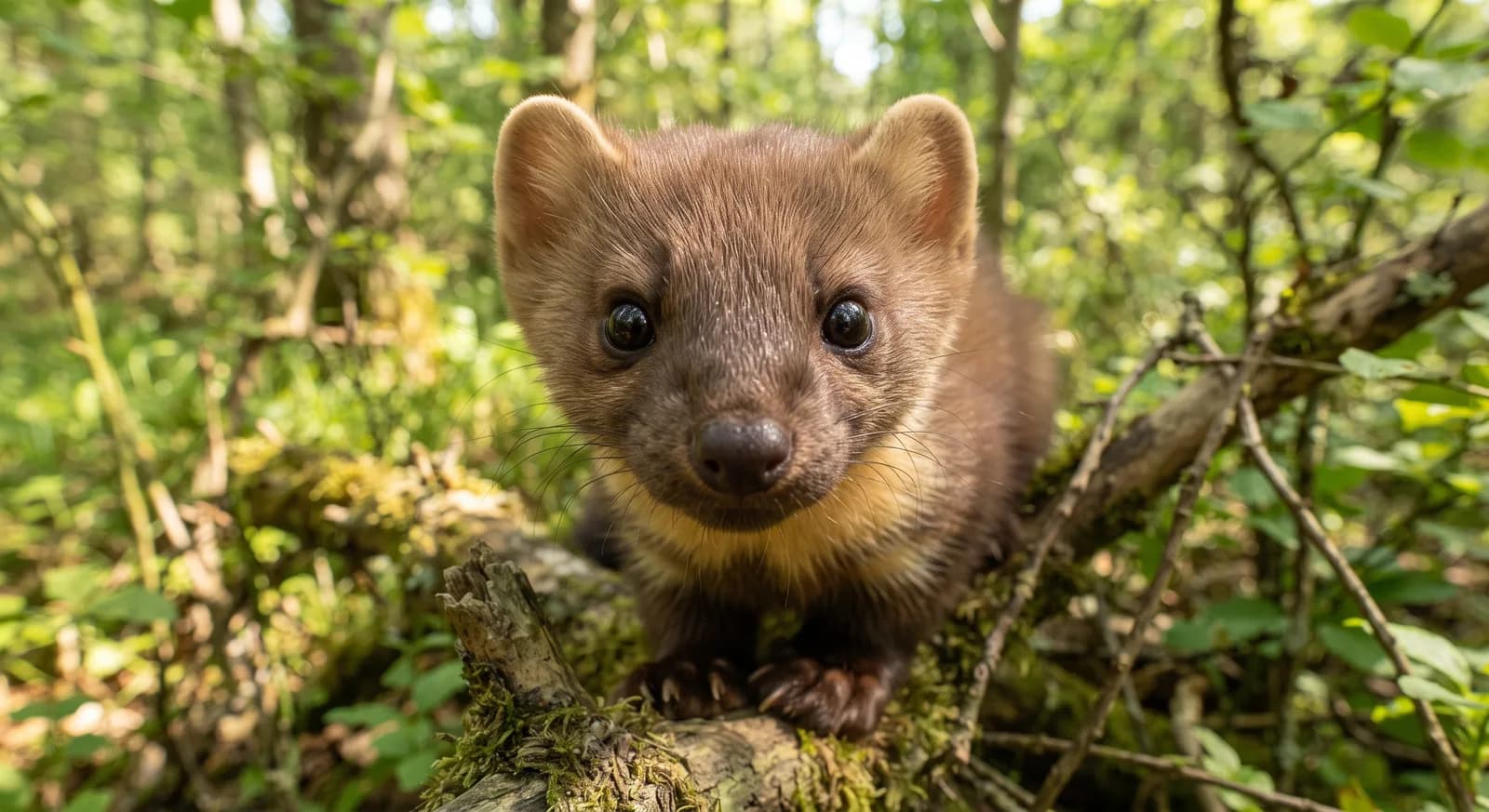
Pine MartenLeast Concern

Pine Marten

Martes martes

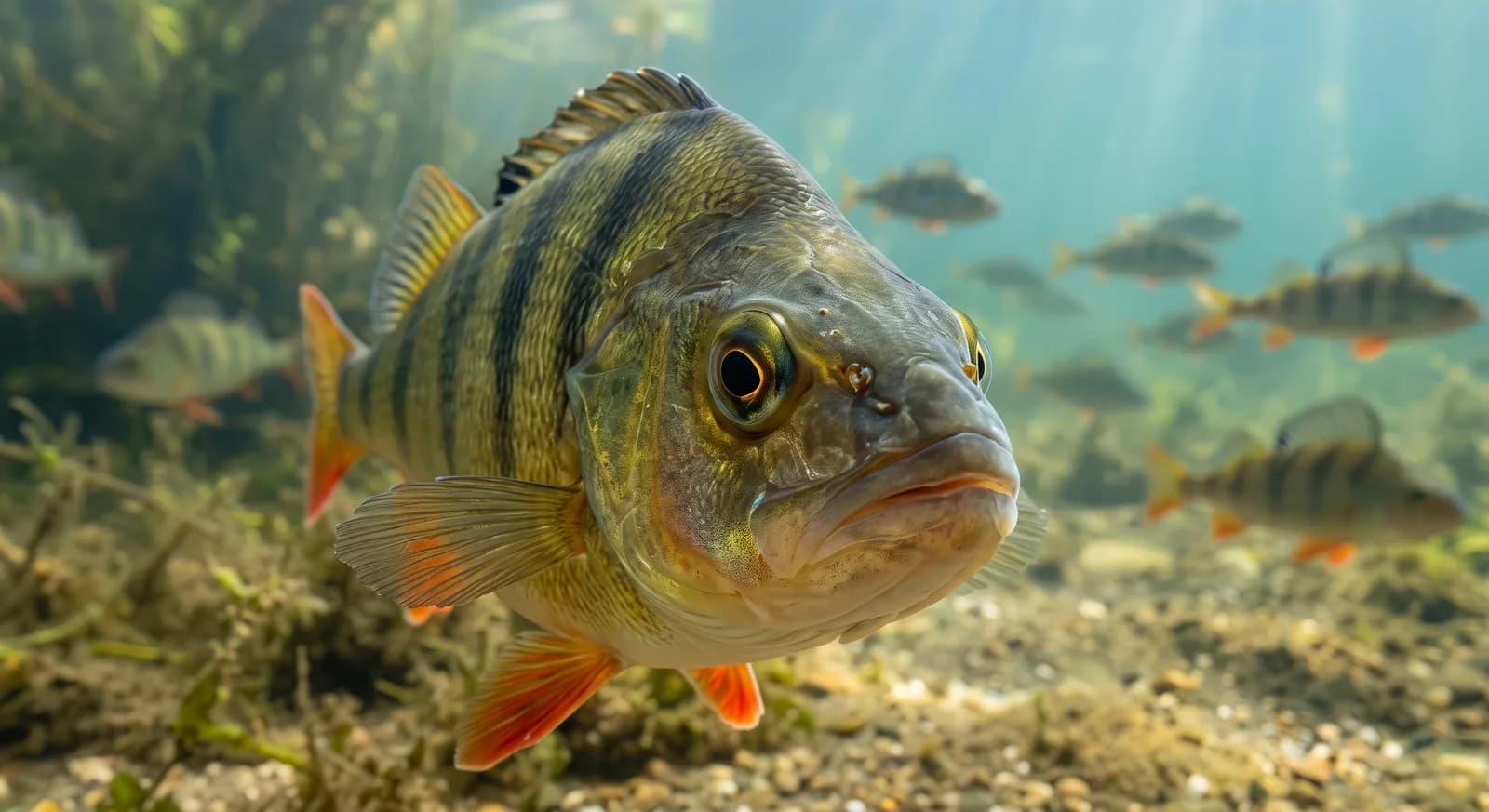
PerchLeast Concern

Perch

Perca fluviatilis

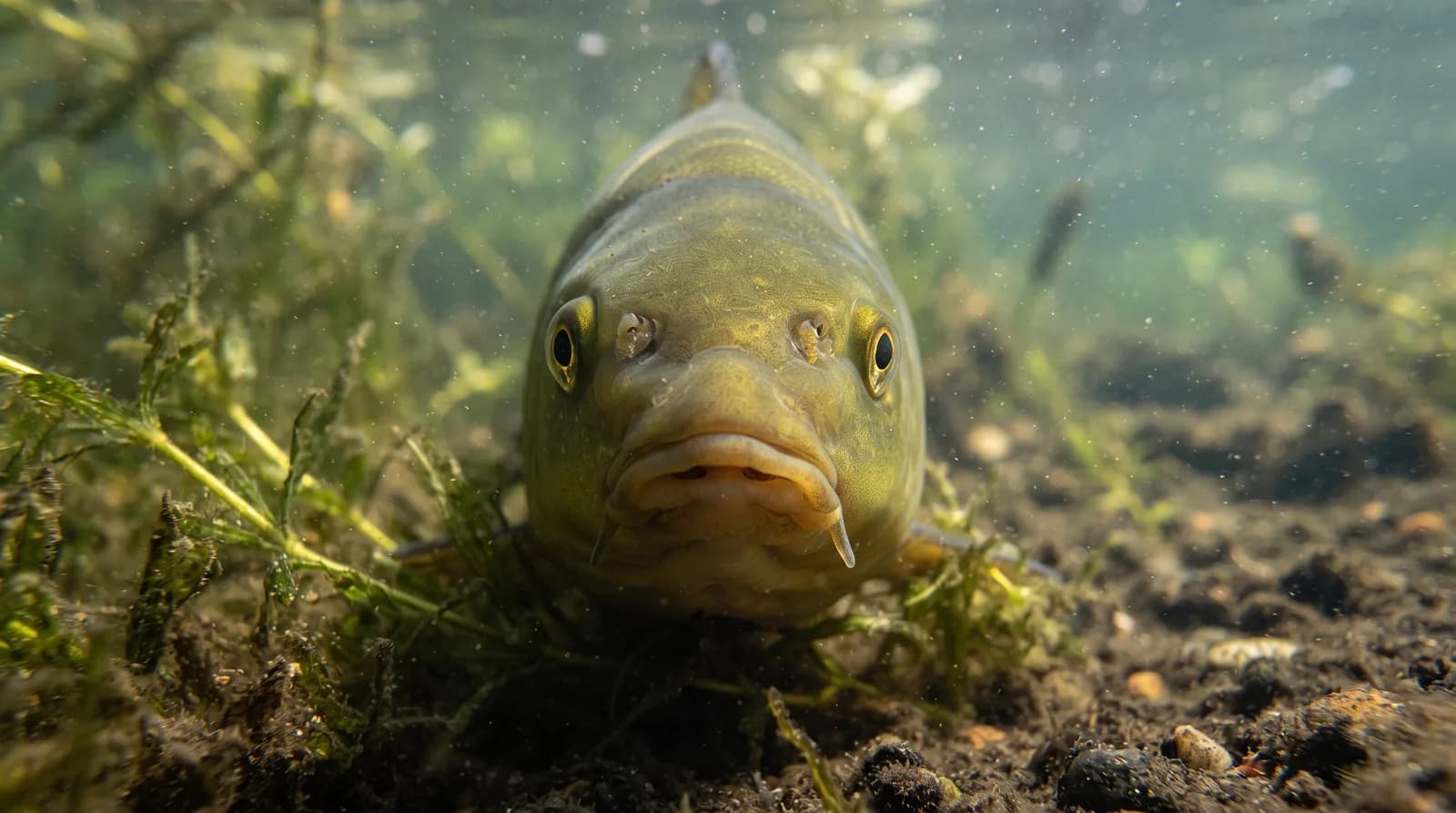
TenchLeast Concern

Tench

Tinca tinca

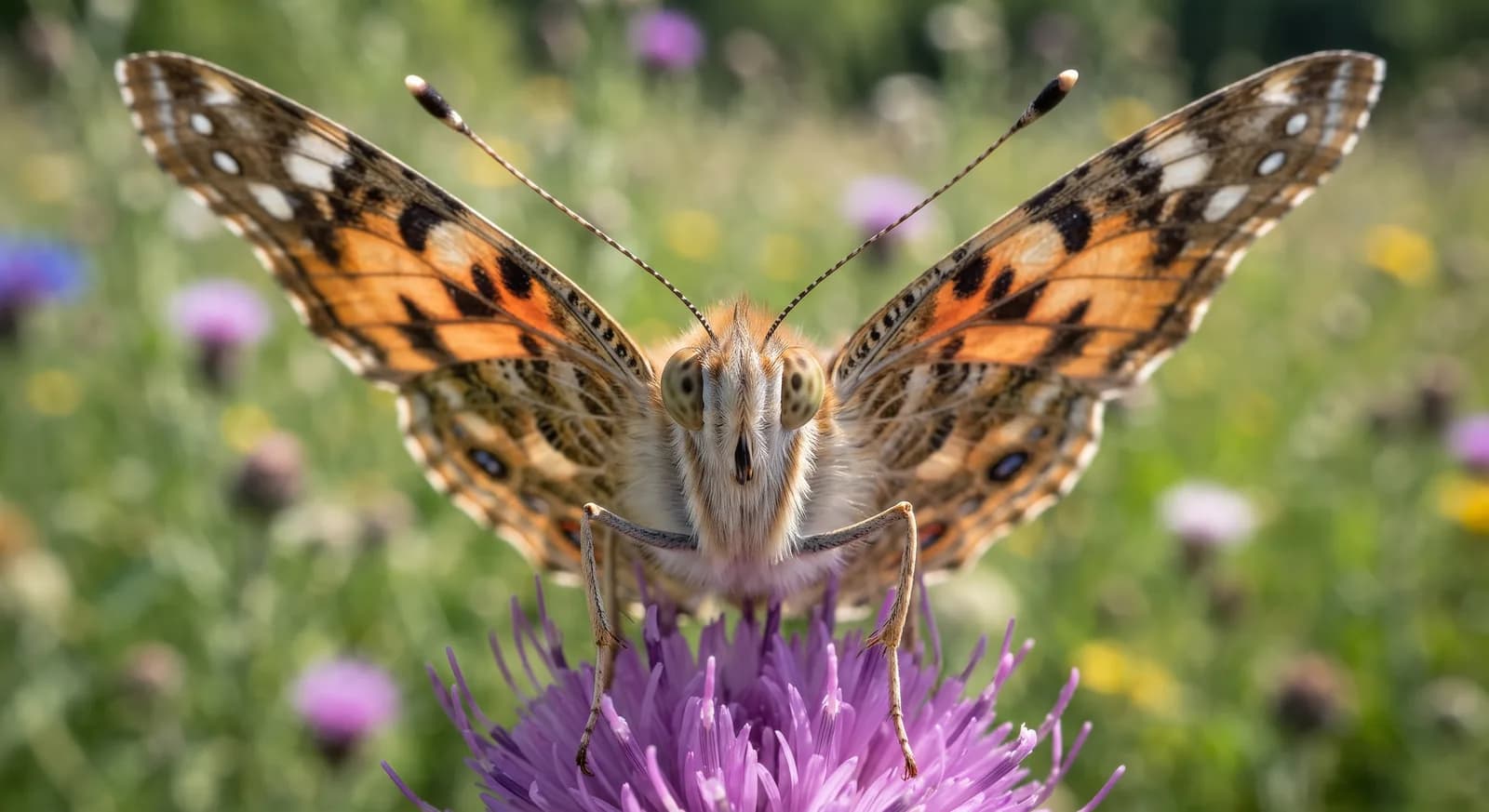
Painted LadyLeast Concern

Painted Lady

Vanessa cardui

Least Concern

Common Bream

Abramis brama

Least Concern

Rosalia Longicorn

Rosalia alpina

Least Concern

Least Weasel

Mustela nivalis

Least Concern

Sand Lizard

Lacerta agilis

See all 20 species found here
Temperate forest
World Heritage