Skip to content
WAnimals
  • Map
  • Species
  • Parks
  • Diving
Log inCreate account
WAnimals

The guide for travellers and animal lovers: discover, plan and share your wild adventures around the world.

Discover wildlife

  • Species
  • Ecosystems
  • Glossary
  • Tags

Explore places

  • Map
  • Countries
  • Parks
  • Diving

Plan experiences

  • Guides

Learn

  • Blog

Resources

  • Help centre
  • Contact
  • Install the app

Follow us

Account

  • Log in
  • Create account

© 2026 WAnimals. All rights reserved.

About usHow we build our profilesTerms of servicePrivacyLegal notice
MapSpeciesParksDiving
  1. Home
  2. Species
  3. Cat Flea

One of the 2 fleas on WAnimals

Insects · Siphonaptera · Pulicidae

Cat Flea

Ctenocephalides felis

Not Evaluated

It has not yet been assessed against the IUCN criteria.

Spotted something wrong?

The cat flea is a wingless insect, flattened side to side and with jumping hind legs. It is the commonest flea in the world and, despite its name, the one found on most dogs. It feeds on blood and lives permanently on its host.

Size

0.1 cm – 0.3 cm

Diet

Carnivore

Feeds mainly on other animals.

Social structure

Solitary

Lives and hunts alone, joining others only to breed.

Sighting difficulty

Unknown

Grassland
1same family

Fun facts

  • It jumps more than a hundred times its own length thanks to a block of resilin, an elastic protein that stores energy like a spring and releases it all at once.
  • Only a tiny fraction of the population is on the animal: the eggs, larvae and pupae build up in carpets, beds and cracks in the floor, which is why treating the pet alone never clears an infestation.
  • It transmits the tapeworm Dipylidium caninum and the bacterium that causes cat scratch disease.
  • It is the commonest flea in the world on dogs and cats, and also the one that most often bites people.
  • The adult needs a blood meal every hour, so once it finds a host it does not leave it.
  • The eggs are not sticky: they fall out of the coat like grains of salt, so the real nest is the carpet or the animal's bed, not the animal.
  • The pupa can hold on for months inside its cocoon and emerges only on a specific cue: warmth, physical pressure or carbon dioxide — in other words, a host arriving.
  • It transmits Bartonella henselae, the bacterium of cat scratch disease, and Rickettsia felis.

Life cycle and biology

Skeleton type
Invertebrate - chitin exoskeleton (insect)
Habitat and environment
The coats of cats, dogs and other mammals, and the carpets and textiles of the home
Size at birth
Oval egg of about 0.5 mm; newly hatched larva of 1.5 mm, reaching 5 mm before pupating
Gestation / incubation
The eggs hatch between one and three weeks; the full cycle from egg to adult takes between 30 and 75 days
Litter / clutch size
From 20 to 30 eggs a day and about 600 over its lifetime; under optimal conditions about 25 a day for a month

Sources consulted: https://es.wikipedia.org/wiki/Ctenocephalides_felis; EBSCO Research Starters; ScienceDirect, Cat flea; Oklahoma State University Extension; EBSCO Research Starters, ficha Cat flea; University of Georgia IPM, ficha Ctenocephalides felis

Related species

Other species in the catalogue with the most in common with Cat Flea — same habitat, park, country, tags or family.

Same taxonomic family
Related to
Related to
Related to
Related to
Related to

Keep exploring

Based on what we already know about cat flea.

Comments

Share an experience, a fun fact or a tip for seeing the cat flea.

Be the first to comment.
See full glossary
This page in other languages: Español · Deutsch · Français · Português · Italiano
Not Evaluated

Human Flea

Pulex irritans

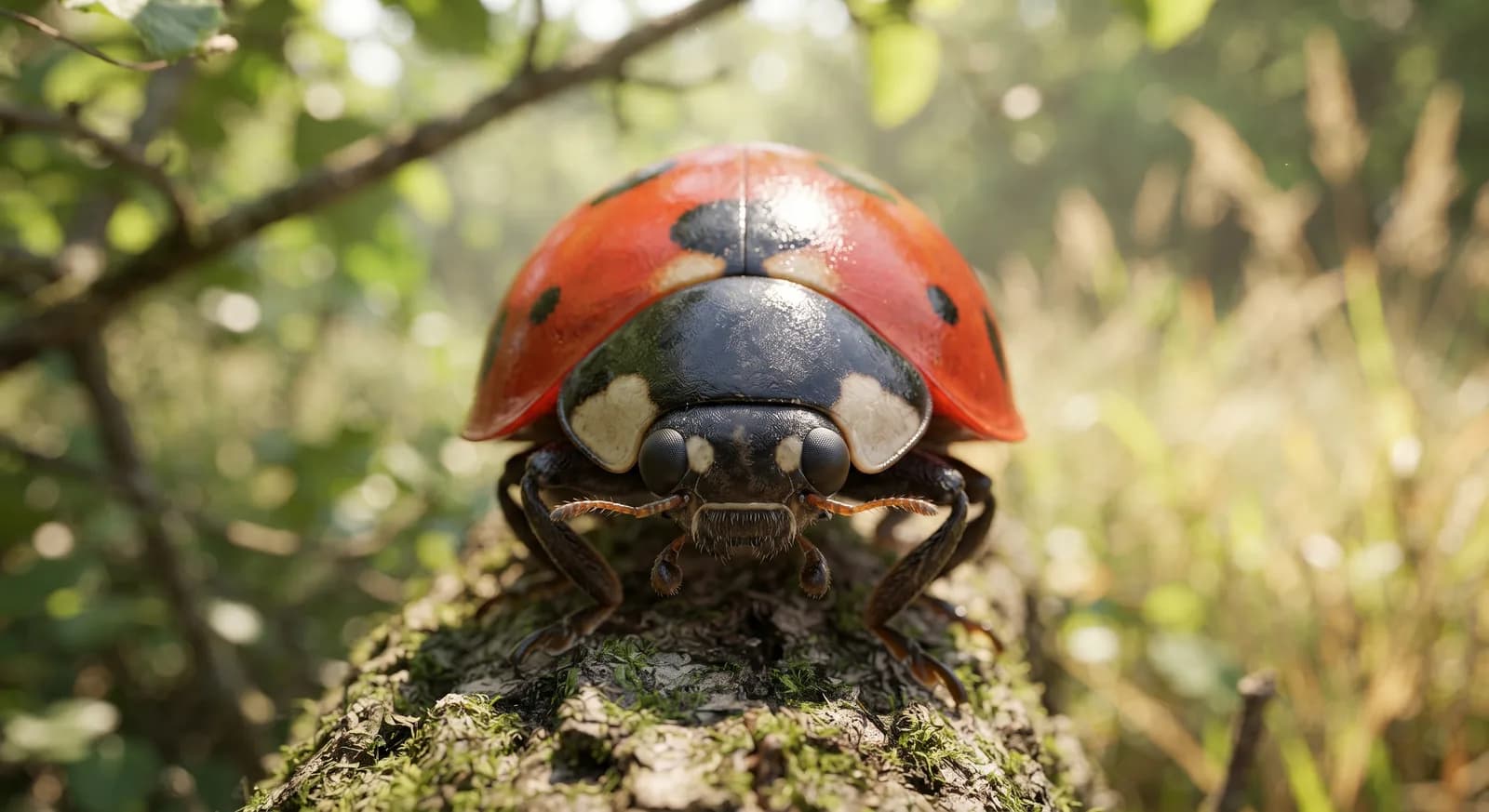
Seven-spotted Lady BeetleNot Evaluated

Seven-spotted Lady Beetle

Coccinella septempunctata

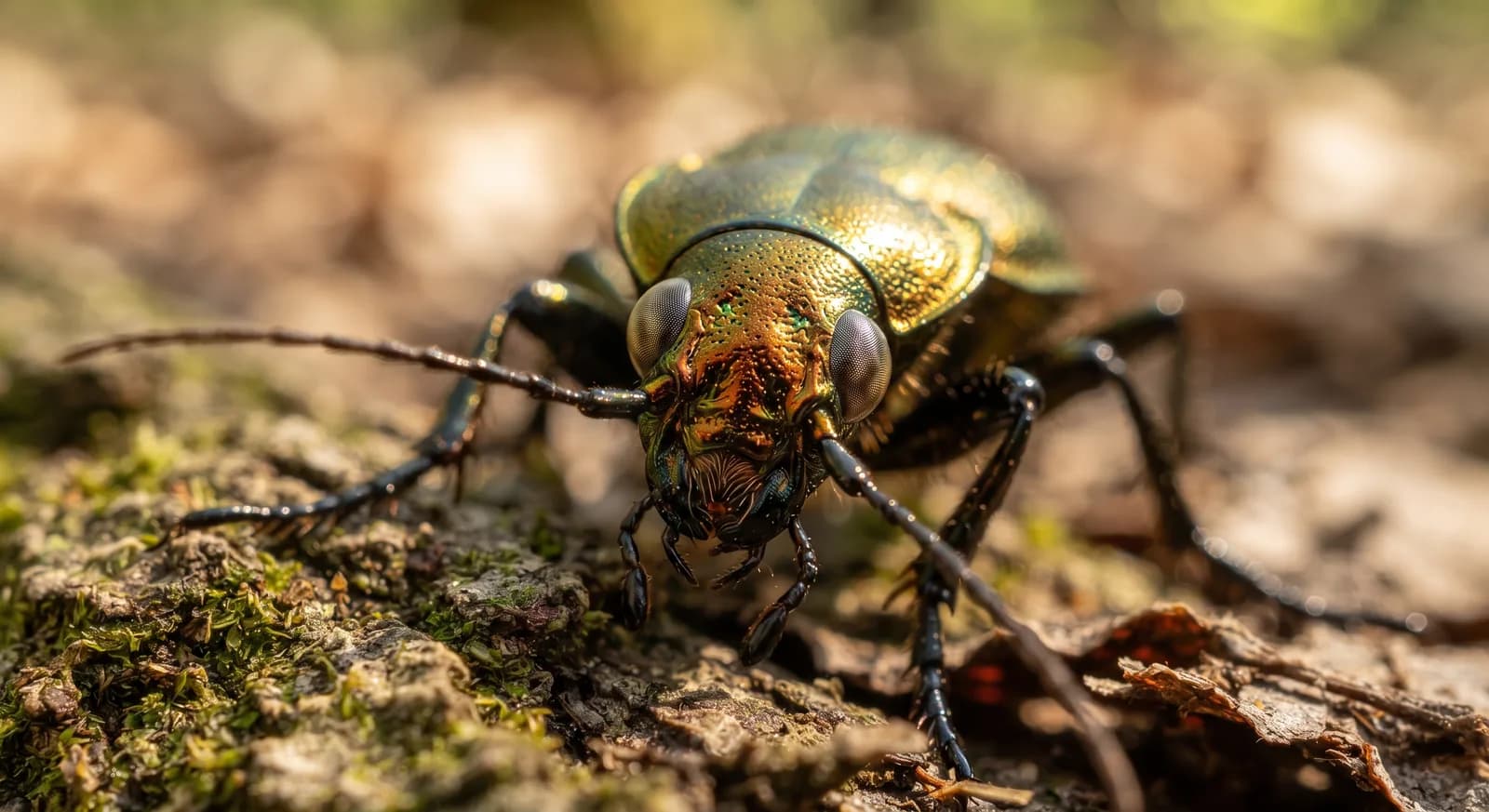
Golden Ground BeetleLeast Concern

Golden Ground Beetle

Carabus auratus

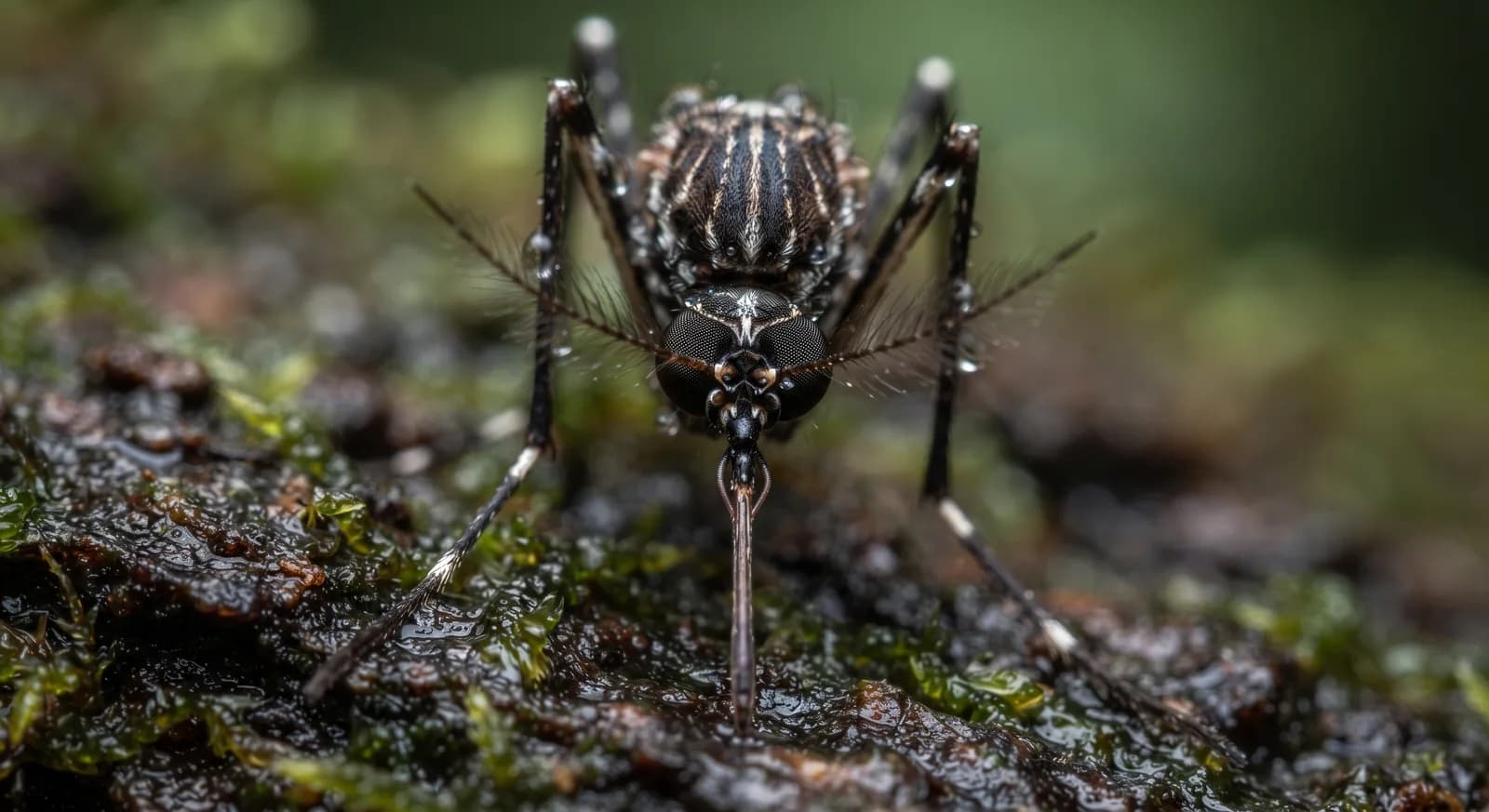
Yellow Fever MosquitoNot Evaluated

Yellow Fever Mosquito

Aedes aegypti

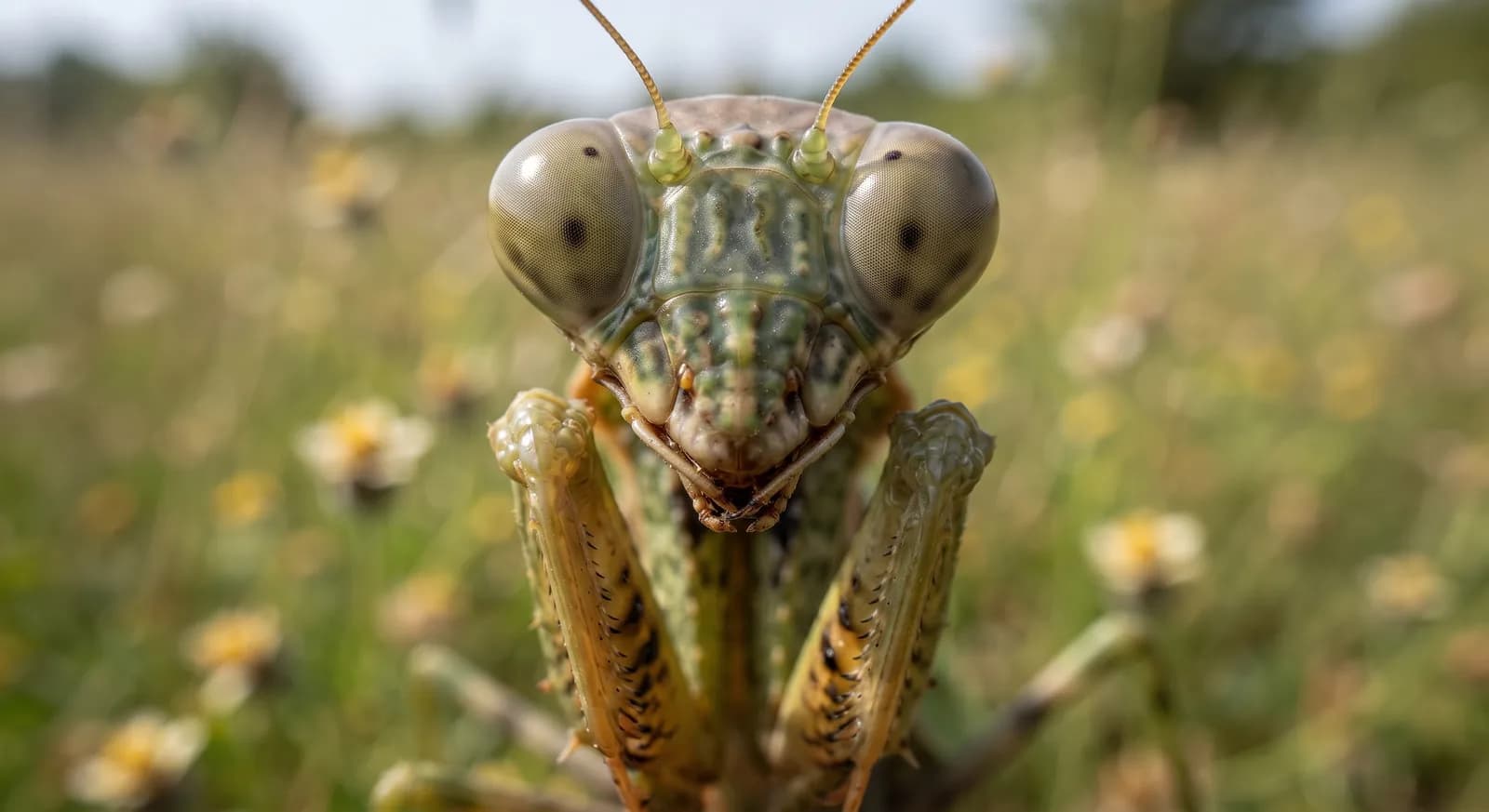
Praying MantisLeast Concern

Praying Mantis

Mantis religiosa

Not Evaluated

Kissing Bug

Triatoma infestans

TagsCarnivore
Carnivore
Solitary
Insect
Grassland