Skip to content
WAnimals
  • Map
  • Species
  • Parks
  • Diving
Log inCreate account
WAnimals

The guide for travellers and animal lovers: discover, plan and share your wild adventures around the world.

Discover wildlife

  • Species
  • Ecosystems
  • Glossary
  • Tags

Explore places

  • Map
  • Countries
  • Parks
  • Diving

Plan experiences

  • Guides

Learn

  • Blog

Resources

  • About us
  • How we build our profiles
  • Help centre
  • Contact
  • Install the app

Follow us

Account

  • Log in
  • Create account

© 2026 WAnimals. All rights reserved.

Terms of servicePrivacyCookiesLegal notice
MapSpeciesParksDiving
  1. Home
  2. Species
  3. Human Flea

One of the 2 fleas on WAnimals

Insects · Siphonaptera · Pulicidae

Human Flea

Pulex irritans

Not Evaluated

It has not yet been assessed against the IUCN criteria.

Spotted something wrong?

The human flea is a siphonapteran insect of the family Pulicidae. It is an ectoparasite of warm-blooded vertebrates and feeds on blood. It has a cosmopolitan distribution and a very wide range of hosts, humans included. It is in fact the flea species that most frequently parasitises humans, although it is not exclusive to our species, as might mistakenly be inferred from the common name given to Pulex irritans in various languages.

Size

0.2 cm – 0.4 cm

Life expectancy

1 year

Diet

Carnivore

Feeds mainly on other animals.

Social structure

Solitary

Lives and hunts alone, joining others only to breed.

Grassland
1same family

Fun facts

  • Its role in the great plague epidemics has been debated for decades: the models that best reproduce the speed at which the Black Death spread across Europe implicate human fleas and lice, and not the rat flea alone.
  • It was the star of the flea circuses of the nineteenth century, harnessed to tiny carts and wheels to exploit its extraordinary strength.
  • Its decline in western Europe is down to the spread of hard flooring, the vacuum cleaner and frequent washing of bedding.
  • Despite its name, it is now rare in industrialised countries and turns up more often on pigs, dogs and other mammals than on people.
  • It is not an efficient disease vector, but it is an intermediate host of two tapeworms, Dipylidium caninum and Hymenolepis nana.
  • The larvae are not parasitic: they live free in the ground eating organic debris, including the dried droppings of the adults.

Life cycle and biology

Skeleton type
Invertebrate - chitin exoskeleton (insect)
Habitat and environment
Houses, pens and burrows, on people, pigs and other mammals
Sexual maturity
The adults emerge from the cocoon already sexually mature; development from egg to adult was completed in about 12 days in the reference observations
Gestation / incubation
The eggs hatch 4 to 6 days after laying
Litter / clutch size
8 to 12 eggs per clutch; up to 448 eggs have been recorded over 196 days

Sources consulted: Wikipedia (es): Pulex irritans · Animal Diversity Web · Marquardt et al. 2000 via UF/IFAS EDIS EENY-798 · Animal Diversity Web (Univ. of Michigan), Pulex irritans · UF/IFAS EDIS EENY-798 (Wyrwa 2011) · EBSCO Research Starters, ficha Human flea · Animal Diversity Web, Pulex irritans

Related species

Other species in the catalogue with the most in common with Human Flea — same habitat, park, country, tags or family.

Same taxonomic family
Related to
Related to
Related to
Related to
Related to

Keep exploring

Based on what we already know about human flea.
Share an experience, a fun fact or a tip for seeing the human flea.
See full glossary
This page in other languages: Español · Deutsch · Français · Português · Italiano
Not Evaluated

Cat Flea

Ctenocephalides felis

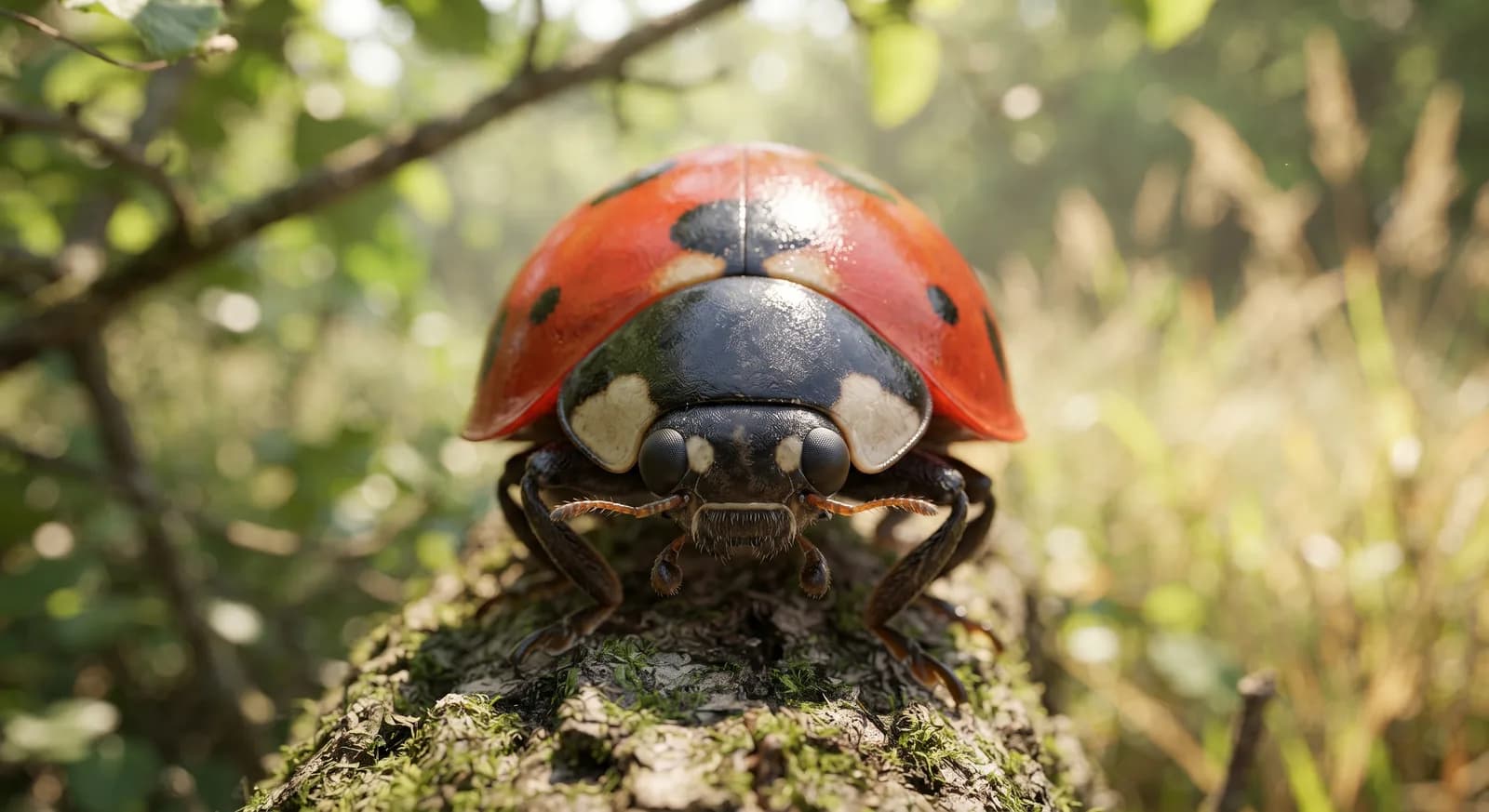
Seven-spotted Lady BeetleNot Evaluated

Seven-spotted Lady Beetle

Coccinella septempunctata

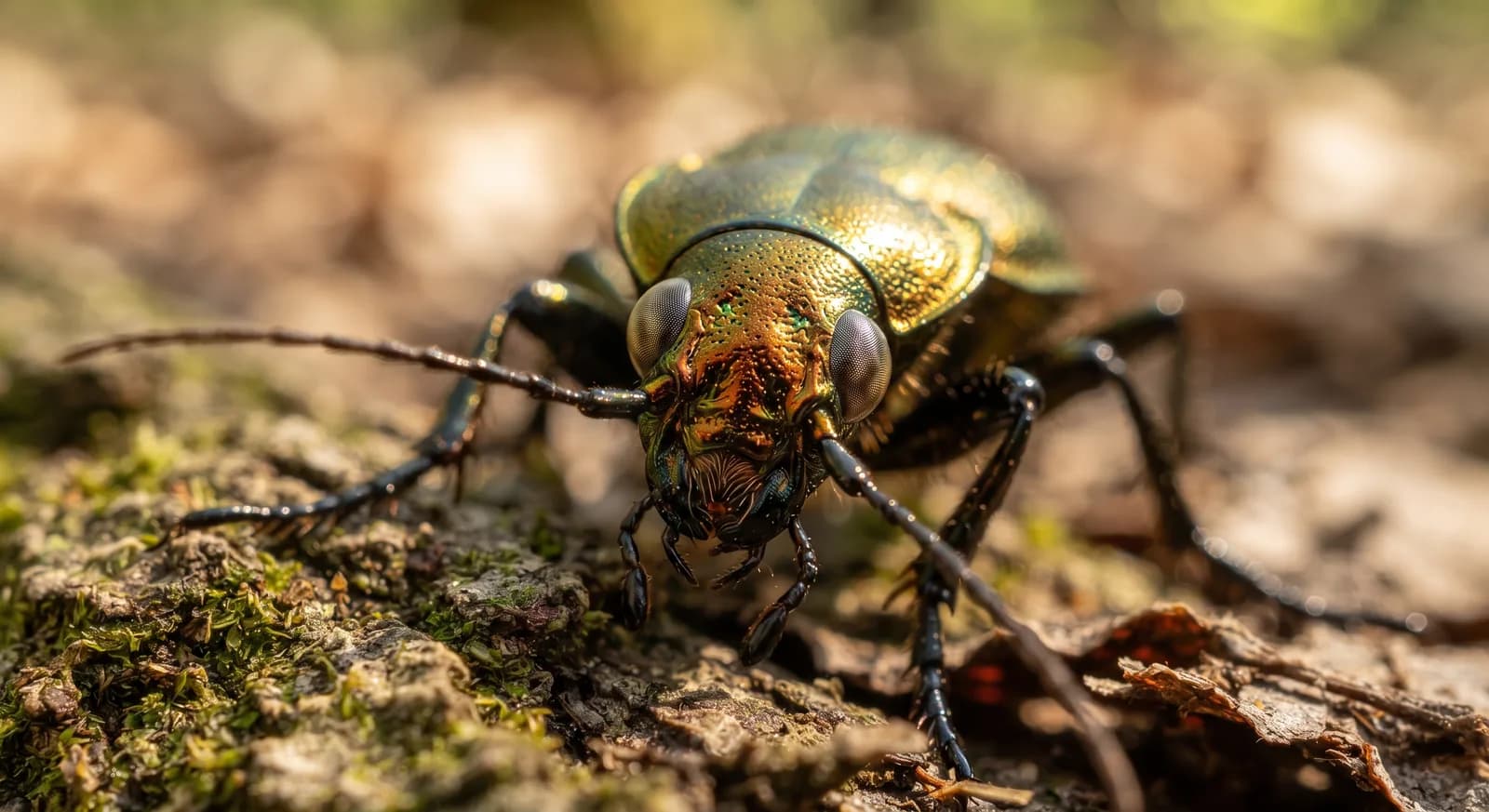
Golden Ground BeetleLeast Concern

Golden Ground Beetle

Carabus auratus

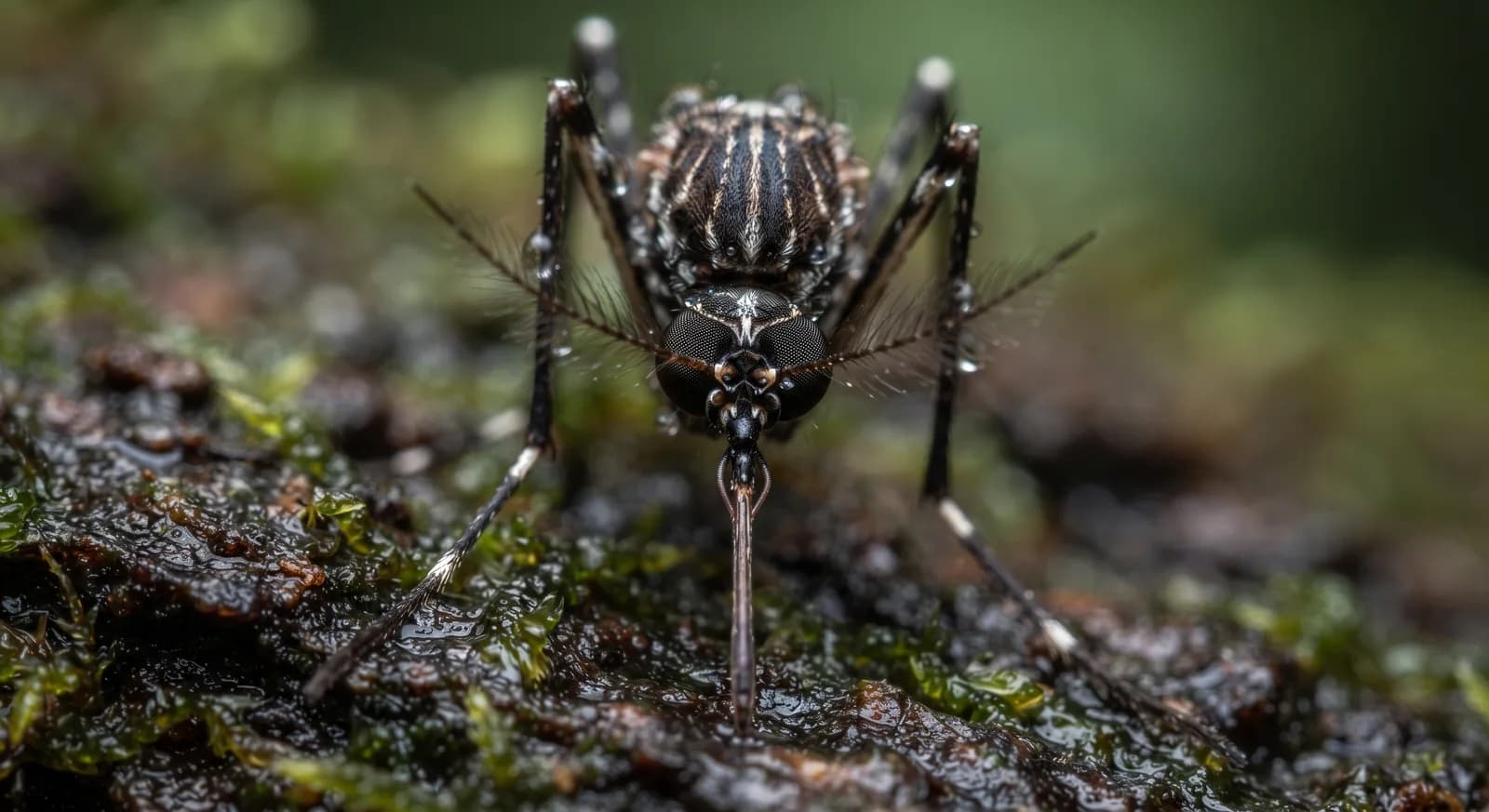
Yellow Fever MosquitoNot Evaluated

Yellow Fever Mosquito

Aedes aegypti

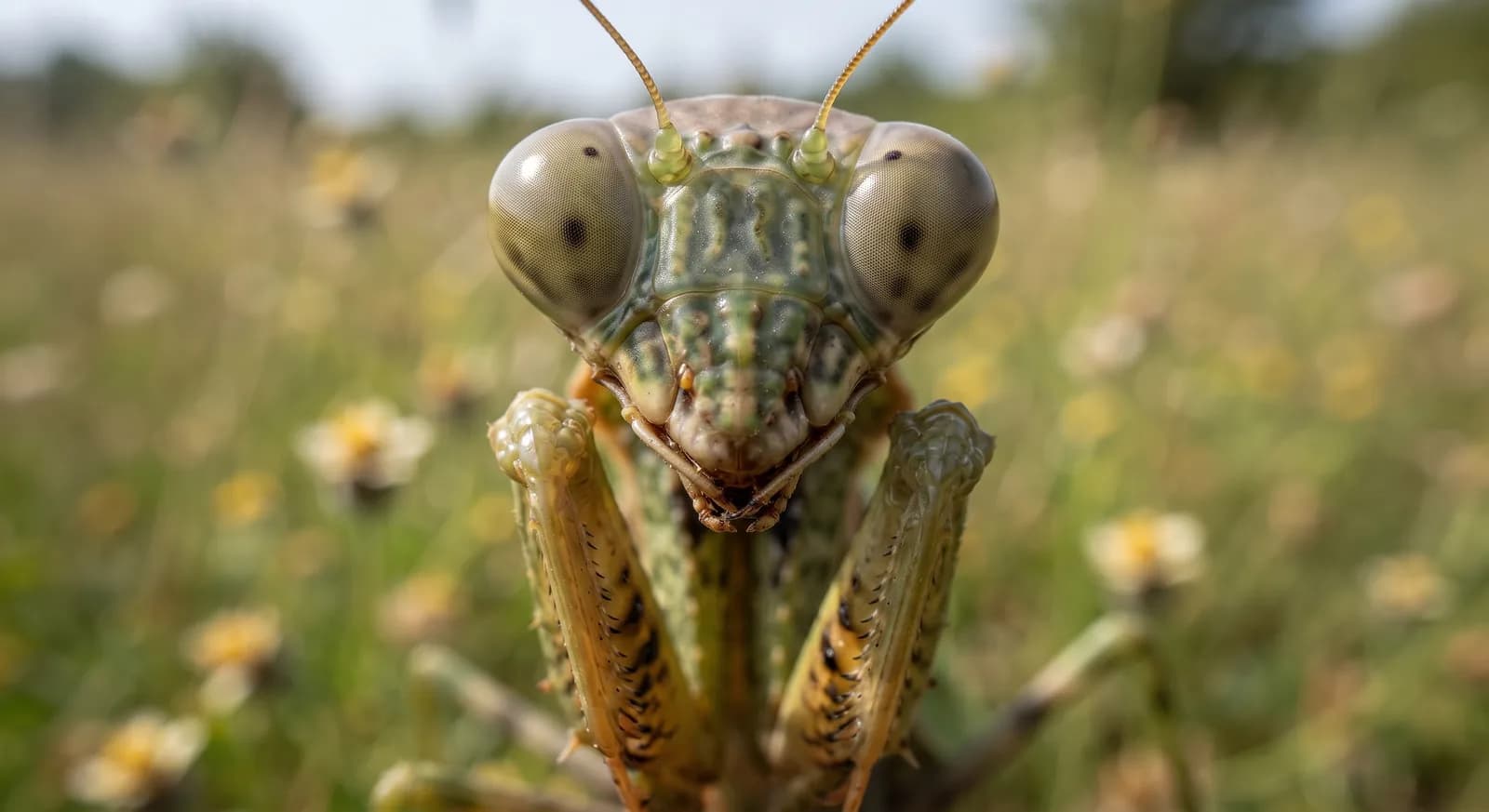
Praying MantisLeast Concern

Praying Mantis

Mantis religiosa

Not Evaluated

Kissing Bug

Triatoma infestans

TagsCarnivore
Carnivore
Solitary
Insect
Grassland