Skip to content
WAnimals
  • Map
  • Species
  • Parks
  • Diving
Log inCreate account
WAnimals

The guide for travellers and animal lovers: discover, plan and share your wild adventures around the world.

Discover wildlife

  • Species
  • Ecosystems
  • Glossary
  • Tags

Explore places

  • Map
  • Countries
  • Parks
  • Diving

Plan experiences

  • Guides

Learn

  • Blog

Resources

  • Help centre
  • Contact
  • Install the app

Follow us

Account

  • Log in
  • Create account

© 2026 WAnimals. All rights reserved.

About usHow we build our profilesTerms of servicePrivacyLegal notice
MapSpeciesParksDiving
  1. Home
  2. Species
  3. Cave Cricket

One of the 3 crickets on WAnimals

Insects · Orthoptera · Rhaphidophoridae

Cave Cricket

Pristoceuthophilus rhoadsi

Not Evaluated

It has not yet been assessed against the IUCN criteria.

Spotted something wrong?

A cave cricket of western North America, with an arched, humped body, very long hind legs and antennae much longer than its body. It lives in caves, hollow logs and damp leaf litter, and feeds on plant and animal remains.

Diet

Omnivore

Combines animal and plant food depending on availability.

Activity

Nocturnal

Active mainly at night.

Social structure

Solitary

Lives and hunts alone, joining others only to breed.

Sighting difficulty

Unknown

Temperate forest
1countries7parks

Fun facts

  • It has neither wings nor sound-producing organs: unlike house crickets it does not sing, because in the total darkness underground sound would be no use for recognising its own kind.
  • Nor does it have tympana: it navigates by its extremely long antennae, which sweep the ground in the dark like canes.
  • It jumps explosively and erratically when disturbed, with no control over direction, which lets it escape a predator in a confined space.
  • It does not sing: unlike true crickets, the males of this family do not stridulate.
  • It is wingless and walks with its antennae, far longer than its body, feeling its way through the dark.
  • Cave crickets are opportunistic omnivores: they eat fungi, plant debris and dead insects.

Life cycle and biology

Skeleton type
Invertebrate - chitin exoskeleton (insect)
Habitat and environment
Caves, hollow logs and damp leaf litter of western North America

Sources consulted: Orthoptera Species File; Rehn (1903); Capinera, Scott y Walker (2004)

Where to find it

Loading map…

The pins mark the parks where its presence is documented.

Where to see it

Parks and dive sites where this species has been documented.

Related species

Other species in the catalogue with the most in common with Cave Cricket — same habitat, park, country, tags or family.

Shares a park
Shares a park
Shares a park
Shares a park
Shares a park
Shares a park

Keep exploring

Based on what we already know about cave cricket.

Comments

Share an experience, a fun fact or a tip for seeing the cave cricket.

Be the first to comment.
See full glossary
This page in other languages: Español · Deutsch · Français · Português · Italiano
See its range on the interactive map→
Great Smoky MountainsUnited States
Mammoth CaveUnited States
CongareeUnited States
Carlsbad CavernsUnited States
ShenandoahUnited States
Cuyahoga ValleyUnited States
Hot SpringsUnited States
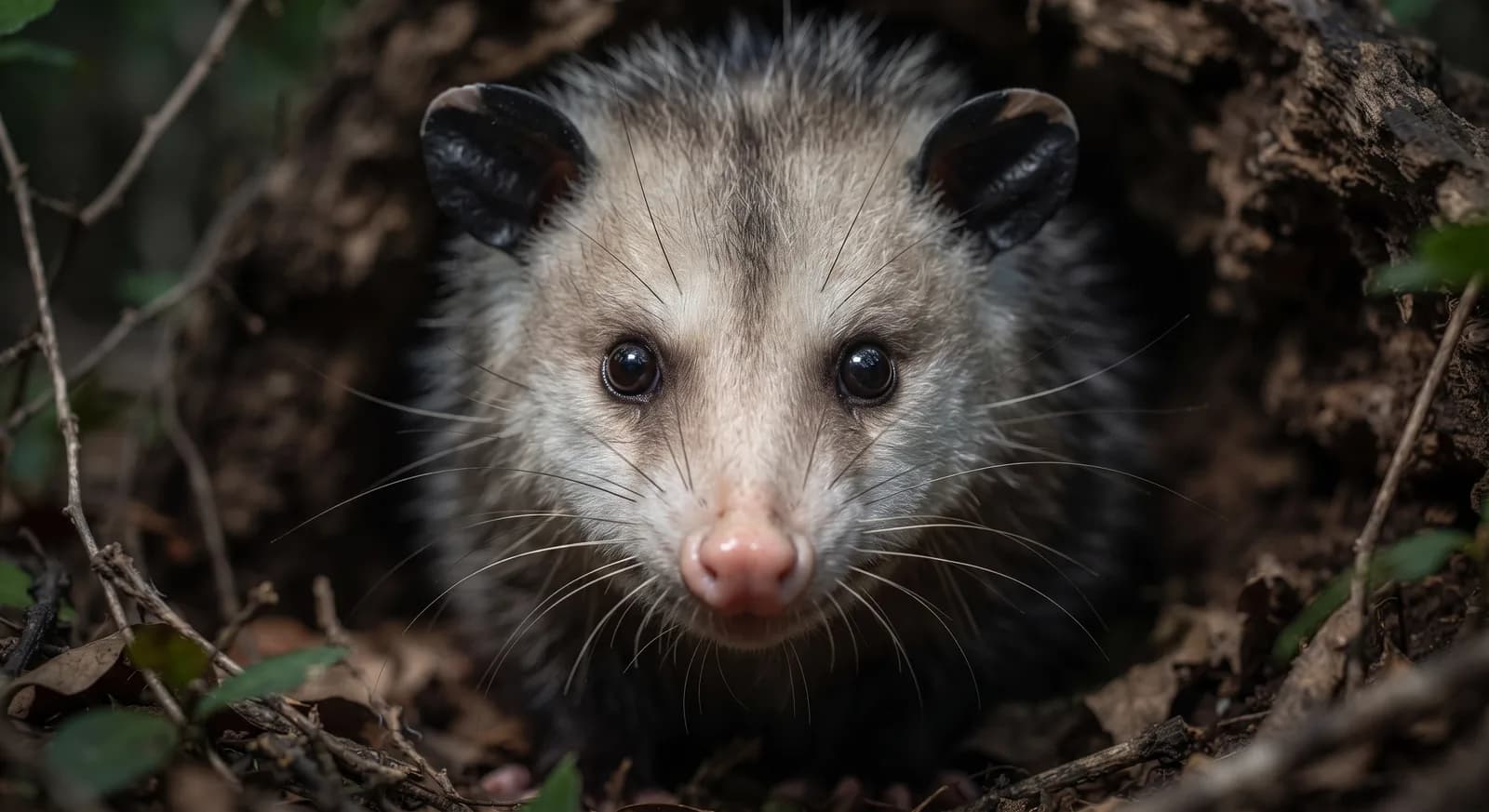
Virginia OpossumLeast Concern

Virginia Opossum

Didelphis virginiana

Least Concern

Southern Flying Squirrel

Glaucomys volans

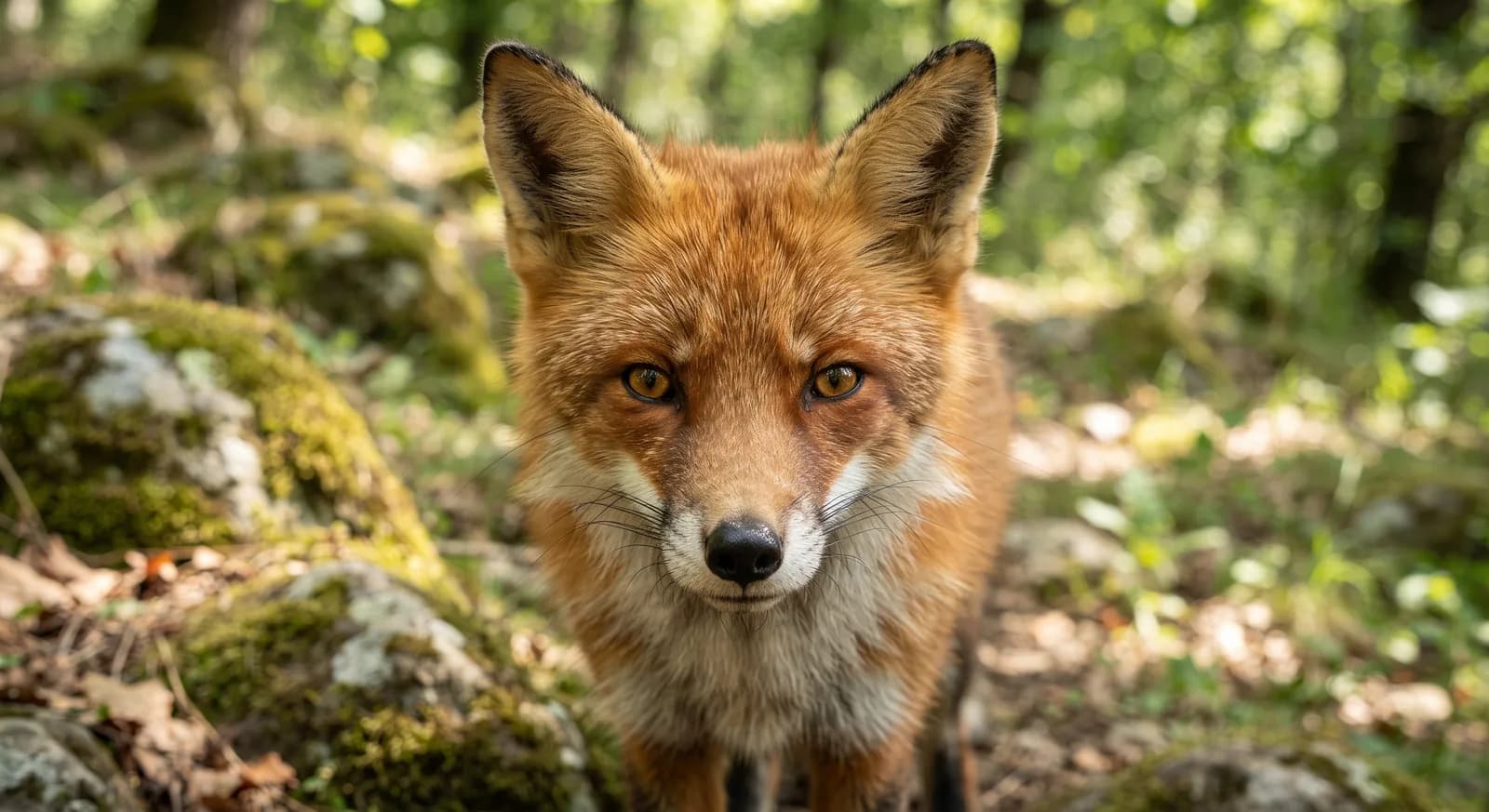
Red FoxLeast Concern

Red Fox

Vulpes vulpes

Least Concern

Raccoon

Procyon lotor

Not Evaluated

North American Luna Moth

Actias luna

Not Evaluated

Striped Skunk

Mephitis mephitis

CountriesUnited States
ParksGreat Smoky MountainsUnited States
TagsOmnivore
Omnivore
Nocturnal
Solitary
Insect
Temperate forest
United States