Skip to content
WAnimals
  • Map
  • Species
  • Parks
  • Diving
Log inCreate account
WAnimals

The guide for travellers and animal lovers: discover, plan and share your wild adventures around the world.

Discover wildlife

  • Species
  • Ecosystems
  • Glossary
  • Tags

Explore places

  • Map
  • Countries
  • Parks
  • Diving

Plan experiences

  • Guides

Learn

  • Blog

Resources

  • Help centre
  • Contact
  • Install the app

Follow us

Account

  • Log in
  • Create account

© 2026 WAnimals. All rights reserved.

About usHow we build our profilesTerms of servicePrivacyLegal notice
MapSpeciesParksDiving
  1. Home
  2. Species
  3. Cinereus Shrew

One of the 10 shrews on WAnimals

Mammals · Eulipotyphla · Soricidae

Cinereus Shrew

Sorex cinereus

Least Concern

The species is abundant and widely distributed; it faces no significant short-term risk.

Spotted something wrong?

It is the most widely distributed shrew in North America and, with an extremely fast metabolism, has to feed almost constantly.

Weight

3 g – 6 g

Size

8.7 cm – 11 cm

Life expectancy

1 year

Diet

Insectivore

Feeds mainly on insects and other invertebrates.

Activity

Irregular activity

Active at irregular times, by day or night depending on circumstances.

Social structure

Solitary

Lives and hunts alone, joining others only to breed.

Sighting difficulty

Easy

Temperate forestFreshwater
2countries31parks5same family

Fun facts

  • It has to eat its own body weight in food, or more, every day to survive.
  • It eats insects, spiders and other small invertebrates.
  • It lives in woodland, swamps and stream banks across much of North America.

Life cycle and biology

Skeleton type
Vertebrate - internal bony skeleton (mammal)
Habitat and environment
Woodland, swamps and stream banks across much of North America
Birth weight
0.25 g and ~16 mm long at birth, hairless
Size at birth
0.25 g at birth
Sexual maturity
4-5 months in some females
Gestation / incubation
18-22 days
Litter / clutch size
2 to 10 young per litter, with up to 3 litters per year

Sources consulted: SUNY ESF (Adirondack mammals); PA Game Commission; Animal Diversity Web; Virginia DWR; Wikipedia (Cinereus shrew); AnAge (genomics.senescence.info)

Where to find it

Best time: All year round; it is active by day and by night, but very hard to watch.

Loading map…

The pins mark the parks where its presence is documented.

Where to see it

Parks and dive sites where this species has been documented — showing 10 of 31.

Related species

Other species in the catalogue with the most in common with Cinereus Shrew — same habitat, park, country, tags or family.

Shares a park
Shares a park
Shares a park
Shares a park
Shares a park
Shares a park

Keep exploring

Based on what we already know about cinereus shrew.

Comments

Share an experience, a fun fact or a tip for seeing the cinereus shrew.

Be the first to comment.
See full glossary
This page in other languages: Español · Deutsch · Français · Português · Italiano
See its range on the interactive map→
Yellowstone National ParkUnited States
GlacierUnited States
Great Smoky MountainsUnited States
DenaliUnited States
AcadiaUnited States
Mammoth CaveUnited States
Grand TetonUnited States
FundyCanada
Wood BuffaloCanada
NahanniCanada
See all 31 parks
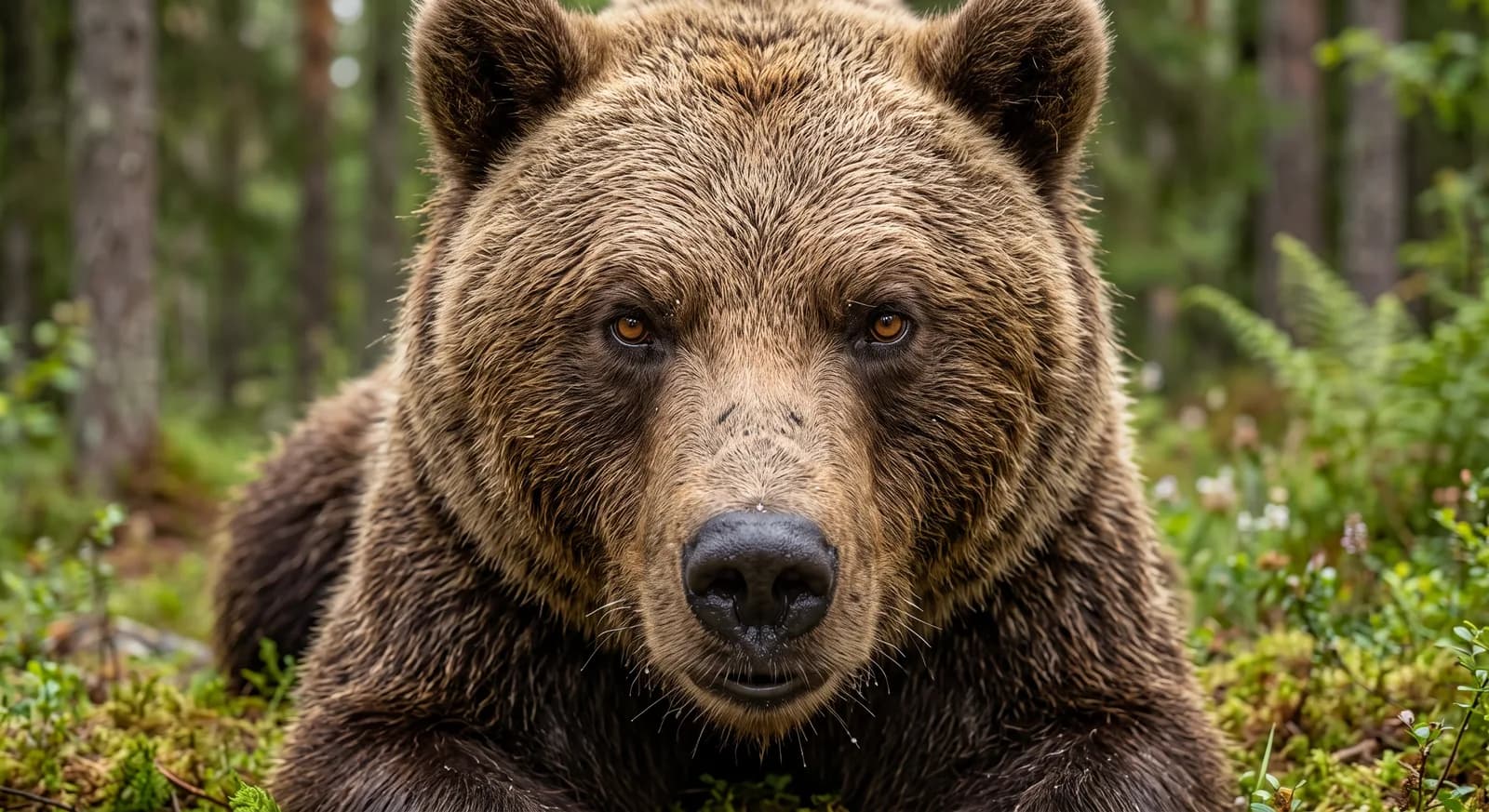
Brown BearLeast Concern

Brown Bear

Ursus arctos

Least Concern

Star-nosed Mole

Condylura cristata

Least Concern

Eastern Mole

Scalopus aquaticus

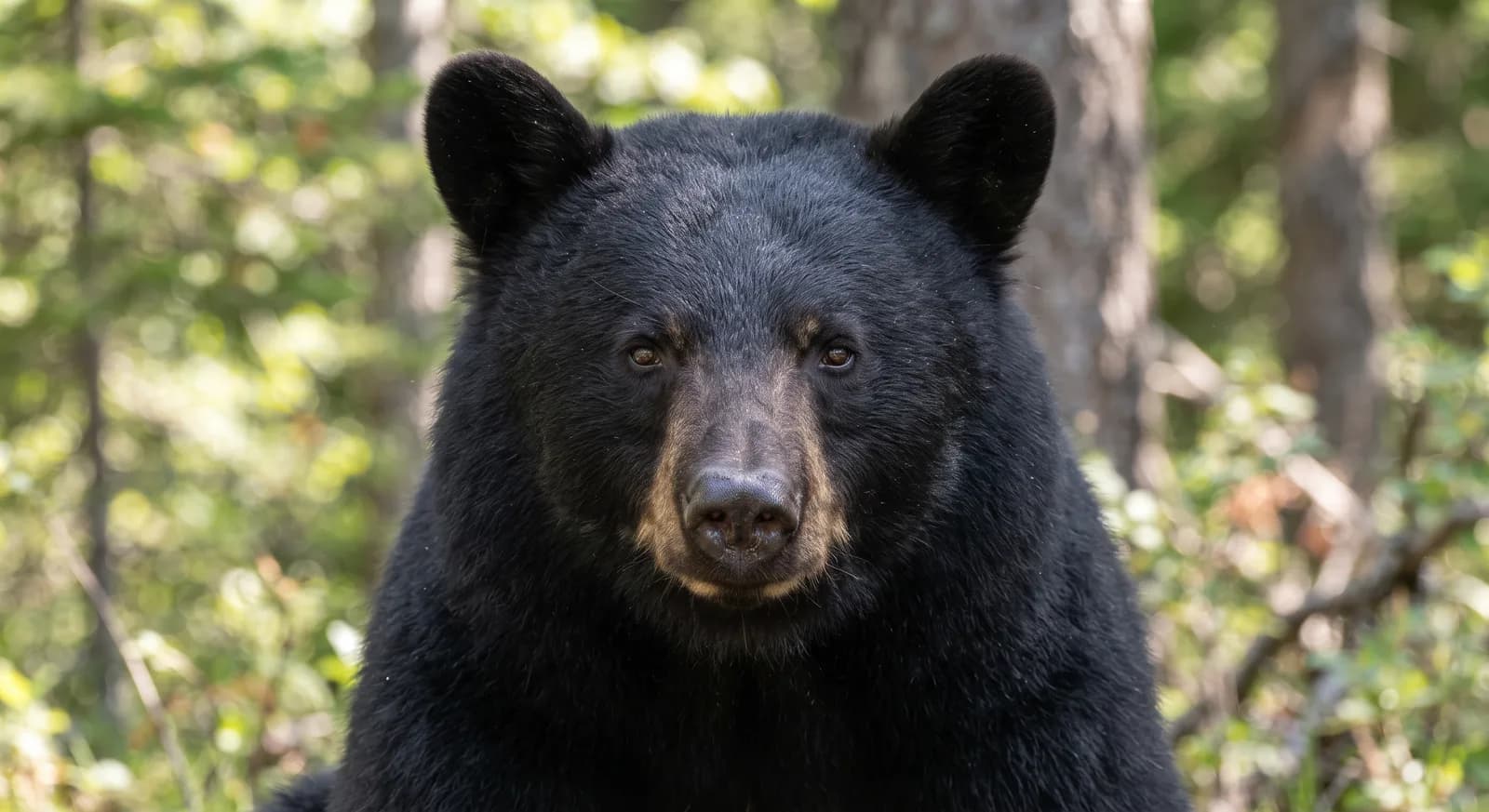
American Black BearLeast Concern

American Black Bear

Ursus americanus

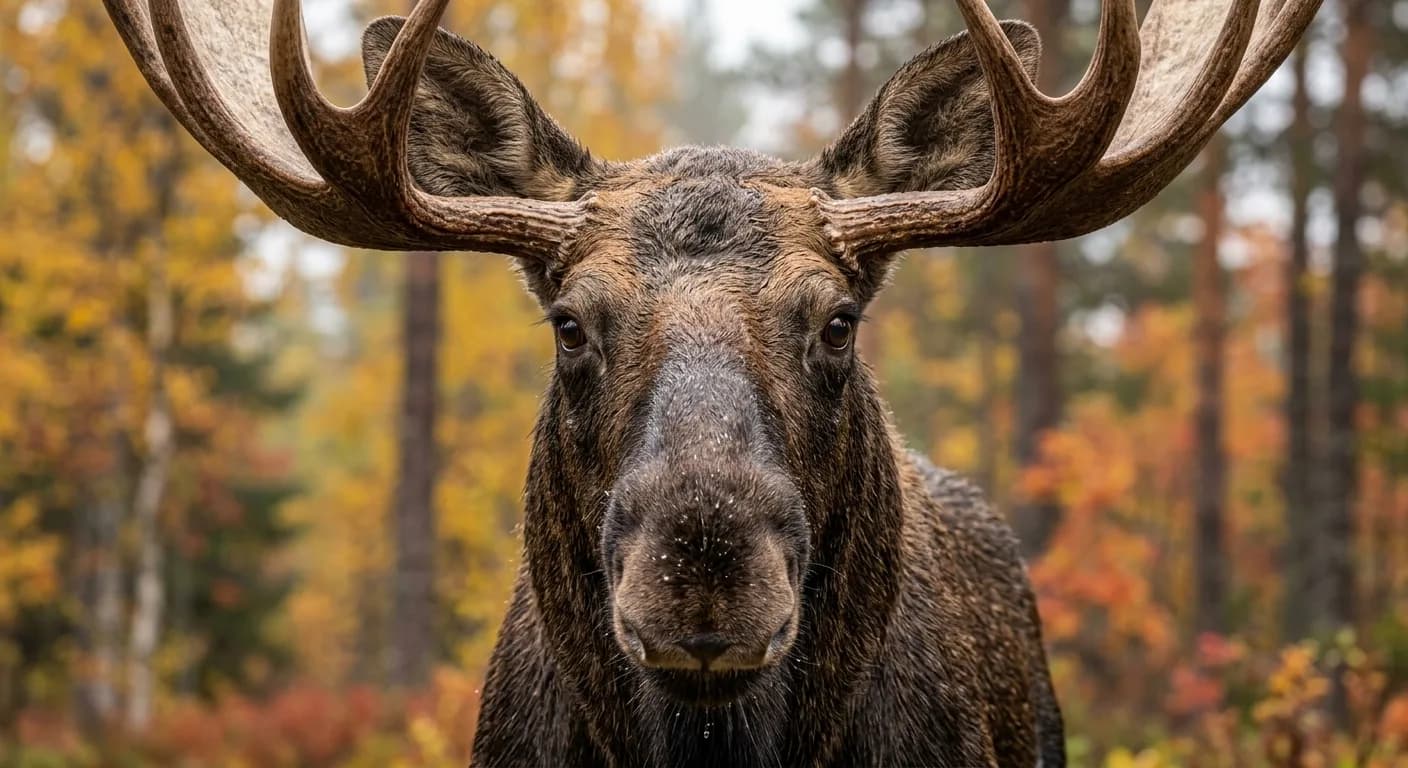
MooseLeast Concern

Moose

Alces alces

Least Concern

American Toad

Anaxyrus americanus

CountriesUnited States
ParksYellowstone National ParkUnited States
TagsInsectivore
Insectivore
Variable activity
Solitary
Temperate forest
Freshwater
Mammal
United States
Canada