 Least Concern
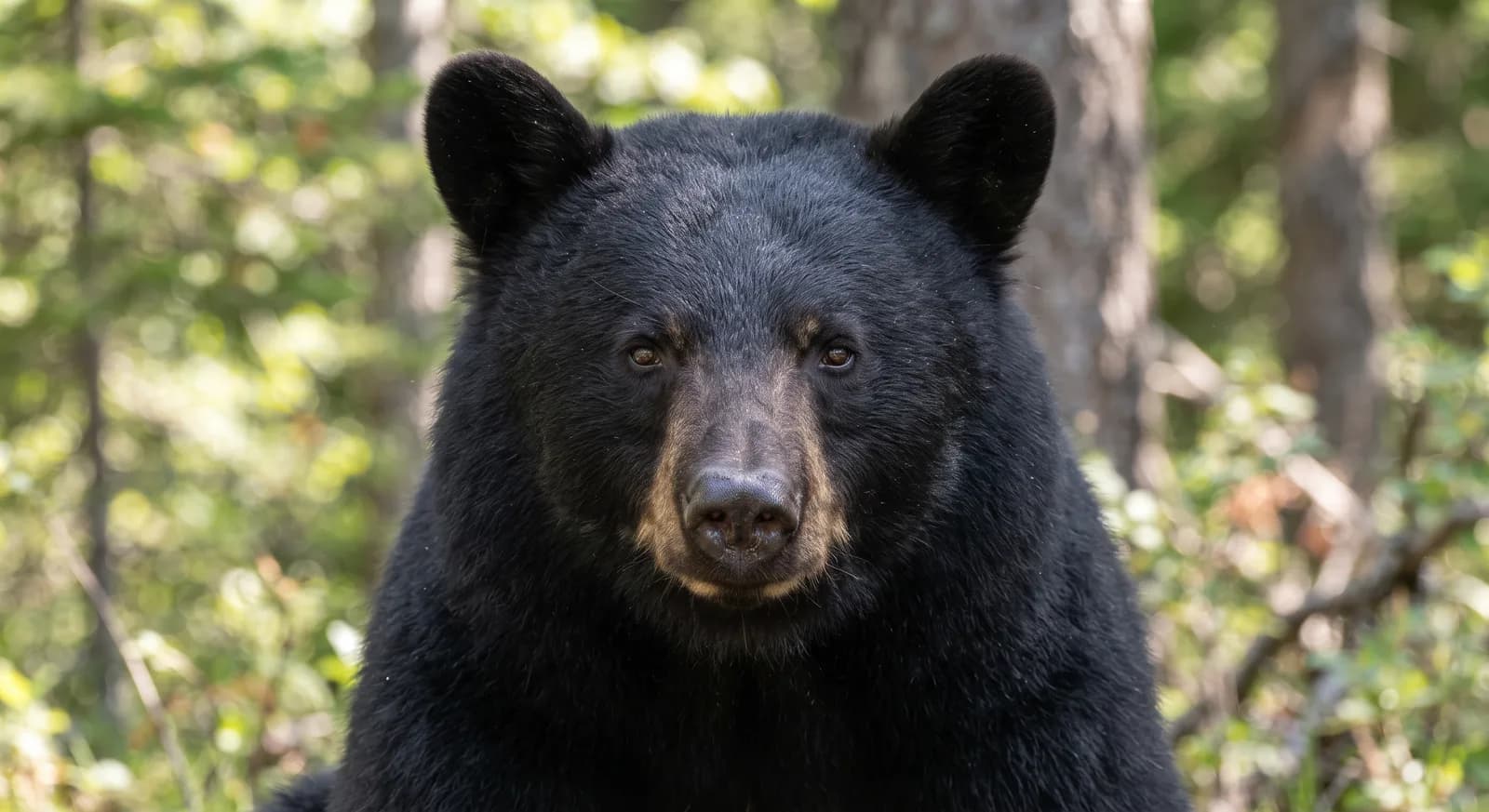
American Black Bear
Ursus americanus
One of the 5 moles on WAnimals
Mammals · Eulipotyphla · Talpidae
Condylura cristata
The species is abundant and widely distributed; it faces no significant short-term risk.
The star-nosed mole is one of the strangest mammals in the world: around its snout it wears a crown of twenty-two fleshy, mobile appendages forming a star. They are neither antennae nor noses, but a touch organ of extraordinary sensitivity with which it explores the substrate at dizzying speed. Unlike other moles it is semi-aquatic: it swims and dives easily in streams and pools, where it hunts aquatic invertebrates as well as earthworms and soil grubs.
Weight
35 g – 75 g
Size
15 cm – 20 cm
Life expectancy
4 years
Diet
Insectivore
Feeds mainly on insects and other invertebrates.
Activity
Irregular activity
Active at irregular times, by day or night depending on circumstances.
Social structure
Solitary
Lives and hunts alone, joining others only to breed.
Sighting difficulty
Easy
Sources consulted: https://www.iucnredlist.org/ | https://animaldiversity.org/ | https://es.wikipedia.org/
The pins mark the parks where its presence is documented.
Parks and dive sites where this species has been documented — showing 10 of 30.
Other species in the catalogue with the most in common with Star-nosed Mole — same habitat, park, country, tags or family.
Based on what we already know about star-nosed mole.
Share an experience, a fun fact or a tip for seeing the star-nosed mole.
Be the first to comment.