Skip to content
WAnimals
  • Map
  • Species
  • Parks
  • Diving
Log inCreate account
WAnimals

The guide for travellers and animal lovers: discover, plan and share your wild adventures around the world.

Discover wildlife

  • Species
  • Ecosystems
  • Glossary
  • Tags

Explore places

  • Map
  • Countries
  • Parks
  • Diving

Plan experiences

  • Guides

Learn

  • Blog

Resources

  • About us
  • How we build our profiles
  • Help centre
  • Contact
  • Install the app

Follow us

Account

  • Log in
  • Create account

© 2026 WAnimals. All rights reserved.

Terms of servicePrivacyCookiesLegal notice
MapSpeciesParksDiving
  1. Home
  2. Species
  3. Common Clothes Moth

One of the 4 moths on WAnimals

Insects · Lepidoptera · Tineidae

Common Clothes Moth

Tineola bisselliella

Not Evaluated

It has not yet been assessed against the IUCN criteria.

Spotted something wrong?

The common clothes moth, or clothes moth, is a lepidopteran of the family Tineidae, subfamily Tineinae. It is the type species of its genus Tineola and was first described by the Swedish entomologist Arvid David Hummel in 1823. The specific name is often misspelt biselliella, for instance by G. A. W. Herrich-Schäffer when he founded Tineola in 1853.

Size

0.9 cm – 1.6 cm

Diet

Herbivore

Feeds mainly on plants.

Activity

Crepuscular

Active mainly at dawn and dusk.

Social structure

Solitary

Lives and hunts alone, joining others only to breed.

FreshwaterGrassland

Fun facts

  • GeneralIts larvae digest the keratin in wool; the adult barely eats and hardly flies.
  • Its larva can digest keratin, the protein of wool and hair, something almost no animal manages, thanks to a gut with extreme chemical conditions.
  • It attacks above all garments stored dirty, because sweat and food residues give the larva the nutrients wool alone does not.
  • The larva digests keratin, the protein of hair, wool, skin and feathers, which hardly any animal can make use of because its disulphide bridges make it resistant to digestive enzymes.
  • It does not manage this alone: its gut carries bacteria that secrete keratinase enzymes.
  • The adult eats nothing at all and lives about thirty days; all the damage is done by the larva.
  • It shuns light, which is why it always turns up in dark, undisturbed corners.
  • It probably comes from central or southern Africa and reached Europe in the late eighteenth century; it spread worldwide in the twentieth with central heating, which gave it the dry conditions it prefers.

Life cycle and biology

Skeleton type
Invertebrate - chitin exoskeleton (insect)
Habitat and environment
Wardrobes, carpets and textile stores
Size at birth
Ivory-coloured oval egg of about 1 mm; the newly hatched larva measures 1 mm and the mature larva reaches 13 mm
Sexual maturity
The adult emerges with no functional mouthparts, does not feed and only breeds; it flies little and often prefers to move about on foot
Gestation / incubation
The eggs hatch in 4-10 days in the warm season and up to 30 in cold conditions; the larval stage lasts from 35 days to 30 months with between 5 and 45 moults, and the pupa 8 to 44 days
Litter / clutch size
Up to 300 eggs per female

Sources consulted: Wikipedia (es): Tineola bisselliella · Rutgers NJAES, ficha Clothes moths · Insects Limited · Ficha de especie de Tineola bisselliella · Insects Limited, ficha Webbing clothes moth

Related species

Other species in the catalogue with the most in common with Common Clothes Moth — same habitat, park, country, tags or family.

Related to
Related to
Related to
Related to
Related to
Related to

Keep exploring

Based on what we already know about common clothes moth.
Share an experience, a fun fact or a tip for seeing the common clothes moth.
See full glossary
This page in other languages: Español · Deutsch · Français · Português · Italiano
Least Concern

Eastern Cottontail

Sylvilagus floridanus

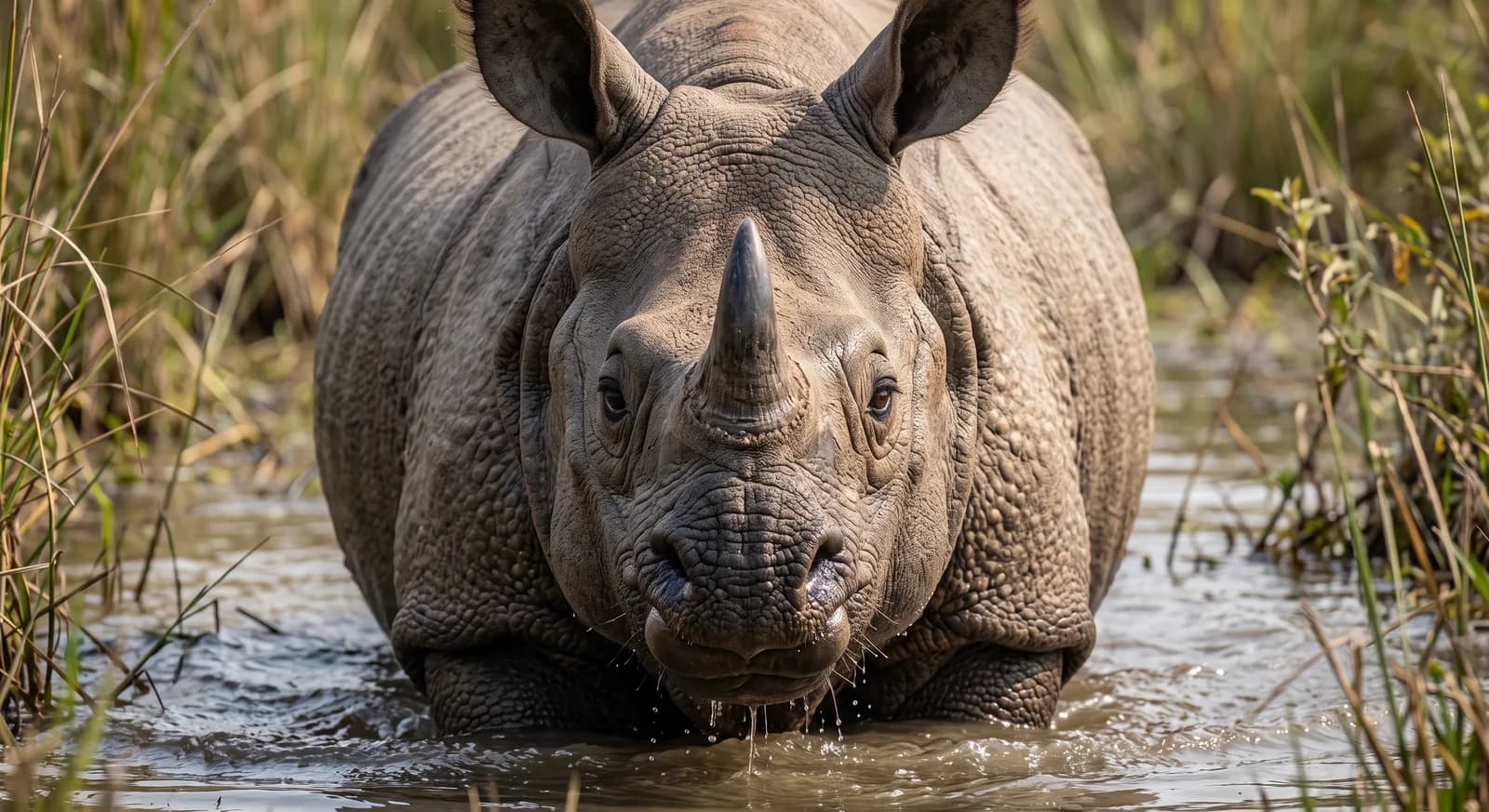
Greater One-horned RhinocerosVulnerable

Greater One-horned Rhinoceros

Rhinoceros unicornis

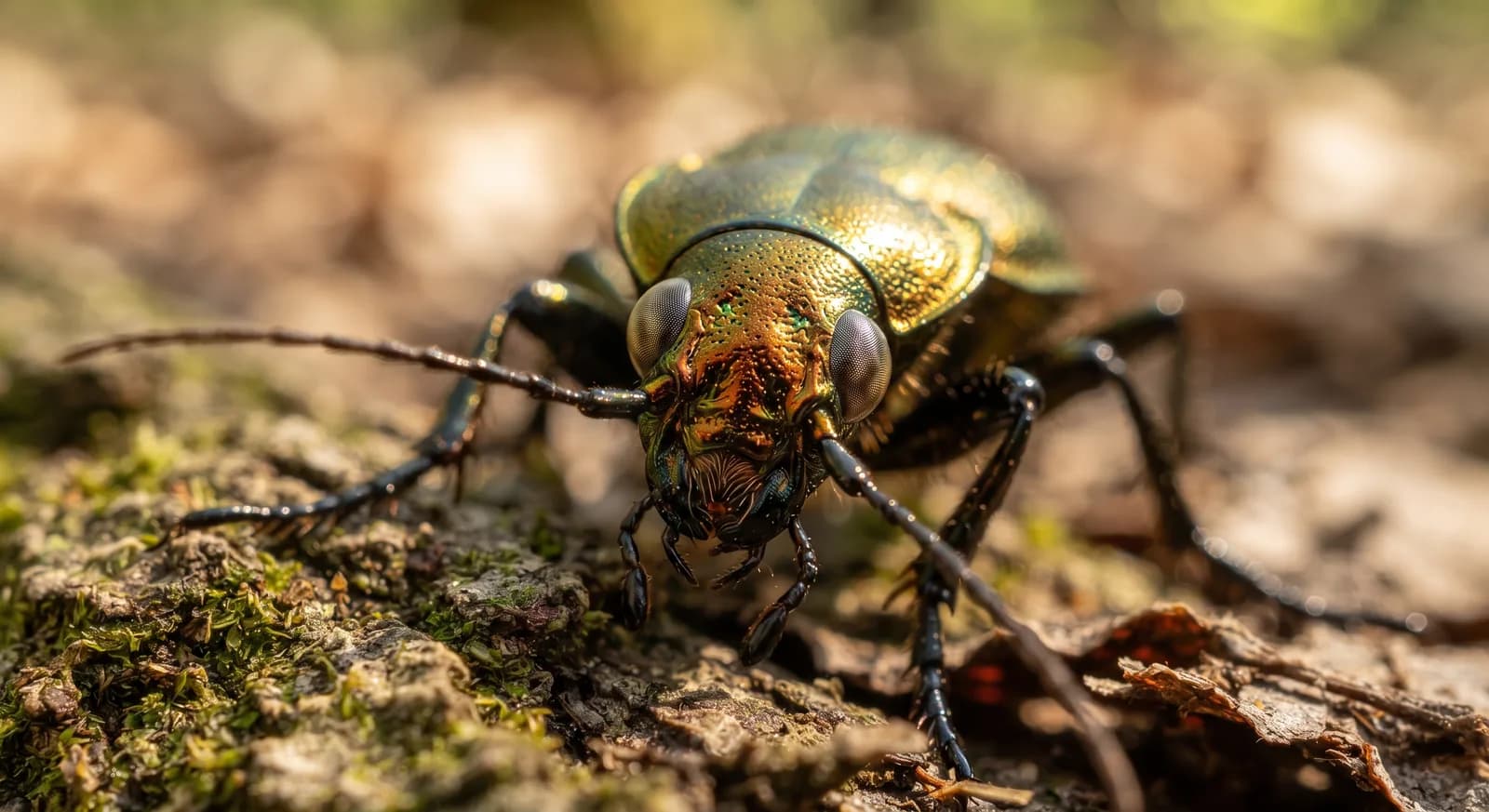
Golden Ground BeetleLeast Concern

Golden Ground Beetle

Carabus auratus

Not Evaluated

Granary Weevil

Sitophilus granarius

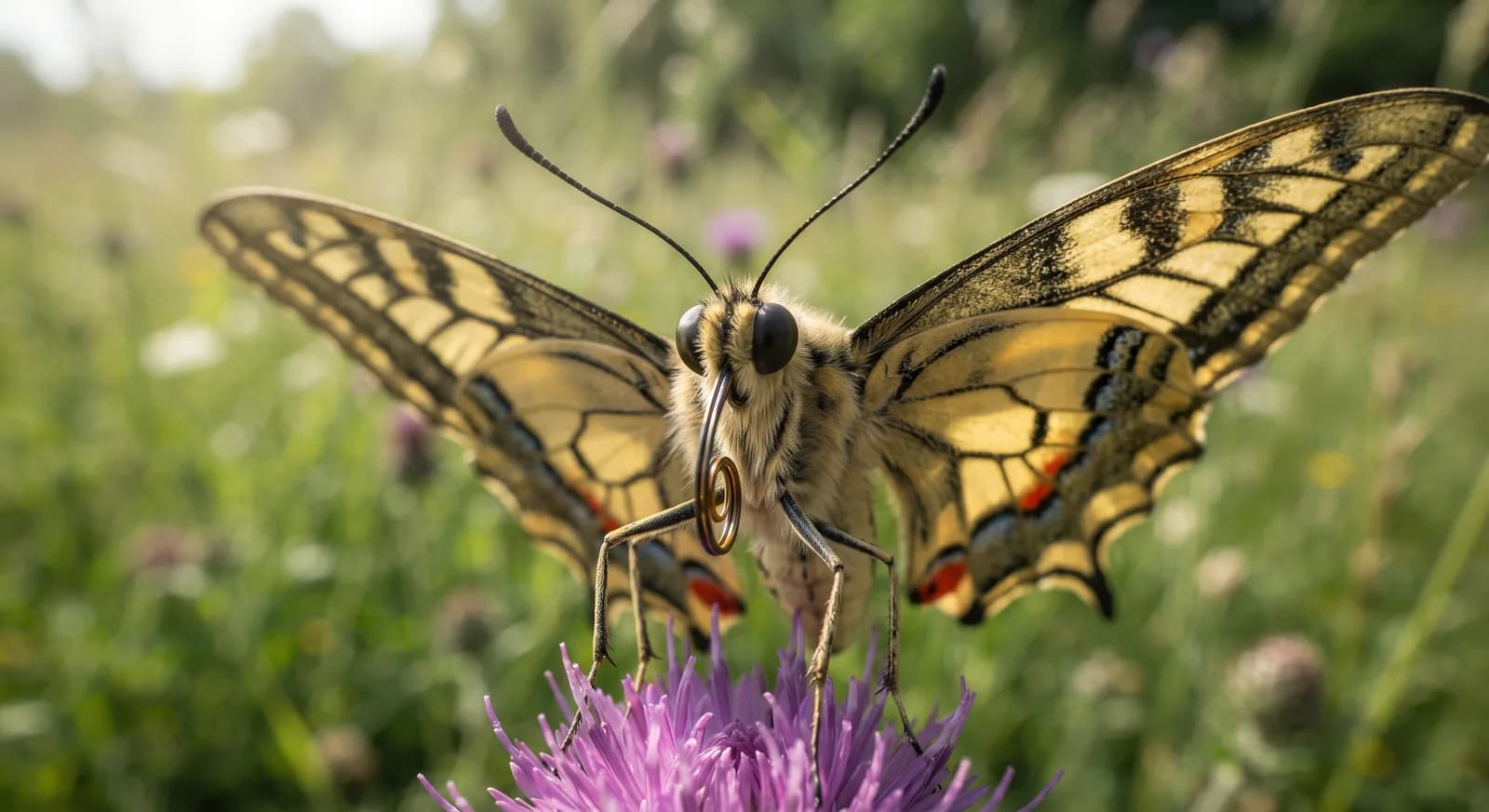
SwallowtailLeast Concern

Swallowtail

Papilio machaon

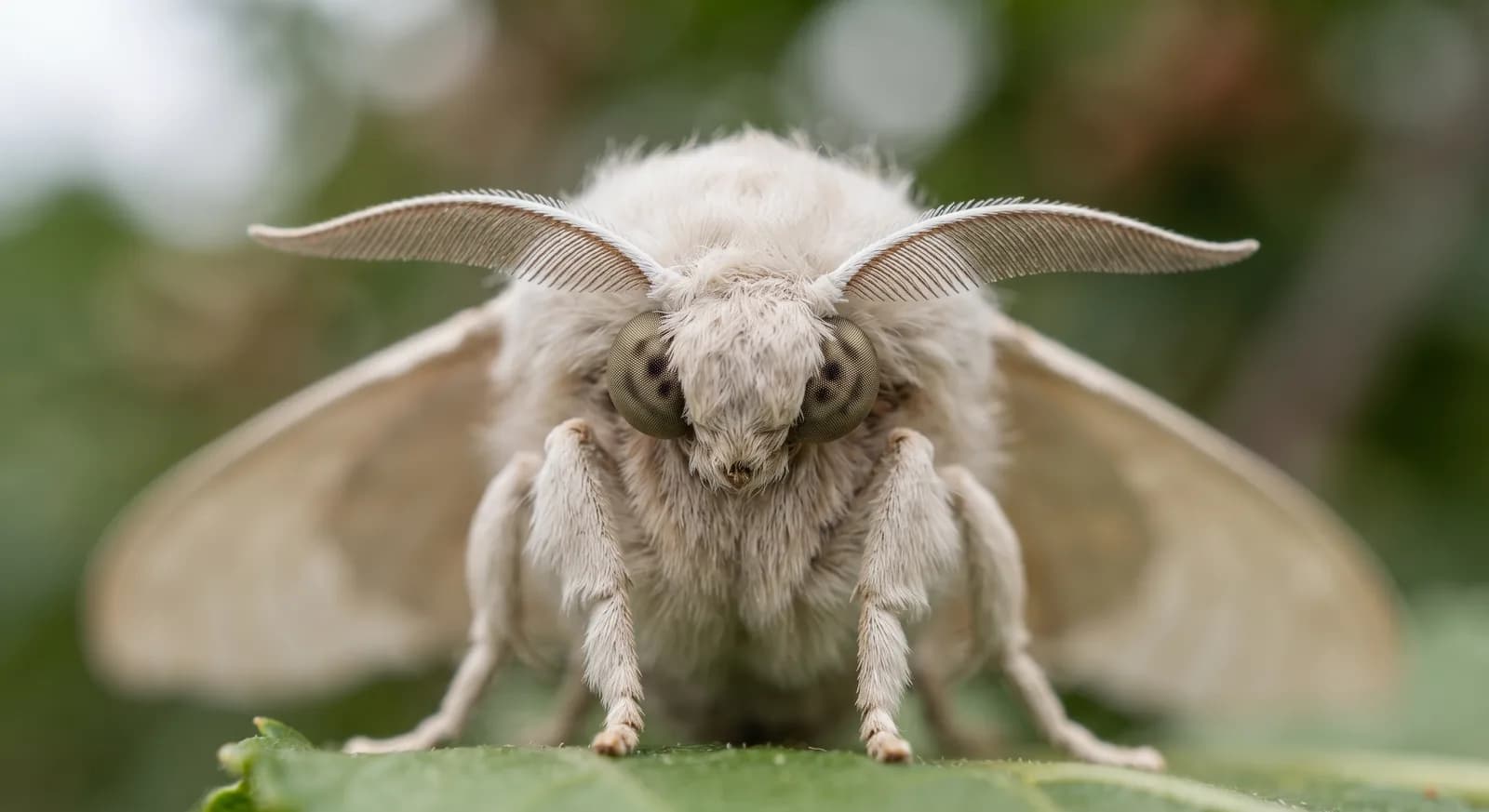
SilkwormNot Evaluated

Silkworm

Bombyx mori

TagsHerbivore
Herbivore
Crepuscular
Solitary
Insect
Freshwater
Grassland