Skip to content
WAnimals
  • Map
  • Species
  • Parks
  • Diving
Log inCreate account
WAnimals

The guide for travellers and animal lovers: discover, plan and share your wild adventures around the world.

Discover wildlife

  • Species
  • Ecosystems
  • Glossary
  • Tags

Explore places

  • Map
  • Countries
  • Parks
  • Diving

Plan experiences

  • Guides

Learn

  • Blog

Resources

  • Help centre
  • Contact
  • Install the app

Follow us

Account

  • Log in
  • Create account

© 2026 WAnimals. All rights reserved.

About usHow we build our profilesTerms of servicePrivacyLegal notice
MapSpeciesParksDiving
  1. Home
  2. Species
  3. Domestic Pig

One of the 3 pigs on WAnimals

Mammals · Artiodactyla · Suidae

Domestic Pig

Sus domesticus

Not Evaluated

It has not yet been assessed against the IUCN criteria.

Spotted something wrong?

The domestic pig is an ungulate of the pig family, domesticated from the wild boar (Sus scrofa) some 9,000 years ago independently in Anatolia and in China. It is omnivorous, highly intelligent and has an extraordinary sense of smell. With more than a billion head recorded it is one of the most abundant mammals on the planet and the world's main source of meat. There are hundreds of breeds, from the Vietnamese pot-bellied pig to meat breeds weighing more than 300 kg.

Weight

50 kg – 350 kg

Size

90 cm – 1.8 m

Life expectancy

15 years

Diet

Omnivore

Combines animal and plant food depending on availability.

Activity

Diurnal

Active mainly during the day.

Social structure

Herd

Lives in large groups as a strategy against predators.

Sighting difficulty

Unknown

Grassland
6same family

Fun facts

  • Its gestation lasts, by the stockman's classic rule, three months, three weeks and three days: about 114 days.
  • It has hardly any functional sweat glands, which is why it wallows in mud to cool down and to protect itself from the sun and from parasites.
  • It was domesticated at least twice, separately, from the wild boar, Sus scrofa: once in Anatolia and once in China, some 9,000 years ago.
  • Today's European pigs are a striking case of genetic replacement: the first ones arrived from the Near East with the Neolithic farmers, but they then interbred so much with European wild boar that their original genetic signature almost disappeared.
  • Its gestation follows the stockman's classic rule: three months, three weeks and three days — about 114 days.
  • It is a true omnivore, not an adapted herbivore, and that dietary flexibility is what made it compatible with human settlements from the very beginning.
  • It has an exceptional sense of smell, which is put to use finding truffles.

Life cycle and biology

Skeleton type
Vertebrate - internal bony skeleton (mammal)
Habitat and environment
Farms, livestock holdings and feral populations worldwide
Sexual maturity
6 months
Gestation / incubation
114 days
Litter / clutch size
10
Life expectancy in captivity
20

Sources consulted: https://www.iucnredlist.org/ | https://animaldiversity.org/ | https://es.wikipedia.org/

Related species

Other species in the catalogue with the most in common with Domestic Pig — same habitat, park, country, tags or family.

Same taxonomic family

Keep exploring

Based on what we already know about domestic pig.

Comments

Share an experience, a fun fact or a tip for seeing the domestic pig.

Be the first to comment.
See full glossary
This page in other languages: Español · Deutsch · Français · Português · Italiano
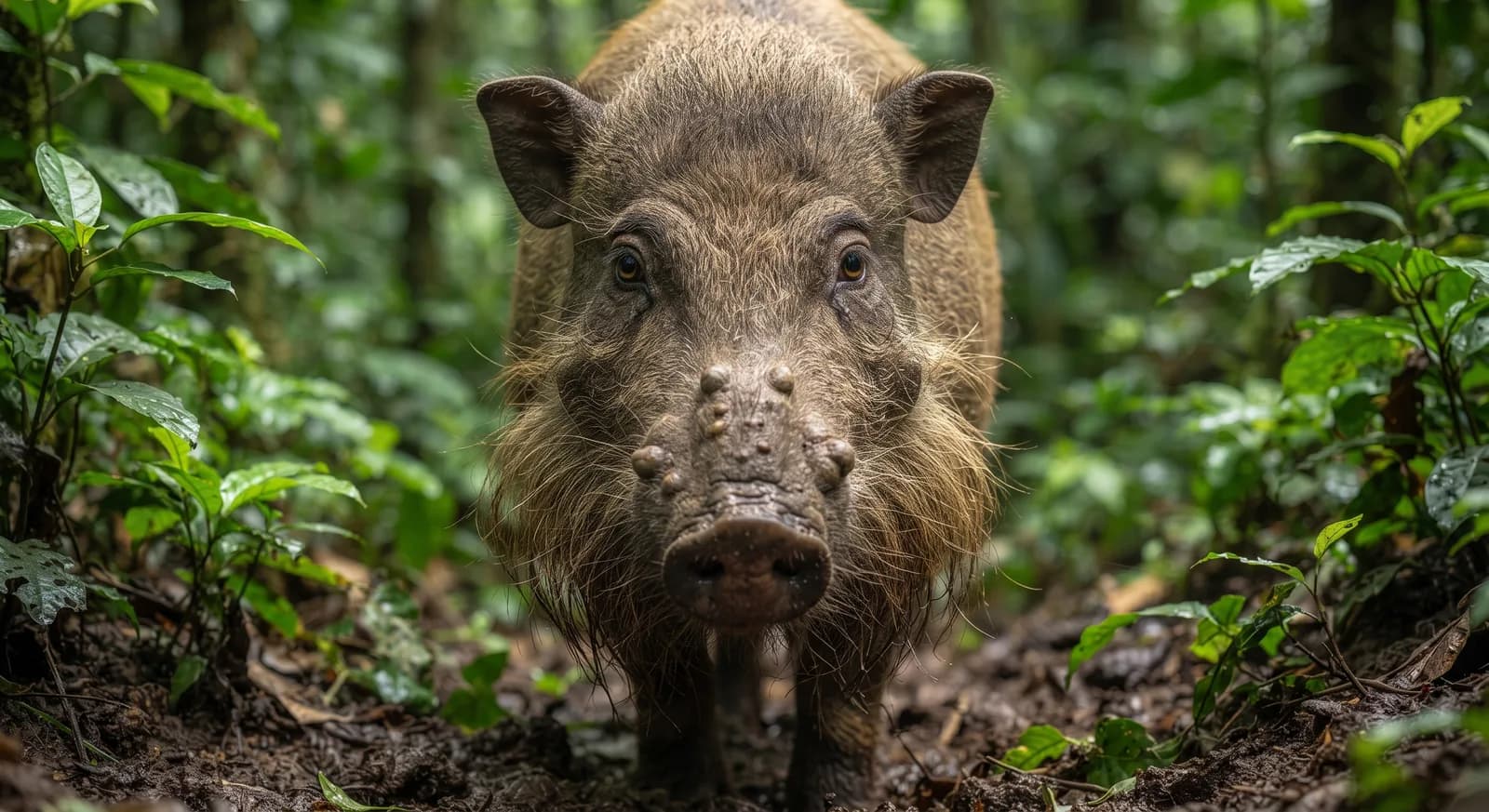
Bearded PigVulnerable

Bearded Pig

Sus barbatus

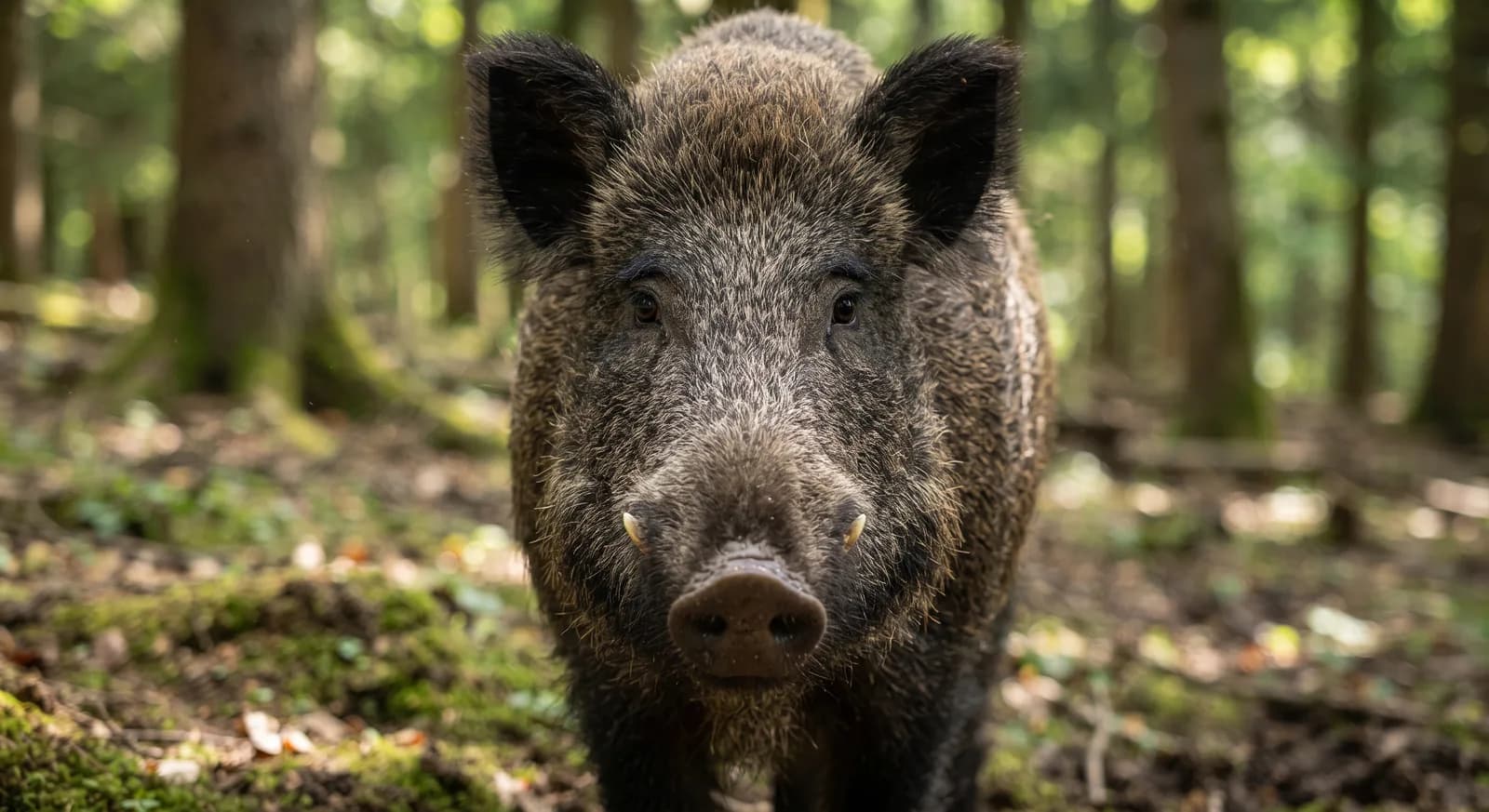
Wild BoarLeast Concern

Wild Boar

Sus scrofa

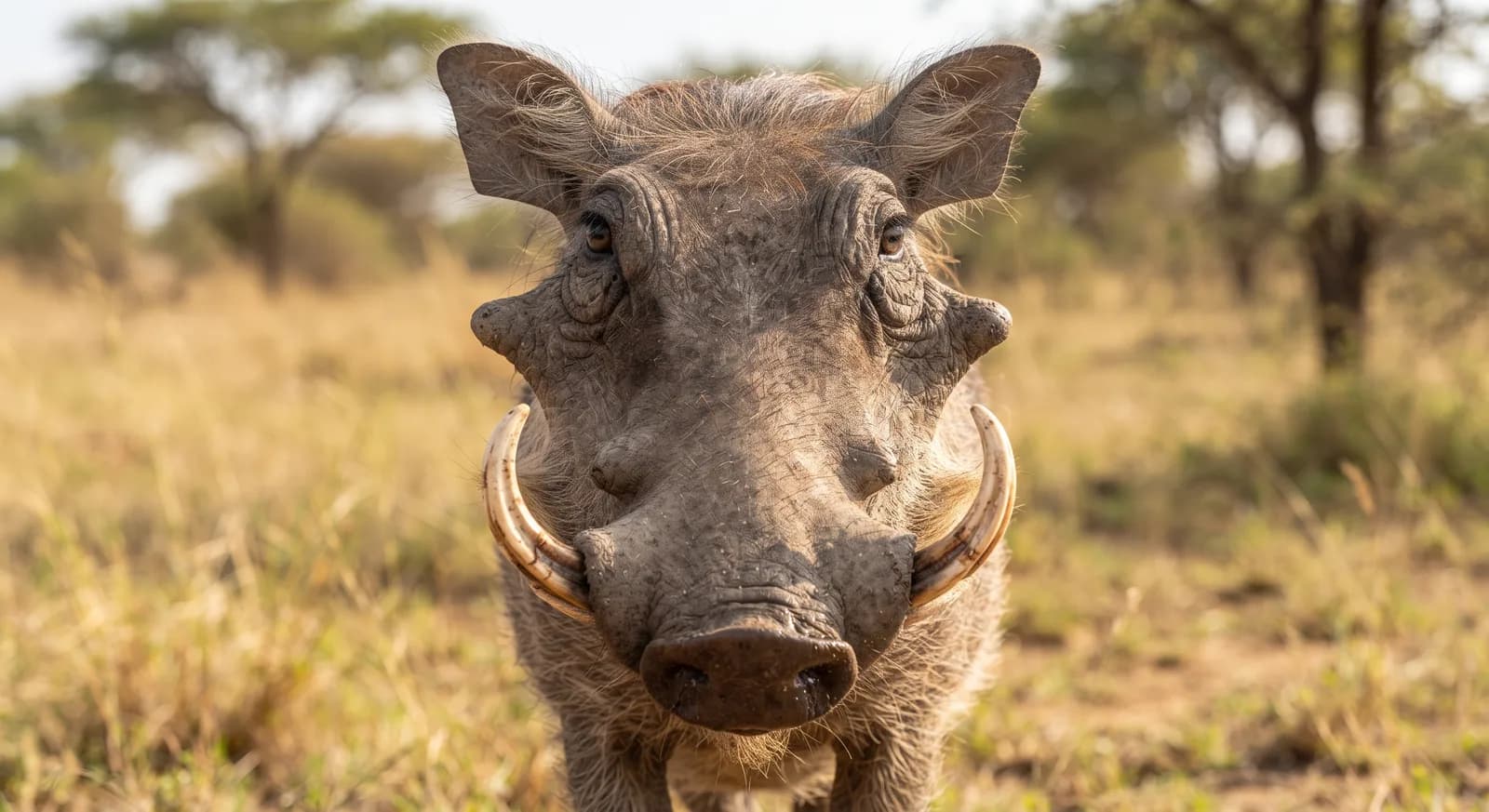
Common WarthogLeast Concern

Common Warthog

Phacochoerus africanus

Least Concern

Forest Hog

Hylochoerus meinertzhageni

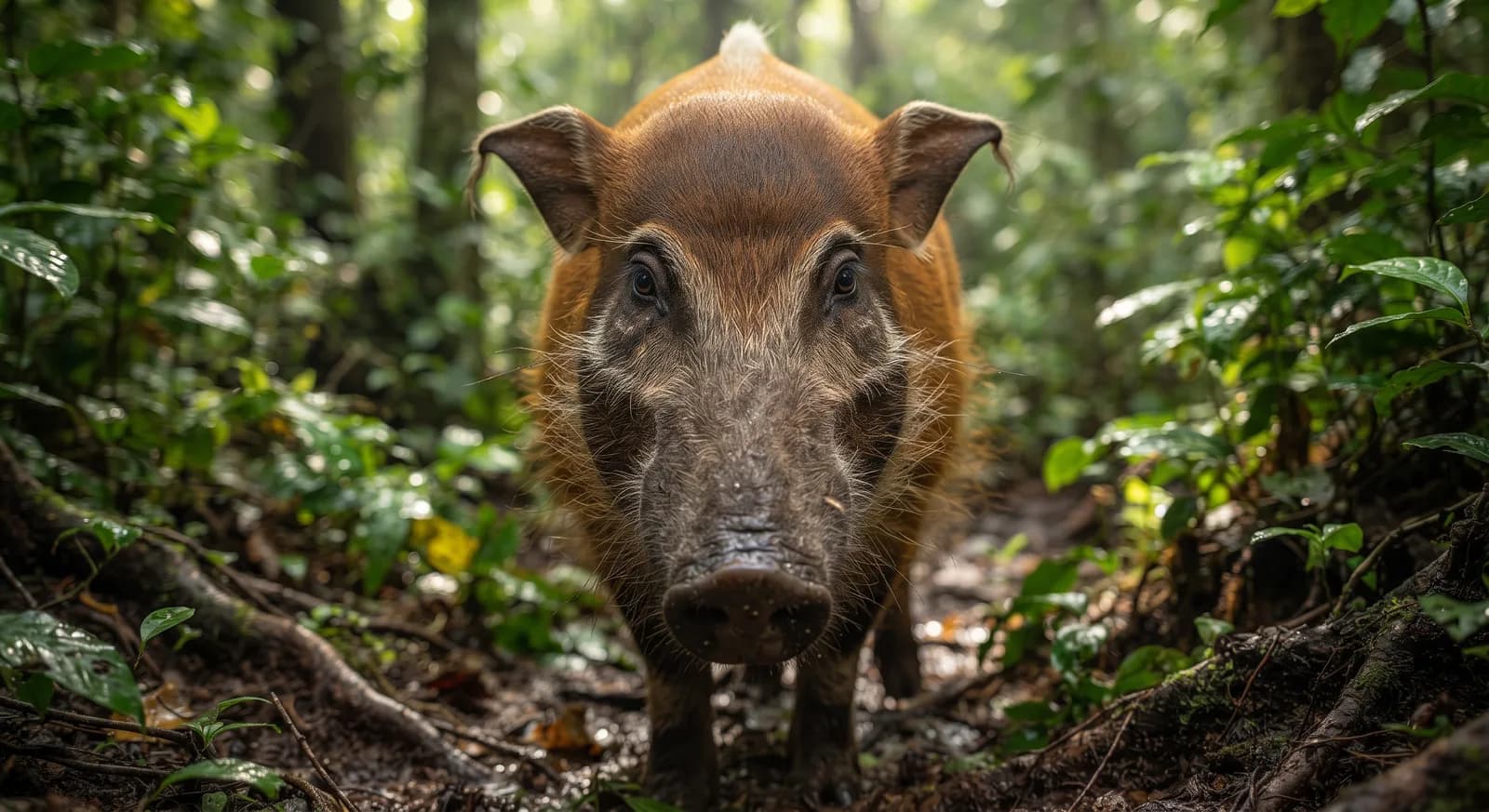
Red River HogLeast Concern

Red River Hog

Potamochoerus porcus

Vulnerable

Hairy Babirusa

Babyrousa babyrussa

TagsOmnivore
Omnivore
Diurnal
In herds
Grassland
Mammal