Skip to content
WAnimals
  • Map
  • Species
  • Parks
  • Diving
Log inCreate account
WAnimals

The guide for travellers and animal lovers: discover, plan and share your wild adventures around the world.

Discover wildlife

  • Species
  • Ecosystems
  • Glossary
  • Tags

Explore places

  • Map
  • Countries
  • Parks
  • Diving

Plan experiences

  • Guides

Learn

  • Blog

Resources

  • About us
  • How we build our profiles
  • Help centre
  • Contact
  • Install the app

Follow us

Account

  • Log in
  • Create account

© 2026 WAnimals. All rights reserved.

Terms of servicePrivacyCookiesLegal notice
MapSpeciesParksDiving
  1. Home
  2. Species
  3. European Stonefly

Insects · Plecoptera · Perlidae

European Stonefly

Perla marginata

Not Evaluated

It has not yet been assessed against the IUCN criteria.

Spotted something wrong?

Perla marginata is an insect of the order Plecoptera belonging to the family Perlidae. Males are 12.5 to 18.5 mm long, while the females are larger at 18.5 to 25 mm. Some males are brachypterous. Mature nymphs measure around 33 mm in length.

Size

2 cm – 3 cm

Life expectancy

3 years

Diet

Carnivore

Feeds mainly on other animals.

Activity

Diurnal

Active mainly during the day.

Social structure

Solitary

Lives and hunts alone, joining others only to breed.

Freshwater
3countries42parks

Fun facts

  • Stoneflies are the aquatic insects most demanding of oxygen and the first to disappear at the slightest pollution, so their presence is the best sign of a river in excellent condition.
  • The adults fly poorly and barely stray from the watercourse; many do not even feed.
  • They communicate by drumming the abdomen against the substrate, with rhythmic patterns particular to each species that work as a recognition code.
  • It is one of the best bioindicators of water quality in existence. Stoneflies are extraordinarily demanding about dissolved oxygen and vanish at the first sign of organic pollution, so their presence certifies a clean river.
  • European biological water-quality indices, such as the IBMWP used in Spain, assign them the highest score for precisely that reason.
  • The nymph is predatory and hunts the larvae of other insects beneath the stones of the riverbed; it takes two or three years to develop.
  • The adult lives for a few weeks, flies poorly and hardly strays from the river; many species in the group do not even feed.
  • They communicate by drumming: males and females tap their abdomens against the substrate, producing rhythmic sequences specific to each species, a vibratory language that takes the place of song.
  • They are an ancient lineage, with fossils from the Permian, and they retain traits regarded as primitive among winged insects.

Life cycle and biology

Skeleton type
Invertebrate - chitin exoskeleton (insect)
Habitat and environment
Fast, cold, highly oxygenated stretches of mountain streams and rivers
Sexual maturity
The male attracts the female by drumming his abdomen against the substrate and sending low-frequency vibrational signals; mating takes place on the ground or on vegetation
Gestation / incubation
The eggs are laid directly into the water and stick to stones and gravel; the nymph goes through 10-12 moults over one to three years before leaving the water for the final moult
Litter / clutch size
The female releases the eggs onto the water's surface or deposits them by dipping the tip of her abdomen; they sink to the bottom and stick to the substrate

Sources consulted: Wikipedia (es): Perla marginata · The Riverfly Partnership, ficha Plecoptera · First Nature · Fichas de identificacion de Perla marginata · Frutiger 1996, embriogenesis de Perla marginata a distintas temperaturas · Ortega & Tercedor 1991, ciclo biologico en Sierra Nevada (Granada) · The Riverfly Partnership

Where to find it

Best time: Adults in spring and early summer, perched on stones and bankside vegetation of cold, well-oxygenated rivers

Loading map…

Where to see it

Parks and dive sites where this species has been documented — showing 10 of 42.

Related species

Other species in the catalogue with the most in common with European Stonefly — same habitat, park, country, tags or family.

Shares a park
Shares a park
Shares a park
Shares a park
Shares a park
Shares a park

Keep exploring

Based on what we already know about european stonefly.

Share an experience, a fun fact or a tip for seeing the european stonefly.
See full glossary
This page in other languages: Español · Deutsch · Français · Português · Italiano

The pins mark the parks where its presence is documented.
See its range on the interactive map→
VanoiseFrance
BerchtesgadenGermany
ÉcrinsFrance
MercantourFrance
Picos de EuropaSpain
Ordesa y Monte PerdidoSpain
Aigüestortes i Estany de Sant MauriciSpain
CabañerosSpain
Bavarian Forest (Bayerischer Wald)Germany
Pyrenees National ParkFrance
See all 42 parks
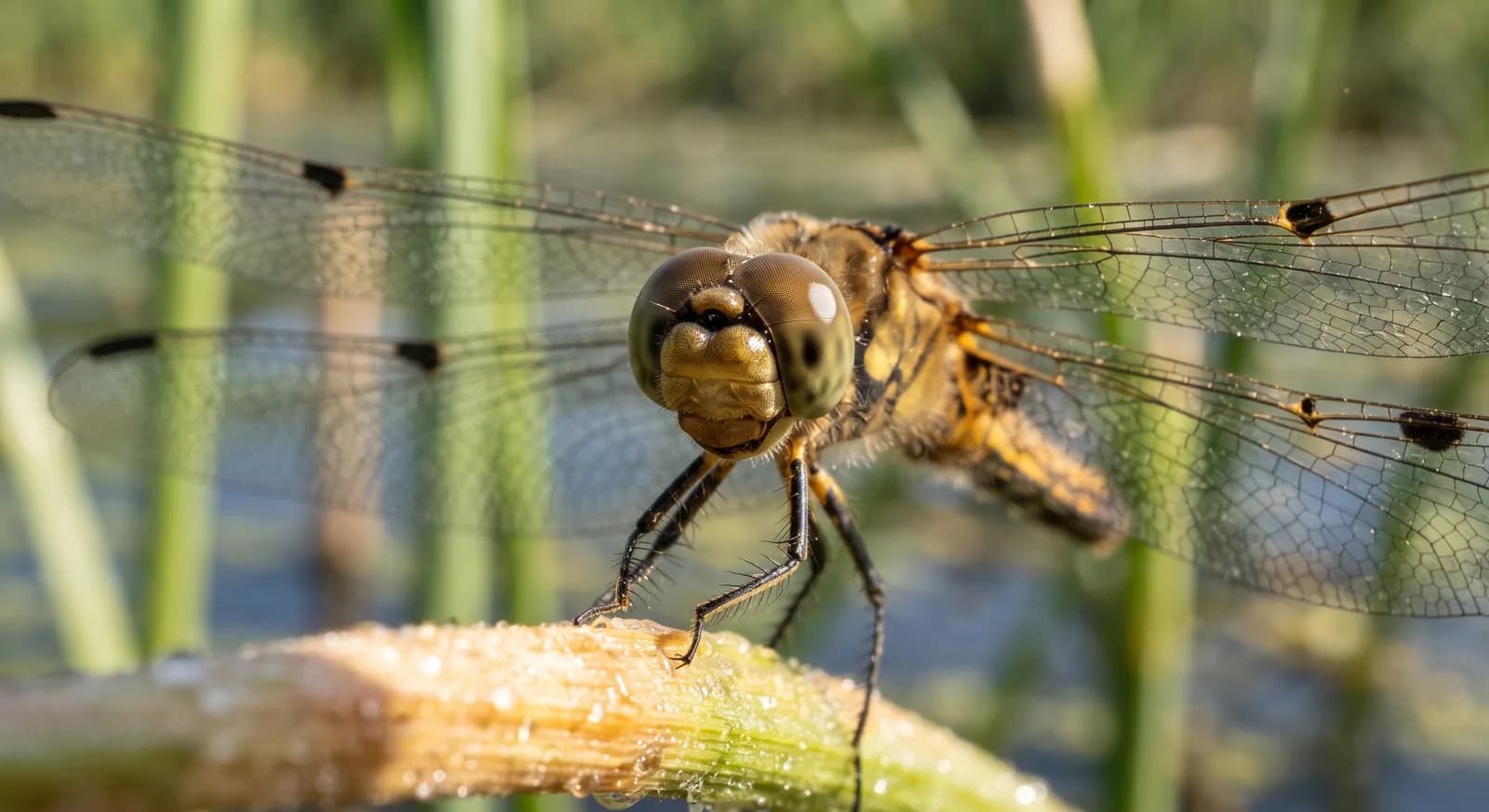
Four-spotted ChaserLeast Concern

Four-spotted Chaser

Libellula quadrimaculata

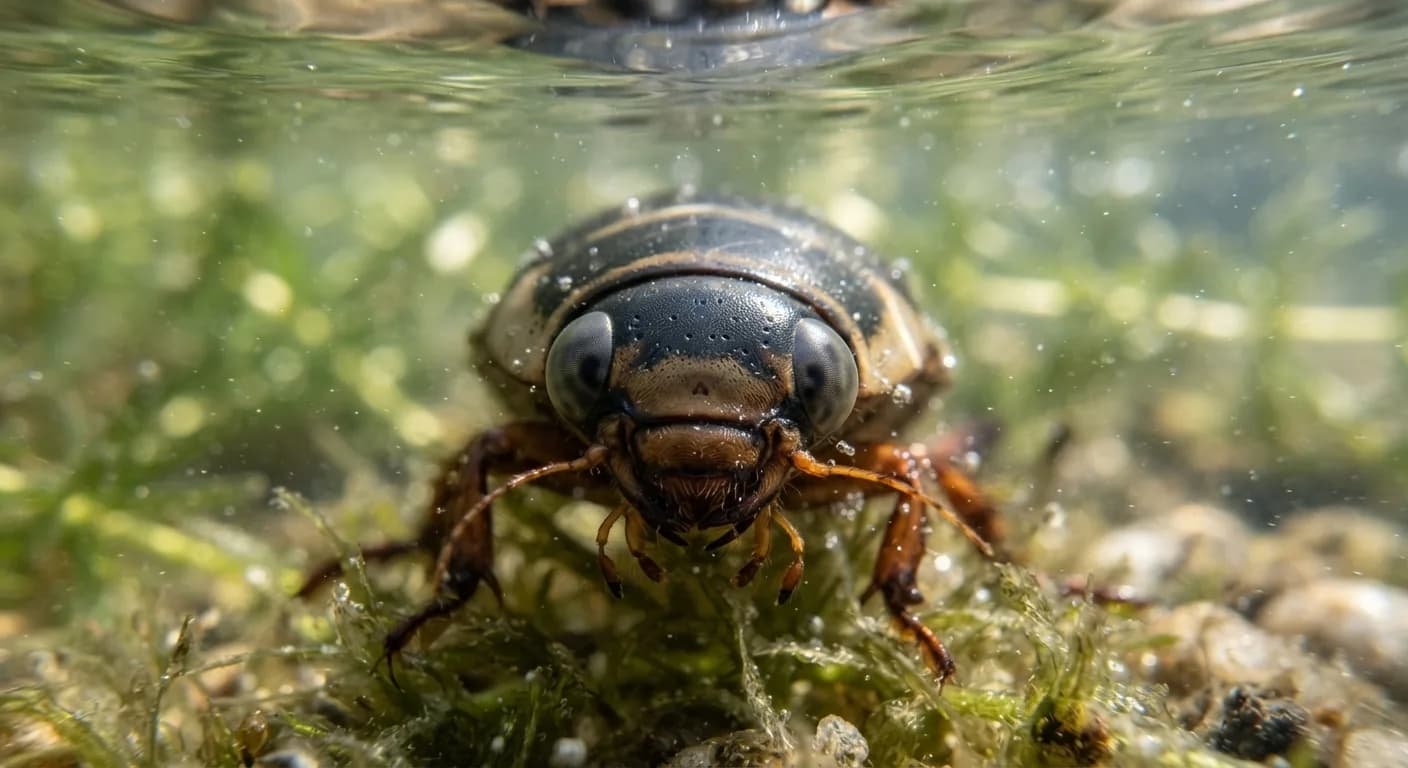
Great Diving BeetleNot Evaluated

Great Diving Beetle

Dytiscus marginalis

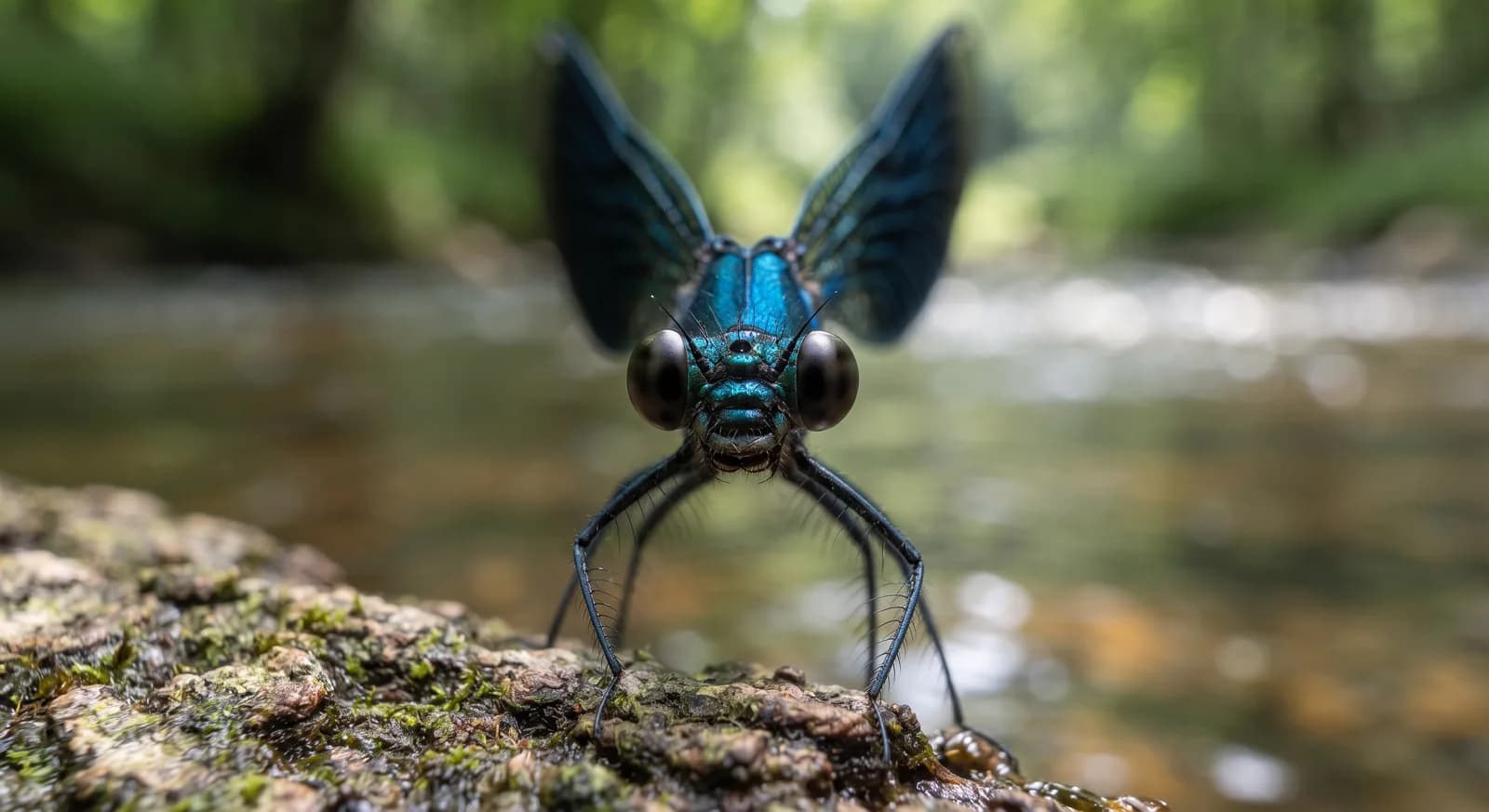
Beautiful DemoiselleNot Evaluated

Beautiful Demoiselle

Calopteryx virgo

Least Concern

Common Clubtail

Gomphus vulgatissimus

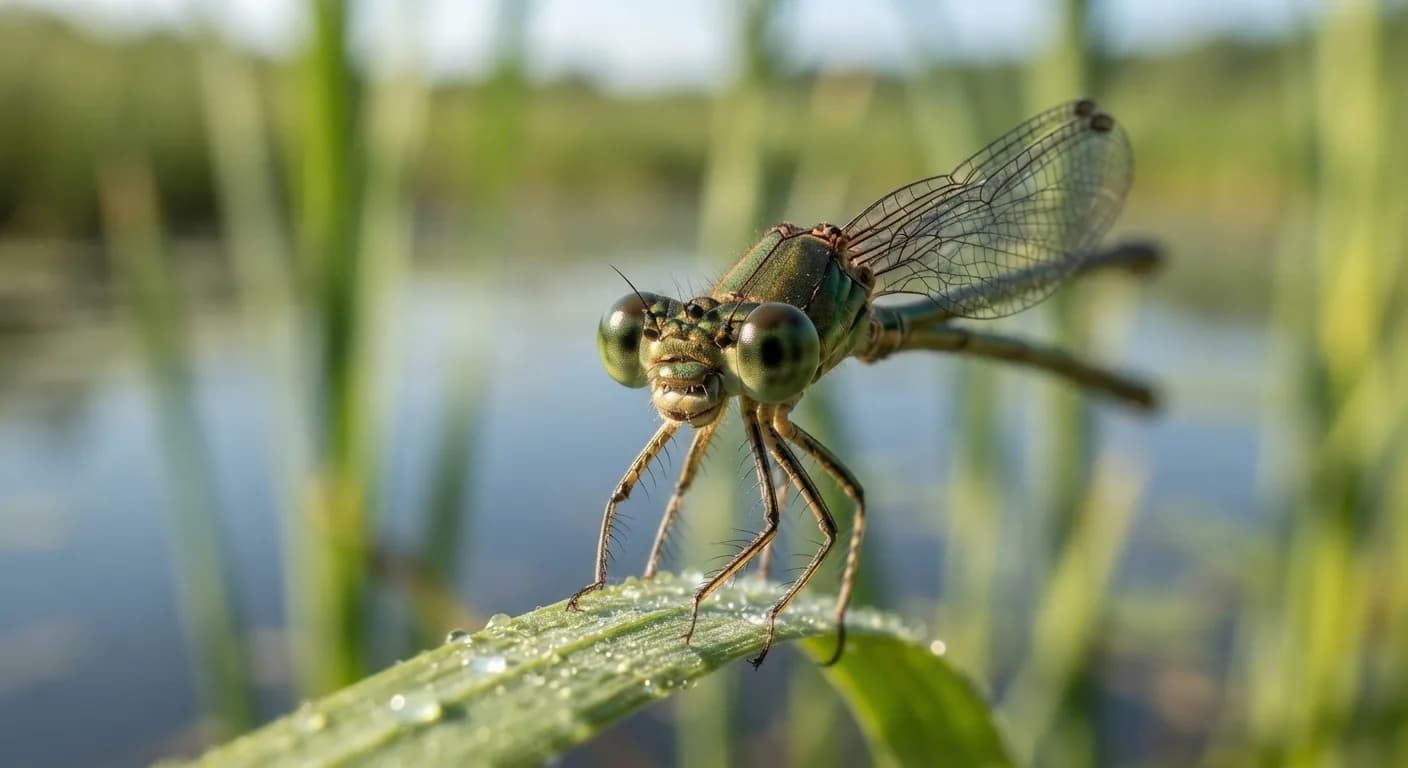
Common SpreadwingLeast Concern

Common Spreadwing

Lestes sponsa

Not Evaluated

Common Pondskater

Gerris lacustris

CountriesSpain
ParksVanoiseFrance
TagsCarnivore
Carnivore
Solitary
Insect
Freshwater
Spain
Germany
France