Skip to content
WAnimals
  • Map
  • Species
  • Parks
  • Diving
Log inCreate account
WAnimals

The guide for travellers and animal lovers: discover, plan and share your wild adventures around the world.

Discover wildlife

  • Species
  • Ecosystems
  • Glossary
  • Tags

Explore places

  • Map
  • Countries
  • Parks
  • Diving

Plan experiences

  • Guides

Learn

  • Blog

Resources

  • About us
  • How we build our profiles
  • Help centre
  • Contact
  • Install the app

Follow us

Account

  • Log in
  • Create account

© 2026 WAnimals. All rights reserved.

Terms of servicePrivacyCookiesLegal notice
MapSpeciesParksDiving
  1. Home
  2. Species
  3. Itch Mite

One of the 2 mites on WAnimals

Arachnids · Acariformes · Sarcoptidae

Itch Mite

Sarcoptes scabiei

Not Evaluated

It has not yet been assessed against the IUCN criteria.

Spotted something wrong?

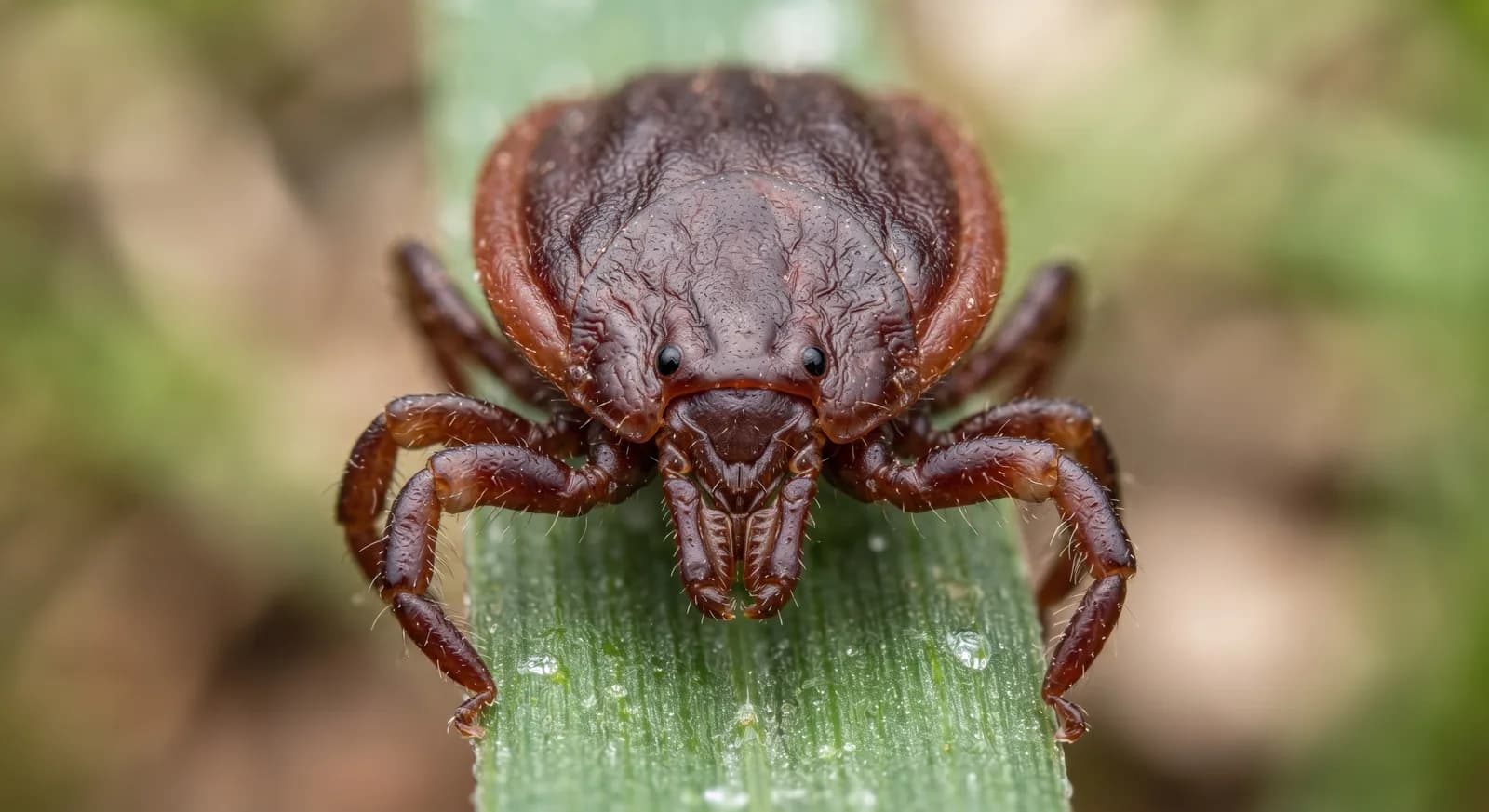
The itch mite is a mite of the family Sarcoptidae with an unsegmented, oval body and 4 pairs of legs. The female measures 300-450 microns and the male 150-250 microns. Its hosts are mammals, in which it causes the disease known as scabies or mange. The itch mite is an obligate parasite, since away from its host it lives no more than 2 to 4 days.

Size

up to 0 cm

Life expectancy

1 year

Diet

Carnivore

Feeds mainly on other animals.

Social structure

Solitary

Lives and hunts alone, joining others only to breed.

Temperate forest

Fun facts

  • GeneralIt tunnels into the outer skin to lay its eggs, causing intense itching.
  • The World Health Organization lists scabies among the neglected tropical diseases: it affects more than two hundred million people at any one time.
  • The same species causes sarcoptic mange in foxes, wolves, wild canids and wombats, with outbreaks capable of decimating whole wildlife populations.
  • The itching is not caused by the mite directly but by the host's immune response, which is why it takes weeks to appear in a first infestation.
  • The female tunnels at half a millimetre to five millimetres a day throughout the four to eight weeks she lives, laying eggs along the way.
  • Its saliva dissolves the outer layer of skin, which is how it makes headway and how it feeds, on the intercellular fluid that collects in the burrow.
  • Away from a host it survives only two or three days, so transmission through clothing or towels is uncommon; skin-to-skin contact is the norm.
  • A classic case of scabies involves barely ten to fifteen mites on the whole person. The itching is caused not by their number but by an allergic reaction to their droppings and saliva.
  • Crusted scabies is the opposite: millions of mites on a single host, and it occurs in people who are immunosuppressed or unable to scratch.
  • The WHO declared scabies a neglected tropical disease in 2017.

Life cycle and biology

Skeleton type
Invertebrate - chitin exoskeleton (arachnid)
Habitat and environment
A parasite: the skin of people and other mammals
Gestation / incubation
The eggs hatch in two to five days and the larva reaches adulthood in about three weeks
Litter / clutch size
Two to four eggs a day, up to about 40 or 50 over a lifetime

Sources consulted: Wikipedia (es): Sarcoptes scabiei

Related species

Other species in the catalogue with the most in common with Itch Mite — same habitat, park, country, tags or family.

Related to
Related to
Related to
Related to
Related to
Related to

Keep exploring

Based on what we already know about itch mite.

Share an experience, a fun fact or a tip for seeing the itch mite.
See full glossary
This page in other languages: Español · Deutsch · Français · Português · Italiano
Not Evaluated

Southern Black Widow

Latrodectus mactans

Not Evaluated

Brown Recluse

Loxosceles reclusa

Castor Bean TickNot Evaluated

Castor Bean Tick

Ixodes ricinus

Not Evaluated

House False-scorpion

Chelifer cancroides

Not Evaluated

Joro Spider

Trichonephila clavata

Not Evaluated

Southern Unstriped Scorpion

Vaejovis carolinianus

TagsCarnivore
Carnivore
Solitary
Temperate forest
Arachnid