Skip to content
WAnimals
  • Map
  • Species
  • Parks
  • Diving
Log inCreate account
WAnimals

The guide for travellers and animal lovers: discover, plan and share your wild adventures around the world.

Discover wildlife

  • Species
  • Ecosystems
  • Glossary
  • Tags

Explore places

  • Map
  • Countries
  • Parks
  • Diving

Plan experiences

  • Guides

Learn

  • Blog

Resources

  • About us
  • How we build our profiles
  • Help centre
  • Contact
  • Install the app

Follow us

Account

  • Log in
  • Create account

© 2026 WAnimals. All rights reserved.

Terms of servicePrivacyCookiesLegal notice
MapSpeciesParksDiving
  1. Home
  2. Species
  3. House False-scorpion

One of the 2 pseudoscorpions on WAnimals

Arachnids · Pseudoscorpiones · Chernetidae

House False-scorpion

Chelifer cancroides

Not Evaluated

It has not yet been assessed against the IUCN criteria.

Spotted something wrong?

A house pseudoscorpion barely four millimetres long, with two pincers identical to a scorpion's but no tail and no sting. It lives among books, old papers and dusty corners of houses, where it hunts dust mites, booklice and moth larvae. It is entirely harmless.

Size

up to 0.5 cm

Life expectancy

4 years

Diet

Carnivore

Feeds mainly on other animals.

Social structure

Solitary

Lives and hunts alone, joining others only to breed.

Temperate forest
48countries

Fun facts

  • It is known as the book scorpion because it turns up between the pages of old volumes, where it hunts the mites that feed on the paper and the glue.
  • It travels long distances by gripping the legs of flies and other insects with its pincers, a form of hitchhiking called phoresy.
  • It produces silk, but not from the abdomen as spiders do — from glands in the pincers themselves — and weaves with it a retreat in which to moult and overwinter.
  • It is a pseudoscorpion: it has a scorpion's pincers but neither its tail nor its sting, and it is entirely harmless.
  • It travels by hitch-hiking. It grips a fly, a hymenopteran or even a bat with its pincers and lets itself be carried elsewhere, a phenomenon called phoresy. That is how it gets into houses, along with the firewood.
  • It is called the book scorpion because it turns up in rooms with dusty books, where it hunts exactly what abounds there: booklice and dust mites.
  • It has a venom system of its own, in the pincers of its pedipalps, evolved independently of those of scorpions and spiders. Analysis of it has identified peptides with antimicrobial activity.
  • It weaves silk chambers in which it moults and overwinters, and the male deposits a spermatophore that the female picks up from the ground.

Life cycle and biology

Skeleton type
Invertebrate - chitin exoskeleton (arachnid)
Habitat and environment
Interiors of houses, libraries, granaries and birds' nests
Gestation / incubation
From egg to adult takes 10 to 24 months, with three moults
Litter / clutch size
From 20 to 40 eggs, which the female carries in a pouch under her abdomen

Sources consulted: Linneo (1758) · Krämer et al. (2019 y 2022), Toxicon y Toxins · Bugwood Wiki

Where to find it

Loading map…

Related species

Other species in the catalogue with the most in common with House False-scorpion — same habitat, park, country, tags or family.

Related to
Related to
Related to
Related to
Related to
Related to

Keep exploring

Based on what we already know about house false-scorpion.
Share an experience, a fun fact or a tip for seeing the house false-scorpion.
See full glossary
This page in other languages: Español · Deutsch · Français · Português · Italiano
See its range on the interactive map→
Not Evaluated

Southern Black Widow

Latrodectus mactans

Not Evaluated

Brown Recluse

Loxosceles reclusa

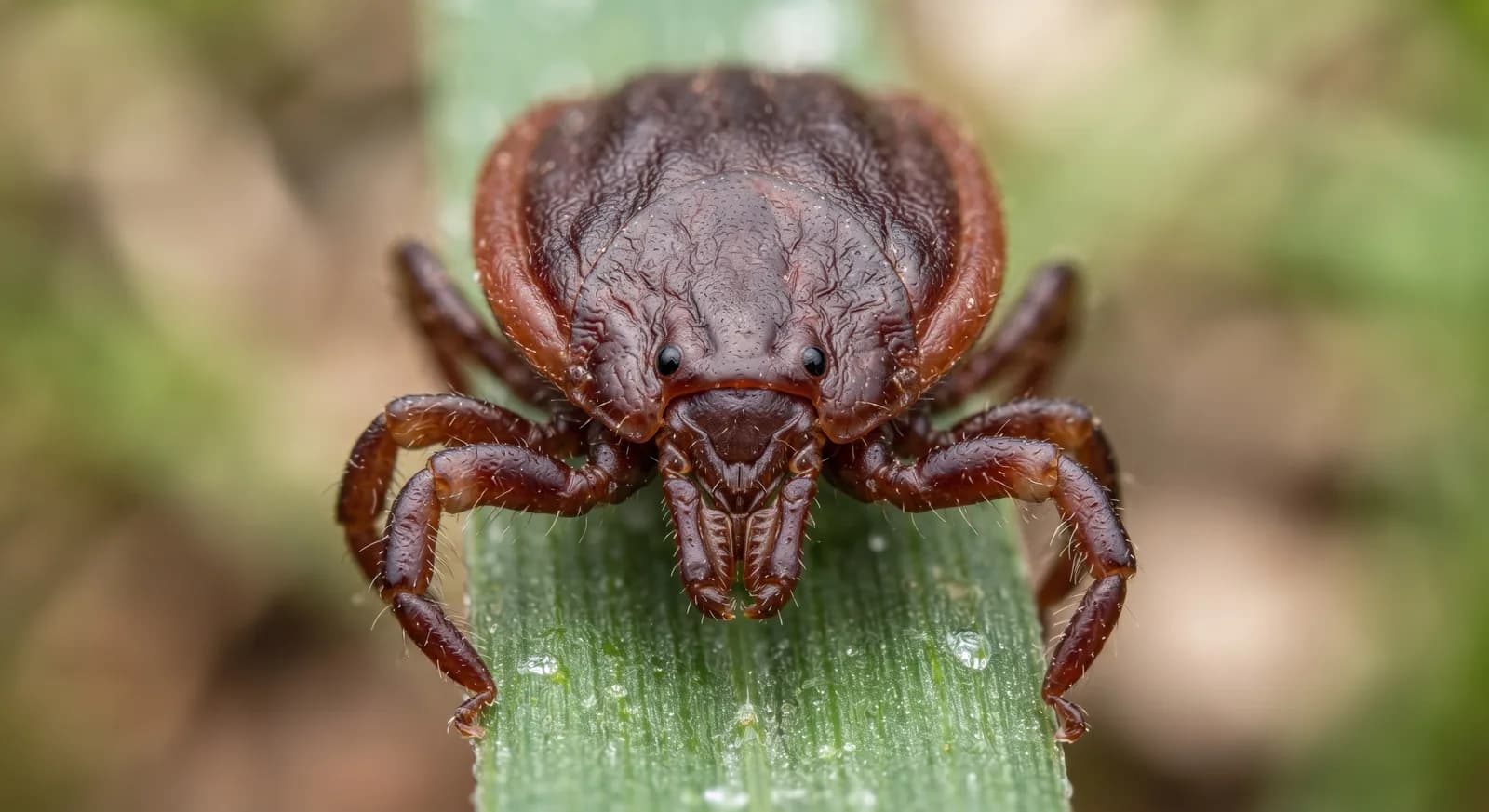
Castor Bean TickNot Evaluated

Castor Bean Tick

Ixodes ricinus

Not Evaluated

Joro Spider

Trichonephila clavata

Not Evaluated

Southern Unstriped Scorpion

Vaejovis carolinianus

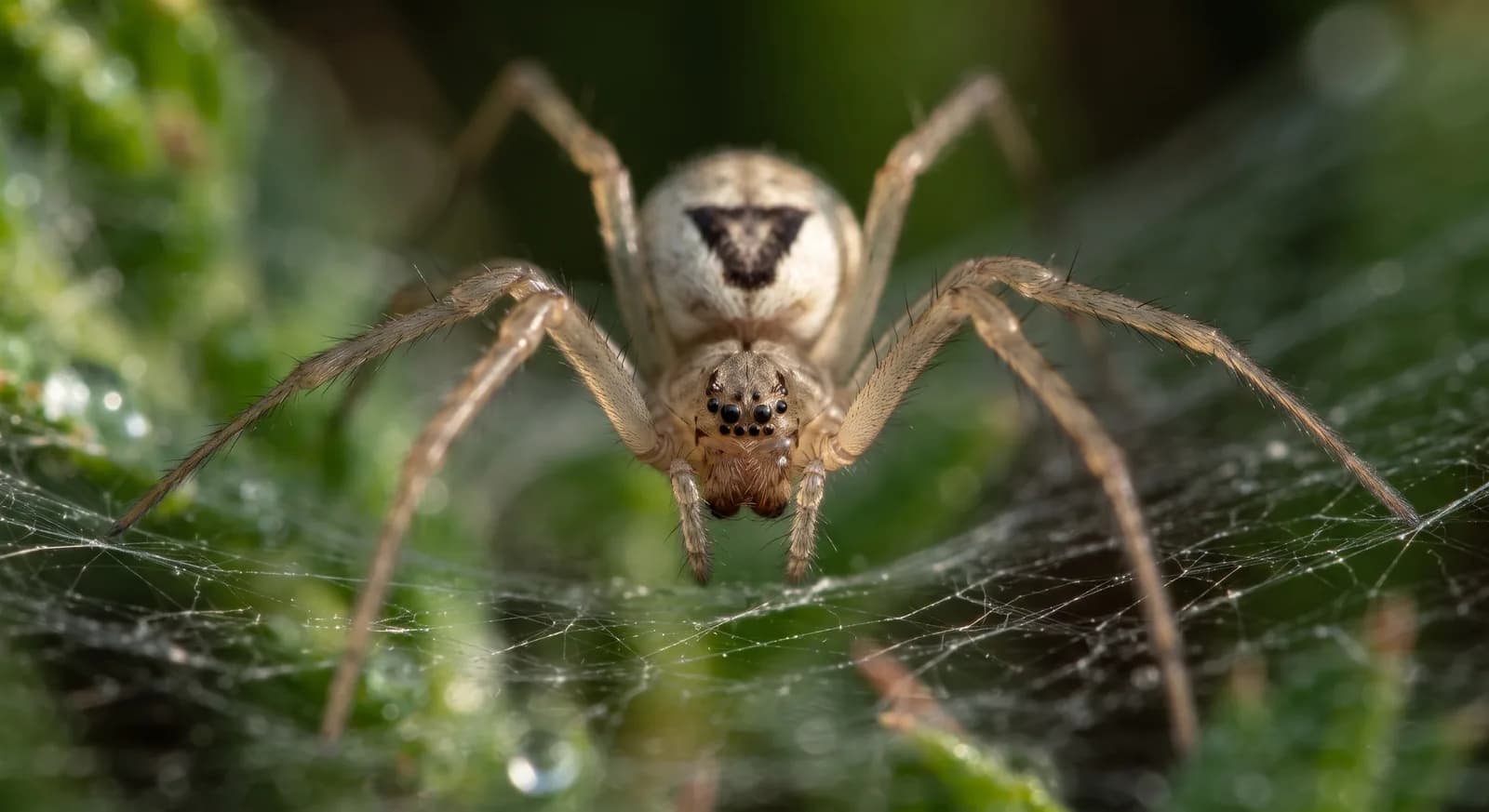
Money SpiderNot Evaluated

Money Spider

Linyphia triangularis

CountriesAlbania
TagsCarnivore
Carnivore
Solitary
Temperate forest
Arachnid

Europe39

Asia2

North America2

Oceania2

South America2

Africa1

Albania
Andorra
Argentina
Australia
Austria
Belarus
Albania
Andorra
Austria
Belarus
Belgium
Bosnia and Herzegovina
Bulgaria
Croatia
Czechia
Denmark
Estonia
Finland
France
Germany
Greece
Hungary
Ireland
Italy
Latvia
Liechtenstein
Lithuania
Luxembourg
Moldova
Monaco
Montenegro
Netherlands
North Macedonia
Norway
Poland
Portugal
Romania
Serbia
Slovakia
Slovenia
Spain
Sweden
Switzerland
Ukraine
United Kingdom
Japan
Russia
Canada
United States
Australia
New Zealand
Argentina
Chile
South Africa