Skip to content
WAnimals
  • Map
  • Species
  • Parks
  • Diving
Log inCreate account
WAnimals

The guide for travellers and animal lovers: discover, plan and share your wild adventures around the world.

Discover wildlife

  • Species
  • Ecosystems
  • Glossary
  • Tags

Explore places

  • Map
  • Countries
  • Parks
  • Diving

Plan experiences

  • Guides

Learn

  • Blog

Resources

  • About us
  • How we build our profiles
  • Help centre
  • Contact
  • Install the app

Follow us

Account

  • Log in
  • Create account

© 2026 WAnimals. All rights reserved.

Terms of servicePrivacyCookiesLegal notice
MapSpeciesParksDiving
  1. Home
  2. Species
  3. Powerful Owl

One of the 10 owls on WAnimals

Birds · Strigiformes · Strigidae

Powerful Owl

Ninox strenua

Least Concern

The species is abundant and widely distributed; it faces no significant short-term risk.

Spotted something wrong?

It is the largest owl in Australia and, unlike most of its genus, the male is bigger than the female and takes the dominant role in the breeding pair.

Weight

990 g – 2.2 kg

Size

45 cm – 65 cm

Life expectancy

6 years

Diet

Carnivore

Feeds mainly on other animals.

Activity

Nocturnal

Active mainly at night.

Social structure

Solitary

Lives and hunts alone, joining others only to breed.

Temperate forest
1countries17parks18same family

Fun facts

  • It is the largest owl in Australia.
  • The male is larger than the female, which is unusual among owls.
  • It often roosts by day still gripping the remains of its last kill.

Life cycle and biology

Skeleton type
Vertebrate - pneumatised bony skeleton (bird)
Habitat and environment
Wet and sclerophyll forest of eastern and south-eastern Australia, the Great Dividing Range included
Birth weight
Exact weight at hatching not found as a precise figure
Size at birth
Altricial at hatching
Sexual maturity
Not precisely known (the young may stay in their parents' territory for up to a year)
Gestation / incubation
36-38 days
Litter / clutch size
1 to 2 eggs per clutch (most commonly 2)

Sources consulted: AnAge (genomics.senescence.info) · Australian Geographic · The Owl Pages · The Animal Facts · Birds in Backyards · Avibase · Wikipedia (Powerful owl)

Where to find it

Best time: All year round in south-eastern Australia, at night; it is often located by day from the prey remains piled beneath its roost.

Loading map…

The pins mark the parks where its presence is documented.

Where to see it

Parks and dive sites where this species has been documented — showing 10 of 17.

Related species

Other species in the catalogue with the most in common with Powerful Owl — same habitat, park, country, tags or family.

Shares a park
Shares a park
Shares a park
Shares a park
Shares a park
Shares a park

Keep exploring

Based on what we already know about powerful owl.
Share an experience, a fun fact or a tip for seeing the powerful owl.
See full glossary
This page in other languages: Español · Deutsch · Français · Português · Italiano
See its range on the interactive map→
DaintreeAustralia
Blue MountainsAustralia
KosciuszkoAustralia
Grampians (Gariwerd)Australia
Wilsons PromontoryAustralia
Royal National ParkAustralia
LamingtonAustralia
Ku-ring-gai ChaseAustralia
Barrington TopsAustralia
SpringbrookAustralia
See all 17 parks
Least Concern

Common Death Adder

Acanthophis antarcticus

Least Concern

Brown Tree Snake

Boiga irregularis

Least Concern

Tawny Frogmouth

Podargus strigoides

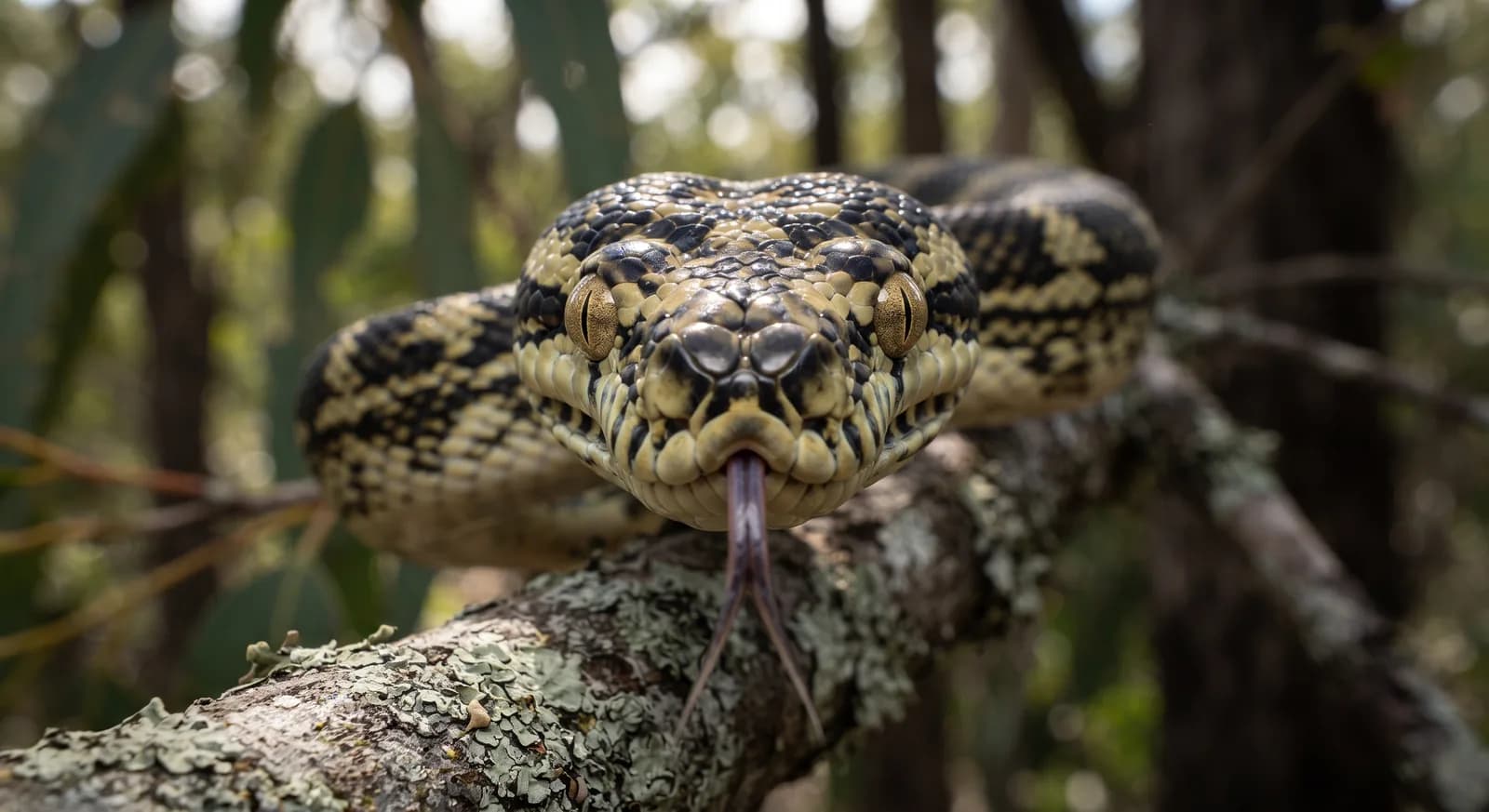
Carpet PythonLeast Concern

Carpet Python

Morelia spilota

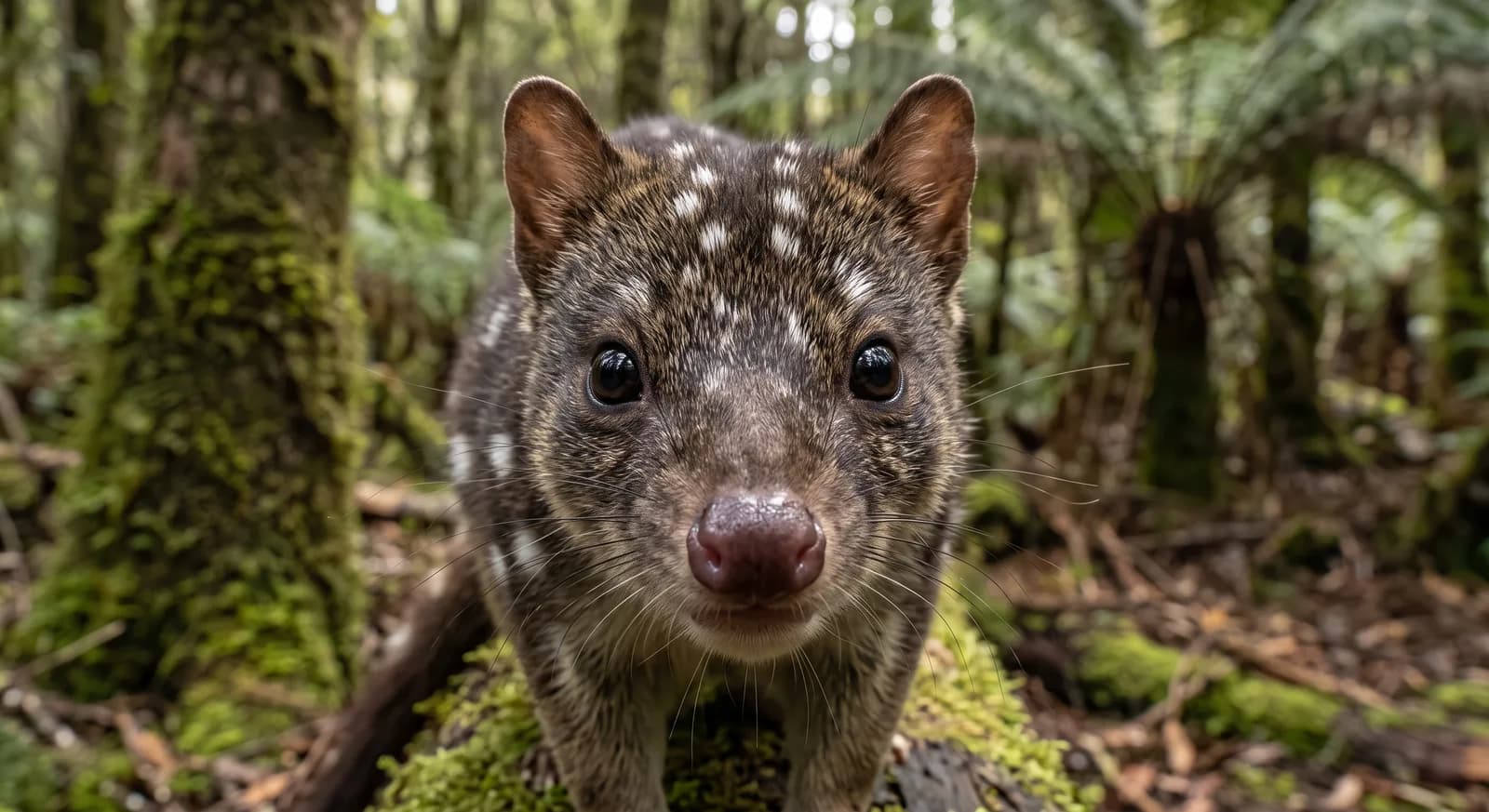
Spotted-tailed QuollNear Threatened

Spotted-tailed Quoll

Dasyurus maculatus

Least Concern

Brown Antechinus

Antechinus stuartii

CountriesAustralia
ParksDaintreeAustralia
TagsCarnivore
Carnivore
Nocturnal
Solitary
Bird
Temperate forest
Australia