One of the 4 pipits on WAnimals
Birds · Passeriformes · Motacillidae
South Georgia Pipit
Anthus antarcticus
The species is abundant and widely distributed; it faces no significant short-term risk. See full glossary
A pipit the size of a sparrow, with cryptic plumage like all the members of its genus. It is the only passerine of the South Georgia archipelago.
Weight
36 g on average
Diet
Insectivore
Feeds mainly on insects and other invertebrates.
Activity
Diurnal
Active mainly during the day.
Social structure
In pairs
Usually lives in pairs, sometimes for life.
Sighting difficulty
Easy
Estimated population
6,000-8,000 mature individuals, over an area of occupancy of 6,700 km²
Fun facts
- It is the only songbird of the Antarctic and the only passerine of South Georgia, as well as one of the very few non-marine birds of the whole region.
- It feeds on small insects, spiders and debris from the shore.
- It was chosen as the emblem bird of the South Georgia Heritage Trust habitat restoration project, which began eradicating rats in 2011; the baiting phase finished in early 2015 and success was confirmed in 2018.
- It is the only passerine in Antarctica and the southernmost breeding songbird of the more than 6,500 passerine species. It came close to disappearing because of the rats brought by whalers and sealers; the eradication, begun in 2011 and confirmed in 2018, has allowed it to recolonise the beaches of South Georgia.
Life cycle & biology
- Skeleton type
- Vertebrate - internal bony skeleton (bird)
- Habitat & environment
- The South Georgia archipelago, off the Antarctic Peninsula. It builds its nest from dry grass, usually inside tussocks of tussac grass (Poa flabellata)
- Gestation / incubation
- 11-14 days of incubation, sometimes one or two more
- Litter / clutch size
- Four eggs a year
Sources consulted: IUCN Red List 2021 (BirdLife International, e.T22718588A183206258); BirdLife DataZone 2024; Birds of the World (Tyler y Boland 2025, Cornell Lab); Animalia.bio; South Georgia Heritage Trust; Cabanis 1884, Journal für Ornithologie 32
Where to find it
See its range on the interactive mapBest time: All year round; it can be seen on Prion Island and on almost any beach in South Georgia since the rat eradication took effect
Where to watch it
Parks and dive sites where this species has been documented.
Related species
Other species in the catalogue with the most in common with South Georgia Pipit — same habitat, park, country, tags or family.
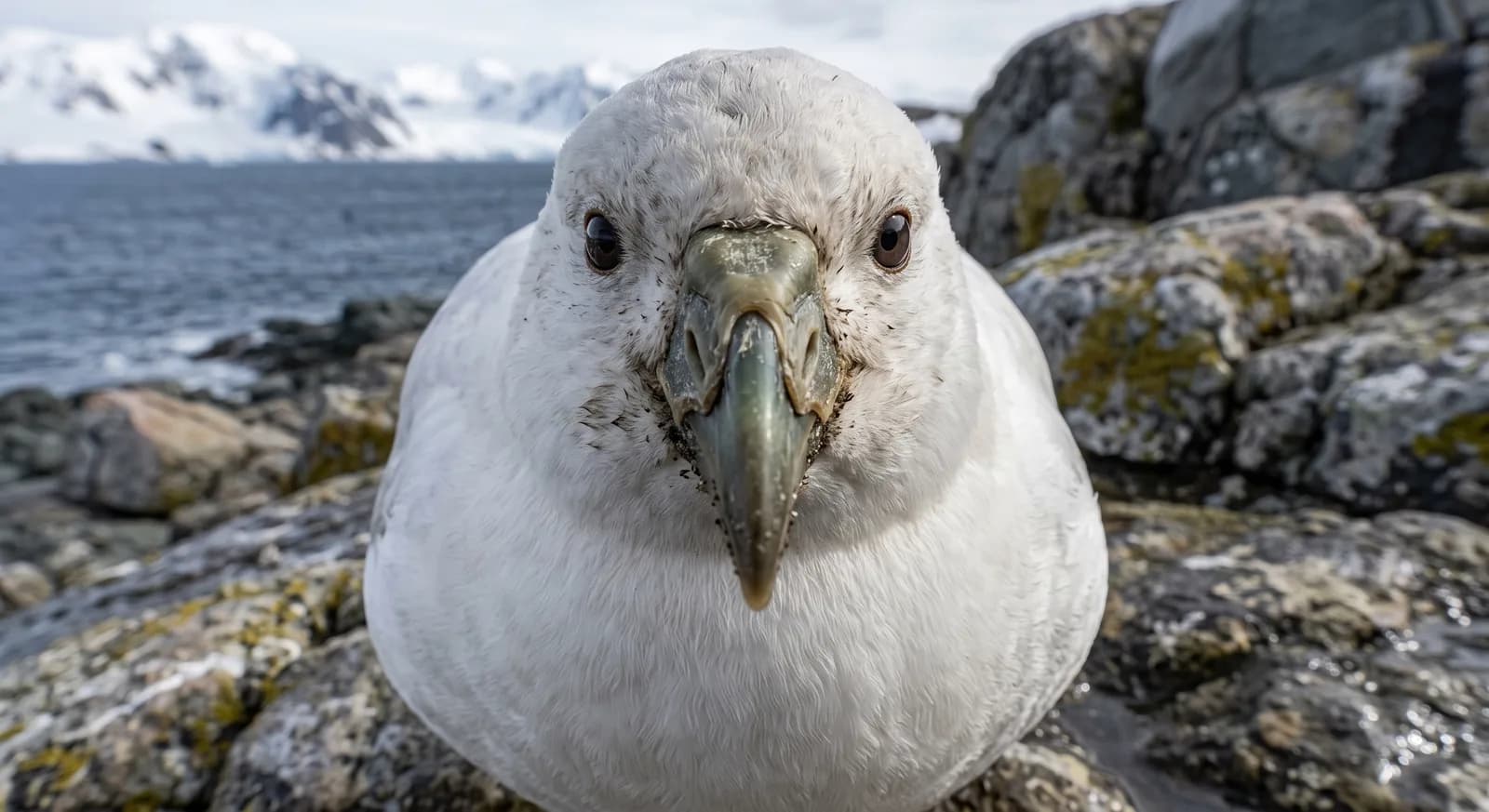 Least Concern
Snowy Sheathbill
Chionis albus
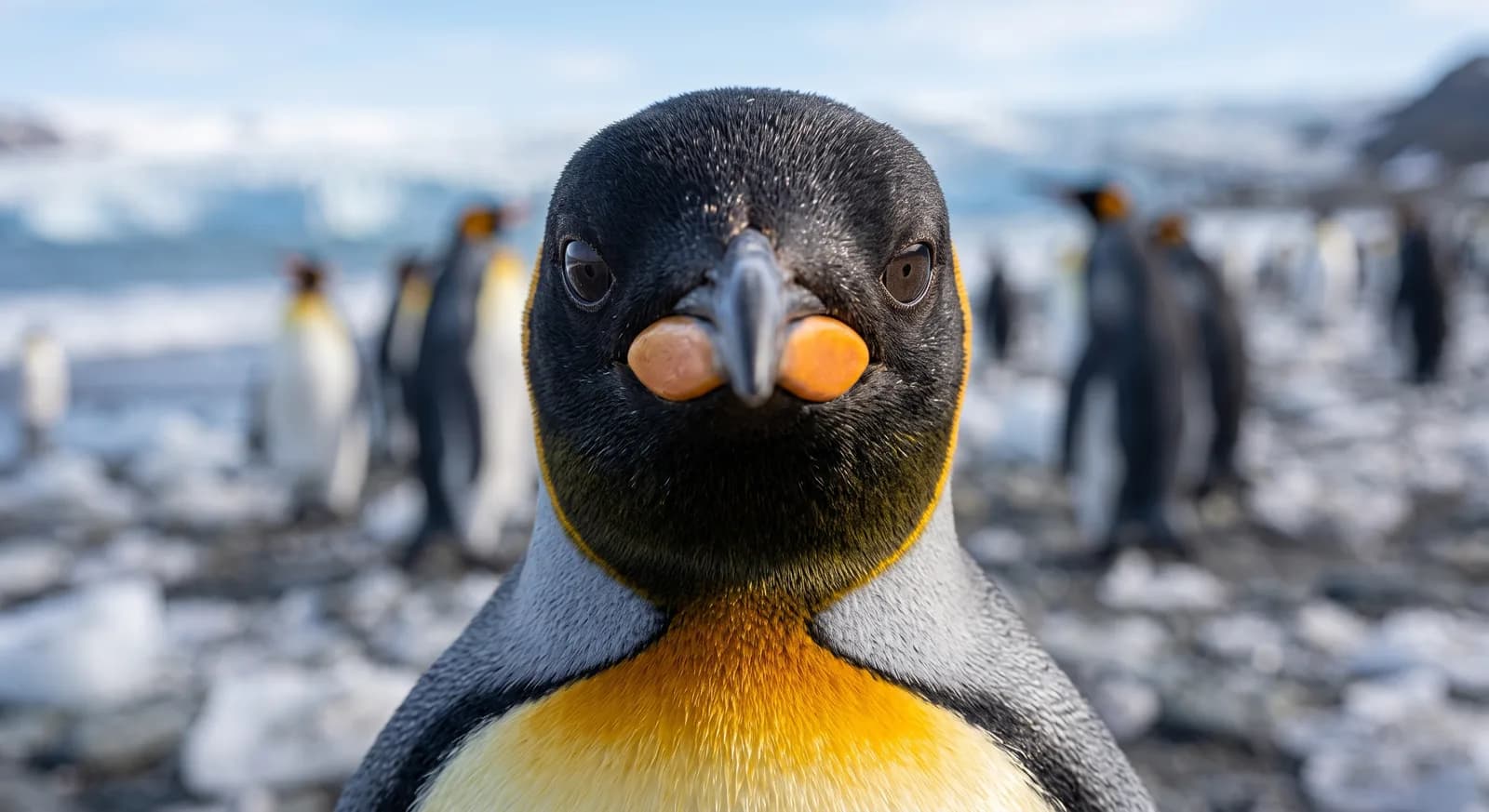 Least Concern
King Penguin
Aptenodytes patagonicus
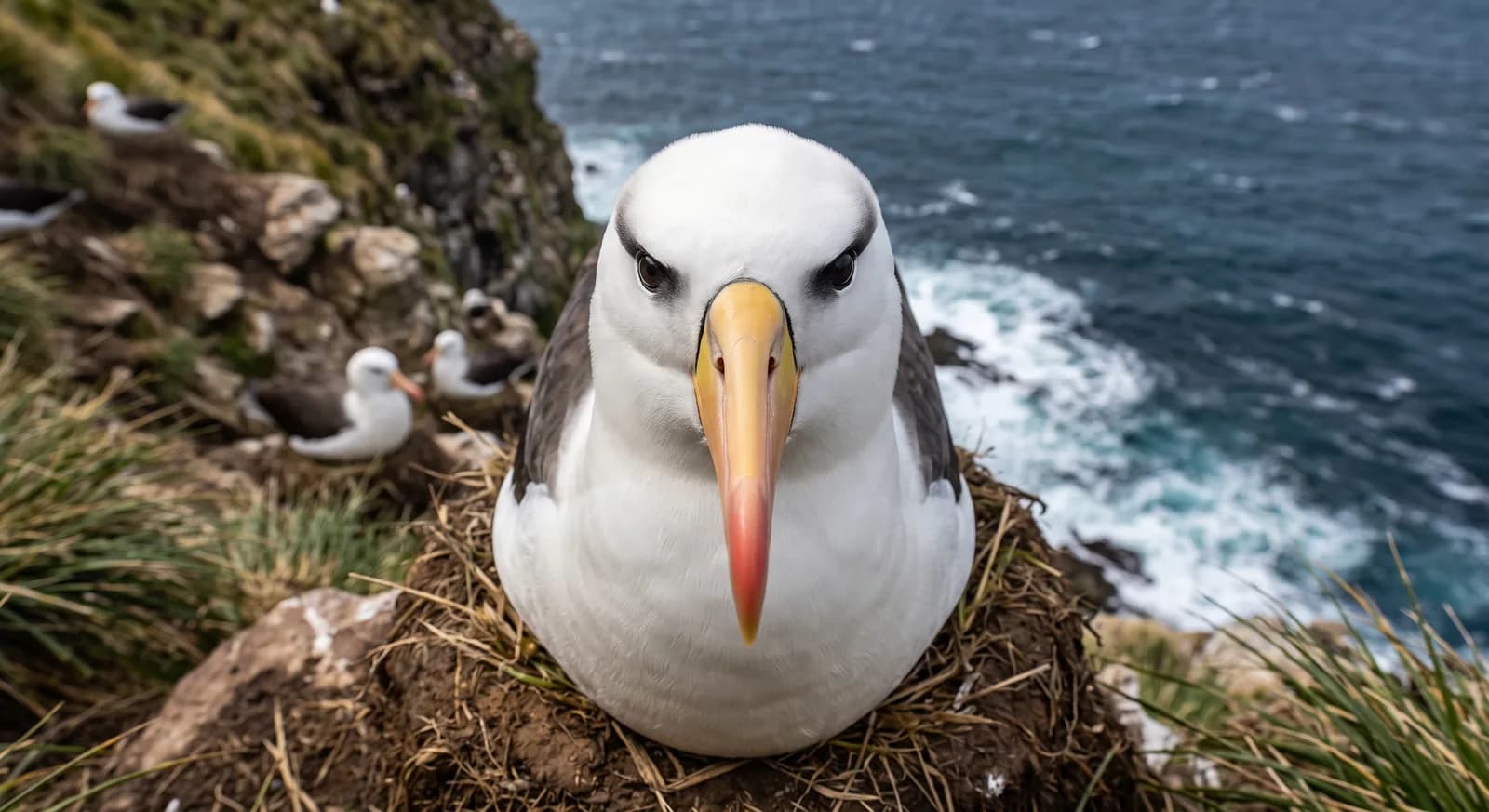 Least Concern
Black-browed Albatross
Thalassarche melanophris
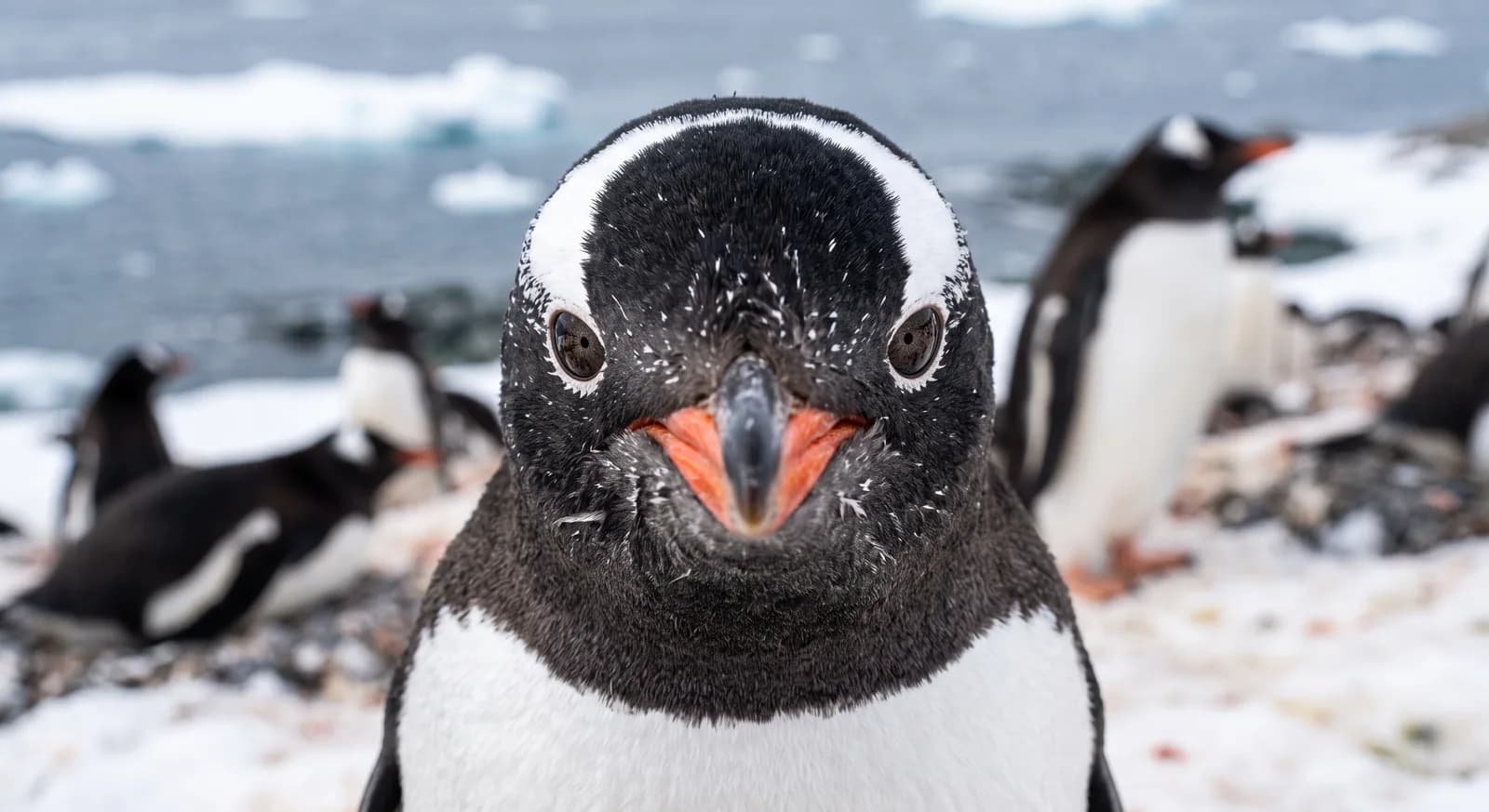 Least Concern
Gentoo Penguin
Pygoscelis papua
Southern Giant Petrel
Macronectes giganteus
Kelp Gull
Larus dominicanus
Keep exploring
Based on what we already know about south georgia pipit.
Comments
Share an experience, a fun fact or a tip for seeing the south georgia pipit.
Be the first to comment.