One of the 22 crabs on WAnimals
Malacostracans · Decapoda · Kiwaidae
Yeti Crab
Kiwa hirsuta
It has not yet been assessed against the IUCN criteria. See full glossary
The yeti crab is a decapod crustacean discovered in 2006 in the South Pacific and the only member of the genus Kiwa, belonging to the family Kiwaidae. This crab is large and has been given its common name for its white colour and abundant white hairs, which are in fact flexible spines. These setae are covered in colonies of bacteria whose function is being studied. Researchers speculate that the crab may farm and eat those bacteria. The closest known relative of the family Kiwaidae is the hermit crab.
Size
10 cm – 15 cm
Diet
Omnivore
Combines animal and plant food depending on availability.
Social structure
Solitary
Lives and hunts alone, joining others only to breed.
Sighting difficulty
Unknown
Fun facts
- GeneralDiscovered in 2005; it farms bacteria on the hairs of its claws and eats them.
- It was so unlike anything known that an entire family, Kiwaidae, had to be created for it within the crustaceans.
- The bacteria it farms on its bristles live on chemical compounds in the hydrothermal fluid, with no dependence whatsoever on sunlight.
- It is blind: at the hydrothermal vents, 2,200 m down, no light reaches.
- It was discovered in March 2005 by the submersible Alvin, 1,500 km south of Easter Island at 2,200 m depth. It was so unlike anything known that it was given not merely a new species but an entire family: Kiwaidae.
- It is blind and covered in long white bristles that give it a furry look, which is where the name yeti crab comes from.
- Those bristles are a garden: on them it farms chemosynthetic bacteria that it later scrapes off and eats with comb-shaped mouthparts.
- To feed its bacteria it waves its claws in the hot plume from the vent, a movement that has earned it the nickname dancing crab.
- The genus honours Kiwa, the Polynesian goddess of shellfish; hirsuta is Latin for hairy.
- Other species in the genus have been described since, among them Kiwa tyleri, nicknamed the Hoff crab.
Life cycle & biology
- Habitat & environment
- Hydrothermal vents at 2,200 m
Sources consulted: https://es.wikipedia.org/wiki/Kiwa_hirsuta
Related species
Other species in the catalogue with the most in common with Yeti Crab — same habitat, park, country, tags or family.
Sally Lightfoot Crab
Grapsus grapsus
Juan Fernandez Rock Lobster
Jasus frontalis
 Endangered
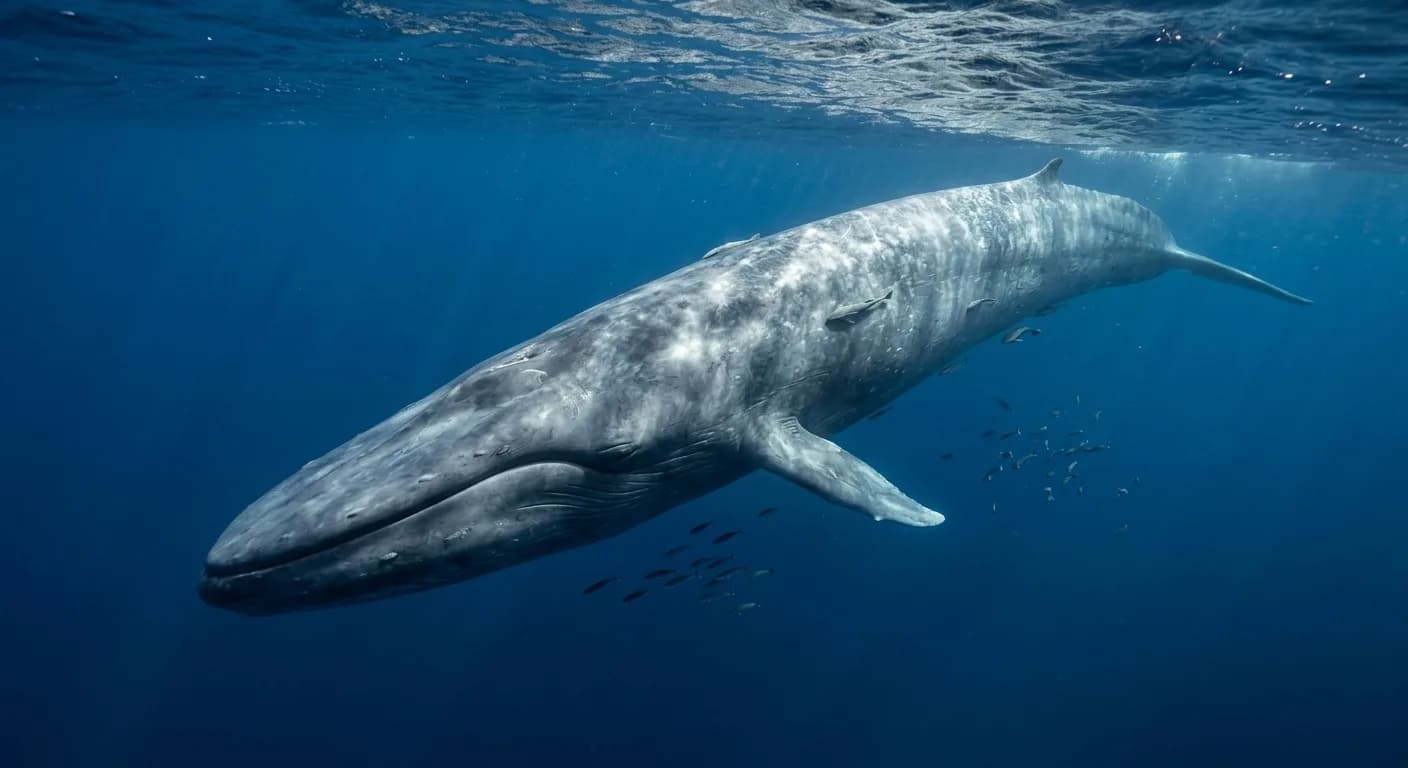
Blue Whale
Balaenoptera musculus
 Endangered
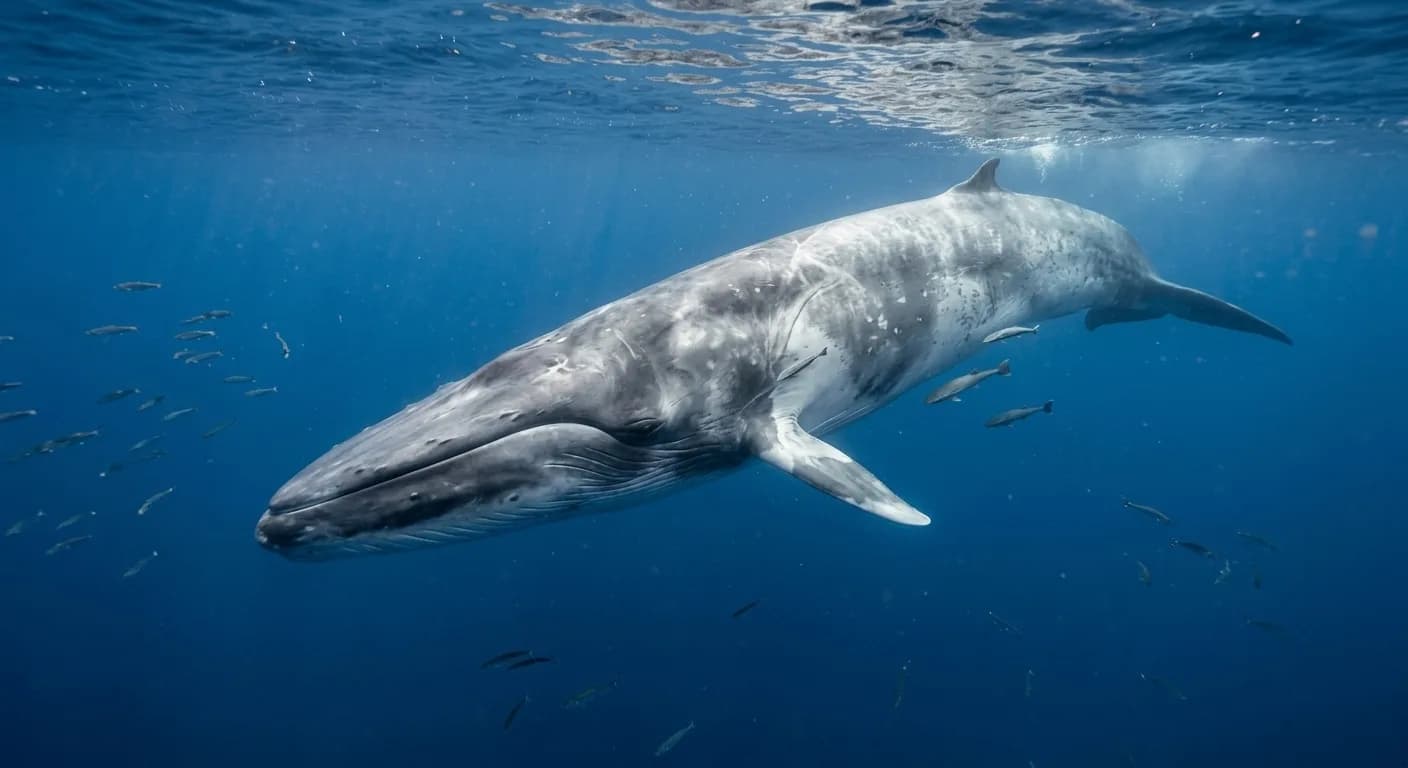
Fin Whale
Balaenoptera physalus
 Least Concern
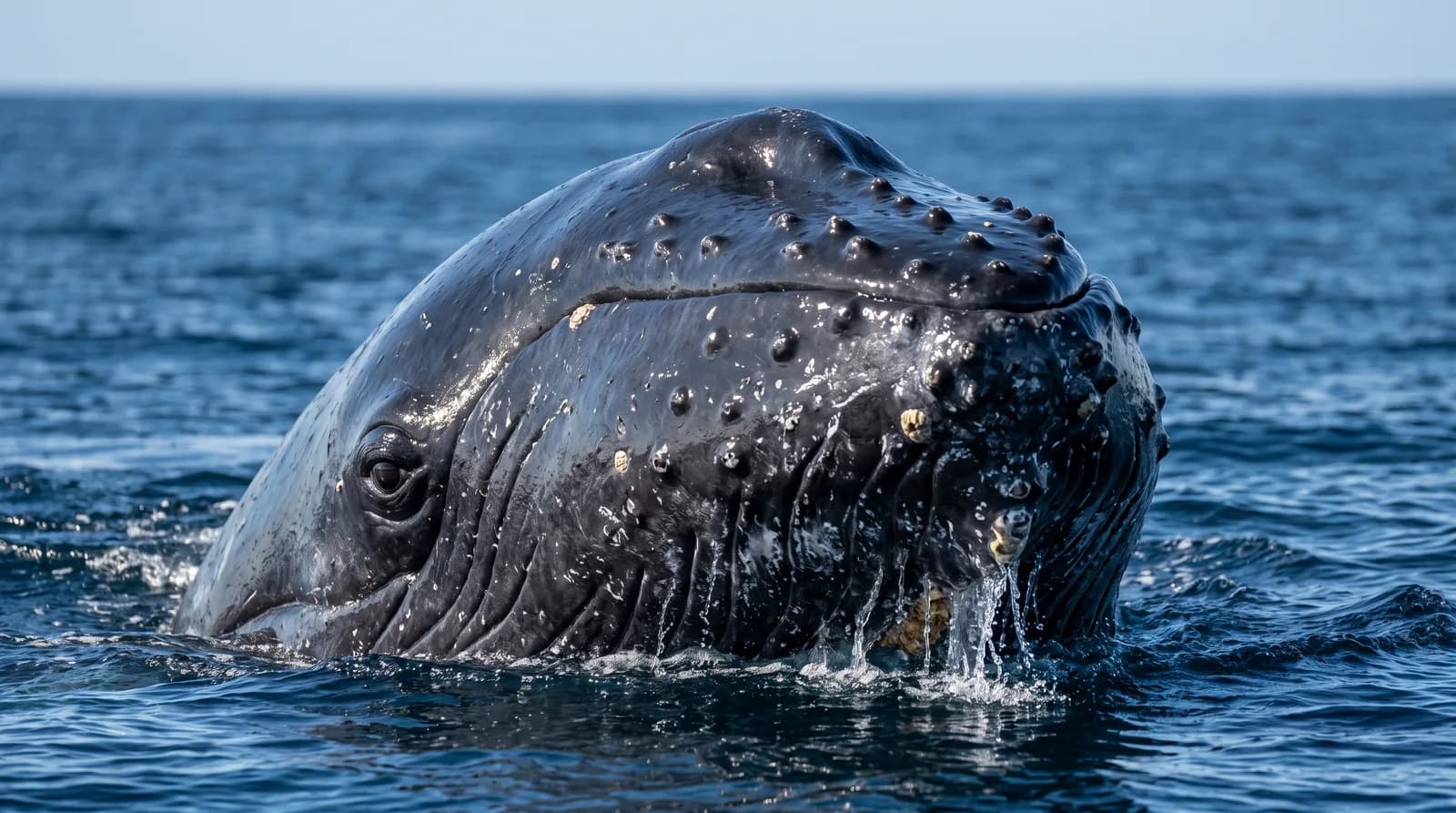
Humpback Whale
Megaptera novaeangliae
 Endangered
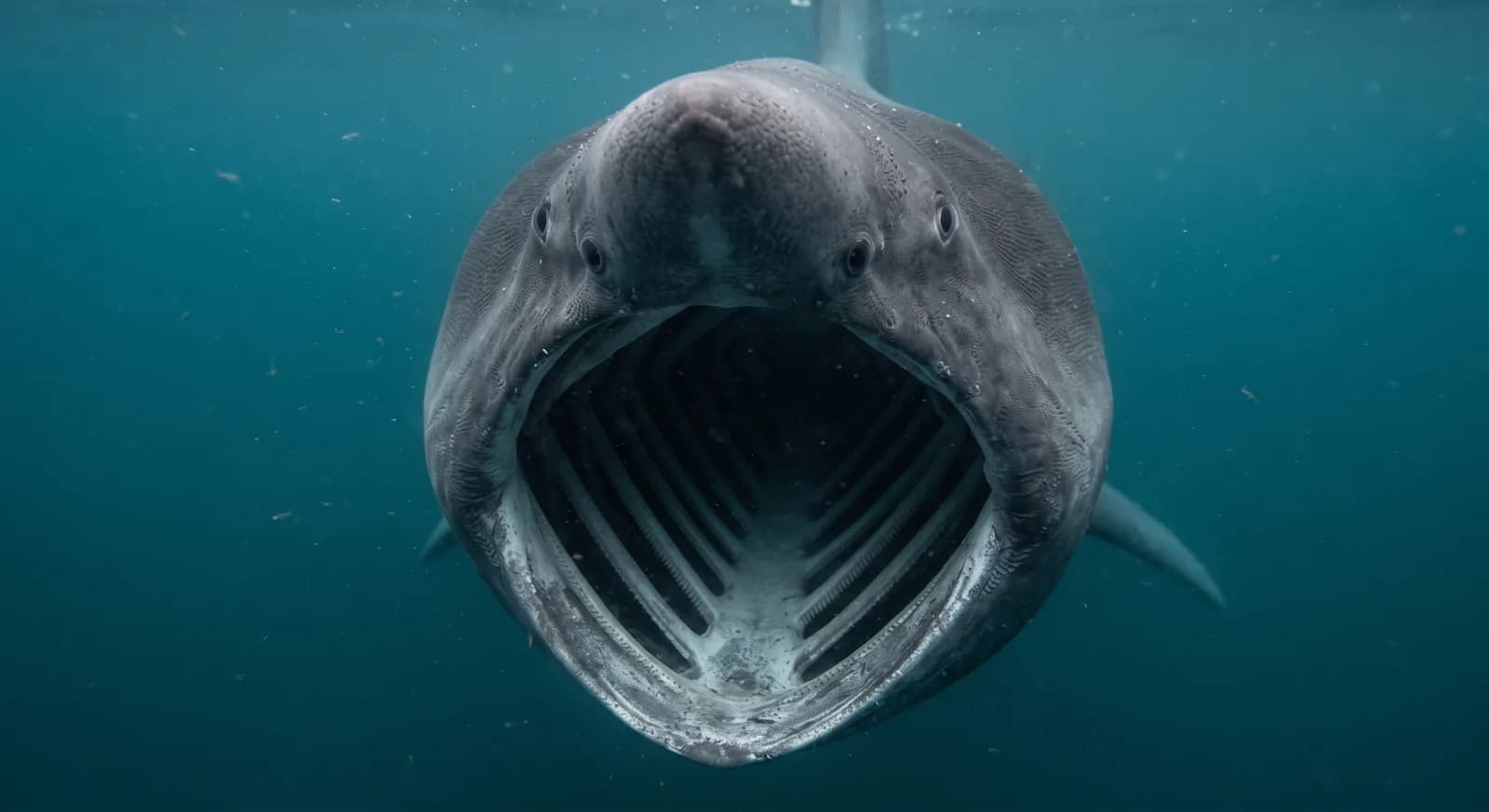
Basking Shark
Cetorhinus maximus
Keep exploring
Based on what we already know about yeti crab.
Comments
Share an experience, a fun fact or a tip for seeing the yeti crab.
Be the first to comment.