One of the 3 possums on WAnimals
Mammals · Dasyuromorphia · Dasyuridae
Brush-tailed Phascogale
Phascogale tapoatafa
It could become endangered in the near future if current threats go unchecked. See full glossary
The brush-tailed phascogale — known in Spanish as falangista colicerdosa or fascogale de cola de cepillo — is a rat-sized arboreal carnivorous marsupial, with large eyes, bare ears and a tail ending in a spectacular crest of black hairs. At night it hunts insects, spiders and small vertebrates, running along trunks and branches with enormous agility. It needs mature woodland with old trees and hollows to nest in, so it disappears from young or intensively managed stands.
Weight
100 g – 300 g
Size
16 cm – 27 cm
Lifespan
3 years
Diet
Carnivore
Feeds mainly on other animals.
Activity
Nocturnal
Active mainly at night.
Social structure
Solitary
Lives and hunts alone, joining others only to breed.
Sighting difficulty
Moderate
Fun facts
- All the males die after their first and only breeding season: the hormonal stress of the rut collapses their immune system within a few weeks, a phenomenon called semelparity that occurs in only a handful of mammals.
- It can bristle the black crest of its tail until it looks like a bottle brush, probably to appear larger to a predator.
Life cycle & biology
- Skeleton type
- Vertebrate - internal bony skeleton (mammal)
- Habitat & environment
- Open forest of mature eucalypts with nesting hollows, in southern and eastern Australia
- Sexual maturity
- 12 months
- Gestation / incubation
- 29 days
- Litter / clutch size
- 6.4 (average)
Sources consulted: https://es.wikipedia.org/wiki/Phascogale_tapoatafa
Related species
Other species in the catalogue with the most in common with Brush-tailed Phascogale — same habitat, park, country, tags or family.
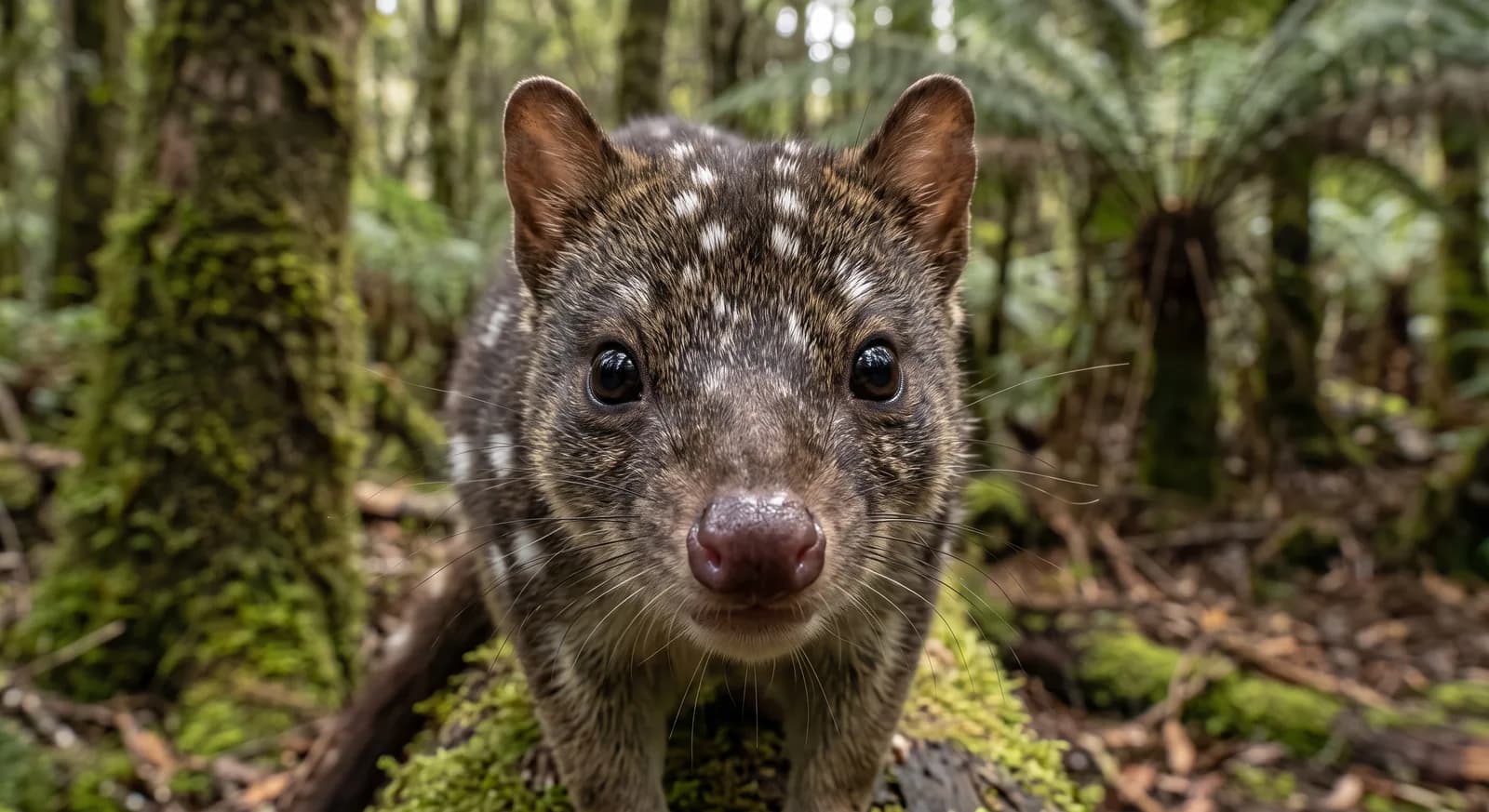 Near Threatened
Spotted-tailed Quoll
Dasyurus maculatus
Brown Antechinus
Antechinus stuartii
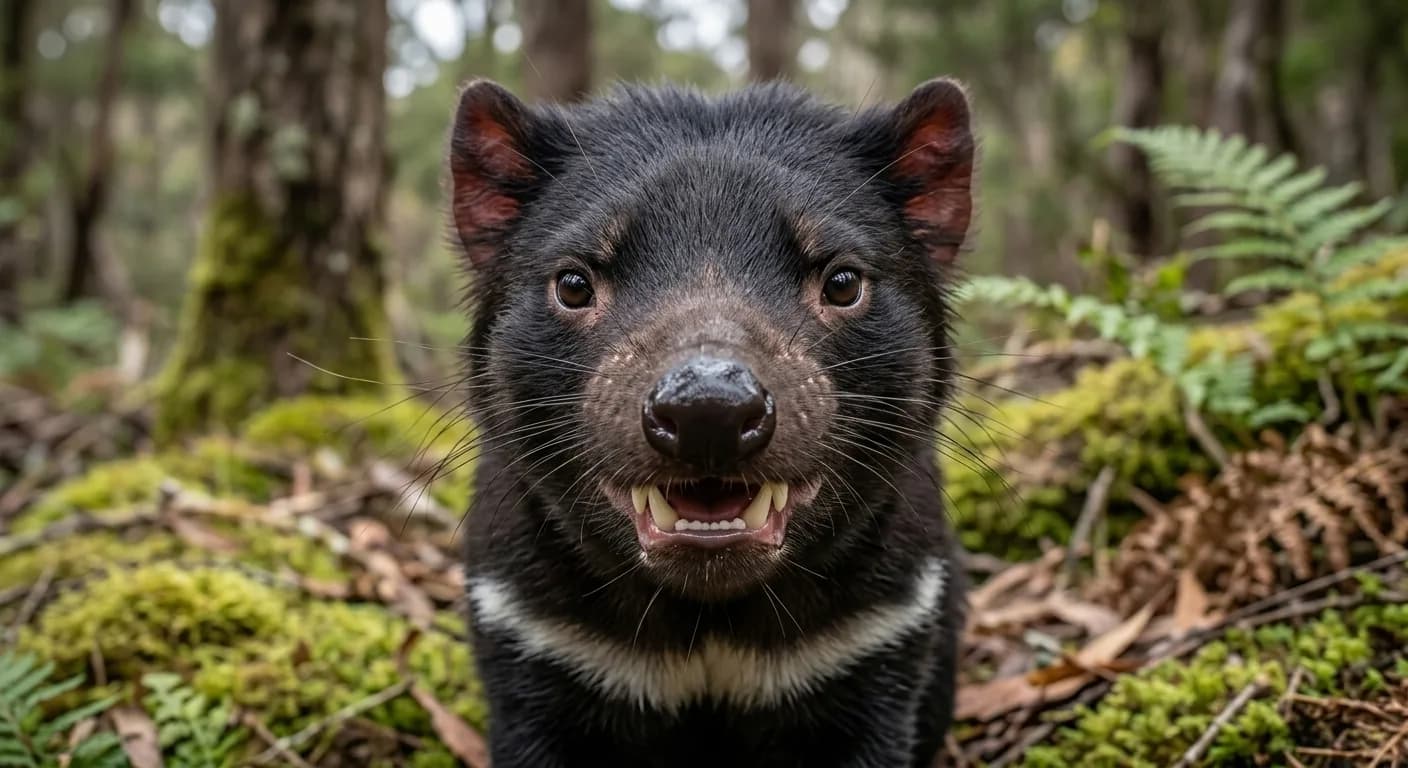 Endangered
Tasmanian Devil
Sarcophilus harrisii
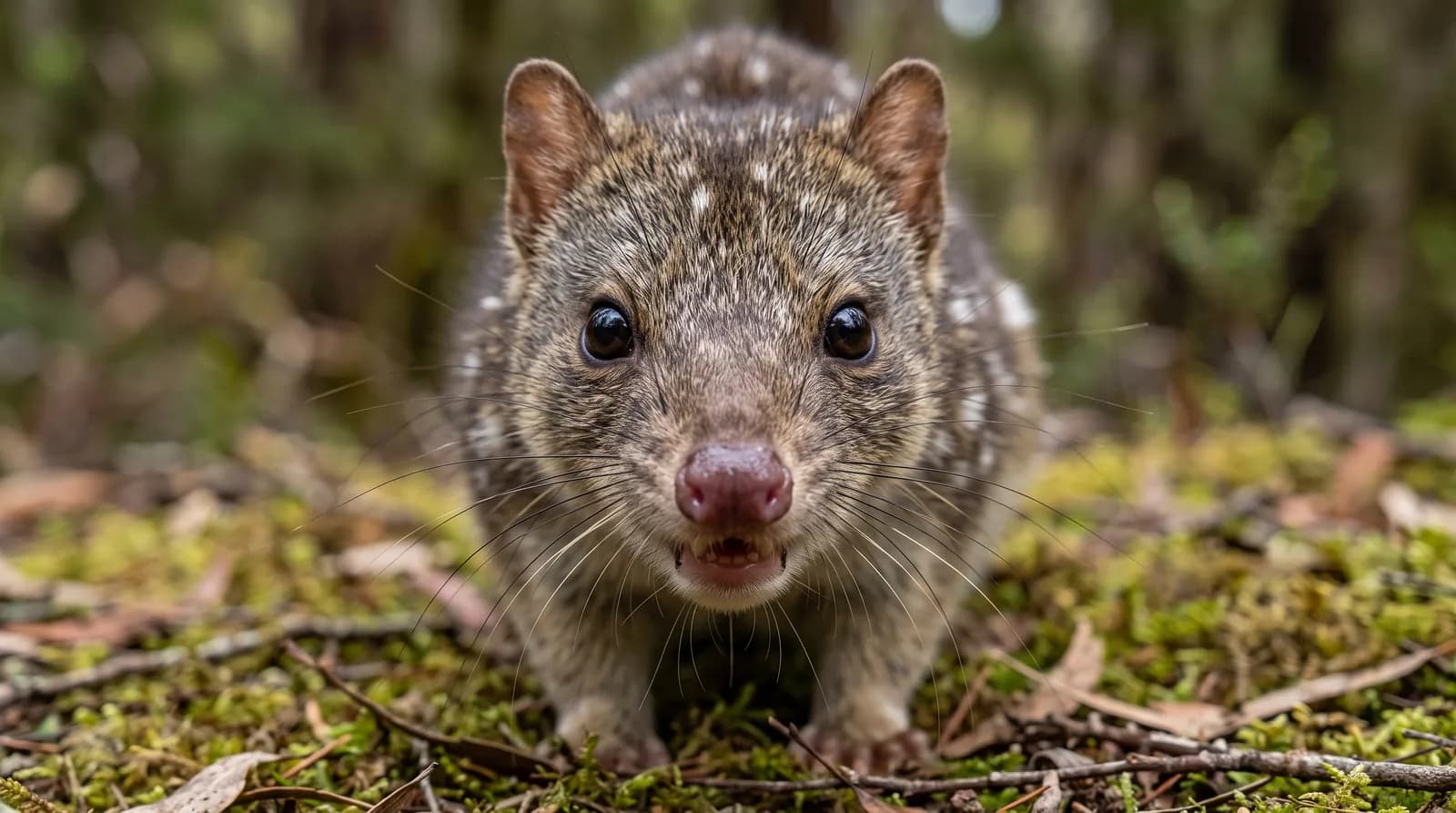 Endangered
Eastern Quoll
Dasyurus viverrinus
Fat-tailed Dunnart
Sminthopsis crassicaudata
Long-nosed Potoroo
Potorous tridactylus
Keep exploring
Based on what we already know about brush-tailed phascogale.
Comments
Share an experience, a fun fact or a tip for seeing the brush-tailed phascogale.
Be the first to comment.