Malacostracans · Euphausiacea · Euphausiidae
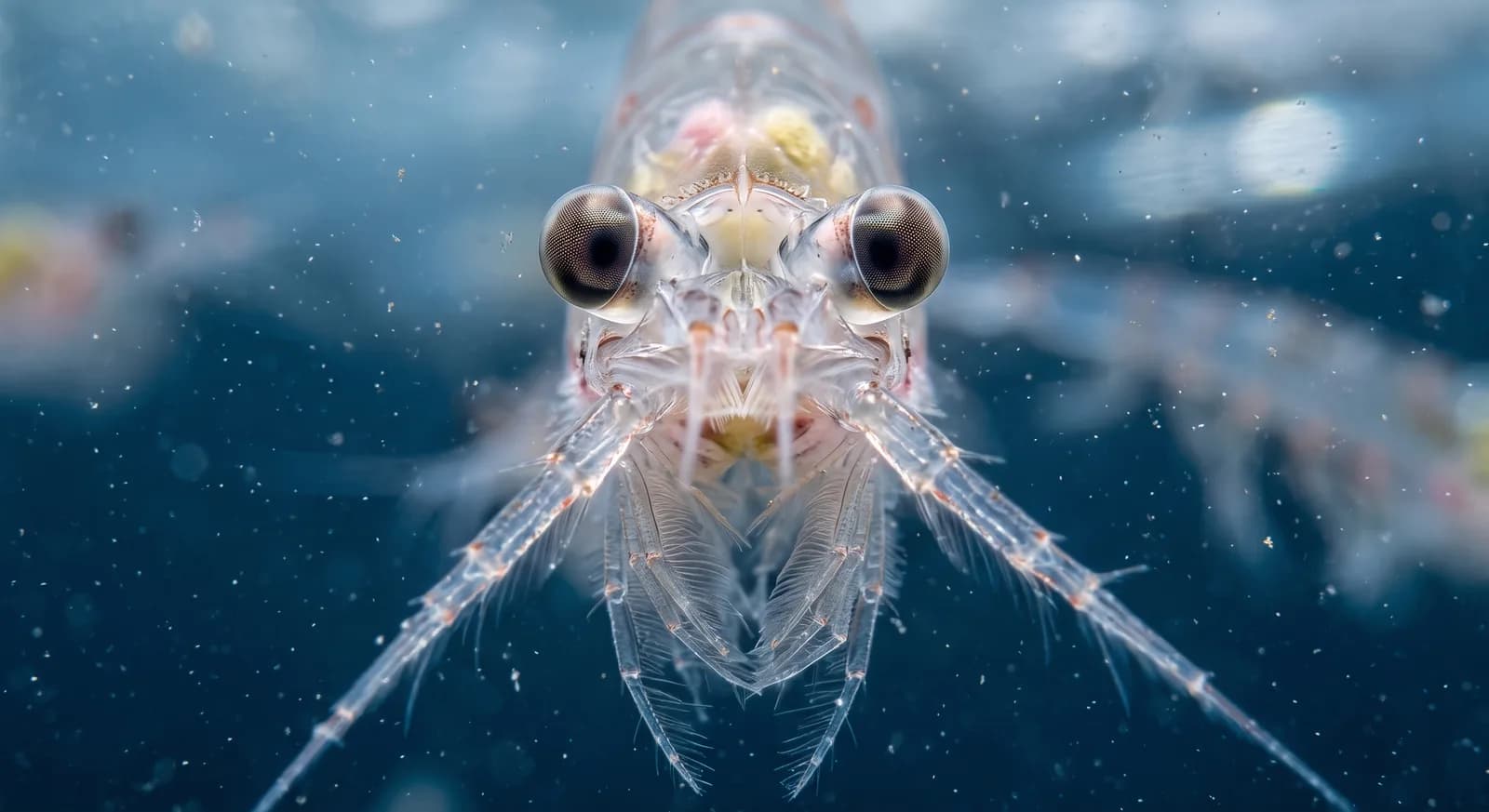
Antarctic Krill
Euphausia superba
The species is abundant and widely distributed; it faces no significant short-term risk. See full glossary
Antarctic krill is a malacostracan crustacean of the order Euphausiacea native to the cold waters of the Atlantic and Pacific oceans around Antarctica. It is a small crustacean that can live up to 6 years and forms enormous, very dense swarms. It feeds on phytoplankton, drawing on the energy the latter takes from sunlight, and so forms an essential link in the food chain of the Antarctic ecosystem, while itself being food for a number of animals, among them fish, penguins, petrels and whales.
Size
up to 6 cm
Lifespan
11 years
Diet
Herbivore
Feeds mainly on plants.
Sighting difficulty
Easy
Fun facts
- It is reckoned to be the species with the greatest biomass on the planet: between 100 and 500 million tonnes, an order of magnitude comparable to the total biomass of humanity.
- Its swarms reach densities of 10,000 to 30,000 individuals per cubic metre.
- It feeds directly on phytoplankton, so it turns solar energy into animal biomass in a single step, and from there it passes to whales, seals and penguins.
- Its role goes beyond the food chain: through its daily vertical migrations and its fast-sinking faecal pellets, it transports nutrients and contributes to the Southern Ocean carbon sink.
- It supports the largest fishery in the Southern Ocean, some 300,000 tonnes a year destined mainly for aquaculture feed and krill oil.
- Its genome is enormous, about 42 gigabases, more than ten times the size of the human genome.
Life cycle & biology
- Skeleton type
- Invertebrate - articulated calcareous exoskeleton (crustacean)
- Habitat & environment
- Open waters of the Southern Ocean, from the surface to about 350 m and occasionally to 600; it forms extremely dense swarms tens of kilometres across
- Sexual maturity
- Matures at two years old
Sources consulted: https://es.wikipedia.org/wiki/Euphausia_superba
Where to find it
See its range on the interactive mapWhere to watch it
Parks and dive sites where this species has been documented.
Related species
Other species in the catalogue with the most in common with Antarctic Krill — same habitat, park, country, tags or family.
 Least Concern
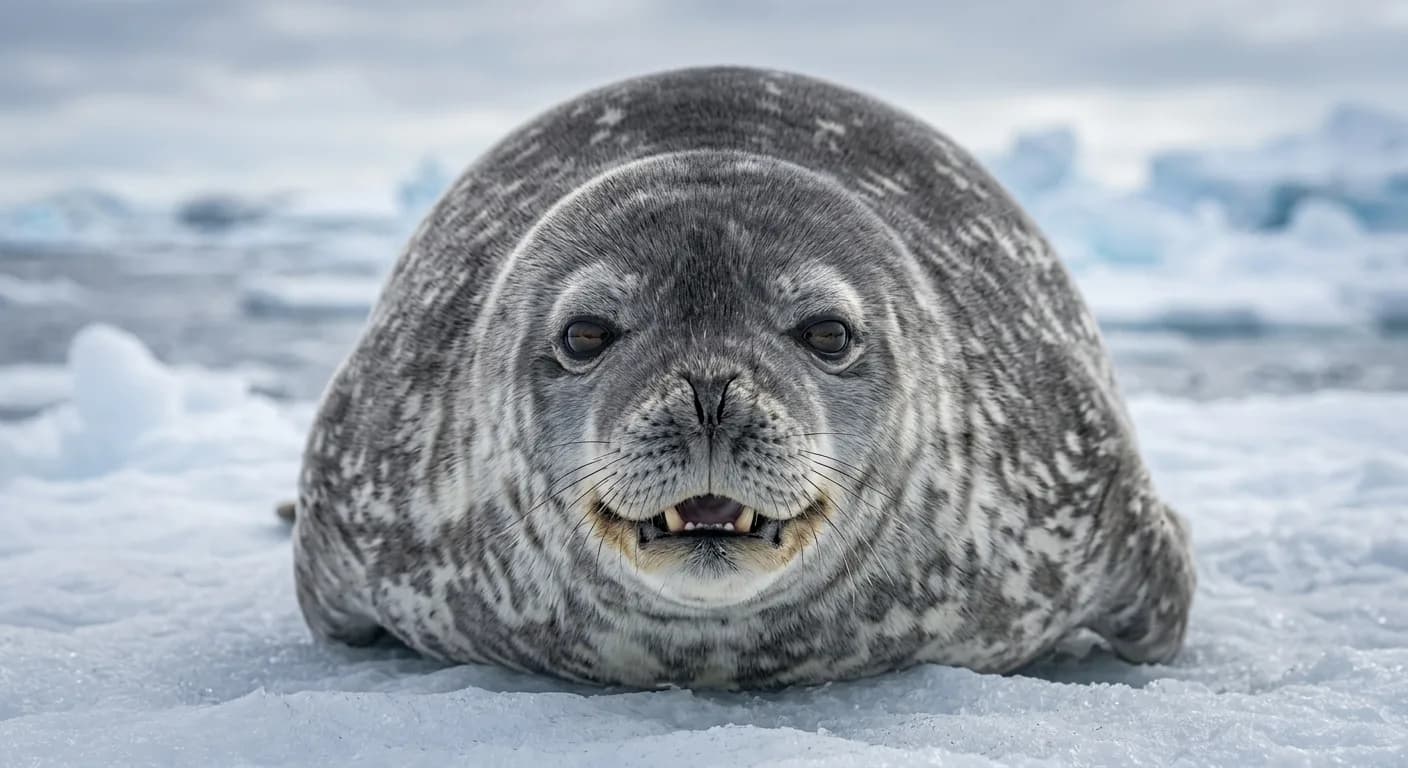
Weddell Seal
Leptonychotes weddellii
Minke Whale
Balaenoptera acutorostrata
 Least Concern
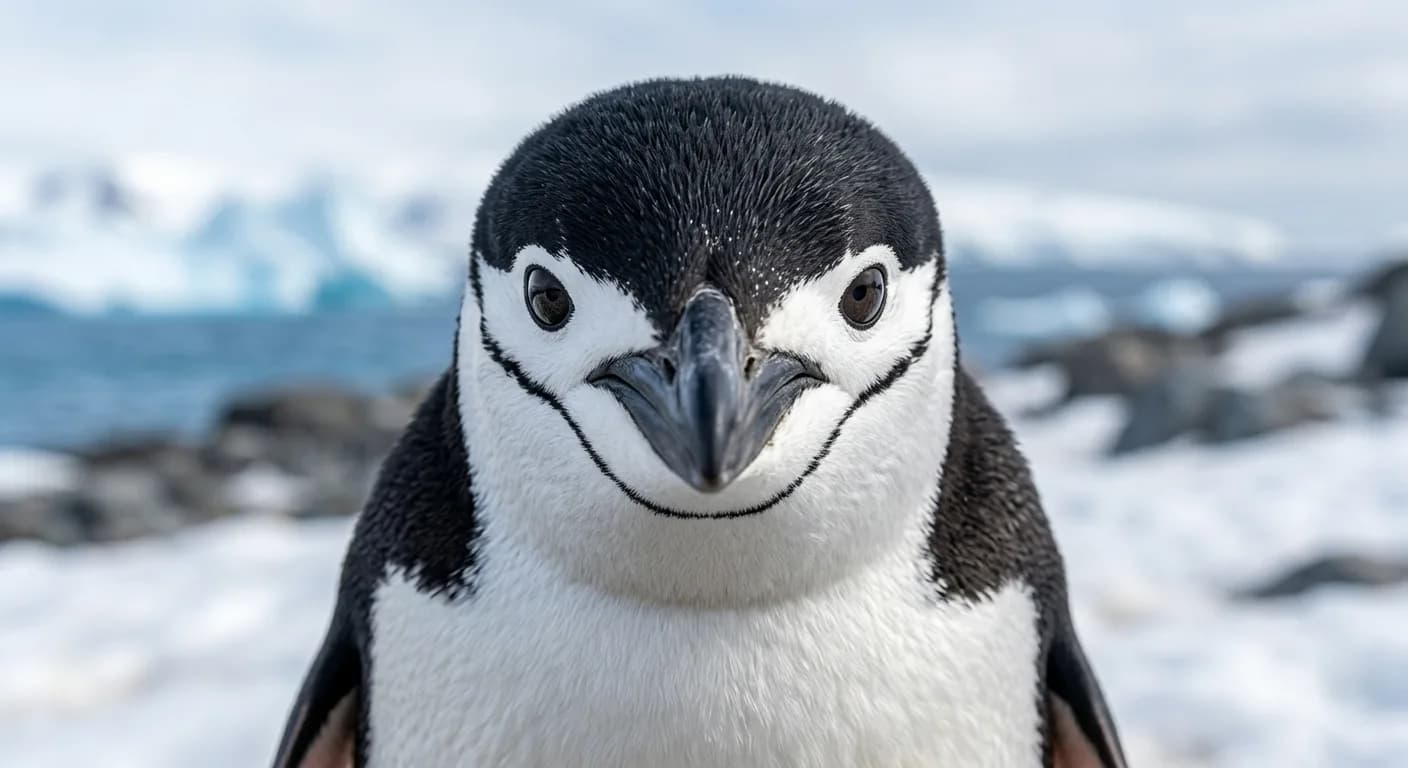
Chinstrap Penguin
Pygoscelis antarcticus
 Least Concern
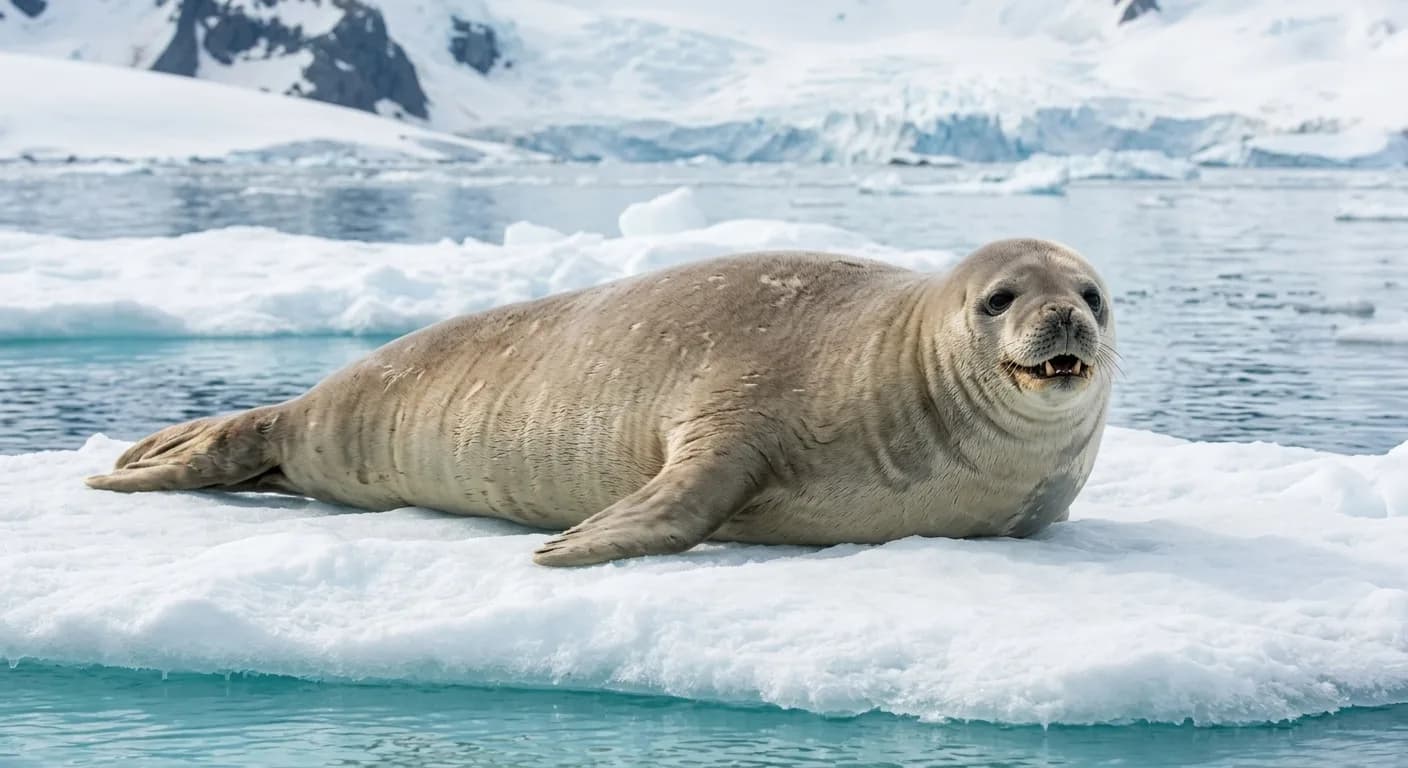
Crabeater Seal
Lobodon carcinophaga
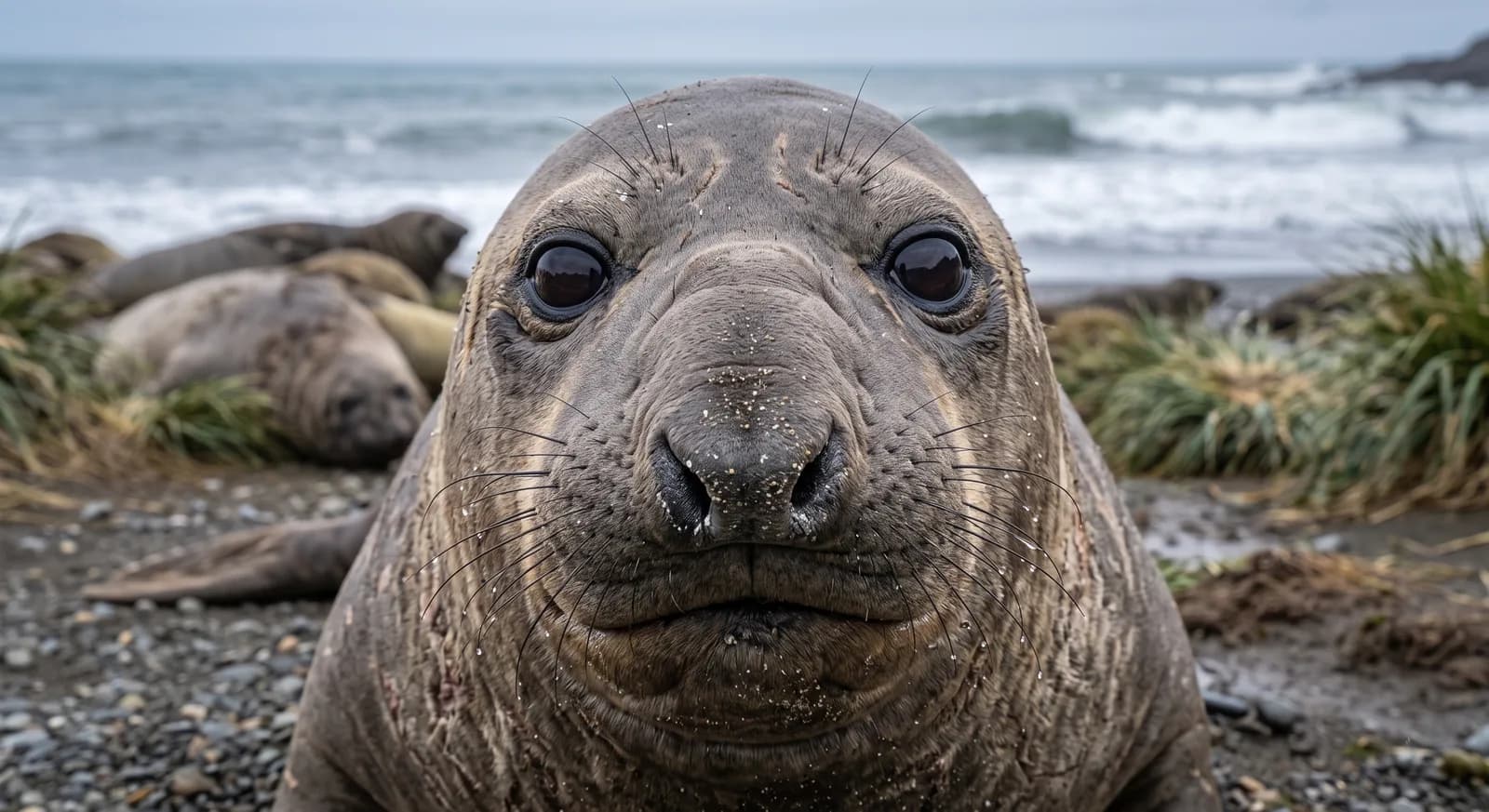 Vulnerable
Southern Elephant Seal
Mirounga leonina
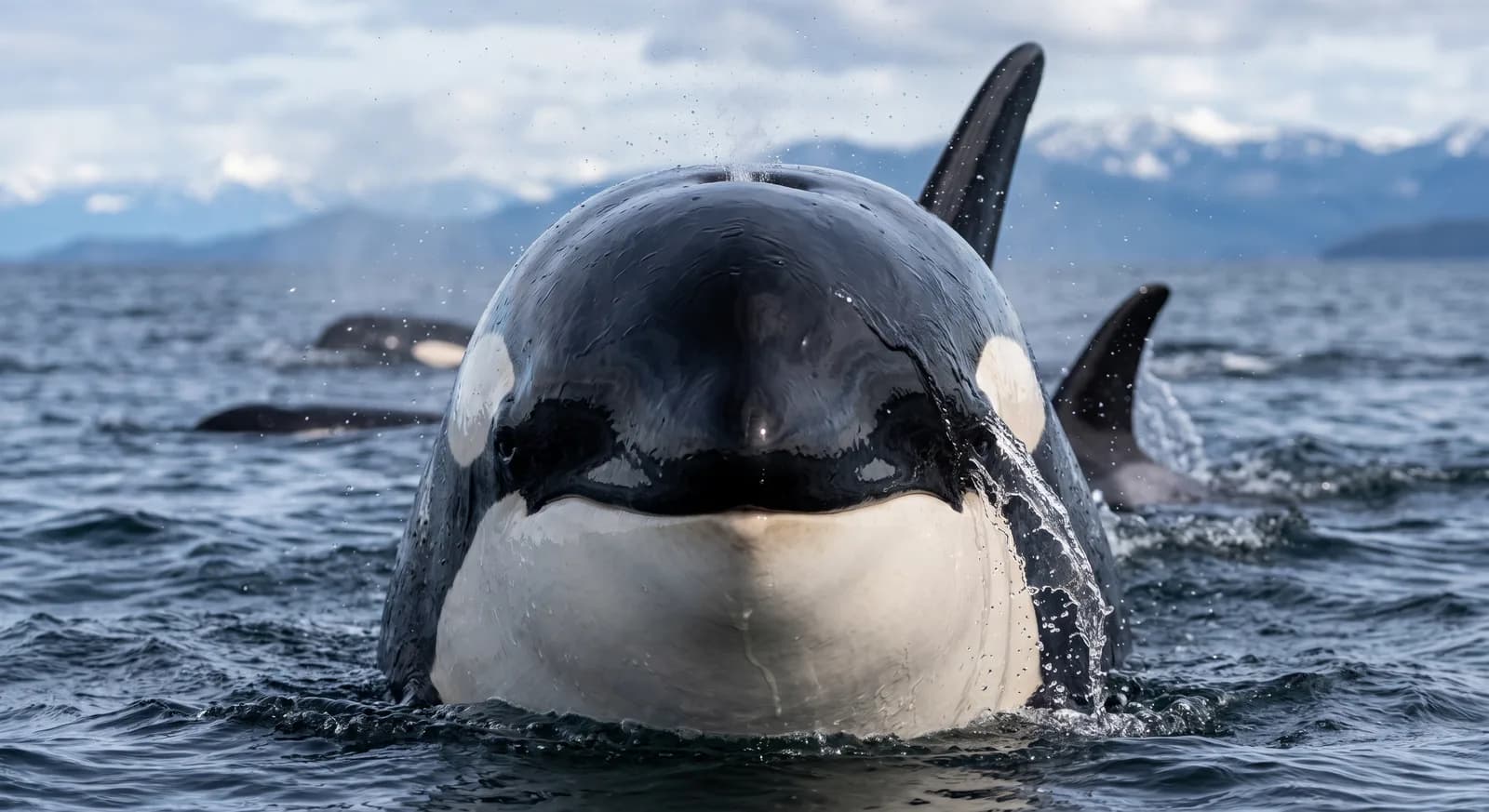 Endangered
Killer Whale
Orcinus orca
Keep exploring
Based on what we already know about antarctic krill.
Comments
Share an experience, a fun fact or a tip for seeing the antarctic krill.
Be the first to comment.