Cartilaginous fish · Lamniformes · Otodontidae
Megalodon
Otodus megalodon
No living individual remains anywhere in the world. See full glossary
The megalodon is an extinct species of shark that lived between roughly 19.8 and 3.6 million years ago, during the Cenozoic. It was formerly thought to be a member of the family Lamnidae and a close relative of the great white shark. Today, however, there is almost unanimous consensus that it belongs to the genus Otodus, of the extinct family Otodontidae, which separated from the ancestry of the great white shark during the Early Cretaceous, and that it should therefore be called Otodus megalodon.
Weight
30 t – 60 t
Size
10 m – 18 m
Lifespan
90 years
Diet
Carnivore
Feeds mainly on other animals.
Activity
Diurnal
Active mainly during the day.
Social structure
Solitary
Lives and hunts alone, joining others only to breed.
Sighting difficulty
Impossible (extinct)
Fun facts
- GeneralThe largest shark that ever lived, at 15 to 18 m; it died out some 3.6 million years ago.
- Its teeth are more than seventeen centimetres long and are so abundant in deposits around the world that in the Middle Ages they were taken for petrified dragons' tongues and used as charms against poison.
- It is known almost solely from teeth and vertebrae: a shark's skeleton is cartilaginous and does not fossilise, so its size and shape are reconstructed from comparisons with living species.
- Its extinction, some three and a half million years ago, is linked to the cooling of the oceans, the decline of its prey and competition from emerging predators such as the ancestral killer whale and the great white shark.
Life cycle & biology
- Skeleton type
- Vertebrate - cartilaginous skeleton (fish)
- Habitat & environment
- Warm coastal seas of the Miocene and Pliocene
- Sexual maturity
- 25 years
- Gestation / incubation
- Internal gestation; the young were born live
- Litter / clutch size
- 4 live young
Sources consulted: https://es.wikipedia.org/wiki/Otodus_megalodon
Related species
Other species in the catalogue with the most in common with Megalodon — same habitat, park, country, tags or family.
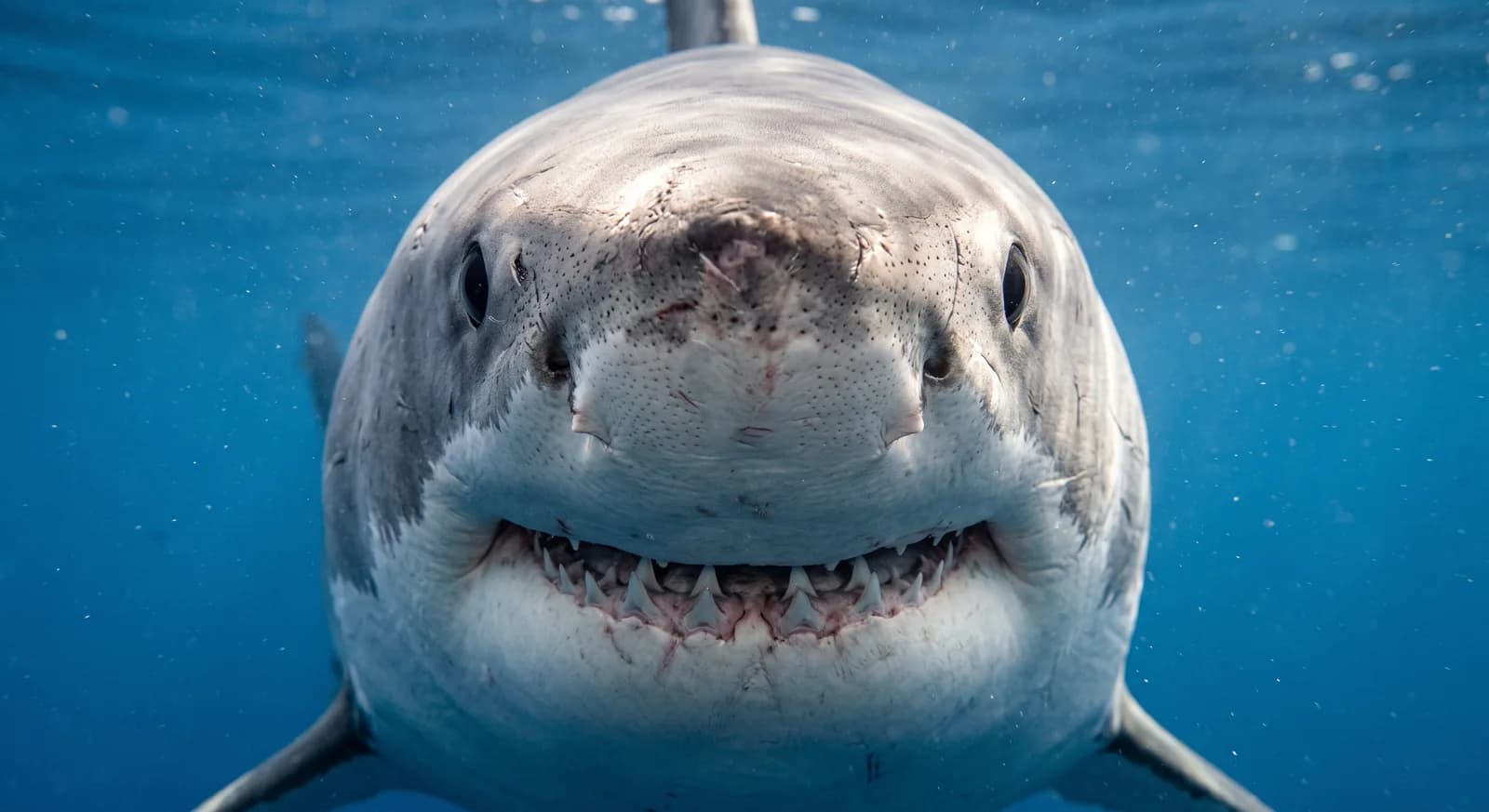 Vulnerable
Great White Shark
Carcharodon carcharias
Belted Kingfisher
Megaceryle alcyon
Diamondback Terrapin
Malaclemys terrapin
Shortfin Mako
Isurus oxyrinchus
Porbeagle
Lamna nasus
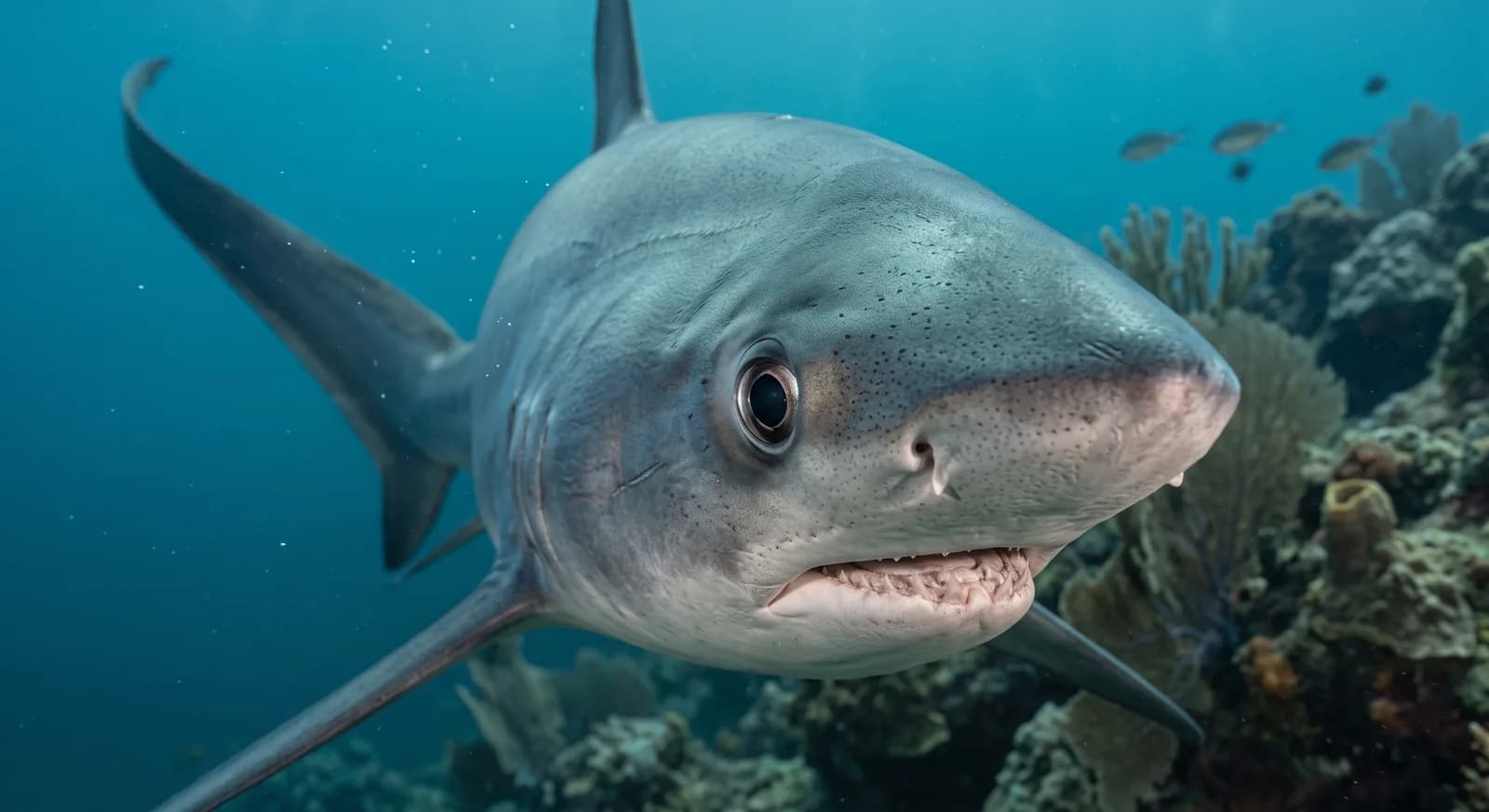 Vulnerable
Grayfish
Alopias vulpinus
Keep exploring
Based on what we already know about megalodon.
Comments
Share an experience, a fun fact or a tip for seeing the megalodon.
Be the first to comment.