Birds · Passeriformes · Tyrannidae
Cocos Tyrannulet
Nesotriccus ridgwayi
It faces a high risk of extinction in the wild over the medium term. See full glossary
The Cocos tyrannulet is a small brown tyrant flycatcher endemic to that island, where it is one of only three native land birds along with the cuckoo and the finch. It catches insects from low perches and has adapted to exploit resources that on the mainland would be taken by several different species, a phenomenon common on islands with few competitors.
Weight
11 g – 16 g
Size
12 cm – 14 cm
Lifespan
7 years
Diet
Insectivore
Feeds mainly on insects and other invertebrates.
Activity
Diurnal
Active mainly during the day.
Social structure
In pairs
Usually lives in pairs, sometimes for life.
Sighting difficulty
Moderate
Estimated population
Around 2,500 mature individuals
Fun facts
- It is one of only three native land birds on Cocos Island: in a place so isolated, each species that arrived took over a far wider range of resources than it would have on the mainland.
- Its hunting behaviour is more varied than that of its mainland relatives: it searches bark, foliage and the ground, as well as catching insects in flight.
- Its total population is around a few thousand individuals, all on an island of 24 square kilometres, which leaves it vulnerable to any accidental introduction of predators.
Life cycle & biology
- Skeleton type
- Vertebrate - internal bony skeleton (bird)
- Habitat & environment
- Rainforest and scrub of Cocos Island, in the Costa Rican Pacific
- Sexual maturity
- 12 months
- Gestation / incubation
- 15 days of incubation
- Litter / clutch size
- 2 eggs
Sources consulted: https://en.wikipedia.org/wiki/Cocos_tyrannulet
Where to watch it
Parks and dive sites where this species has been documented.
Related species
Other species in the catalogue with the most in common with Cocos Tyrannulet — same habitat, park, country, tags or family.
Cocos Cuckoo
Coccyzus ferrugineus
Cocos Finch
Pinaroloxias inornata
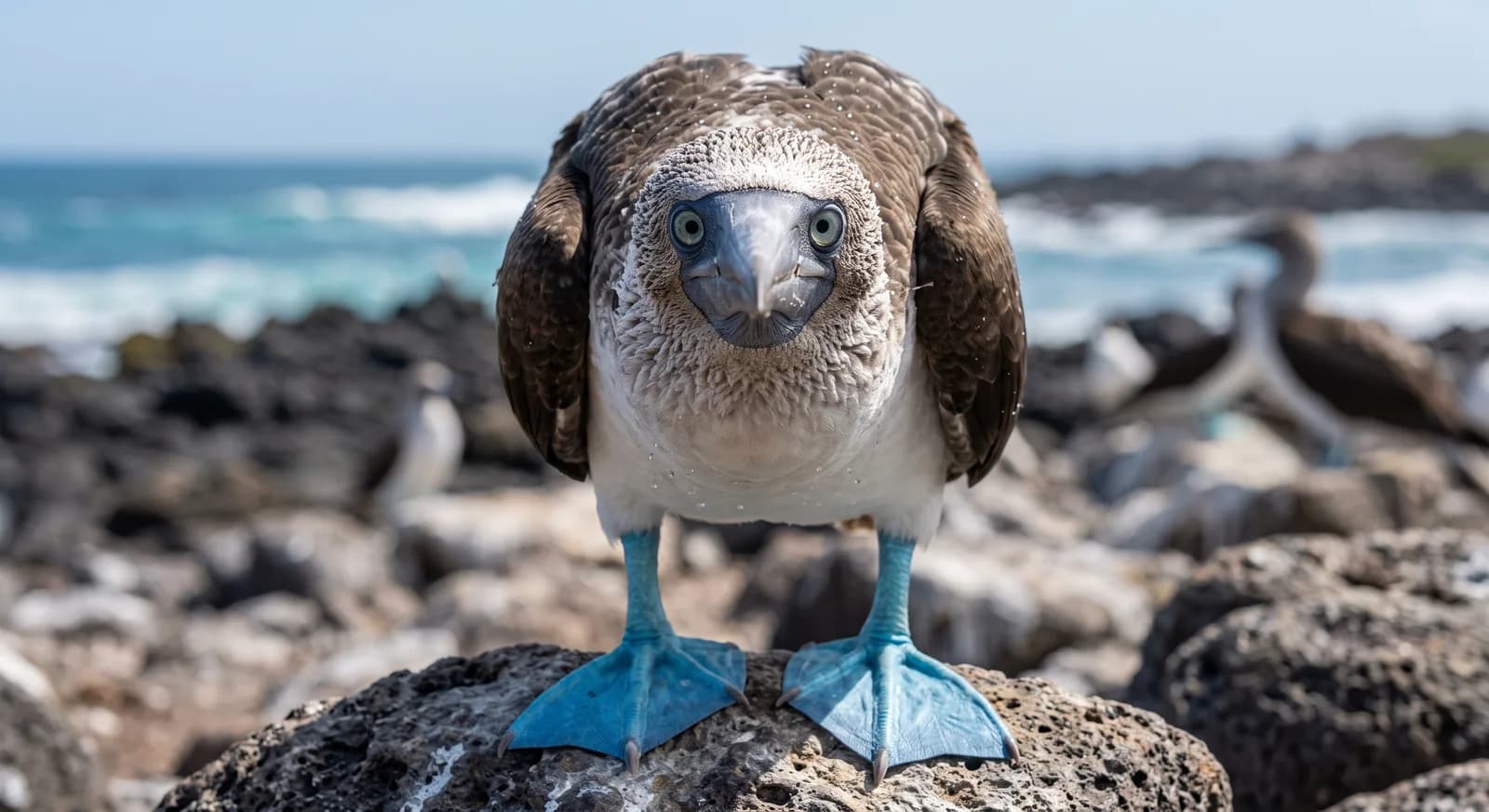 Least Concern
Blue-footed Booby
Sula nebouxii
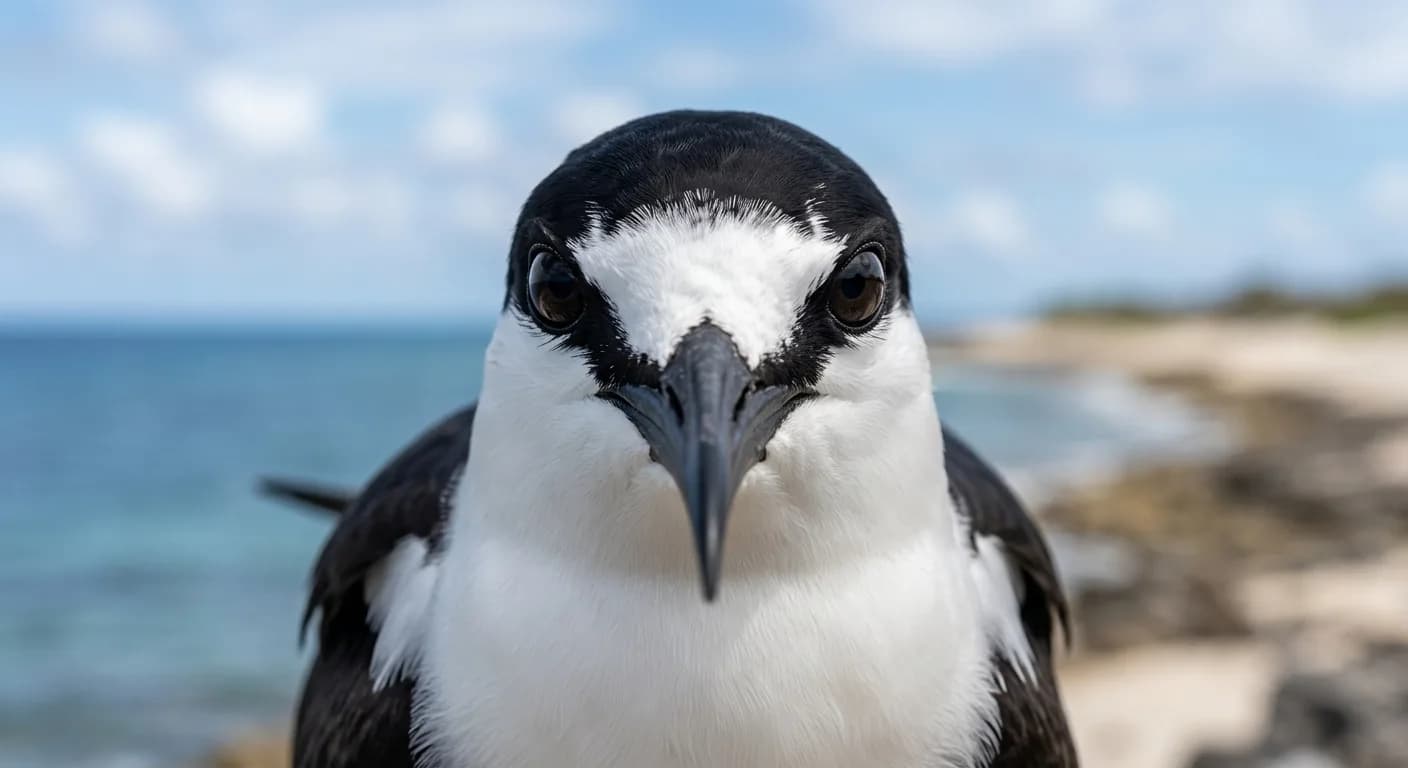 Least Concern
Sooty Tern
Onychoprion fuscatus
Nazca Booby
Sula granti
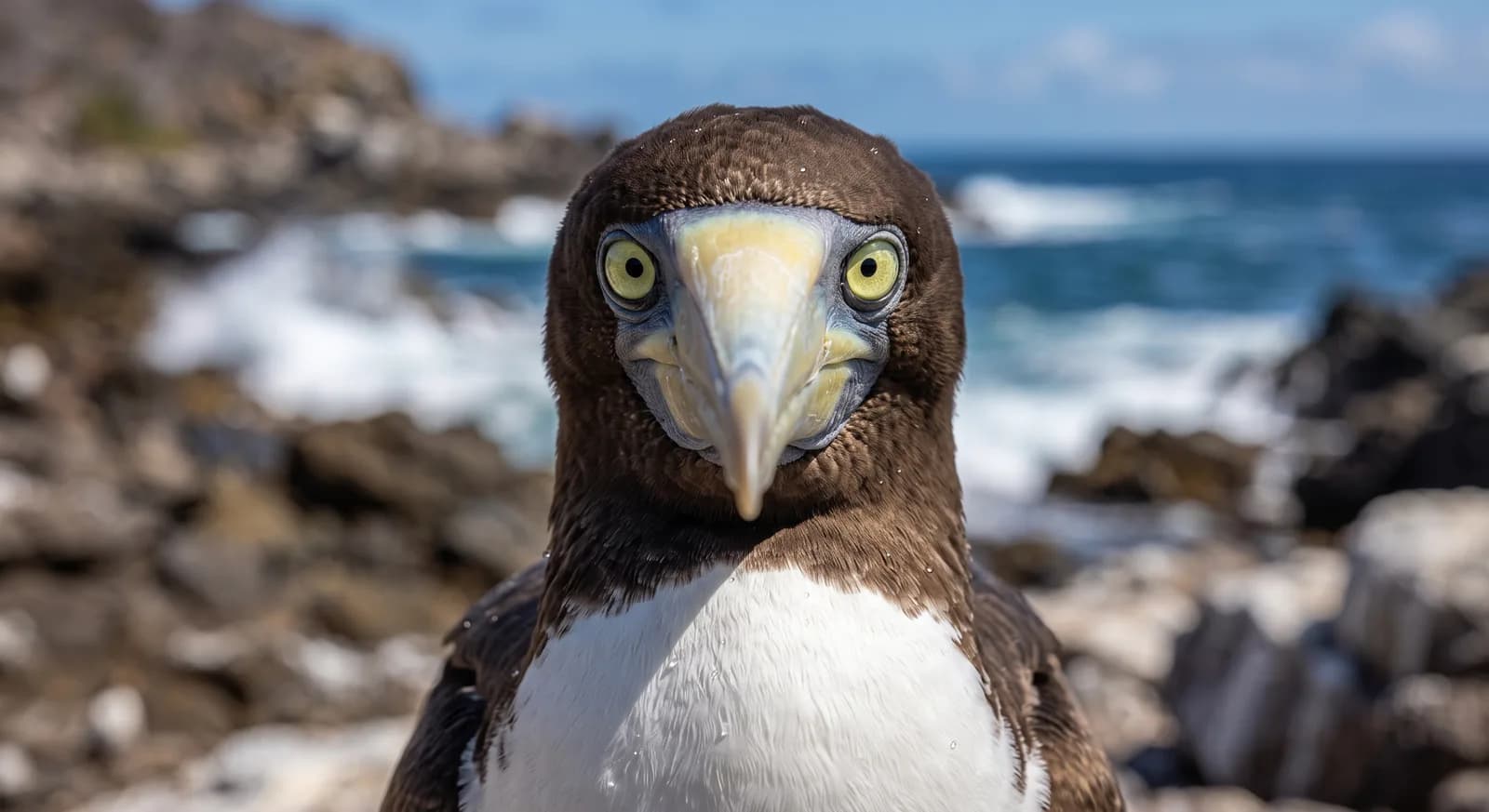 Least Concern
Brown Booby
Sula leucogaster
How to help
The cocos tyrannulet is classified as vulnerable. Organizations such as UICN, WWF y Wildlife Conservation Society work specifically on its conservation and that of its habitat; looking into their programs is a good starting point if you want to get involved.
It's documented in 1 real protected area — part of why protecting these places matters for its conservation.
Keep exploring
Based on what we already know about cocos tyrannulet.
Comments
Share an experience, a fun fact or a tip for seeing the cocos tyrannulet.
Be the first to comment.