Birds · Psittaciformes · Psittacidae
Norfolk Parakeet
Cyanoramphus cookii
It faces a very high risk of extinction in the wild in the near future. See full glossary
The Norfolk parakeet is endemic to a tiny Australian island in the South Pacific and is one of the most threatened birds in Oceania. In the 1980s fewer than forty individuals remained, and barely four breeding females. An intensive programme of rat-proof nest boxes and control of introduced predators rescued it. It depends on the remaining subtropical forest of the island's national park, which covers a minute fraction of the original area.
Weight
100 g – 130 g
Size
25 cm – 30 cm
Lifespan
15 years
Diet
Herbivore
Feeds mainly on plants.
Activity
Diurnal
Active mainly during the day.
Social structure
In pairs
Usually lives in pairs, sometimes for life.
Sighting difficulty
Hard
Estimated population
A few hundred individuals
Fun facts
- In the 1980s there were four known breeding females left in the world: the entire population today descends from that handful of birds.
- Its recovery rested on something as concrete as designing nest boxes with entrances and baffles that black rats cannot get past, an engineering problem whose solution broke the species' bottleneck.
Life cycle & biology
- Skeleton type
- Vertebrate - internal bony skeleton (bird)
- Habitat & environment
- Remaining subtropical forest of Norfolk Island, in the South Pacific
- Sexual maturity
- 12 months
- Gestation / incubation
- 21 days of incubation
- Litter / clutch size
- 4 eggs
Sources consulted: https://www.iucnredlist.org/ | https://animaldiversity.org/ | https://es.wikipedia.org/
Where to watch it
Parks and dive sites where this species has been documented.
Related species
Other species in the catalogue with the most in common with Norfolk Parakeet — same habitat, park, country, tags or family.
New Zealand Kaka
Nestor meridionalis
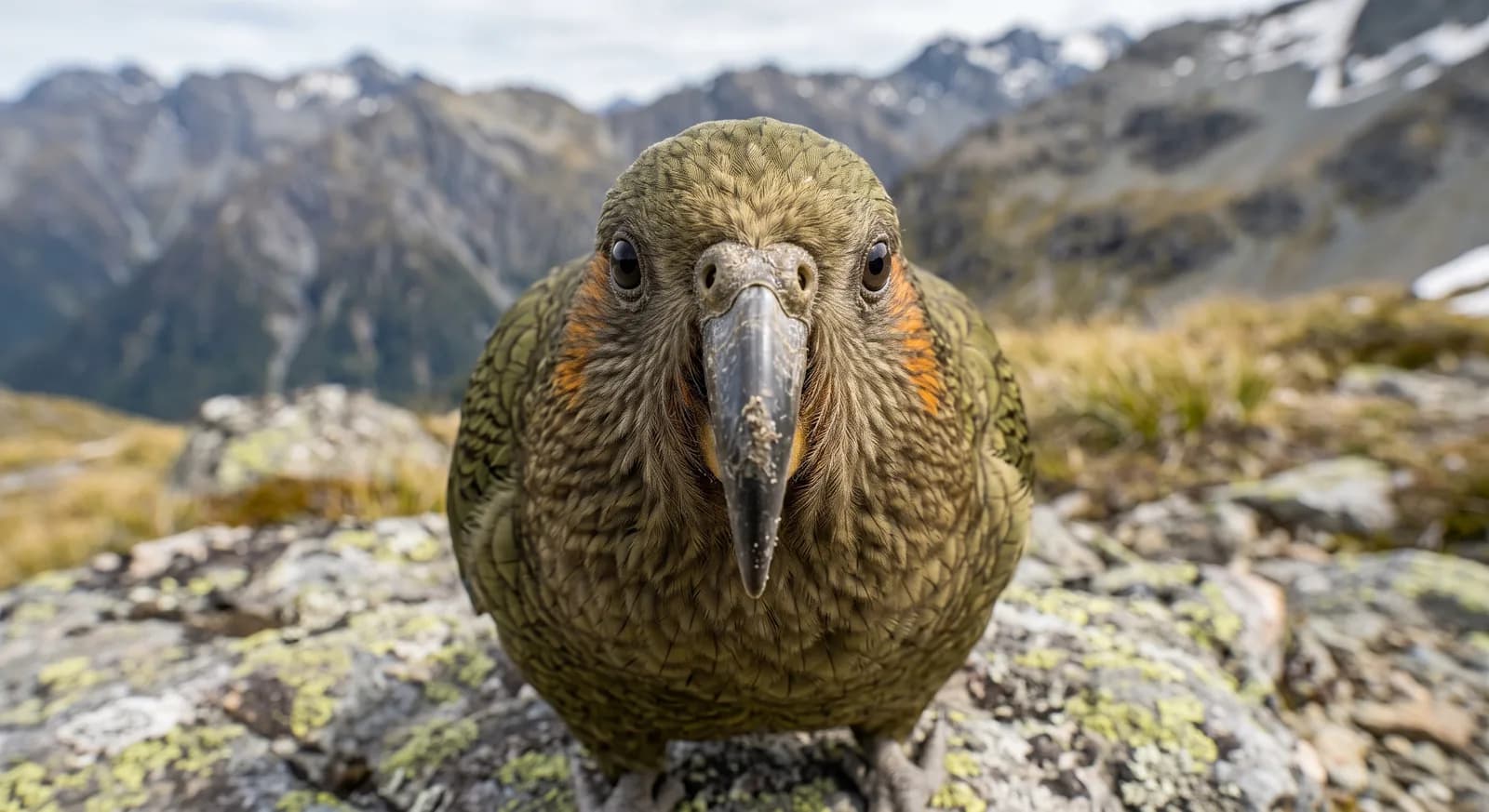 Endangered
Kea
Nestor notabilis
Santa Marta Parakeet
Pyrrhura viridicata
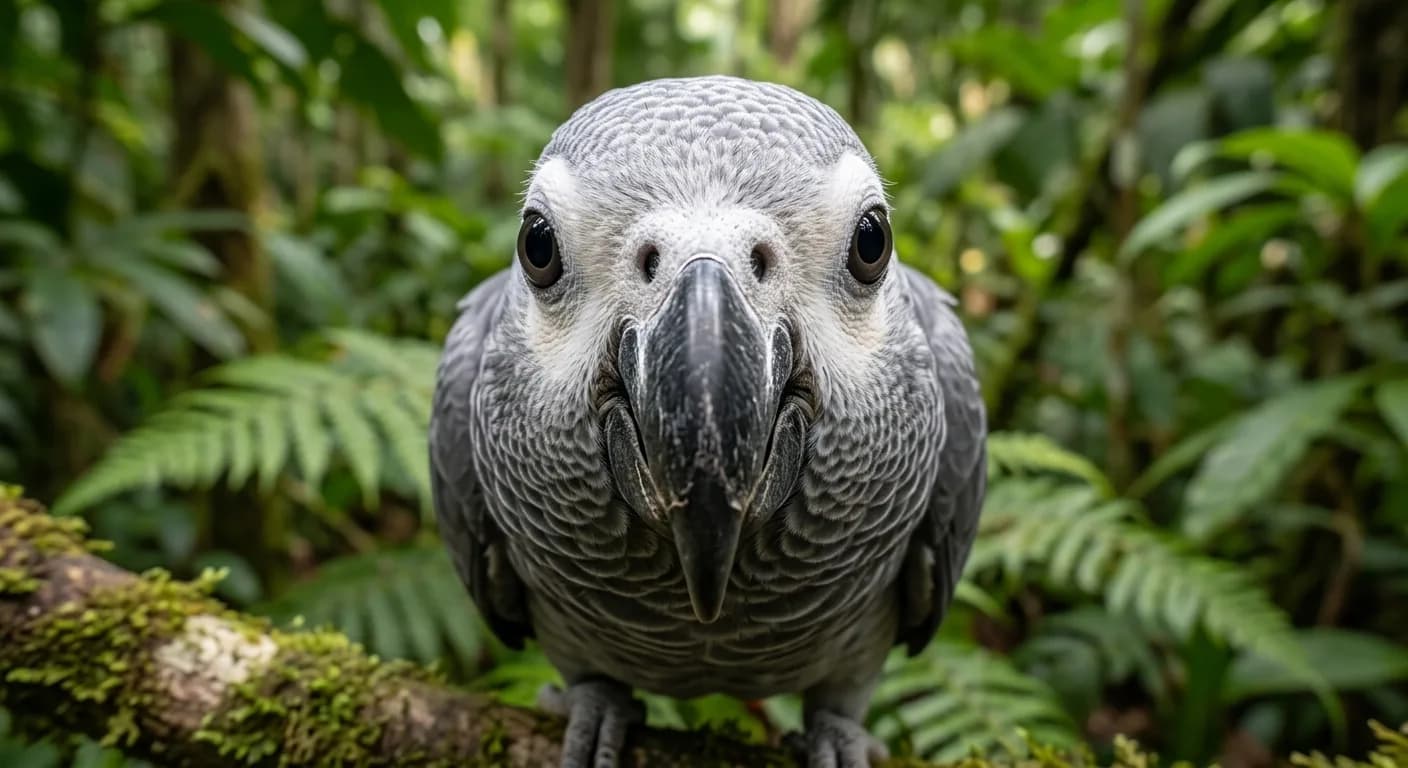 Endangered
Grey Parrot
Psittacus erithacus
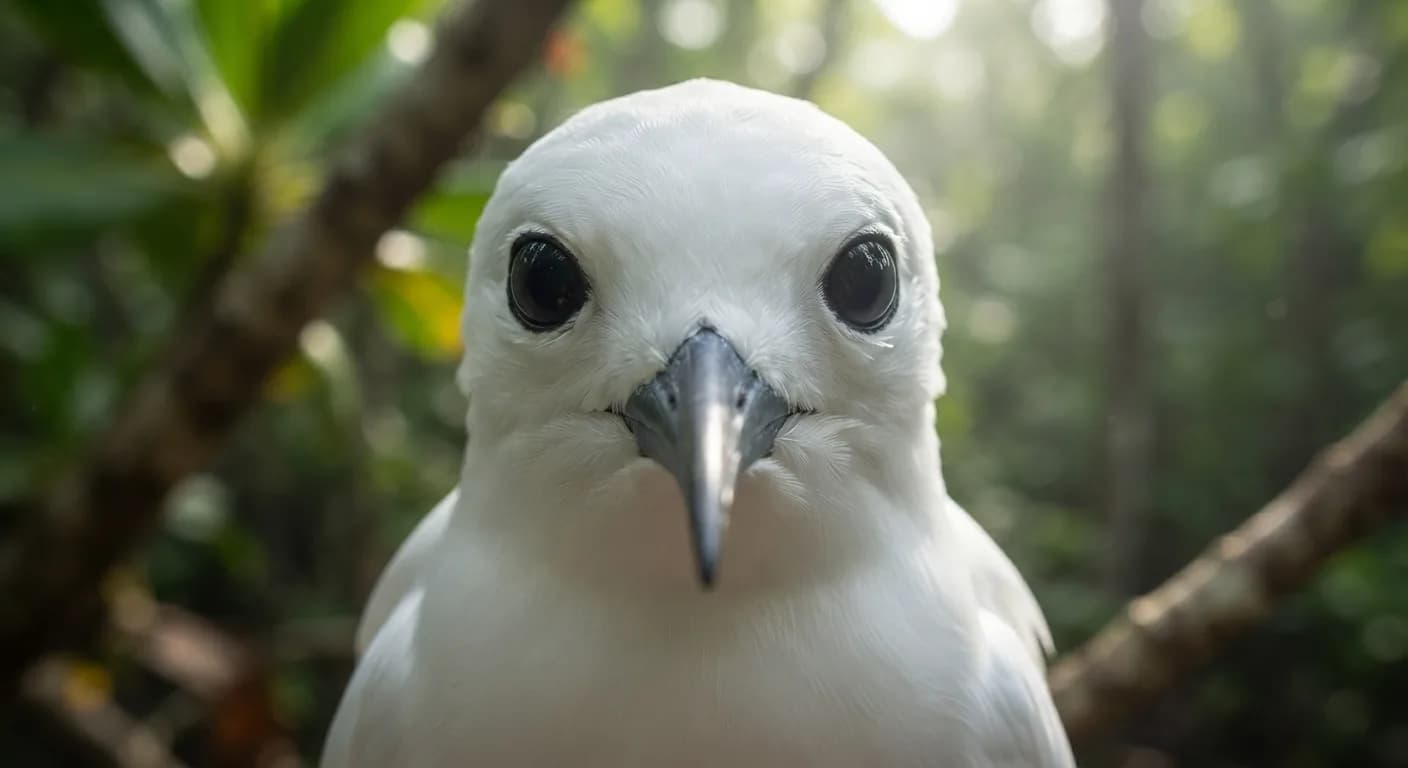 Least Concern
Atlantic White Tern
Gygis alba
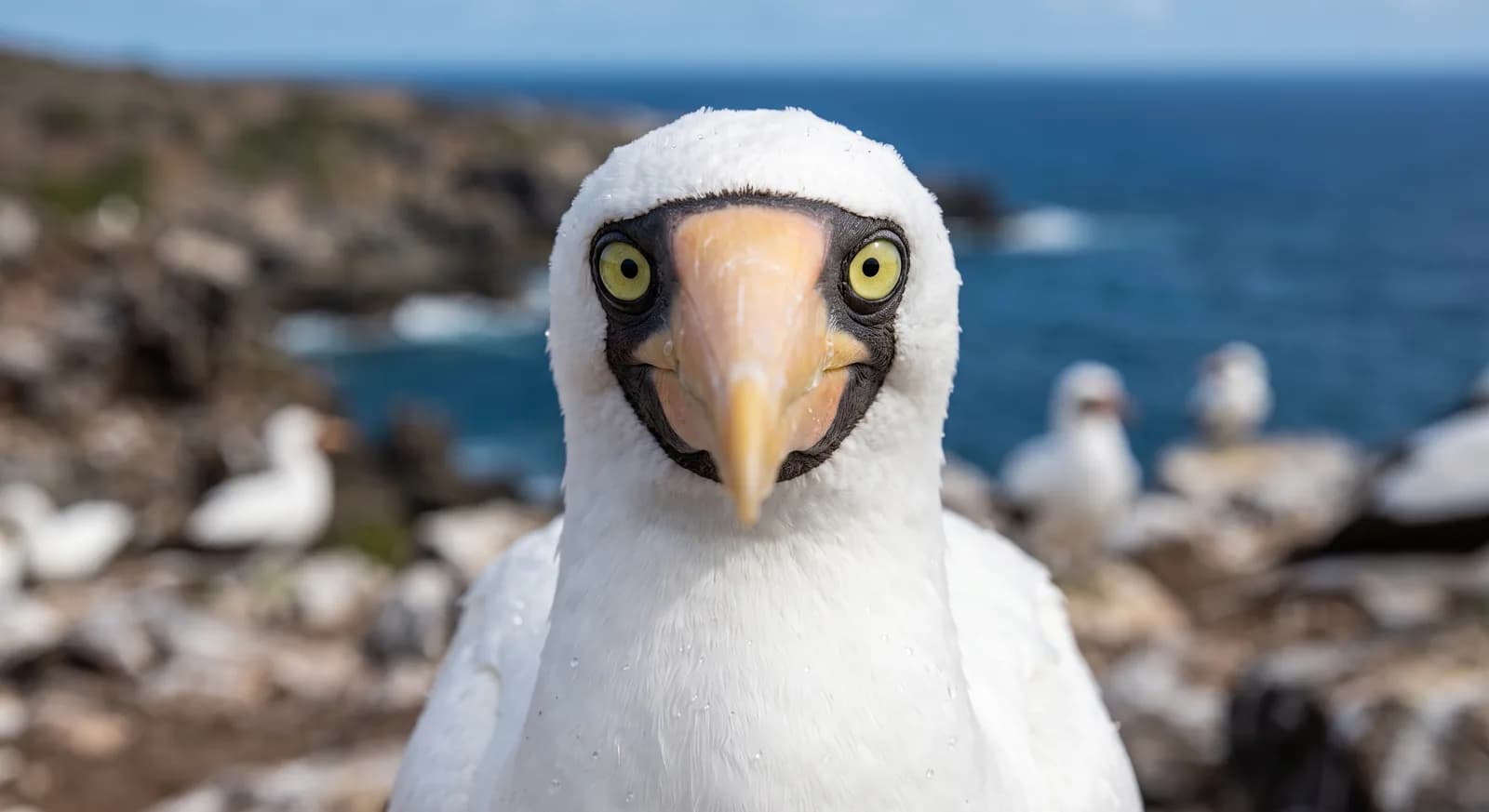 Least Concern
Masked Booby
Sula dactylatra
How to help
The norfolk parakeet is classified as endangered. Organizations such as UICN, WWF y Wildlife Conservation Society work specifically on its conservation and that of its habitat; looking into their programs is a good starting point if you want to get involved.
Keep exploring
Based on what we already know about norfolk parakeet.
Comments
Share an experience, a fun fact or a tip for seeing the norfolk parakeet.
Be the first to comment.