Birds · Psittaciformes · Psittacidae
New Zealand Kaka
Nestor meridionalis
It faces a very high risk of extinction in the wild in the near future. See full glossary
The kākā is a forest parrot endemic to New Zealand, a close relative of the kea and the kākāpō. It is olive brown with a bright reddish orange belly and underwings. It has a brush-tipped tongue for lapping nectar and sap, and a powerful bill with which it strips bark in search of grubs. Its decline is caused by introduced stoats, rats and possums, which prey on the nests and compete for food.
Weight
400 g – 458 g
Size
45 cm – 50 cm
Lifespan
25 years
Diet
Omnivore
Combines animal and plant food depending on availability.
Activity
Diurnal
Active mainly during the day.
Sighting difficulty
Hard
Fun facts
- It strips bark from trees to lap the sap that seeps out, creating characteristic vertical wounds that New Zealand rangers use to detect its presence without seeing a single bird.
- The species suffers a serious demographic problem: the females nest in holes and are far more vulnerable to stoats than the males, so that in many forests the sex ratio is badly skewed.
Life cycle & biology
- Skeleton type
- Vertebrate - internal bony skeleton (bird)
- Habitat & environment
- Mature native podocarp and southern beech forest in New Zealand and its islands
- Sexual maturity
- 4 years
- Gestation / incubation
- 24 days of incubation
- Litter / clutch size
- 4 eggs
Sources consulted: https://es.wikipedia.org/wiki/Nestor_meridionalis
Where to watch it
Parks and dive sites where this species has been documented.
Related species
Other species in the catalogue with the most in common with New Zealand Kaka — same habitat, park, country, tags or family.
 Endangered
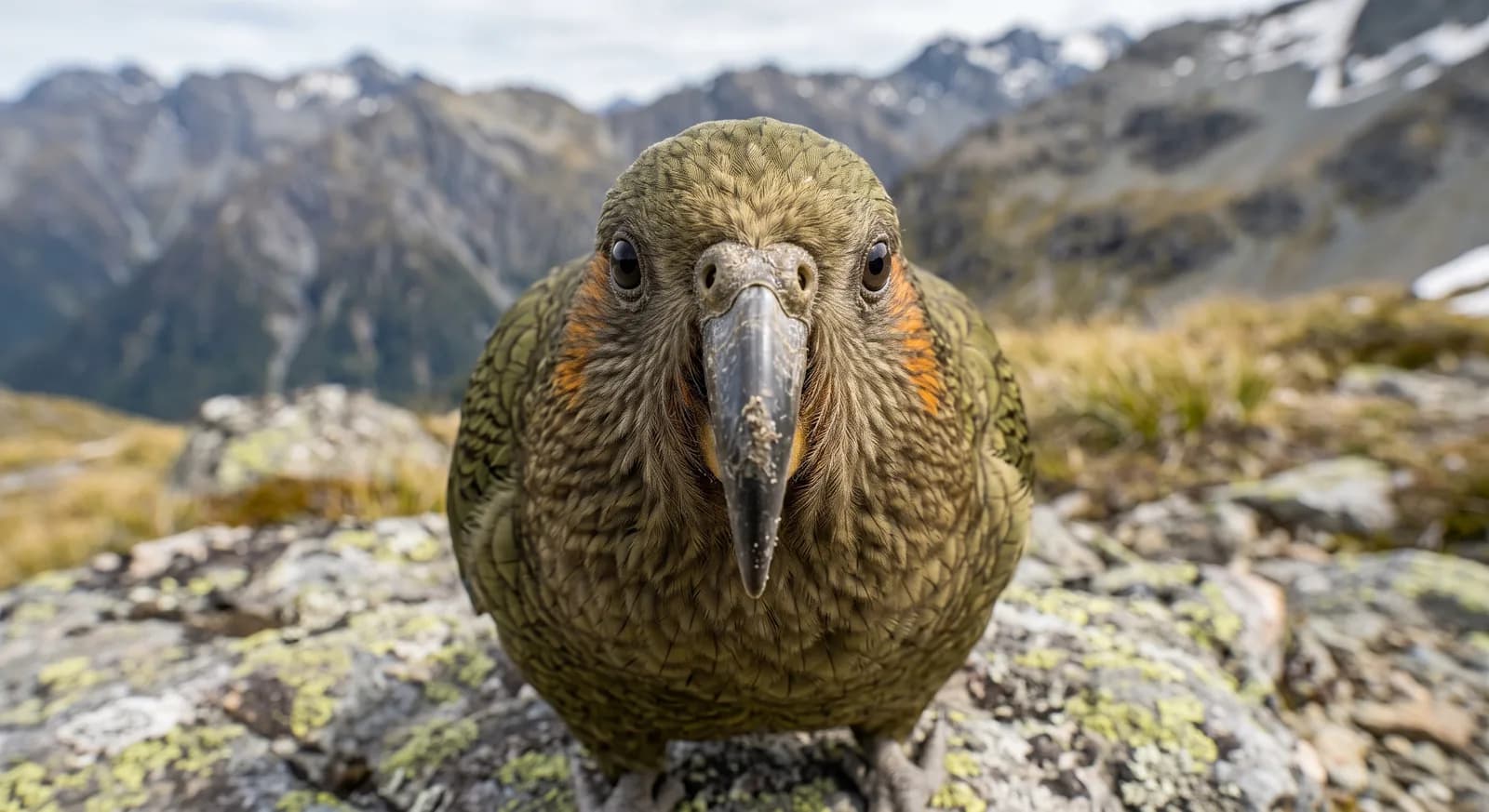
Kea
Nestor notabilis
Yellow-eyed Penguin
Megadyptes antipodes
Australian Magpie
Cracticus tibicen
Kelp Gull
Larus dominicanus
Fiordland Penguin
Eudyptes pachyrhynchus
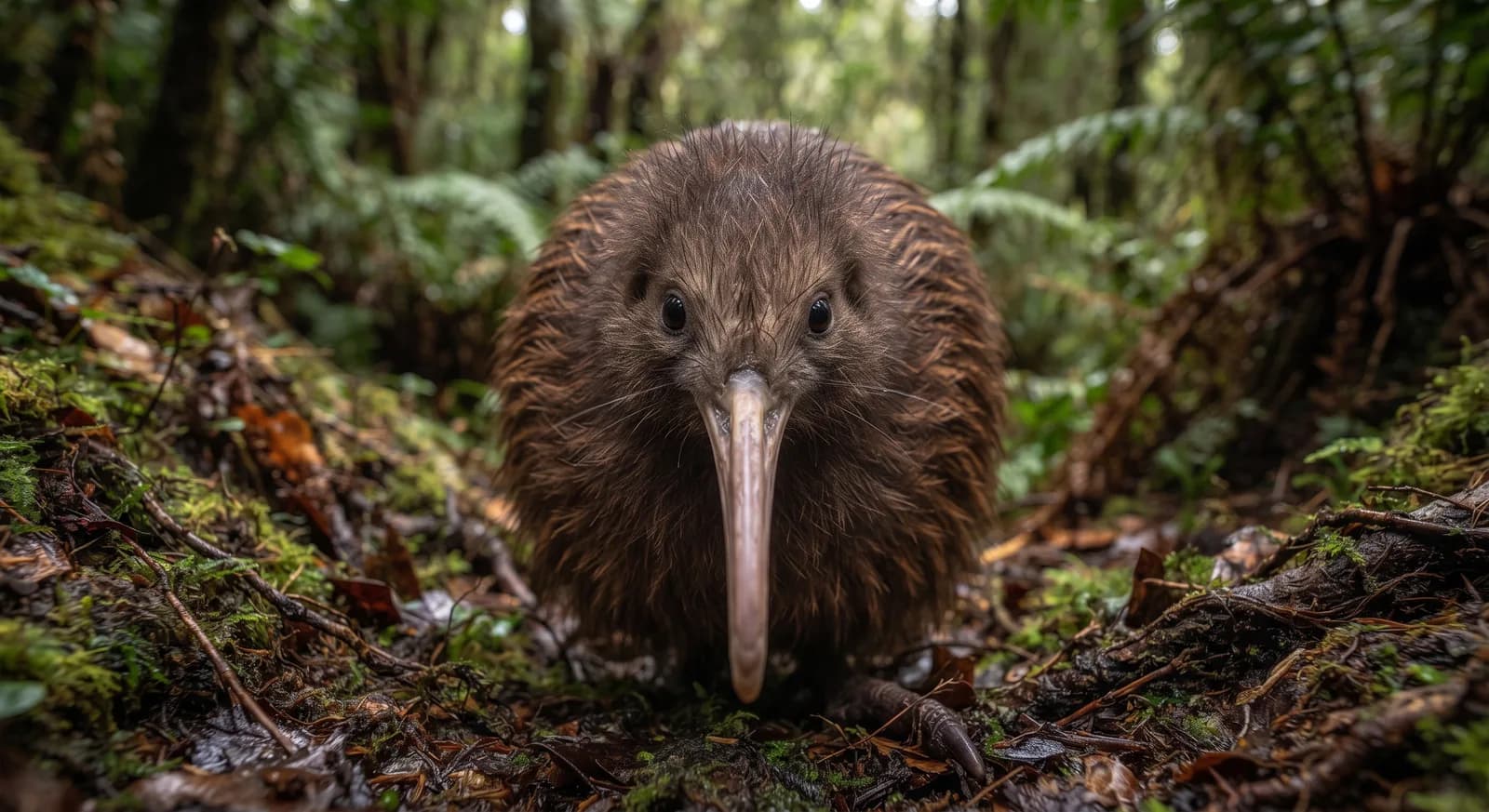 Vulnerable
Weka
Gallirallus australis
How to help
The new zealand kaka is classified as endangered. Organizations such as UICN, WWF y Wildlife Conservation Society work specifically on its conservation and that of its habitat; looking into their programs is a good starting point if you want to get involved.
It's documented in 8 real protected areas — part of why protecting these places matters for its conservation.
Keep exploring
Based on what we already know about new zealand kaka.
Comments
Share an experience, a fun fact or a tip for seeing the new zealand kaka.
Be the first to comment.