Birds · Gruiformes · Rallidae
Weka
Gallirallus australis
It faces a high risk of extinction in the wild over the medium term. See full glossary
A large flightless rail, roughly the size of a hen. Variable brown plumage streaked with black, red eyes, a broad, pointed bill and strong legs. The wings are much reduced. It is often detected by its characteristic call, a repeated 'coo-eet' given at dawn and dusk, frequently as a duet between male and female.
Weight
700 g – 1 kg
Size
46 cm – 60 cm
Lifespan
10 years
Diet
Omnivore
Combines animal and plant food depending on availability.
Activity
Diurnal
Active mainly during the day.
Social structure
In pairs
Usually lives in pairs, sometimes for life.
Sighting difficulty
Moderate
Fun facts
- Its incurable curiosity and bold character have made it famous: it steals small objects from walkers, and those same qualities historically made it easy to catch.
- It was an important resource for several Māori iwi, who used it for food, perfume, oil to treat inflammation, feathers for clothing and as a lure for dogs; its sustainable use remains a live issue in its conservation.
- For two centuries it was released on many small islands and on Macquarie Island as food for castaways and birders; in some cases it ended up becoming a problem for other threatened wildlife, and has had to be eradicated from them.
Life cycle & biology
- Skeleton type
- Vertebrate - internal bony skeleton (bird)
- Habitat & environment
- Highly varied: forest, wetland, scrub, grassland, farmland and even suburban areas, on more than seventy New Zealand islands. It is extinct over large areas of the mainland
- Birth weight
- Precocial: born covered in down and leaves the nest within a few hours
- Size at birth
- Precocial: born covered in down and leaves the nest within a few hours
- Sexual maturity
- 11.9 months
- Gestation / incubation
- Both sexes incubate and raise the chicks
- Litter / clutch size
- It usually lays between August and January. It is monogamous and pairs tend to stay together for life
Sources consulted: IUCN Red List; BirdLife DataZone; Departamento de Conservación de Nueva Zelanda (Threatened Species Recovery Plan 29, 1999); Britannica; eBird; Sparrman 1786, Museum Carlsonianum; Beattie 1995; Olson 1973 y 1975
Where to find it
See its range on the interactive mapBest time: All year round, at dawn and dusk, when it gives its duetting calls
Where to watch it
Parks and dive sites where this species has been documented.
Related species
Other species in the catalogue with the most in common with Weka — same habitat, park, country, tags or family.
South Island Takahe
Porphyrio hochstetteri
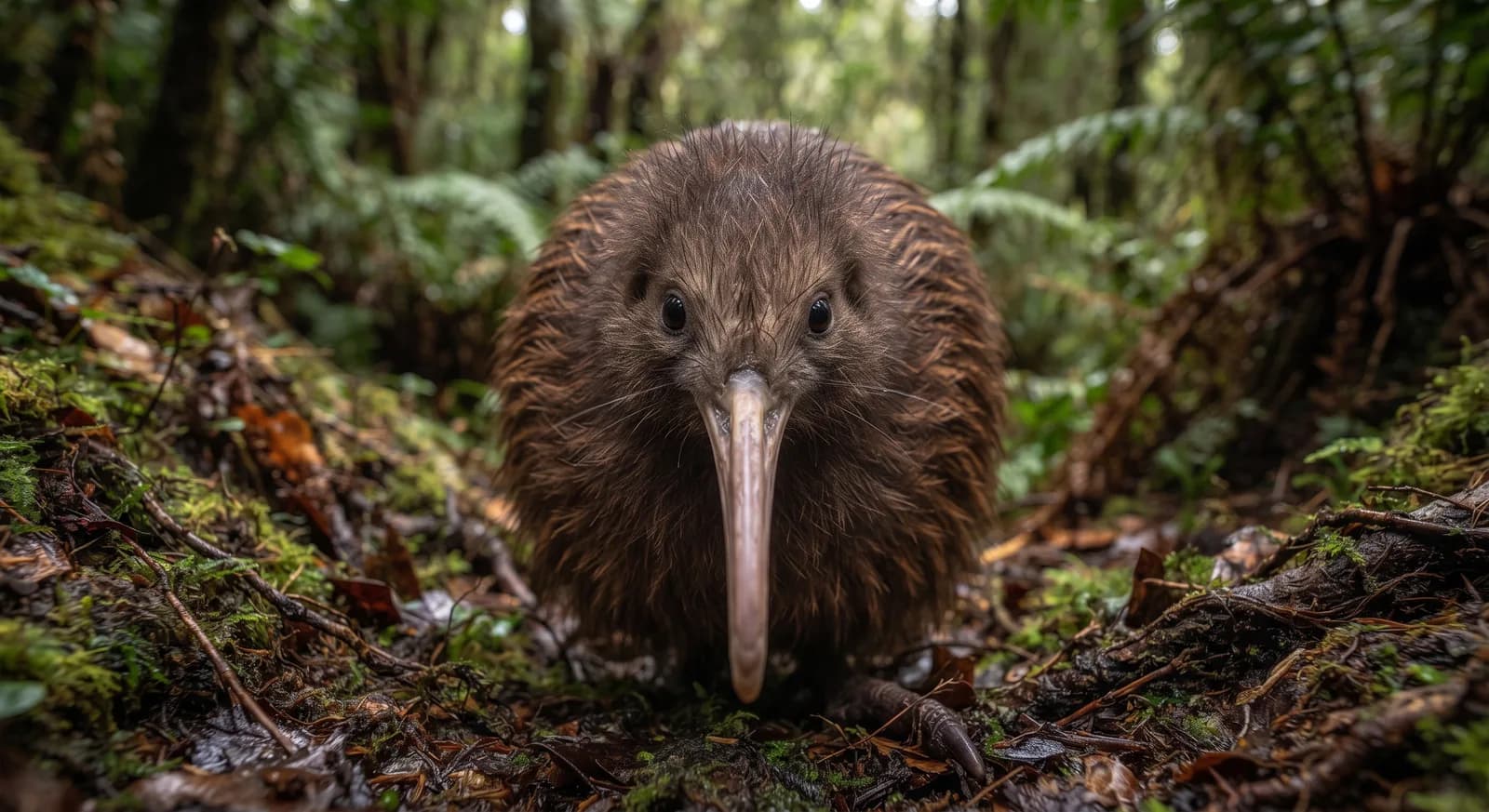
Southern Brown Kiwi
Apteryx australis
Great Spotted Kiwi
Apteryx haastii
 Vulnerable
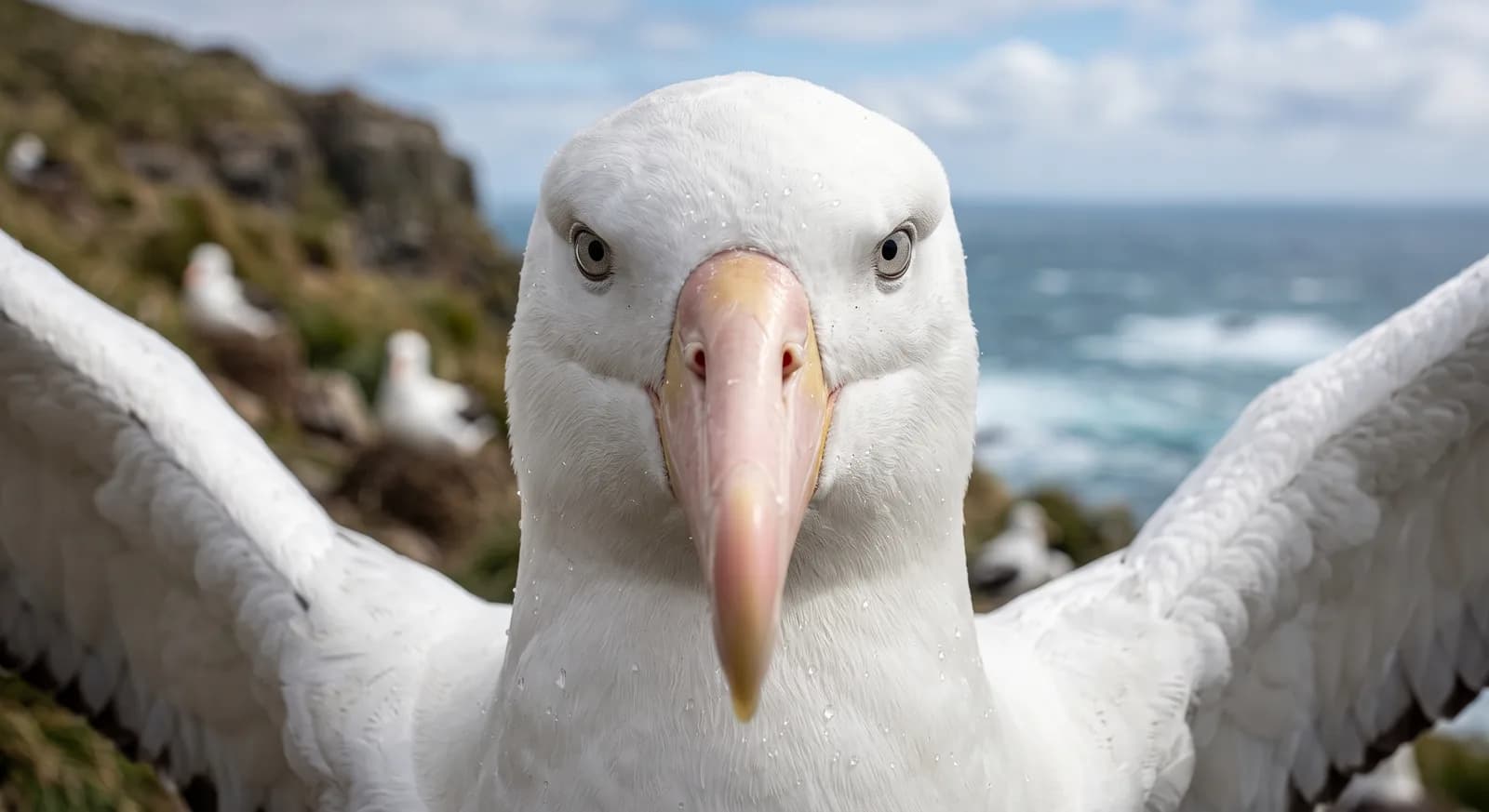
Southern Royal Albatross
Diomedea epomophora
Bristle-thighed Curlew
Numenius tahitiensis
 Endangered
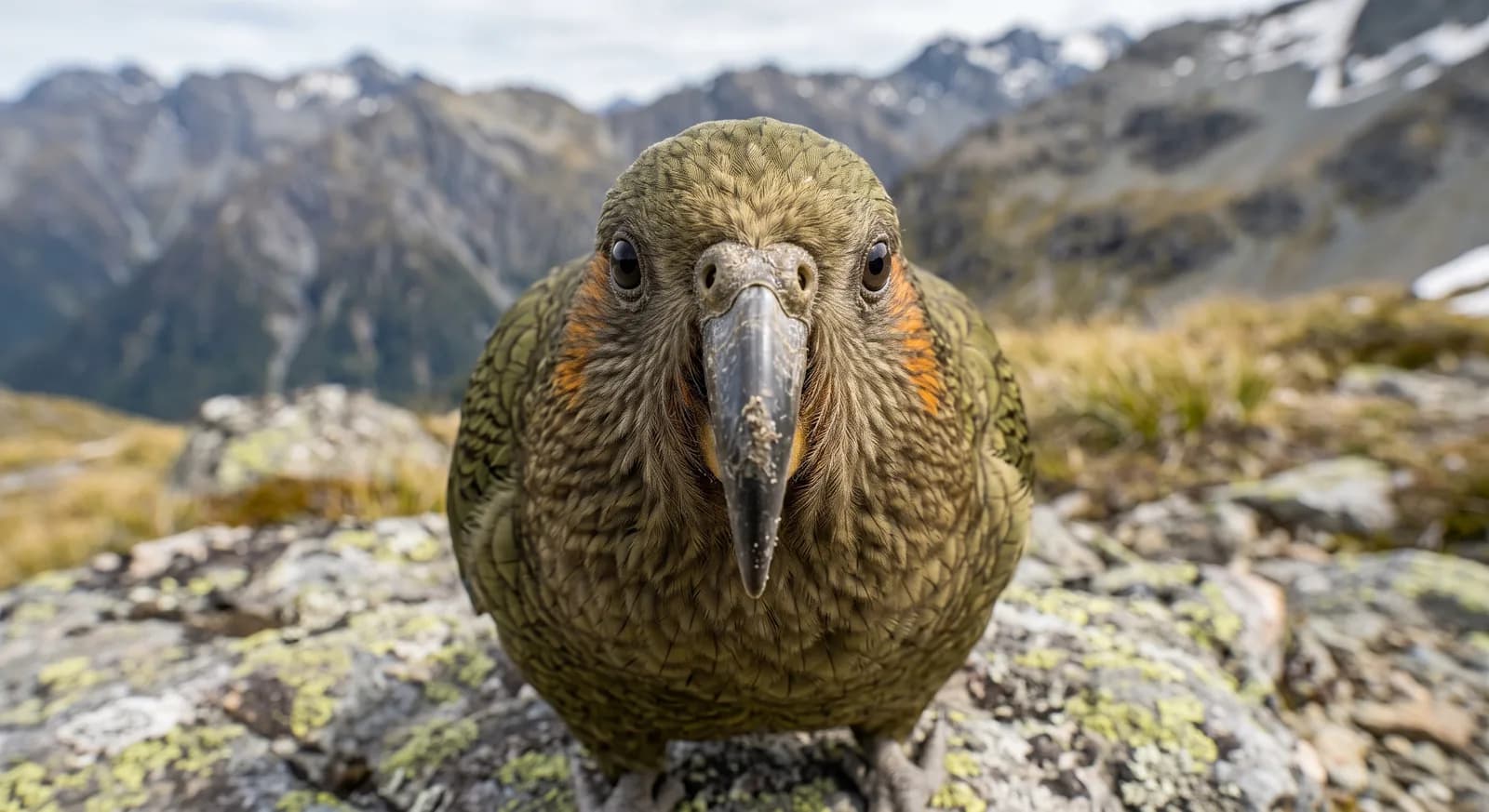
Kea
Nestor notabilis
How to help
The weka is classified as vulnerable. Organizations such as UICN, WWF y Wildlife Conservation Society work specifically on its conservation and that of its habitat; looking into their programs is a good starting point if you want to get involved.
It's documented in 6 real protected areas — part of why protecting these places matters for its conservation.
Keep exploring
Based on what we already know about weka.
Comments
Share an experience, a fun fact or a tip for seeing the weka.
Be the first to comment.