One of the 3 brown kiwis on WAnimals
Birds · Apterygiformes · Apterygidae
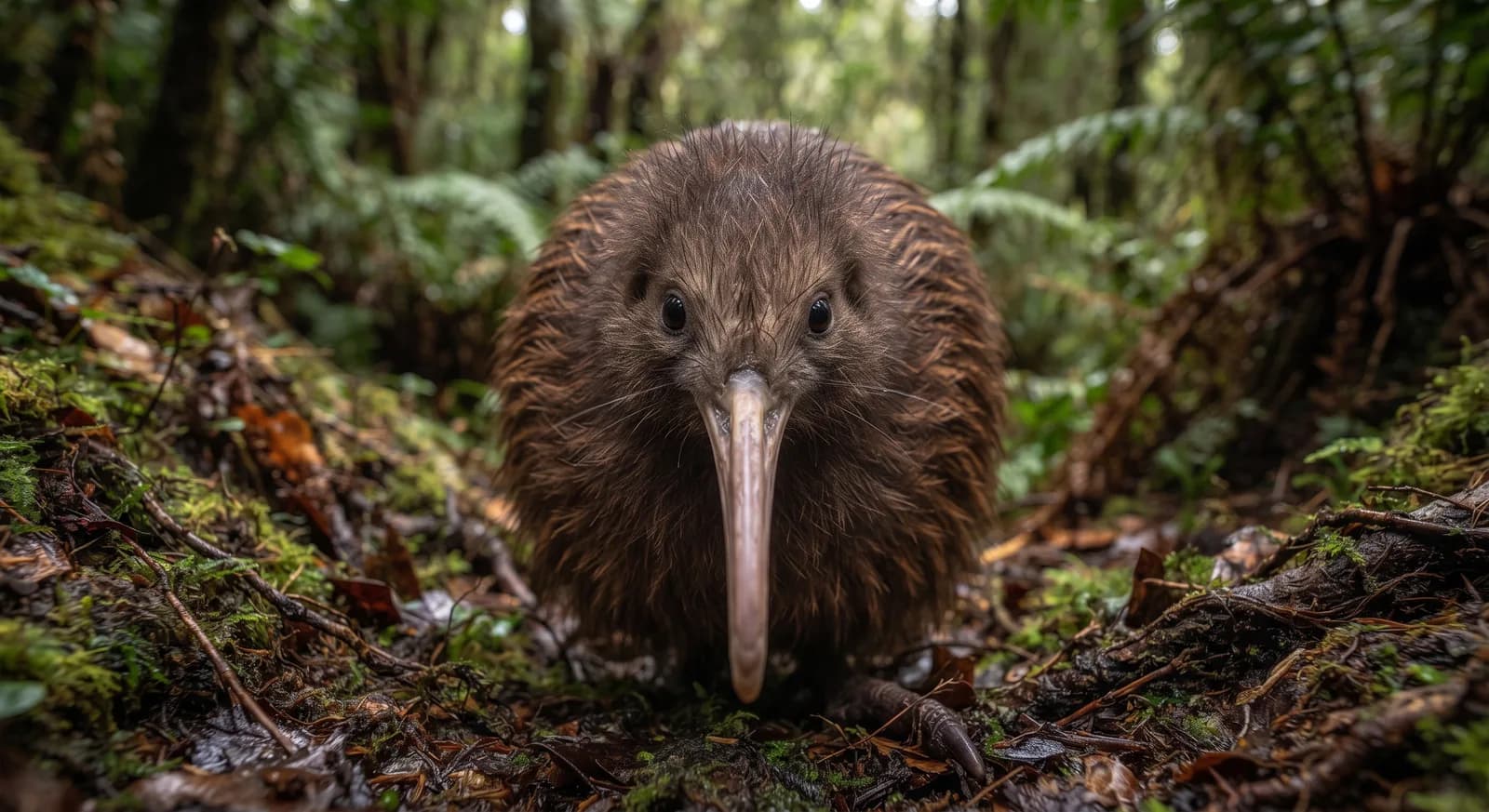
Southern Brown Kiwi
Apteryx australis
It faces a high risk of extinction in the wild over the medium term. See full glossary
The southern brown kiwi, or tokoeka, is one of the five kiwi species, flightless birds endemic to New Zealand and a national symbol of the country. It is nocturnal, with feathers that look like hair, vestigial wings and a long bill with the nostrils at the tip, with which it probes the ground by smell. The Stewart Island population is exceptional: it is the only one that is also active by day.
Weight
2.2 kg – 2.5 kg
Size
45 cm – 55 cm
Lifespan
35 years
Diet
Insectivore
Feeds mainly on insects and other invertebrates.
Activity
Nocturnal
Active mainly at night.
Social structure
In pairs
Usually lives in pairs, sometimes for life.
Sighting difficulty
Moderate
Fun facts
- Kiwis lay the largest egg in the world in proportion to the body, and have one of the longest incubations: almost three months, against three weeks for a hen.
- The male does the incubating in most species, and in the southern brown kiwi the pairs are monogamous for life and defend the same territory for decades.
- New Zealanders call themselves Kiwis, and the bird is the country's national symbol even though most of them have never seen one in the wild.
Life cycle & biology
- Skeleton type
- Vertebrate - internal bony skeleton (bird)
- Habitat & environment
- Native forest, scrub and tussock grassland of the South Island and Stewart Island, New Zealand
- Sexual maturity
- 4 years
- Gestation / incubation
- 2.5 months
- Litter / clutch size
- 1
Sources consulted: https://es.wikipedia.org/wiki/Apteryx_australis
Where to watch it
Parks and dive sites where this species has been documented.
Related species
Other species in the catalogue with the most in common with Southern Brown Kiwi — same habitat, park, country, tags or family.
Great Spotted Kiwi
Apteryx haastii
North Island Brown Kiwi
Apteryx mantelli
 Vulnerable
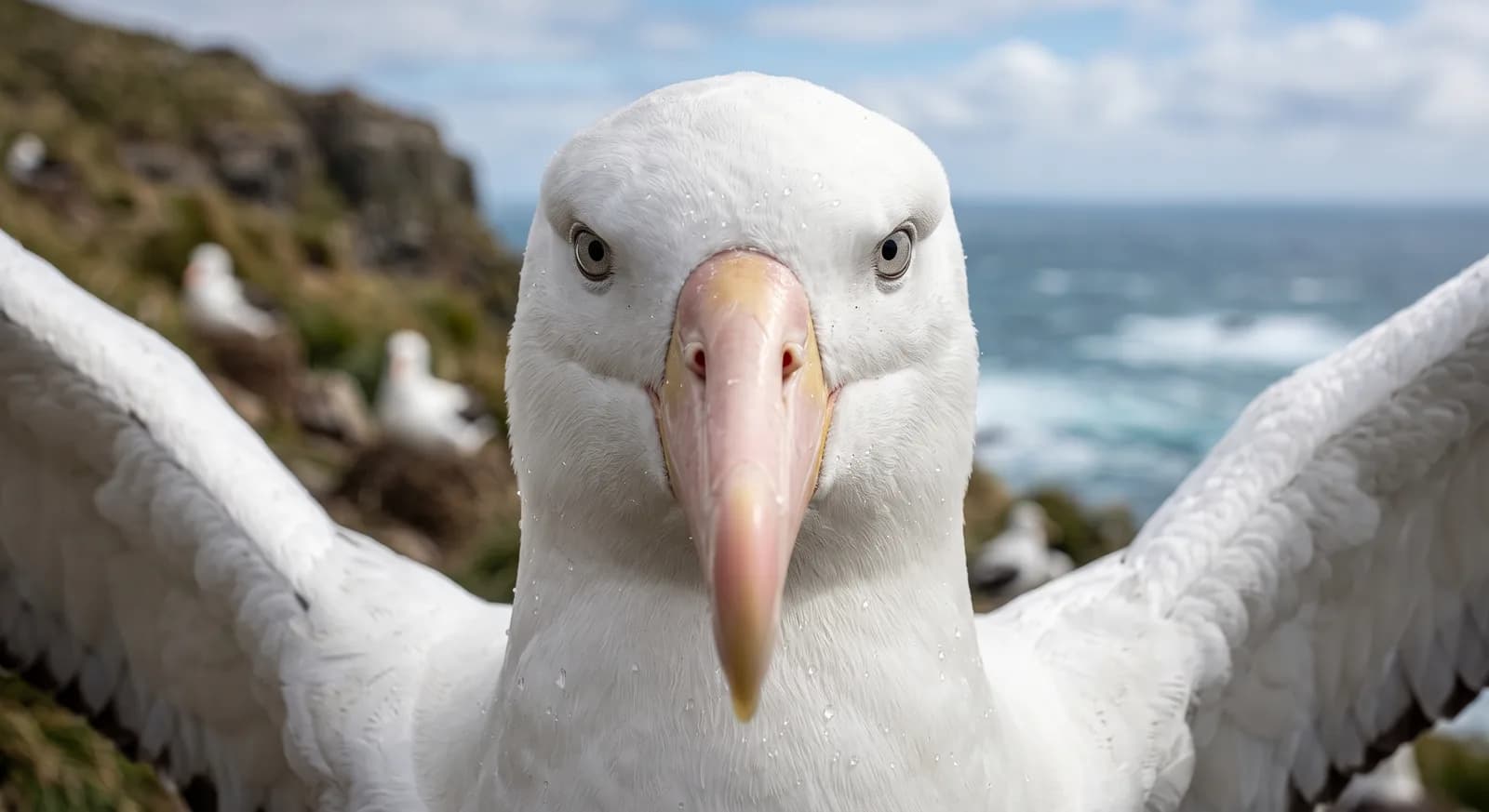
Southern Royal Albatross
Diomedea epomophora
 Vulnerable
Weka
Gallirallus australis
 Endangered
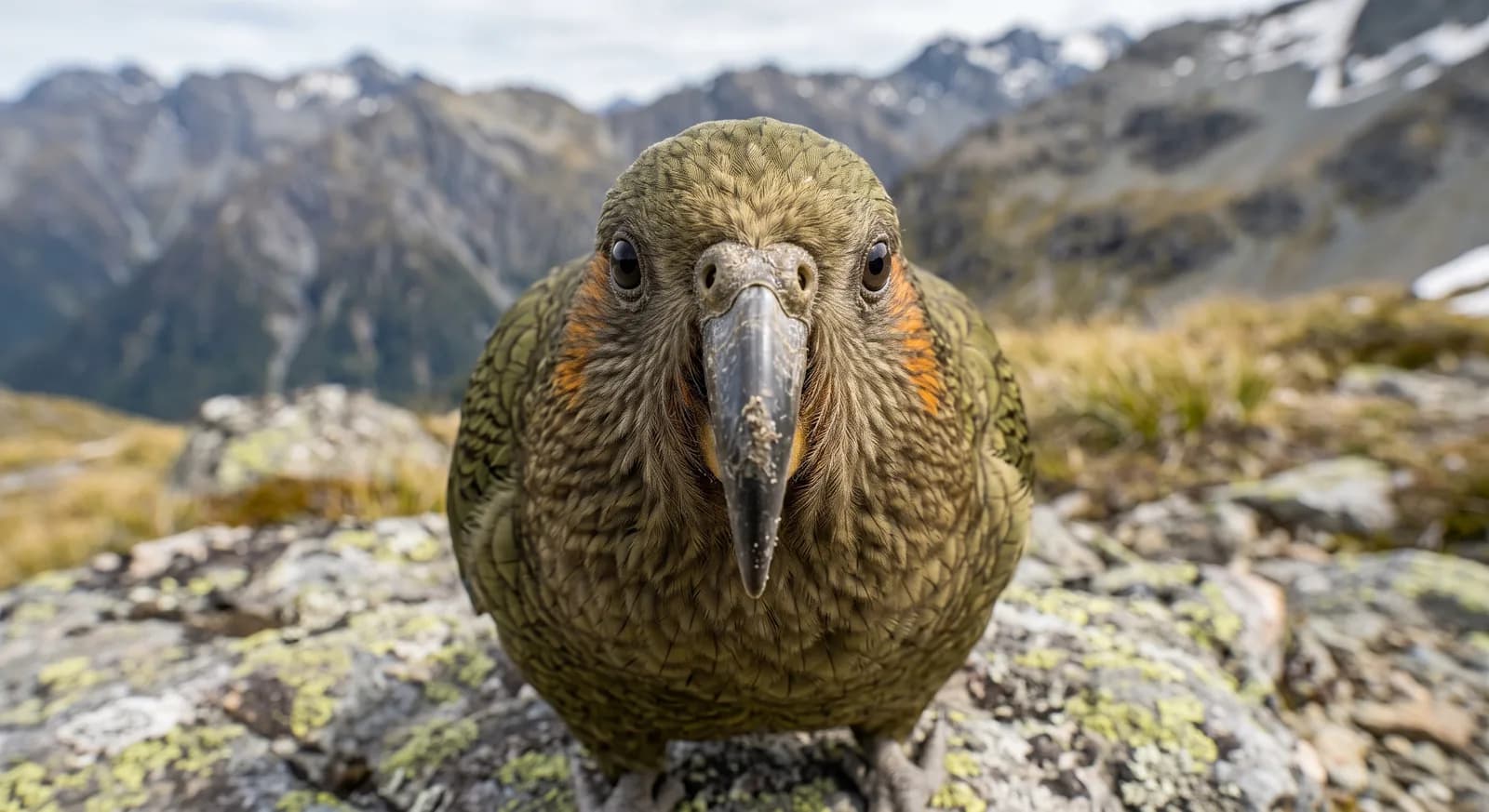
Kea
Nestor notabilis
Yellow-eyed Penguin
Megadyptes antipodes
How to help
The southern brown kiwi is classified as vulnerable. Organizations such as UICN, WWF y Wildlife Conservation Society work specifically on its conservation and that of its habitat; looking into their programs is a good starting point if you want to get involved.
It's documented in 5 real protected areas — part of why protecting these places matters for its conservation.
Keep exploring
Based on what we already know about southern brown kiwi.
Comments
Share an experience, a fun fact or a tip for seeing the southern brown kiwi.
Be the first to comment.