Mammals · Lagomorpha · Leporidae
Volcano Rabbit
Romerolagus diazi
It faces a very high risk of extinction in the wild in the near future. See full glossary
The volcano rabbit — known in Spanish as teporingo or conejo de los volcanes — is one of the smallest rabbits in the world and lives only on the slopes of a few volcanoes in central Mexico, among them Popocatépetl and Iztaccíhuatl. It has short, rounded ears and no visible tail, two features that set it apart from any other rabbit. It shelters in tunnels beneath clumps of zacatón, a tall bunchgrass on which it depends entirely. Grazing, fires and the urban sprawl of Mexico City are closing in on it.
Weight
400 g – 600 g
Size
23 cm – 32 cm
Lifespan
4 years
Diet
Herbivore
Feeds mainly on plants.
Activity
Crepuscular
Active above all at dawn and dusk.
Social structure
Colony
Lives in large concentrations, often for breeding reasons.
Sighting difficulty
Hard
Fun facts
- Unlike almost every other rabbit, it gives high-pitched squeaks to communicate, vocal behaviour more typical of the pikas.
- It belongs to a genus of its own, Romerolagus, of which it is the only species: it has no close living relatives at all.
Life cycle & biology
- Skeleton type
- Vertebrate - internal bony skeleton (mammal)
- Habitat & environment
- Tall bunchgrass grassland on volcanic slopes of the Trans-Mexican Volcanic Belt, between 2,800 and 4,250 m
- Gestation / incubation
- 40 days
- Litter / clutch size
- 2
Sources consulted: https://es.wikipedia.org/wiki/Romerolagus_diazi
Where to watch it
Parks and dive sites where this species has been documented.
Related species
Other species in the catalogue with the most in common with Volcano Rabbit — same habitat, park, country, tags or family.
Eastern Cottontail
Sylvilagus floridanus
Tapeti
Sylvilagus brasiliensis
Hispid Hare
Caprolagus hispidus
Antelope Jackrabbit
Lepus alleni
Black-tailed Jackrabbit
Lepus californicus
 Not Evaluated
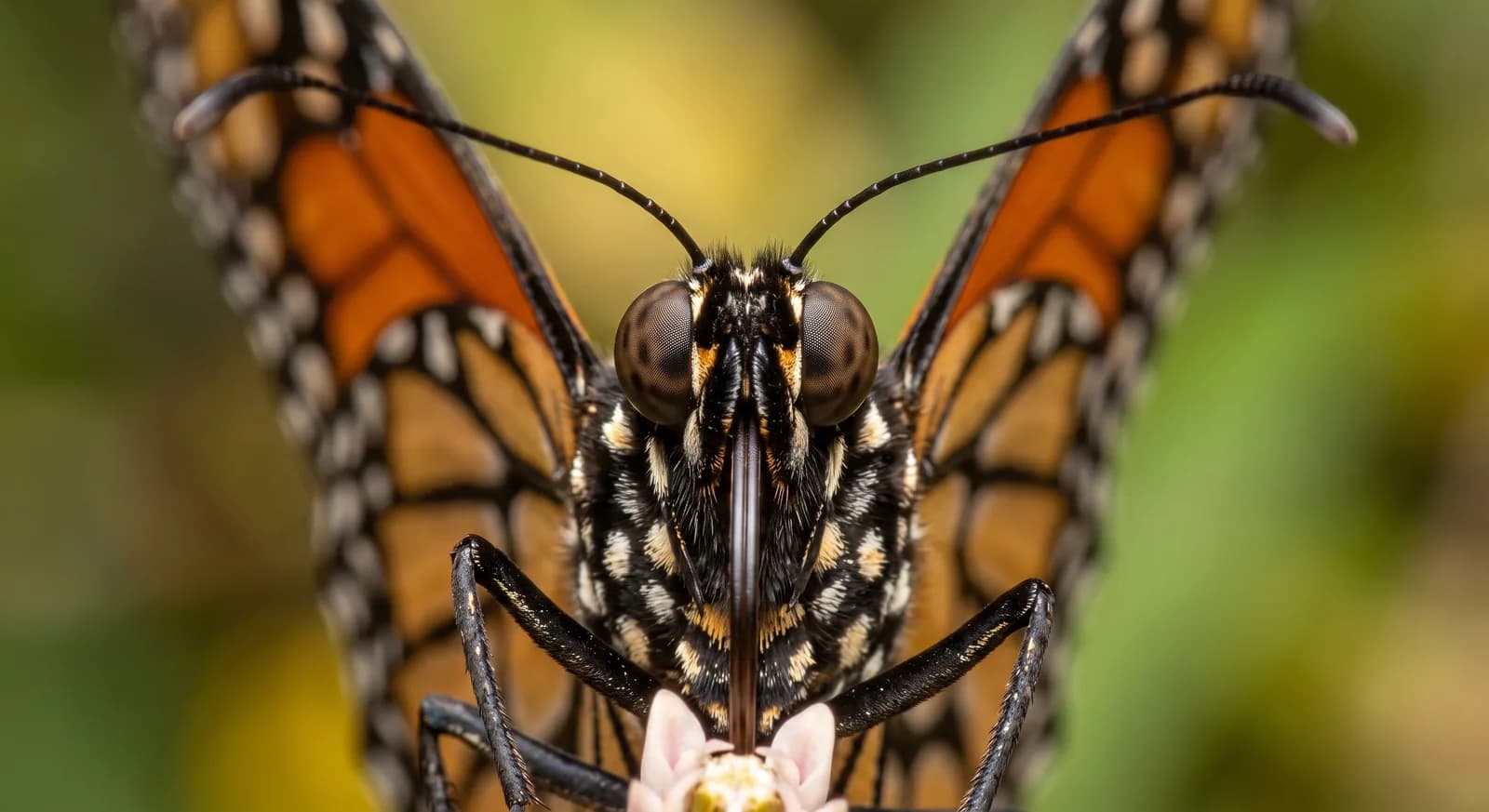
Monarch
Danaus plexippus
How to help
The volcano rabbit is classified as endangered. Organizations such as UICN, WWF y Wildlife Conservation Society work specifically on its conservation and that of its habitat; looking into their programs is a good starting point if you want to get involved.
Keep exploring
Based on what we already know about volcano rabbit.
Comments
Share an experience, a fun fact or a tip for seeing the volcano rabbit.
Be the first to comment.