One of the 8 hares on WAnimals
Mammals · Lagomorpha · Leporidae
Hispid Hare
Caprolagus hispidus
It faces a very high risk of extinction in the wild in the near future. See full glossary
The hispid hare or Assam rabbit is a lagomorph of the high grasslands of the Himalayan foothills, in India and Nepal. Its coat is coarse and bristly, quite unlike that of any other hare, and its ears and legs are short for the group. It depends entirely on elephant grass grassland, a habitat that farming, burning and plantations have reduced to minimal fragments. It digs burrows, which is uncommon among hares.
Weight
2 kg – 2.5 kg
Size
38 cm – 50 cm
Lifespan
6 years
Diet
Herbivore
Feeds mainly on plants.
Activity
Nocturnal
Active mainly at night.
Social structure
Solitary
Lives and hunts alone, joining others only to breed.
Sighting difficulty
Hard
Fun facts
- It is not exactly a hare nor a rabbit: it forms a genus of its own and combines features of both, including the habit of digging burrows that true hares do not have.
- It depends on a habitat that is burnt every year: the elephant grass grasslands are burnt in a controlled way for livestock, and the species has disappeared from almost every area where that burning has intensified.
Life cycle & biology
- Skeleton type
- Vertebrate - internal bony skeleton (mammal)
- Habitat & environment
- Tall elephant grass and alluvial grassland of the Himalayan plains
- Gestation / incubation
- 40 days
- Litter / clutch size
- 2
Sources consulted: https://es.wikipedia.org/wiki/Caprolagus_hispidus
Where to watch it
Parks and dive sites where this species has been documented.
Related species
Other species in the catalogue with the most in common with Hispid Hare — same habitat, park, country, tags or family.
Indian Pangolin
Manis crassicaudata
Hog Deer
Axis porcinus
 Endangered
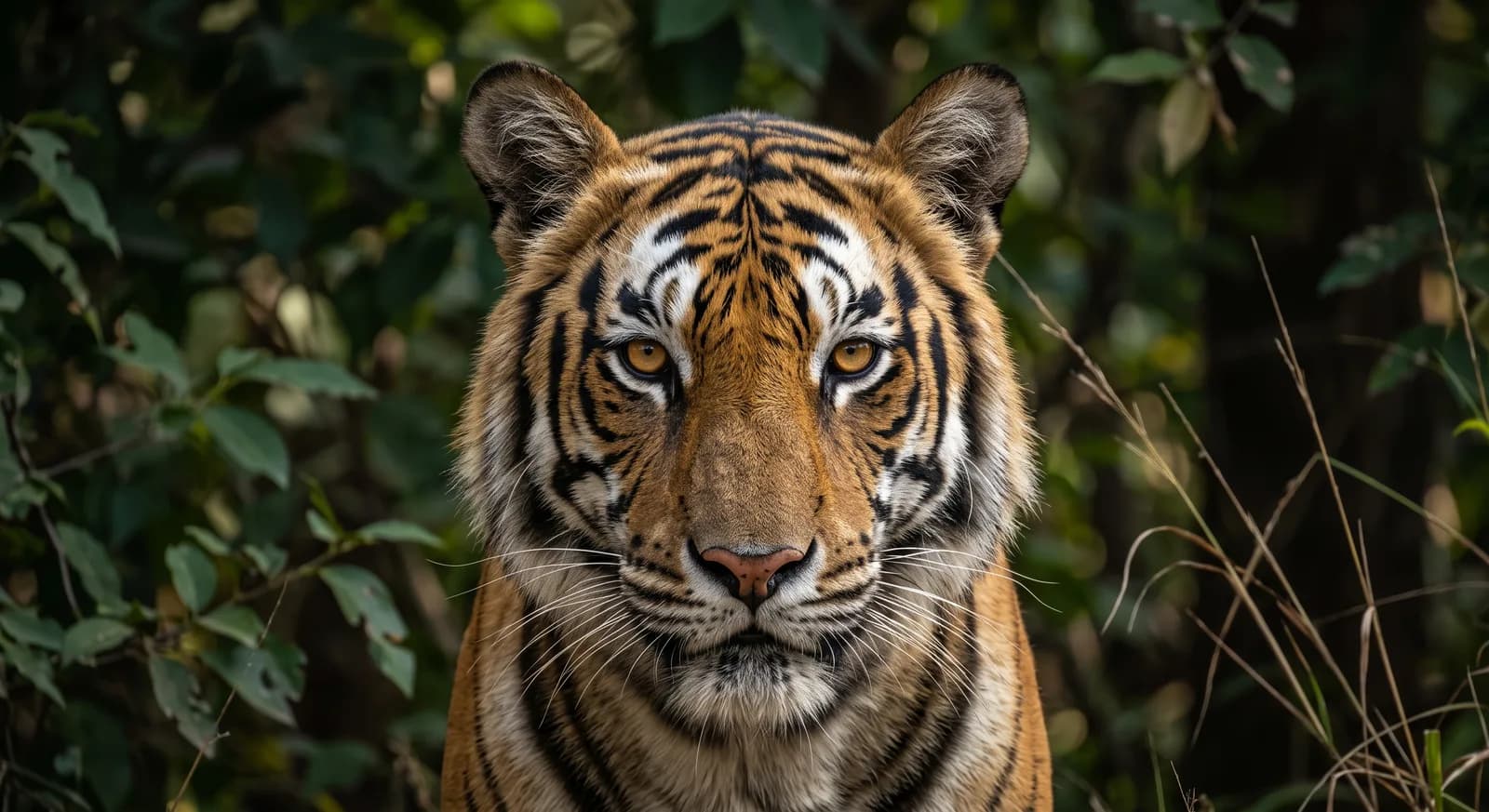
Bengal Tiger
Panthera tigris tigris
 Vulnerable
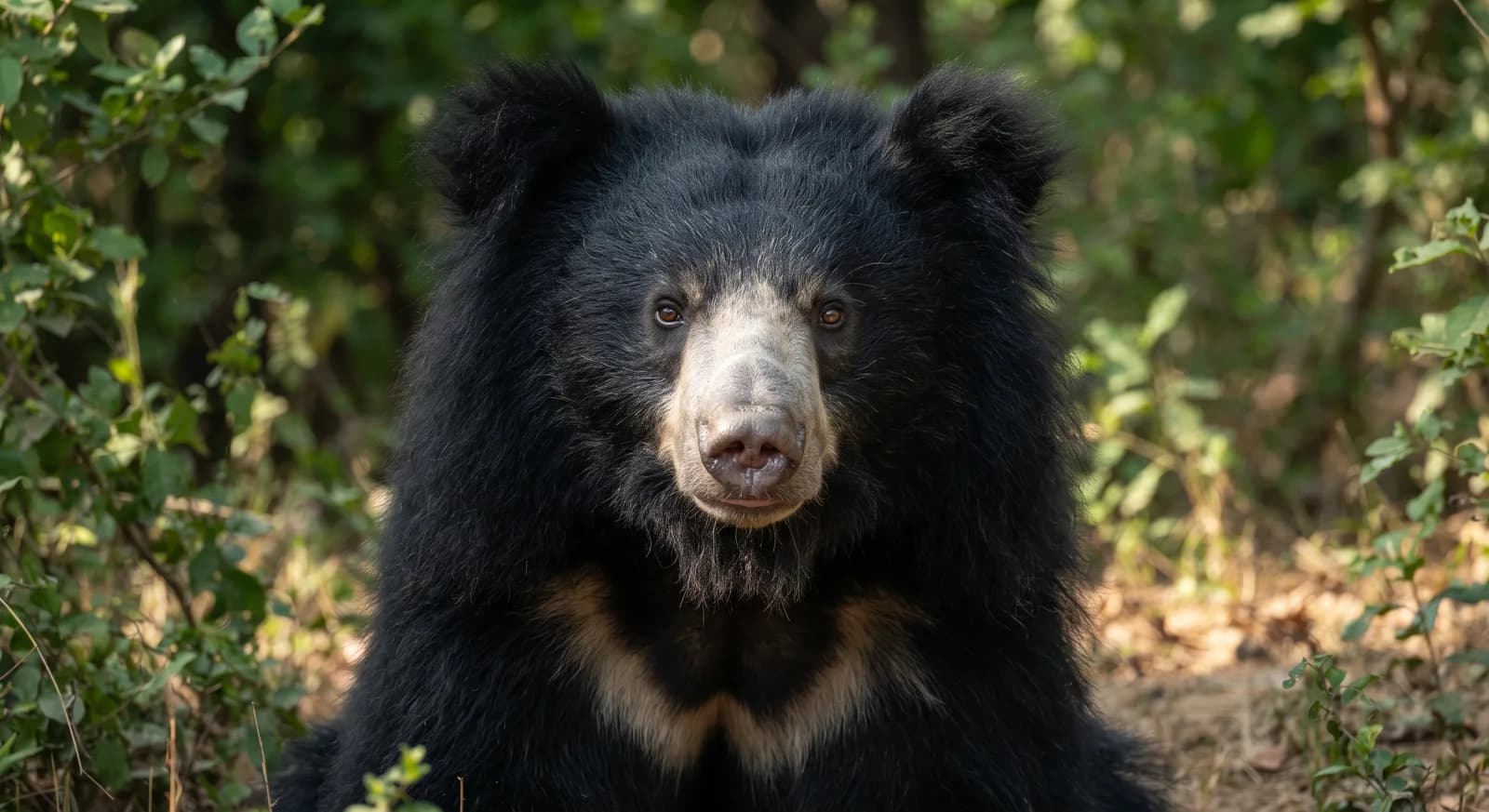
Sloth Bear
Melursus ursinus
 Vulnerable
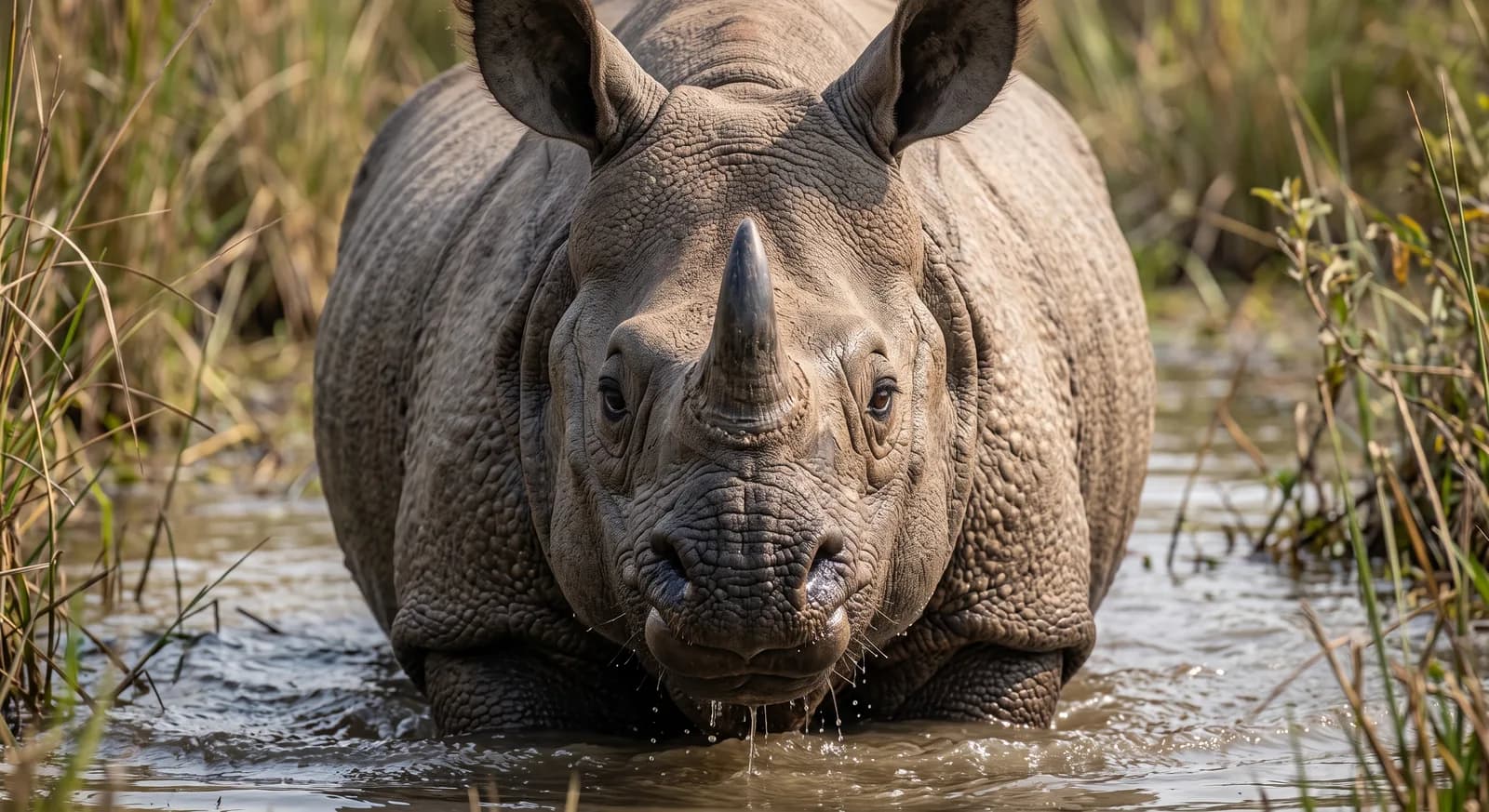
Greater One-horned Rhino
Rhinoceros unicornis
 Not Evaluated
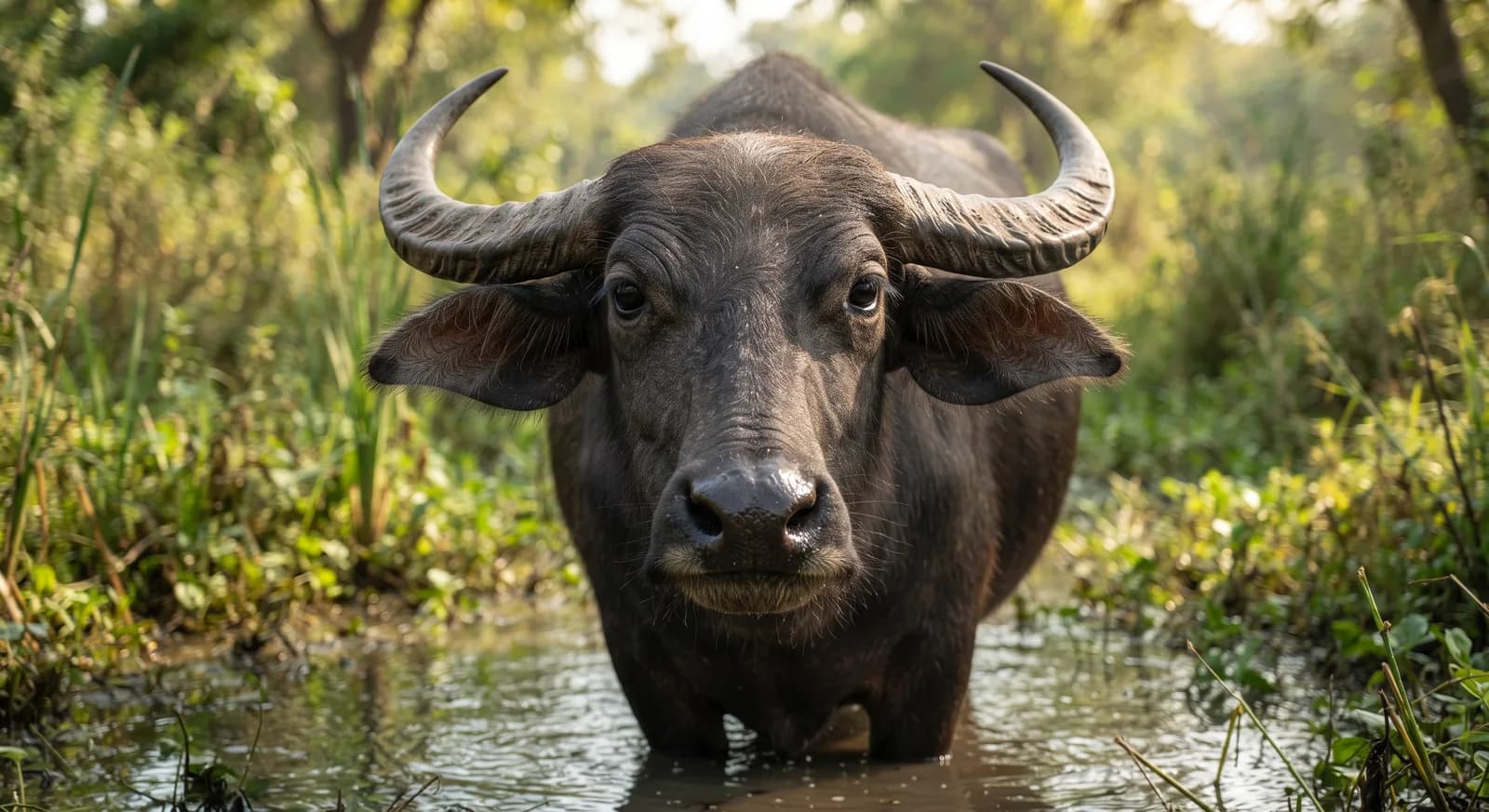
Water Buffalo
Bubalus bubalis
How to help
The hispid hare is classified as endangered. Organizations such as UICN, WWF y Wildlife Conservation Society work specifically on its conservation and that of its habitat; looking into their programs is a good starting point if you want to get involved.
It's documented in 5 real protected areas — part of why protecting these places matters for its conservation.
Keep exploring
Based on what we already know about hispid hare.
Comments
Share an experience, a fun fact or a tip for seeing the hispid hare.
Be the first to comment.