The two great volcanoes of central Mexico, with Popocatépetl in continuous activity since 1994.
Area
397 km²
Declared in
1935
Region
North America
Climate
Tropical, Árido / desértico, Templado, Mediterráneo, Montañoso
Best time
November to April
Highlight
Glaciated stratovolcanoes of the Trans-Mexican Volcanic Belt
Iztaccíhuatl-Popocatépetl National Park was decreed in 1935 and protects the two great stratovolcanoes that separate the Valley of Mexico from the Puebla plain, across the states of Mexico, Puebla and Morelos. It is one of the oldest national parks in the country and the most recognisable landscape in central Mexico.
Popocatépetl, whose name means the smoking mountain, rises above 5,400 metres and is one of the most dangerous active volcanoes in the world because of the enormous population living at its foot: more than twenty million people within a hundred-kilometre radius. After decades of quiet, it resumed activity in December 1994 and has since kept up a regime of ash emissions, exhalations and explosive episodes that requires a permanent alert system and has closed access to its cone. Iztaccíhuatl, the sleeping woman, is around 5,200 metres and is extinct; its profile, which evokes a reclining female figure, feeds one of the best-known pre-Hispanic legends in Mexico and remains open to mountaineering. Both kept glaciers until recently: those of Popocatépetl disappeared through volcanic activity and those of Iztaccíhuatl have shrunk drastically through warming.
Between the two volcanoes opens the Paso de Cortés, the route the Spanish expedition followed towards Tenochtitlan in 1519. The vegetation is tiered in pine and sacred fir woods and alpine bunchgrass grassland up to the limit of vegetation, and it holds high-mountain wildlife such as the volcano rabbit, endemic to the Trans-Mexican Volcanic Belt and threatened, along with the bobcat, the coyote and the Sierra Madre sparrow.
Location
See on the interactive map1 dive site within 300 km is also shown.
27 species documented in Iztaccíhuatl-Popocatépetl
At conservation risk:Guacamayo militar,Teporingo
Endemic to Mexico:Cacomixtle
Ardilla gris mexicana
Sciurus aureogaster
Aura gallipavo
Cathartes aura
Búho cornudo americano
Bubo virginianus
 Least Concern
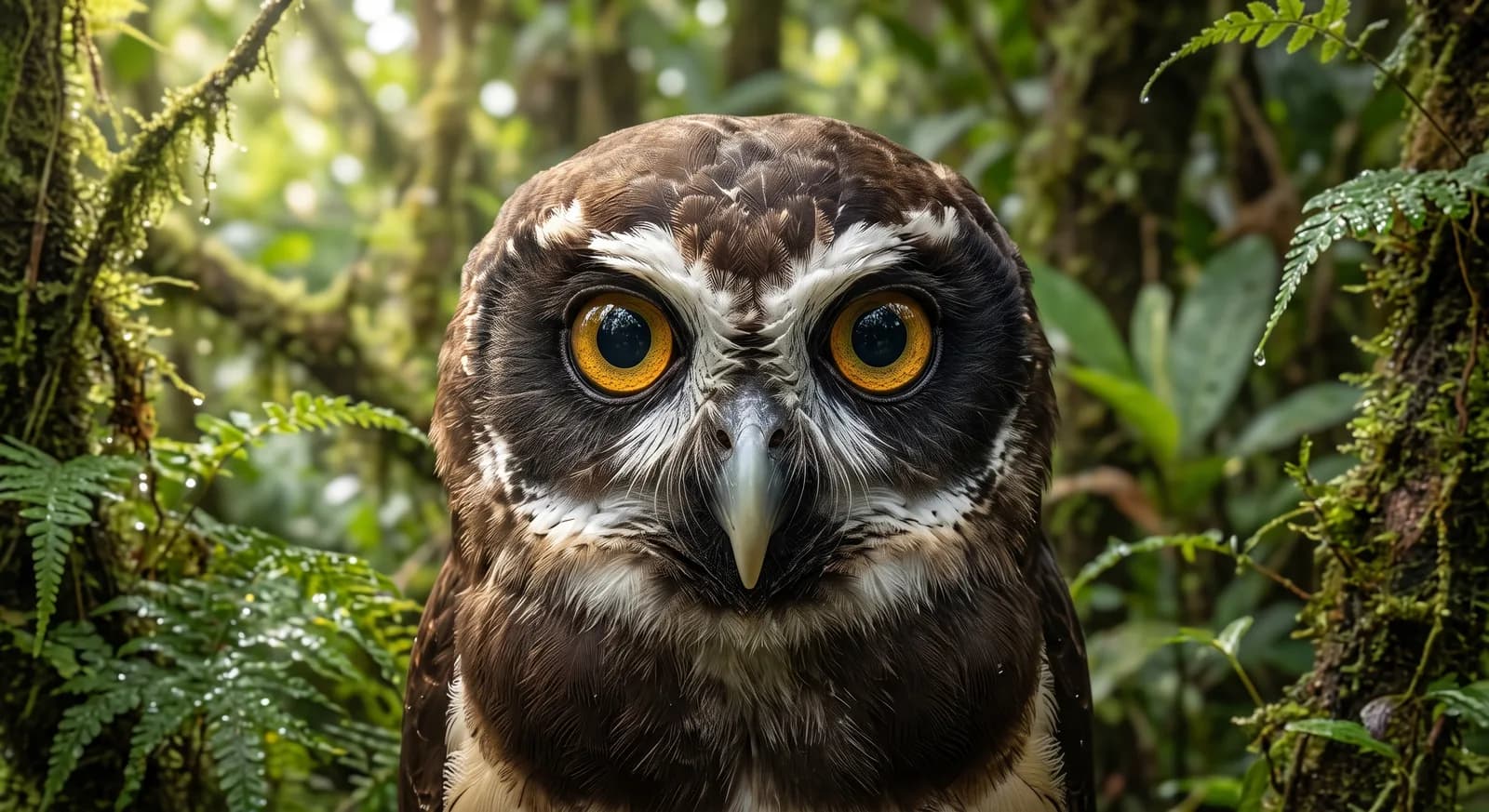
Búho de anteojos
Pulsatrix perspicillata
Busardo colirrojo
Buteo jamaicensis
Cacomixtle
Bassariscus astutus
Cardenal rojo
Cardinalis cardinalis
Carpintero bellotero
Melanerpes formicivorus
Carpintero escapulario
Colaptes auratus
Conejo de cola de algodón oriental
Sylvilagus floridanus
Garzón azulado
Ardea herodias
Guacamayo militar
Ara militaris
Flora and ecosystems
Ecosystems found in Mexico, where Iztaccíhuatl-Popocatépetl lies.
Experiences in this park
Nearby dive sites
Where can I dive near here?
Veracruz (Sistema Arrecifal Veracruzano)
270 km away
Wildlife you can see now
What is worth watching this month in Mexico?
 Vulnerable
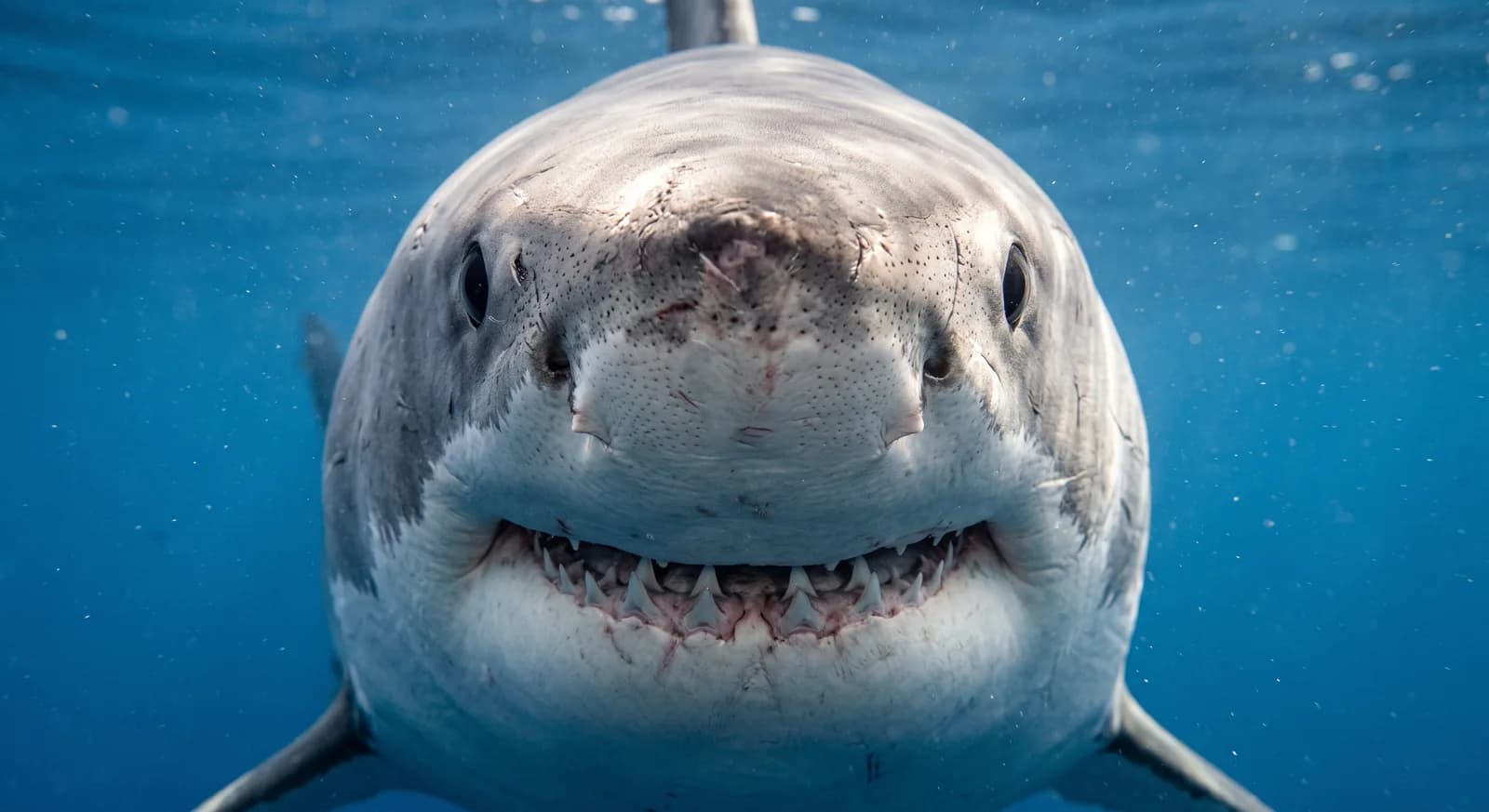
Great White Shark
Carcharodon carcharias
Ahora es buena época: Agregación de tiburones blancos en isla Guadalupe (Julio a noviembre (algunos años hasta enero))
Similar parks
Which other parks are like this one?
Cabo Pulmo
Mexico
Bull Shark · Giant Grouper
Noviembre a abril
View parkMismo país: Mexico
Isla Contoy
Mexico
Magnificent Frigatebird · Brown Pelican
Noviembre a abril
View parkMismo país: Mexico
Keep exploring
Based on what we already know about Iztaccíhuatl-Popocatépetl.
Your rating
How many stars would you give Iztaccíhuatl-Popocatépetl?
Comments
Share your experience visiting Iztaccíhuatl-Popocatépetl, or a tip for other travellers.
Be the first to comment.