Mammals · Artiodactyla · Phocoenidae
Vaquita
Phocoena sinus
It faces an extremely high risk of imminent extinction in the wild. See full glossary
The vaquita — known in Spanish as vaquita marina or cochito — is a critically endangered odontocete cetacean of the family Phocoenidae, one of the seven porpoise species. It measures 150 cm long and weighs up to 50 kg. It has a very restricted distribution. It is also regarded as a species endemic to Mexico, in Baja California. Its populations have declined over recent decades to the point of being considered in grave danger of extinction. In 2015 the total population was ninety-six animals. In 2017 it lost 67% of its population, leaving fewer than forty individuals. In late 2018 and early 2019, between ten and fifteen were estimated to remain. According to WWF it is going extinct. Conservation measures have been put in place, but the species is considered to be in imminent danger of extinction. On 18 October 2017 a six-month-old vaquita was rescued; however, it was returned to the sea on the advice of expert vets, who judged that the calf could not be separated from its mother. On 10 November of that same year, scientists from the VaquitaCPR programme released the results of fieldwork. They reported sightings of individuals on eight of thirteen days at sea. They recorded thirty-two sightings, including probable repeat individuals within a single day. It is important to be clear that these sightings do not represent an estimate of the vaquita population. The sighting events involved one to three vaquitas at a time, with an average of two vaquitas per group. In March 2018 the situation became critical and, according to Andrea Crosta of the animal protection organisation Elephant Action League, only twelve individuals could be detected swimming in the Gulf of California, alongside the Baja California peninsula. The most recent count, in October 2025, estimates that fewer than 10 remain in the wild.
Weight
30 kg – 55 kg
Size
1.2 m – 1.5 m
Lifespan
21 years
Diet
Carnivore
Feeds mainly on other animals.
Social structure
Solitary
Lives and hunts alone, joining others only to breed.
Sighting difficulty
Very hard
Estimated population
Around ten individuals in the most recent acoustic and visual surveys
Fun facts
- GeneralThe most threatened cetacean on the planet: around ten remain, because of the illegal totoaba nets.
- conservaciónIt is the most threatened cetacean on the planet, with an estimated population under 20, chiefly through being caught by accident in illegal fishing nets.
- Its large dorsal and pectoral fins work as radiators: they help it shed heat in waters far warmer than those the other porpoises occupy.
- Its survival depends on a fish: the totoaba, whose swim bladder sells on the Asian black market at prices comparable to cocaine, and whose nets kill vaquitas by accident.
Life cycle & biology
- Skeleton type
- Vertebrate - internal bony skeleton (mammal)
- Habitat & environment
- Shallow, turbid waters of the upper Gulf of California, almost always in less than 40 metres
- Sexual maturity
- 4 years
- Gestation / incubation
- 11 months
- Litter / clutch size
- 1
Sources consulted: https://es.wikipedia.org/wiki/Phocoena_sinus
Where to watch it
Parks and dive sites where this species has been documented.
Related species
Other species in the catalogue with the most in common with Vaquita — same habitat, park, country, tags or family.
 Critically Endangered
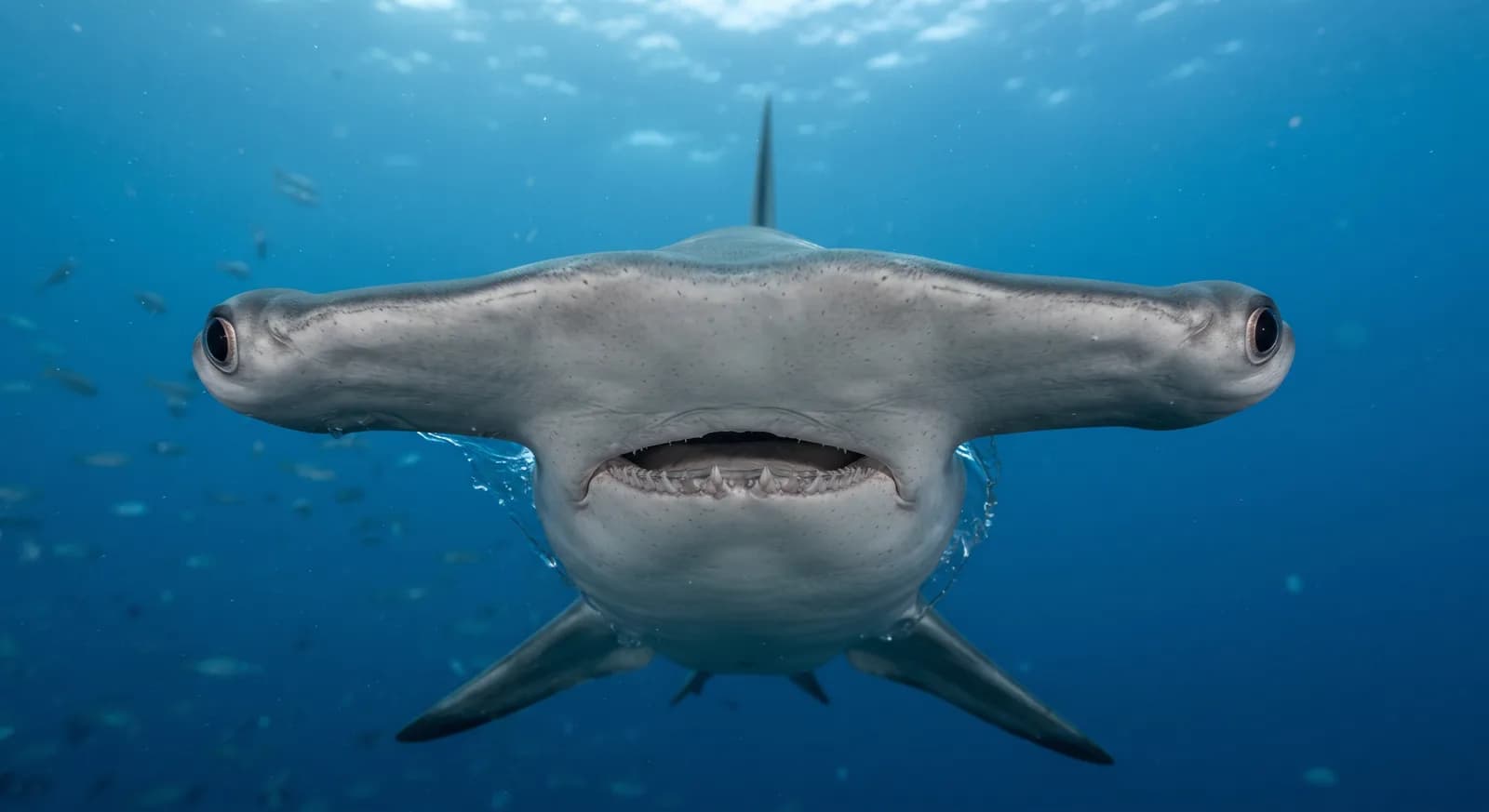
Great Hammerhead
Sphyrna mokarran
 Least Concern
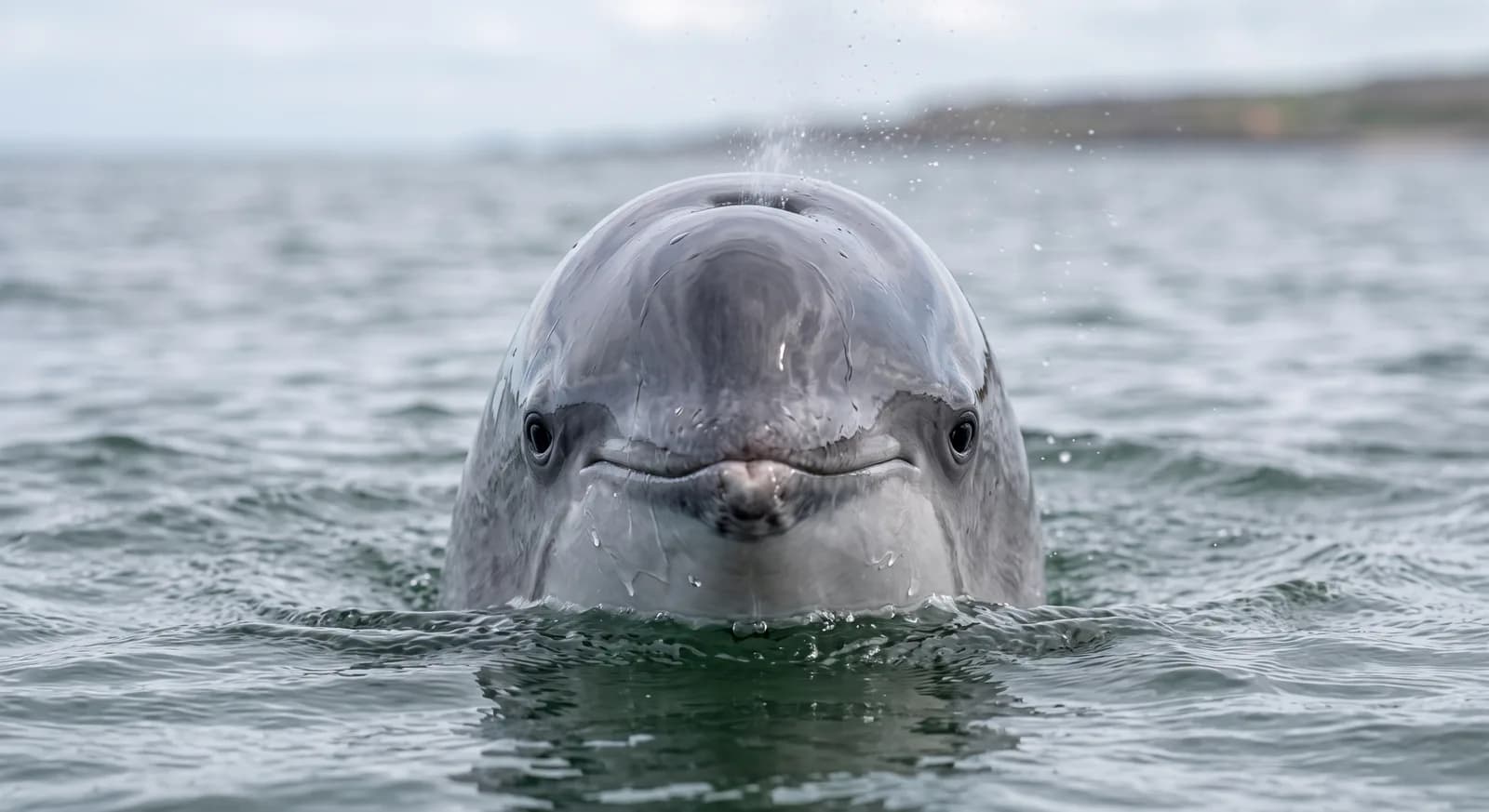
Harbor Porpoise
Phocoena phocoena
Scalloped Hammerhead
Sphyrna lewini
Bryde's Whale
Balaenoptera edeni
Pygmy Sperm Whale
Kogia breviceps
How to help
The vaquita is classified as critically endangered. Organizations such as UICN, WWF y Wildlife Conservation Society work specifically on its conservation and that of its habitat; looking into their programs is a good starting point if you want to get involved.
It's documented in 1 real protected area — part of why protecting these places matters for its conservation.
Keep exploring
Based on what we already know about vaquita.
Comments
Share an experience, a fun fact or a tip for seeing the vaquita.
Be the first to comment.