One of the 7 starfish on WAnimals
Starfish · Forcipulatida · Asteriidae
Sunflower Sea Star
Pycnopodia helianthoides
It faces an extremely high risk of imminent extinction in the wild. See full glossary
Size
up to 1 m
Diet
Carnivore
Feeds mainly on other animals.
Social structure
Solitary
Lives and hunts alone, joining others only to breed.
Sighting difficulty
Very hard
Fun facts
- GeneralIt can have 24 arms and move at 1 m a minute; an epidemic has devastated it since 2013.
- It is one of the largest sea stars in the world: it reaches a metre from tip to tip, with between 16 and 24 arms and some 15,000 tube feet. And it is among the fastest: it covers up to 60 metres an hour.
- It begins life with five arms and adds more as it grows.
- Since 2013 it has suffered sea star wasting syndrome, the largest marine wildlife disease outbreak on record. The animals turn lethargic, develop lesions, lose their arms and disintegrate within days.
- The decline was 90.6 %, calculated from more than 32,000 surveys, and in 2020 the IUCN classified it as Critically Endangered.
- Its disappearance triggered a chain collapse: it feeds mainly on sea urchins — more than 90 % of the diet in some individuals — and without it purple sea urchins multiplied and stripped the kelp forests, turning them into urchin barrens.
- Captive breeding programmes are running in the Salish Sea, and refuge populations of large adults survive in some British Columbian fjords.
Life cycle & biology
- Skeleton type
- Invertebrate - internal calcareous endoskeleton made of plates (ossicles)
- Habitat & environment
- Rocky bottoms and kelp forests
Sources consulted: https://es.wikipedia.org/wiki/Pycnopodia_helianthoides
Where to watch it
Parques y spots de buceo donde se ha documentado esta especie — se muestran 20 de 23 documentados.
Related species
Other species in the catalogue with the most in common with Sunflower Sea Star — same habitat, park, country, tags or family.
Ochre Stars
Pisaster ochraceus
Red Abalone
Haliotis rufescens
 Vulnerable
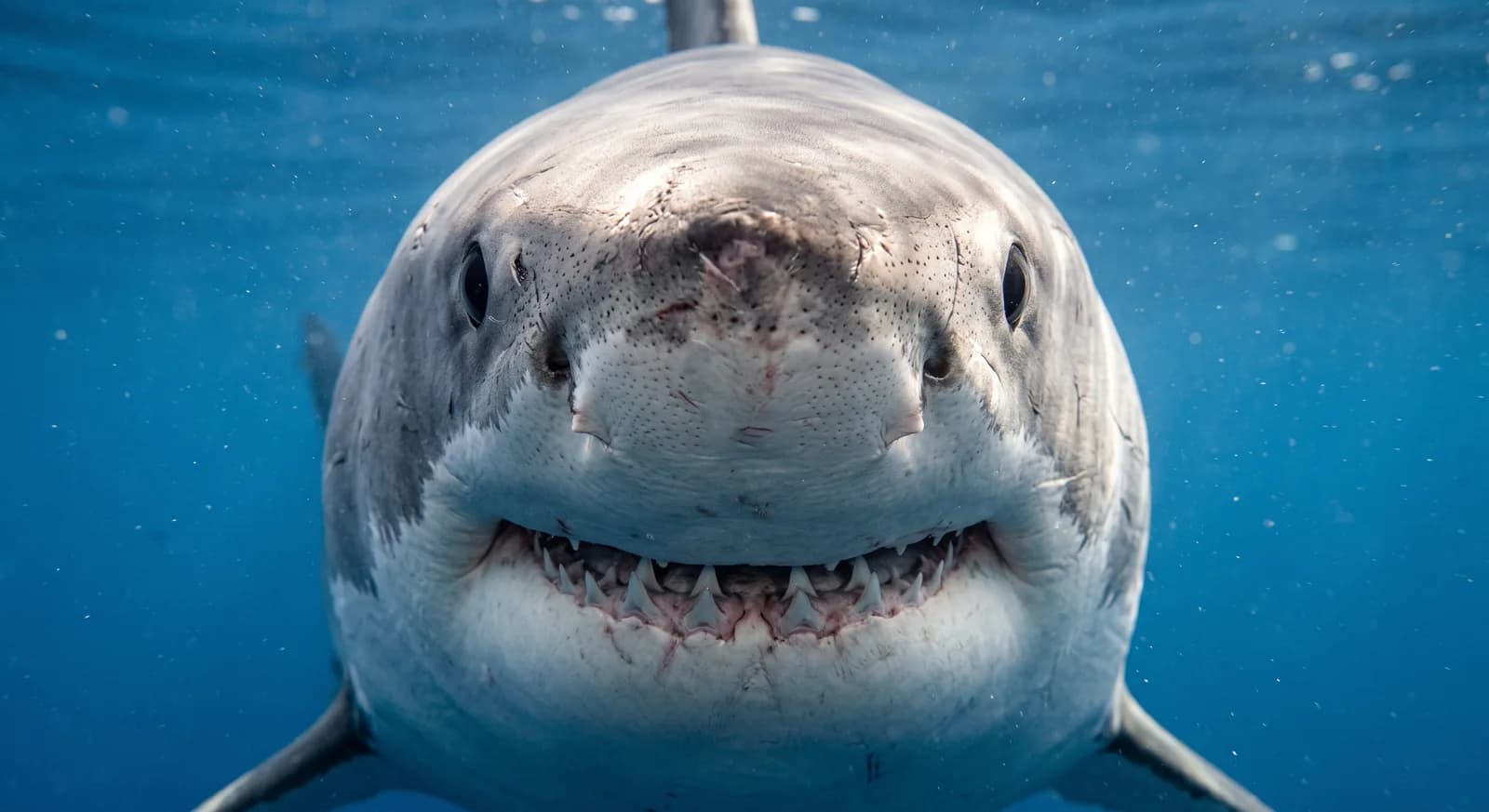
Great White Shark
Carcharodon carcharias
 Least Concern
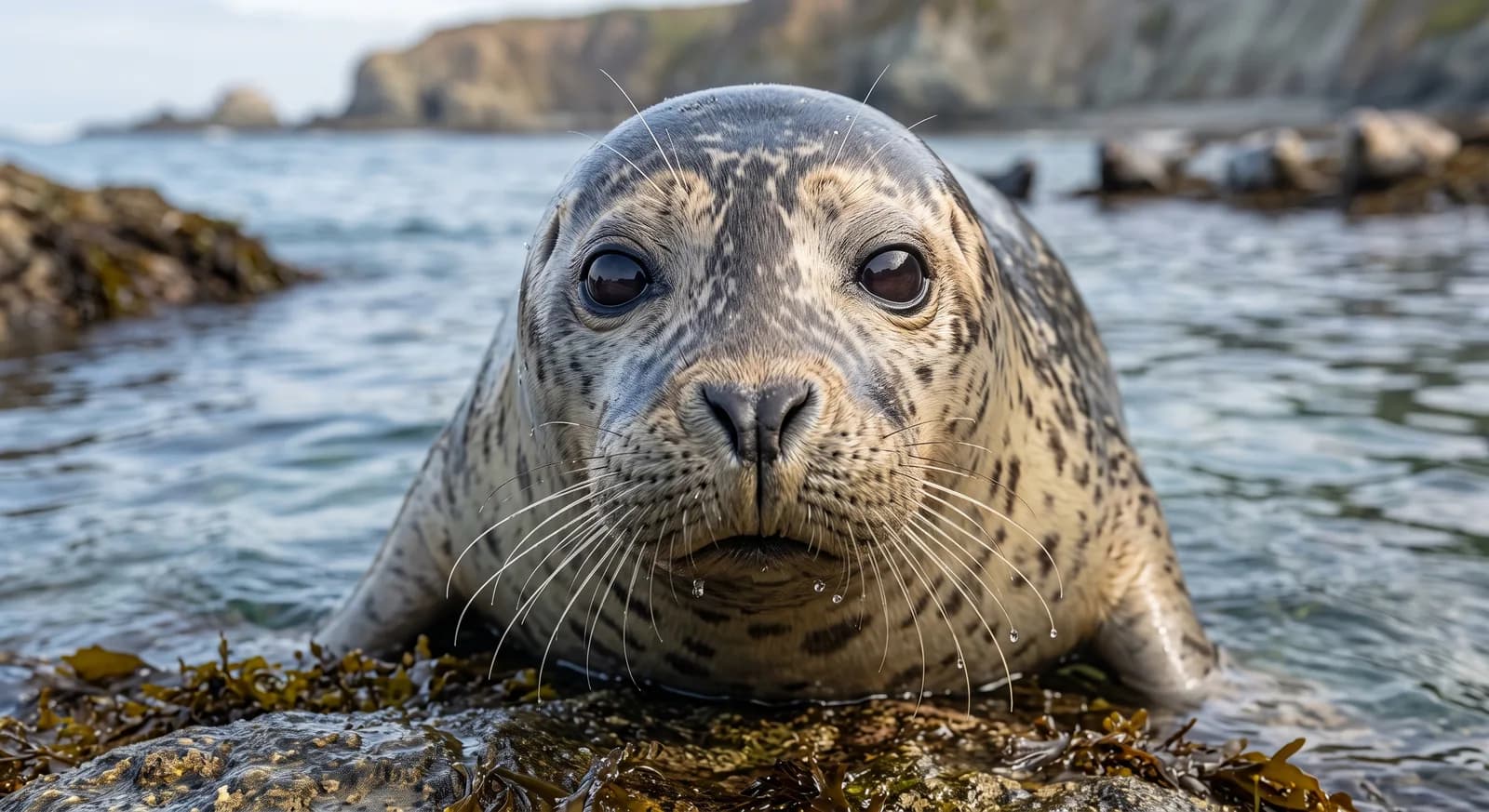
Harbor Seal
Phoca vitulina
Shortfin Mako
Isurus oxyrinchus
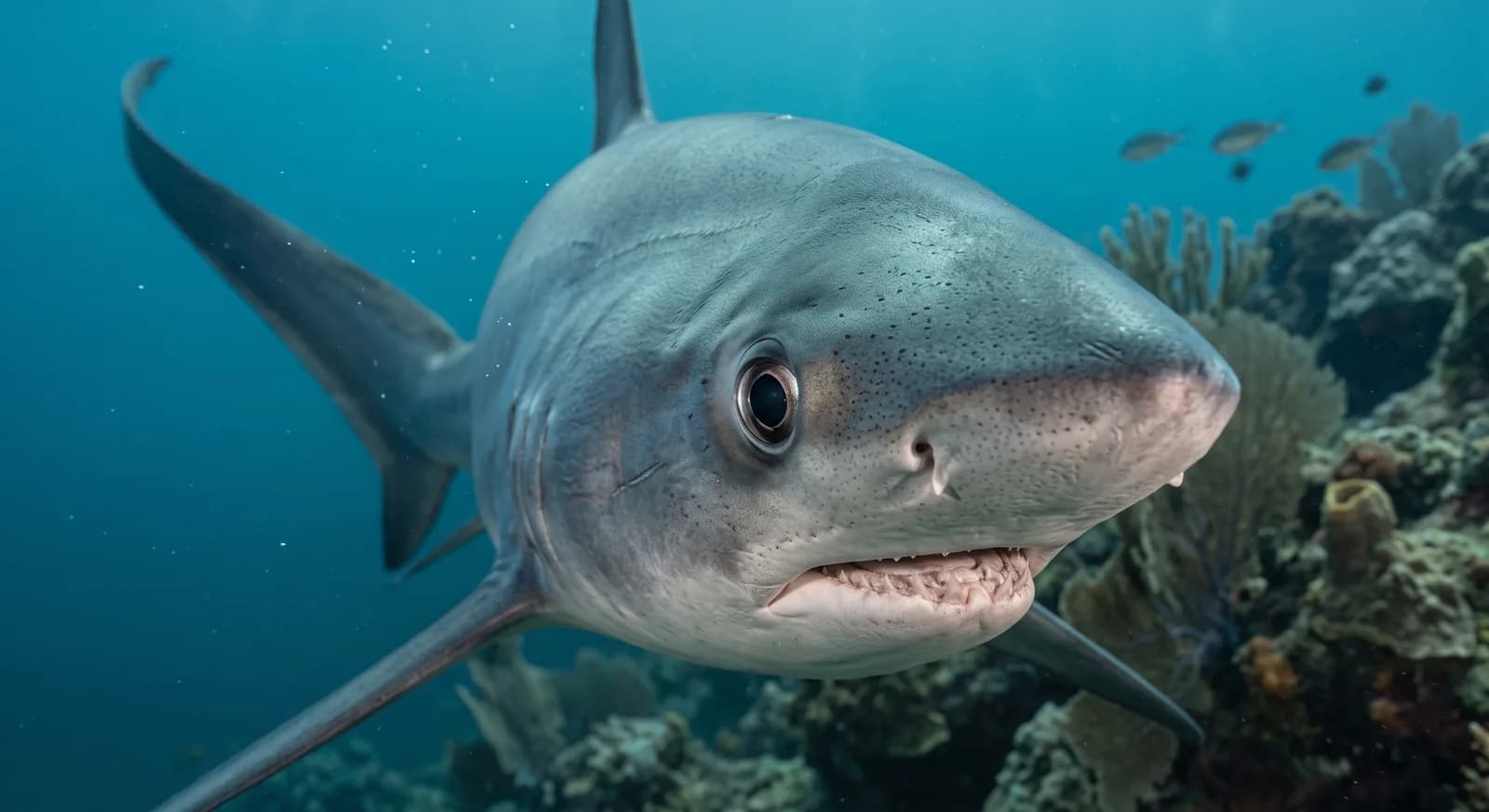 Vulnerable
Grayfish
Alopias vulpinus
How to help
The sunflower sea star is classified as critically endangered. Organizations such as UICN, WWF y Wildlife Conservation Society work specifically on its conservation and that of its habitat; looking into their programs is a good starting point if you want to get involved.
It's documented in 8 real protected areas — part of why protecting these places matters for its conservation.
Keep exploring
Based on what we already know about sunflower sea star.
Comments
Share an experience, a fun fact or a tip for seeing the sunflower sea star.
Be the first to comment.